
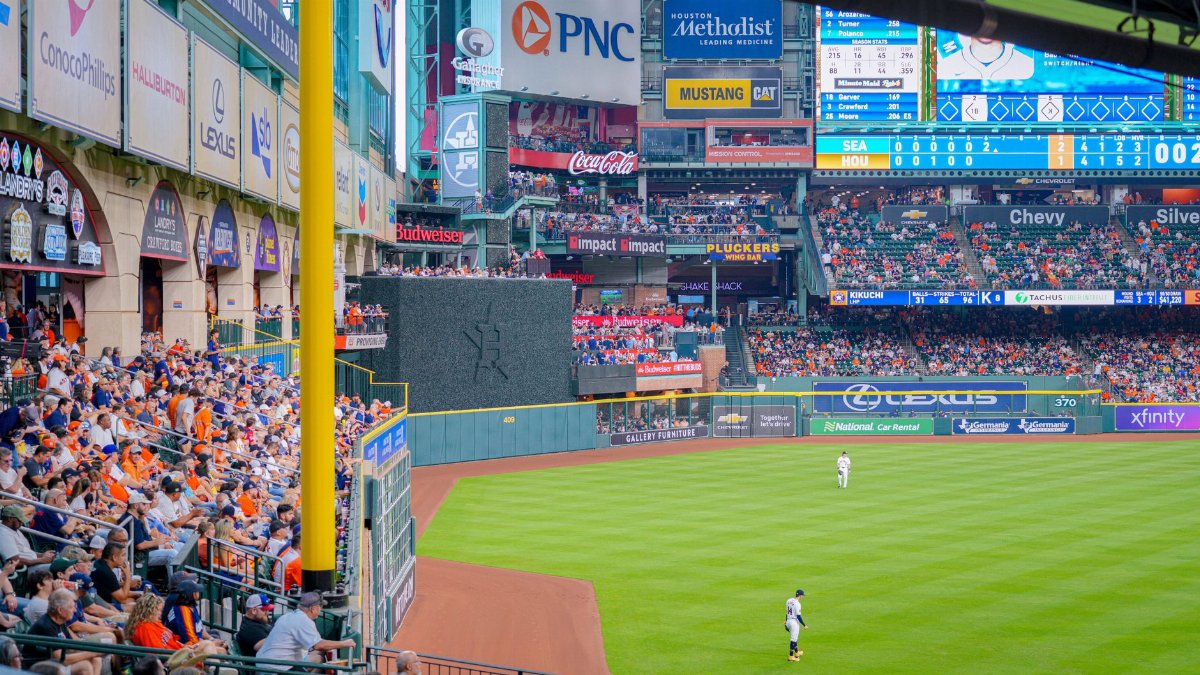
In a tense playoff contest last season a batter watched a borderline pitch sail past without swinging only to see the umpire signal a strike amid immediate protests from the bench. Moments like these reveal the persistent difficulties in human judgment during high stakes baseball games. Discussions around adopting ABS system MLB more broadly reflect a growing recognition that technology already supports many other aspects of the sport and could bring greater consistency to the strike zone.
Precision in Pitch Calling
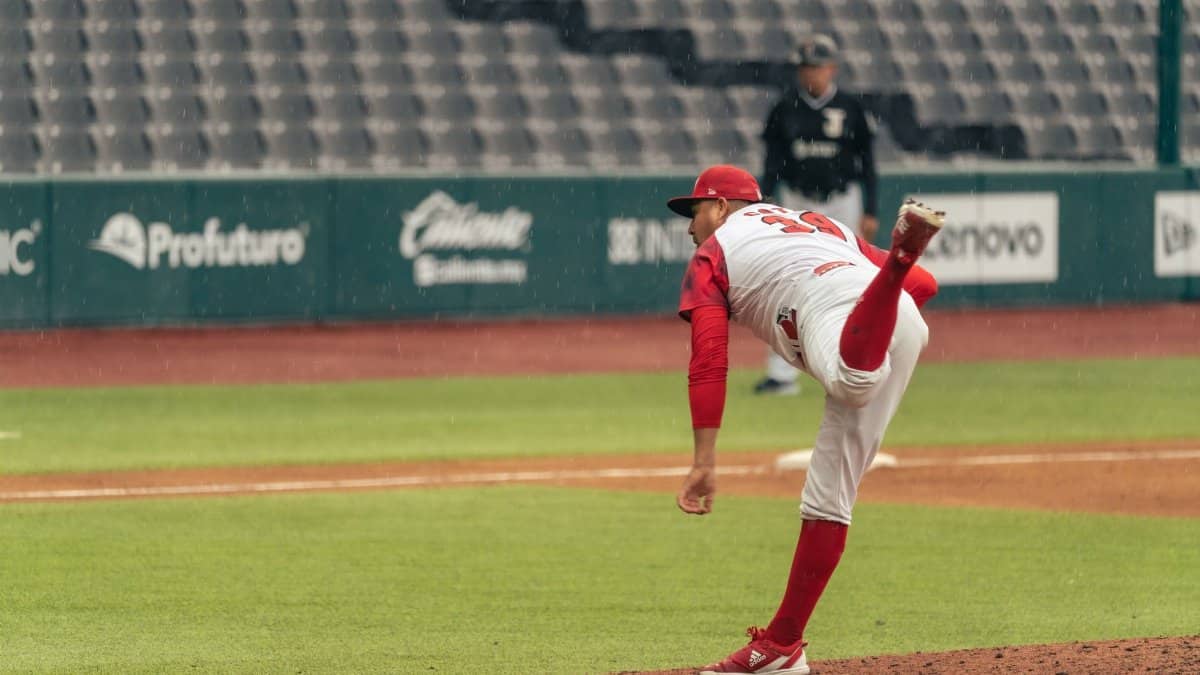
Baseball relies on accurate decisions at the plate yet human umpires face limitations from angle fatigue and split second timing. Studies from performance tracking groups show error rates in ball and strike calls hovering near ten percent during regular season play. An automated approach could reduce these inconsistencies without removing the human element from other facets of the game. Players and managers have expressed support for systems that provide objective data on every pitch location.
Existing Technology Infrastructure

Major League Baseball already employs advanced cameras and sensors across all ballparks to monitor player movements and ball trajectories. These tools deliver real time data for broadcasts and analytics departments. Extending similar capabilities to the strike zone builds on established frameworks rather than requiring entirely new installations. Teams have grown accustomed to reviewing footage and metrics making a transition to automated calls feel like a natural progression.
Player and Manager Perspectives

Many athletes appreciate the clarity that comes from knowing the strike zone boundaries in advance. Interviews with veterans indicate frustration over varying interpretations from one umpire to the next. Managers note that consistent enforcement could lead to better strategic planning during at bats. Feedback from spring training experiments with the system has been largely positive with adjustments made to address early concerns.
Impact on Game Flow

Faster resolutions on close pitches could shorten delays caused by arguments and reviews. The sport has seen an increase in replay challenges in recent years which sometimes disrupt momentum. Automated determinations allow umpires to focus on other responsibilities such as managing the field and player conduct. This division of duties might enhance overall efficiency during long innings.
Fan Engagement Considerations

Spectators often debate calls from their seats or through social media channels after games. Clearer standards might reduce some of that second guessing while preserving the drama of close plays. Broadcast partners could integrate visual aids showing the automated zone to help viewers understand decisions. Younger audiences accustomed to data driven sports coverage may find the approach more appealing.
Historical Evolution of Rules

Baseball has updated its regulations multiple times to adapt to new realities from equipment changes to scheduling formats. The introduction of the designated hitter and expanded playoffs demonstrate willingness to embrace modifications. Automated ball and strike systems fit within this pattern of gradual refinement. Historical records show past resistance to innovations that later became standard.
Potential Challenges and Mitigations

Some observers worry about losing the personality of veteran umpires who have shaped the game for decades. Training programs could help officials transition into roles emphasizing other skills. Calibration of the system would require ongoing oversight from league officials to maintain trust. Pilot programs have already tested various configurations to identify workable solutions.
Comparative Examples from Other Sports

Tennis and soccer have incorporated electronic line calling and goal line technology with measurable success. These precedents suggest that baseball can integrate similar tools without diminishing the athletic contest. Officials in those leagues report improved accuracy and fewer disputes after implementation. The learning curve proved manageable once participants adapted to the new standards.
Future Outlook for the League

Commissioner offices have signaled openness to further testing ahead of potential full adoption. Data from minor league trials continues to inform refinements. A phased rollout could allow for feedback loops and public communication. The presence of ABS system MLB in limited capacities already demonstrates feasibility on a larger scale.