

Recent events at a major California airport have cast fresh light on federal scrutiny of a sitting member of Congress. Authorities approached Eric Swalwell upon his arrival and conducted the Swalwell FBI seizure of electronic devices he carried. The move comes amid reports of an active inquiry that appears to be expanding, prompting discussion among legal observers about the next steps such probes typically follow. Public interest stems from the congressmans long record in national security debates and his representation of a district near the site of the encounter. Witnesses described a routine interaction that nonetheless drew notice because of the individuals involved.
Details Surrounding the Airport Encounter

Travelers at San Francisco International Airport observed agents engaging Swalwell in a quiet area near baggage claim. The Swalwell FBI seizure involved phones and laptops according to sources familiar with the process. Agents presented paperwork and allowed the congressman to contact counsel before proceeding. Such actions at transportation hubs often occur when officials seek to limit advance notice. The timing coincided with Swalwell returning from a trip abroad which added layers to the sequence of events. Airport security footage reportedly captured the brief exchange without disruption to other passengers.
Historical Context of Similar Federal Actions
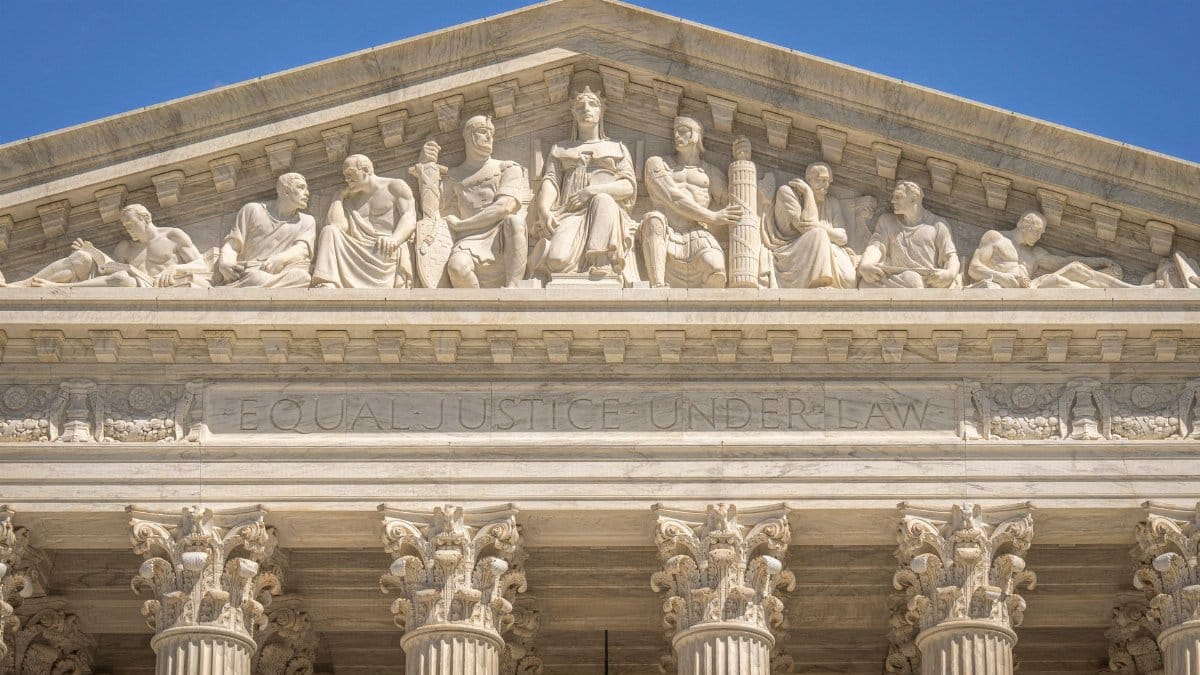
Past cases show that device collection at entry points has served as a tool in probes involving public officials. Records indicate comparable steps taken with lawmakers from both parties when questions of foreign contacts arise. These measures allow investigators to preserve data before any opportunity for deletion occurs. Legal scholars point to precedents where material from such seizures advanced or altered the direction of inquiries. The approach reflects standard protocol rather than any unique targeting according to former prosecutors.
Potential Implications for Political Figures

When federal agents collect devices from elected representatives the ripple effects extend to colleagues and staff. Colleagues may face requests for interviews or records as patterns emerge. Swalwell has maintained a visible role on intelligence committees which could shape how information is handled going forward. Observers suggest the episode underscores the delicate balance between legislative duties and personal accountability under the law.
Public Reactions and Media Coverage
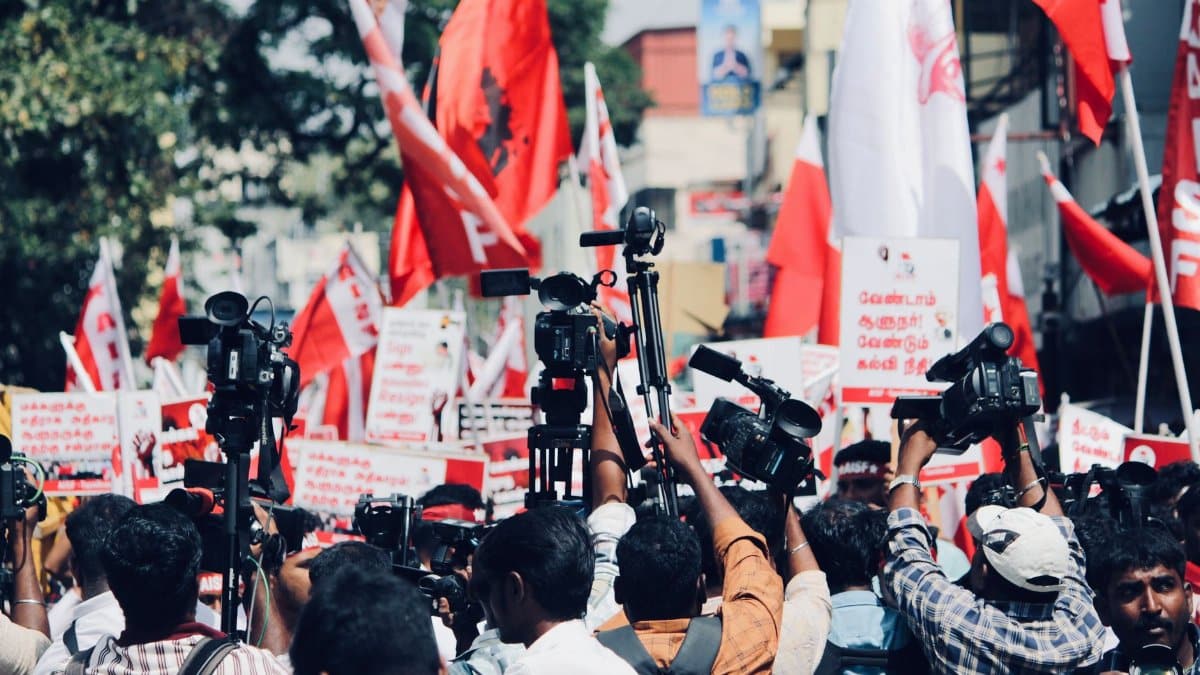
Initial responses ranged from calls for transparency to defenses of due process from Swalwell allies. News outlets across the spectrum reported the Swalwell FBI seizure with varying emphasis on its significance. Social media commentary highlighted both the unusual location and the congressmans prior public profile. Analysts note that sustained coverage often depends on whether additional developments surface in coming weeks.
Legal Aspects of Device Seizures

Constitutional protections require warrants or consent in most instances involving personal electronics. Courts have upheld such collections when probable cause exists and procedures are followed. Attorneys for Swalwell have not yet released detailed statements though they are expected to review the scope of items taken. The process can involve forensic examination that takes months to complete fully.
Swalwell’s Past Statements on Related Matters

In earlier public remarks Swalwell has addressed the importance of oversight in intelligence matters. He has spoken about threats from foreign actors and the need for vigilance. Those positions now intersect with the current situation in ways that invite renewed attention. Colleagues recall his consistent advocacy on these topics during committee hearings.
Broader Questions About Investigations

This episode raises larger issues about how federal resources are allocated in cases touching political figures. Questions persist regarding coordination between agencies and the pace at which information becomes public. The Swalwell FBI seizure fits into a pattern seen in other high visibility matters though each carries distinct elements. Transparency advocates argue for clearer guidelines while privacy concerns remain prominent.
What Could Happen Next in the Process

Next phases may include review of collected materials and possible interviews with associates. Swalwell continues to serve in his elected capacity while the matter unfolds. Outcomes could range from closure without charges to formal proceedings depending on findings. Legal experts emphasize that many such inquiries conclude quietly after thorough examination. The situation continues to evolve as details emerge gradually.