
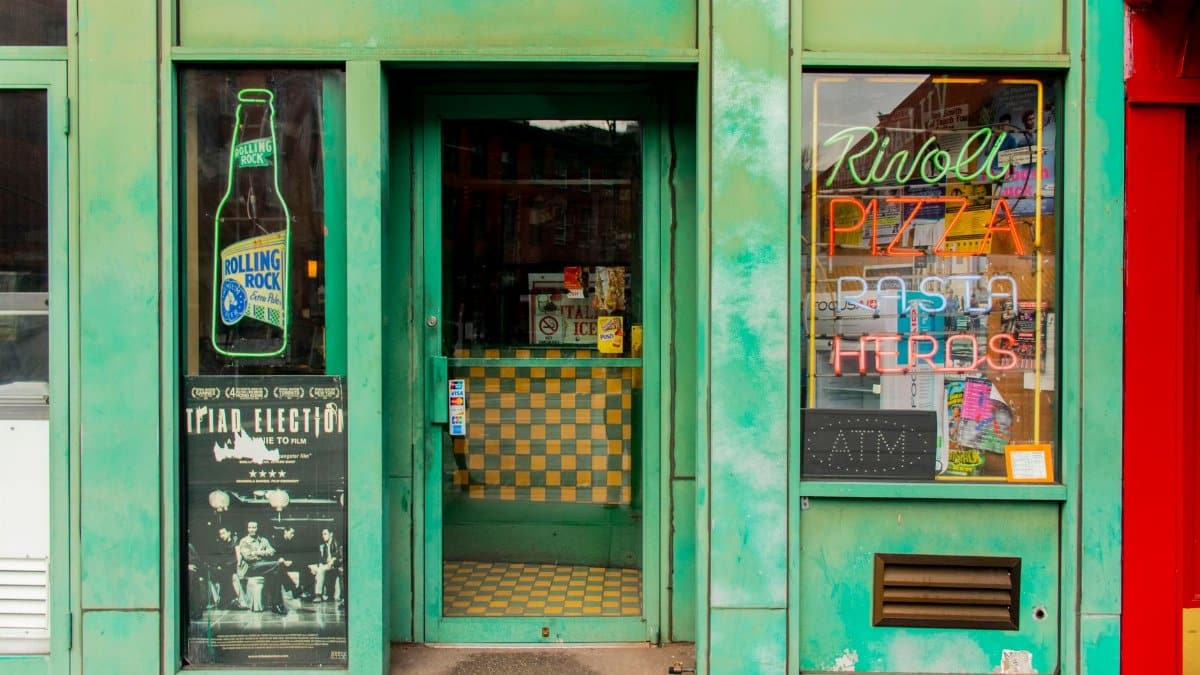
In the vibrant food scene of South Florida where trends shift rapidly and competition remains intense a notable establishment met its end recently. Diners accustomed to authentic flavors from up north faced disappointment as New York Italian restaurant closes Miami after a brief run. This event highlights broader difficulties for concepts transplanted from established urban centers into a region defined by seasonal visitors and evolving preferences among residents seeking reliable dining options.
Origins in a Classic New York Setting

The eatery began its journey in a lively Manhattan neighborhood where Italian cooking traditions run deep. Chefs there built a reputation around handmade pastas and sauces passed down through generations. Bringing those same methods southward represented an attempt to share a piece of that heritage with new audiences eager for genuine tastes.
Arrival and Initial Buzz in South Florida

Upon opening the location drew attention from locals and transplants alike who craved familiar dishes done right. Early reviews praised the attention to detail in each plate from antipasti to desserts. Crowds filled tables during peak hours creating an atmosphere reminiscent of northern energy mixed with tropical surroundings.
Challenges of Operating in a Transient Market

Miami presents unique hurdles including fluctuating visitor numbers and high operational costs that can strain even experienced teams. Many spots struggle when initial excitement fades and sustaining steady patronage requires constant adaptation to local habits. Economic pressures added layers of complexity for this particular venture over time.
Shifts in Customer Preferences Over Time

As months passed some patrons began exploring newer arrivals offering fusion twists or lower price points. The original focus on classic preparations appealed to a core group yet failed to retain broader interest amid growing options across the city. Feedback indicated a desire for more variety that aligned less with the core menu.
Role of Location and Accessibility Factors

Placement played a part in daily foot traffic patterns with surrounding developments influencing visibility. Areas undergoing rapid change sometimes see businesses adjust strategies quickly to match emerging neighborhoods. This spot encountered hurdles in drawing repeat visits from those prioritizing convenience alongside quality.
Reactions from Regulars and the Community

Longtime supporters expressed regret over the loss of a reliable choice for special occasions or casual meals. Online forums and in person discussions reflected a sense of nostalgia for the short period when the doors stayed open. Some voiced hopes that similar concepts might return with adjusted approaches suited to regional demands.
Broader Trends Affecting Italian Eateries

Across the country many Italian focused restaurants navigate supply chain issues and labor shortages that affect consistency. In Florida these factors combine with a climate that influences ingredient sourcing and diner expectations year round. Success often depends on balancing tradition with practical responses to such realities.
Potential Paths Forward for Similar Ventures

Owners considering expansions might study this case to refine models before committing resources. Emphasis on community engagement and flexible offerings could prove beneficial in dynamic environments. Learning from brief operations encourages strategies that prioritize sustainability alongside culinary excellence.
Reflections on Culinary Migration Patterns

Movement of food concepts from one coast to another reveals much about American dining evolution. What works in dense urban grids may require tweaks when introduced to areas with different rhythms and demographics. This instance serves as a reminder of those nuances in an ever changing landscape.