

In the packed arena of south Philadelphia one February morning a crowd surges forward with cheers that rattle the rafters while competitors line up at long tables stacked with trays of wings. This annual ritual draws families friends and longtime fans who treat the day like a civic holiday. A new Wing Bowl documentary turns the camera toward those shared moments of laughter strategy and triumph instead of revisiting old debates about excess.
Roots of a Philadelphia Tradition
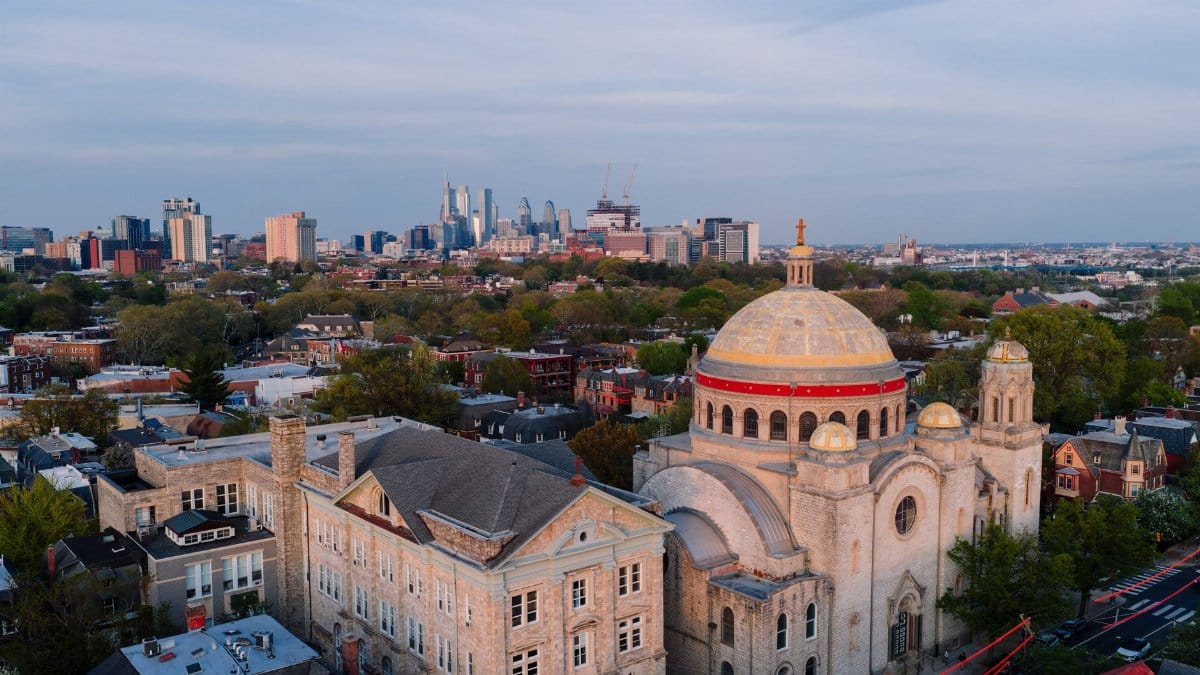
The contest began decades ago as a playful way to fill the quiet weeks before the Super Bowl. Local radio hosts invited anyone willing to eat as many wings as possible in a set time. What started small grew into a citywide gathering that now fills arenas and spills into surrounding streets. The film traces those early years through archival footage and interviews with the first organizers who recall how a simple idea became woven into winter calendars.
Filmmakers Choose Celebration Over Critique
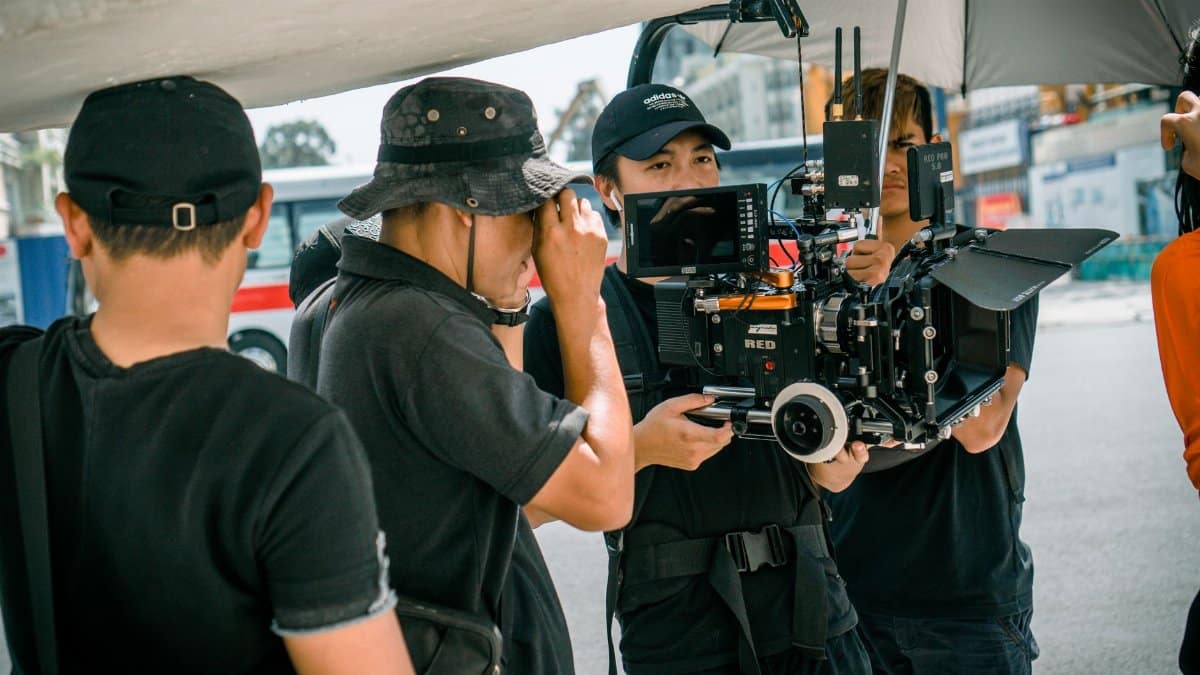
Directors of the Wing Bowl documentary made a deliberate choice to frame the event through the eyes of participants and spectators rather than outsiders seeking scandal. They spent months following training routines family preparations and post contest gatherings. Their approach reveals pride in local customs that outsiders sometimes overlook when they focus only on volume consumed or rowdy cheers.
Competitors Reveal Personal Stakes

Many entrants describe the day as a test of discipline rather than mere indulgence. One longtime champion explains how months of practice build both physical stamina and mental focus. Another shares stories of friends who gather to support each effort creating bonds that last beyond the arena lights. These accounts show why the contest matters to people who return year after year.
Community Bonds Formed in the Stands
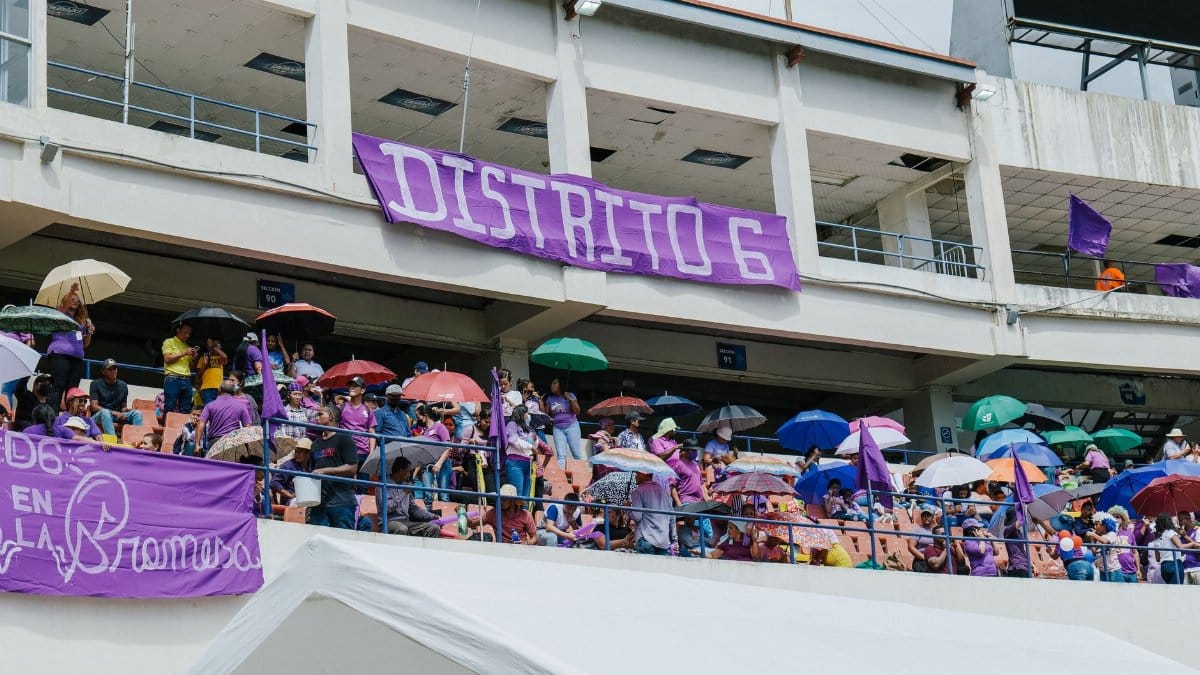
Spectators fill rows with familiar faces from neighborhoods across the region. The Wing Bowl documentary captures conversations between longtime attendees who trade tips on seating and snacks while waiting for the action to begin. Children wave banners beside grandparents who remember earlier editions. Such scenes illustrate how the event functions as a yearly reunion for a broad cross section of residents.
Local Businesses Feel the Annual Lift

Restaurants and suppliers prepare months ahead for the surge in demand. Wing producers adjust schedules to meet orders while nearby vendors set up carts for beverages and side items. The film visits several establishments that rely on the crowds for a meaningful portion of winter revenue. Owners speak of the steady rhythm the contest brings to an otherwise slow season.
Media Coverage Evolves Over Time

Early reports often highlighted spectacle at the expense of context. Recent coverage and this Wing Bowl documentary shift attention toward skill and preparation. Broadcasters now include segments on training methods and community impact. The change mirrors a wider interest in stories that honor local customs without reducing them to caricature.
Challenges of Large Scale Events
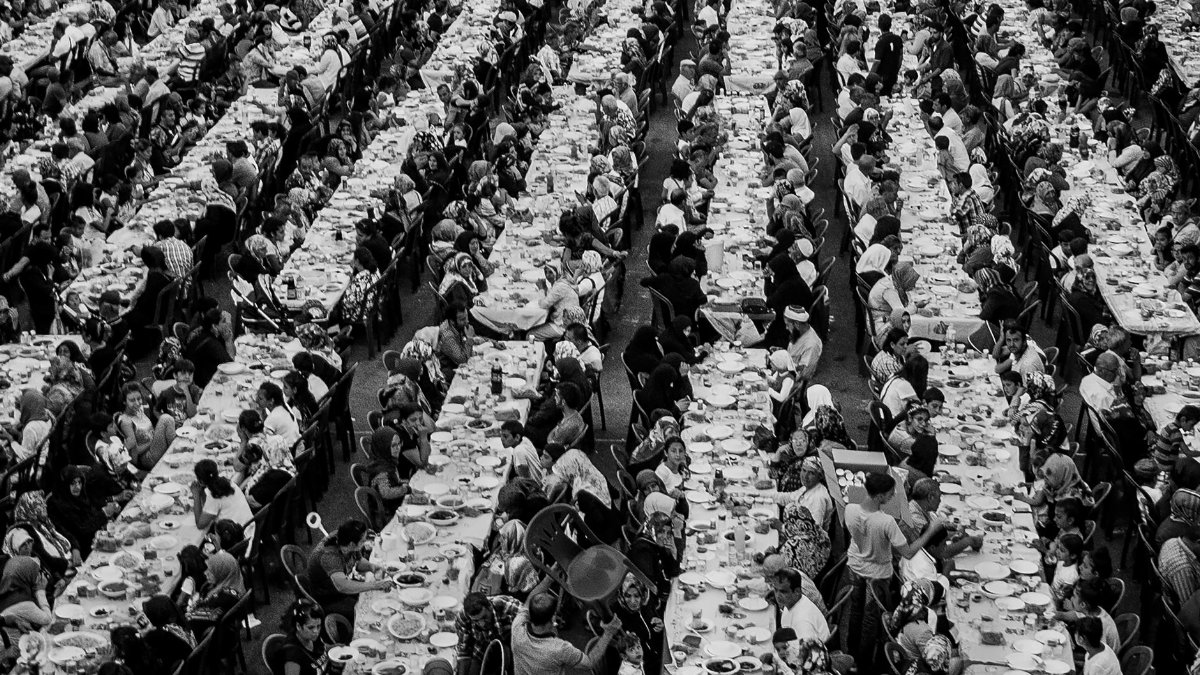
Organizers must manage logistics for thousands of attendees including security seating and waste removal. The documentary follows crews who work through the night to prepare the floor and test sound systems. Their efforts ensure the day proceeds smoothly despite the scale. Viewers gain appreciation for the behind the scenes coordination required to host such gatherings safely.
Audience Reactions Shape Future Editions

Feedback from fans influences rule adjustments and entertainment additions each season. The Wing Bowl documentary records post event surveys and casual discussions that guide planning committees. Organizers note how suggestions from regular attendees keep the format fresh while preserving core elements that define the occasion.
Connections to Broader Food Culture
Competitive eating appears at fairs and festivals nationwide yet Philadelphia version carries its own flavor. The film places the contest alongside other regional food events that celebrate abundance and skill. Participants compare techniques with peers from similar gatherings creating a network of shared knowledge across state lines.
Archival Footage Brings History Alive
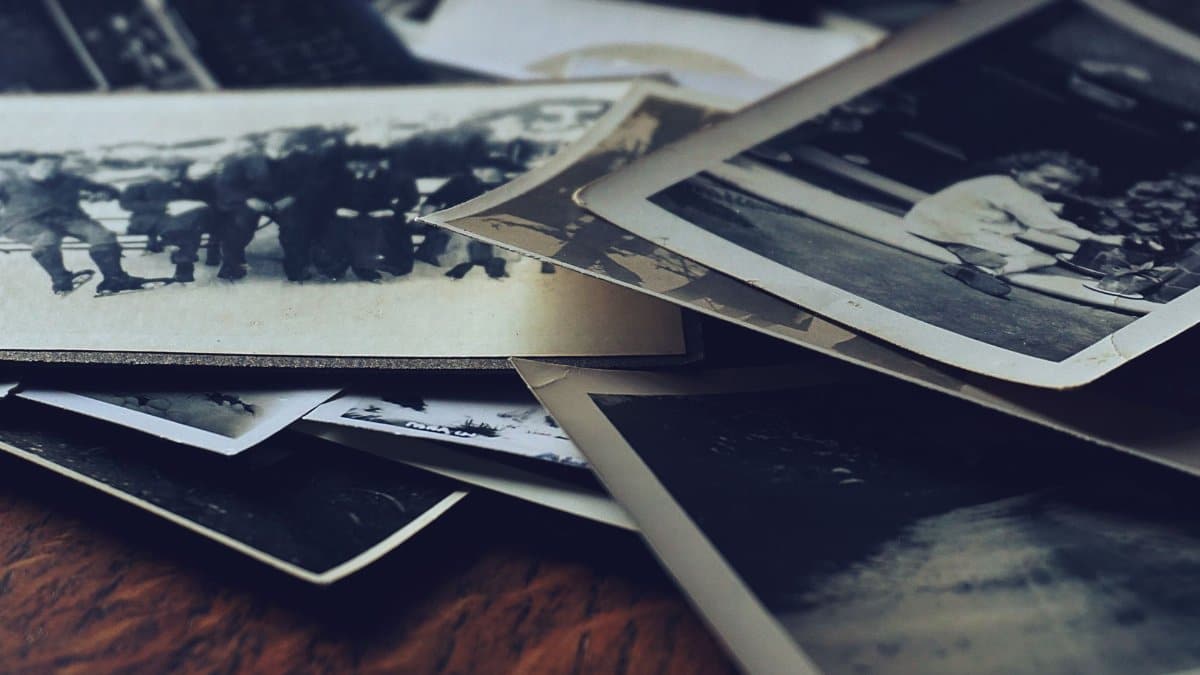
Old broadcasts and photographs anchor the narrative in specific eras. Viewers see how clothing styles arena designs and even wing presentation have shifted. The Wing Bowl documentary uses these visuals to show continuity amid change reminding audiences that traditions adapt while retaining essential spirit.
Personal Reflections From Longtime Observers
Journalists and fans who have covered multiple editions describe the unique energy that fills the space each February. Their comments in the film underscore how the event serves as a marker of time passing for an entire city. Such reflections add depth without overshadowing the main action on the tables.