
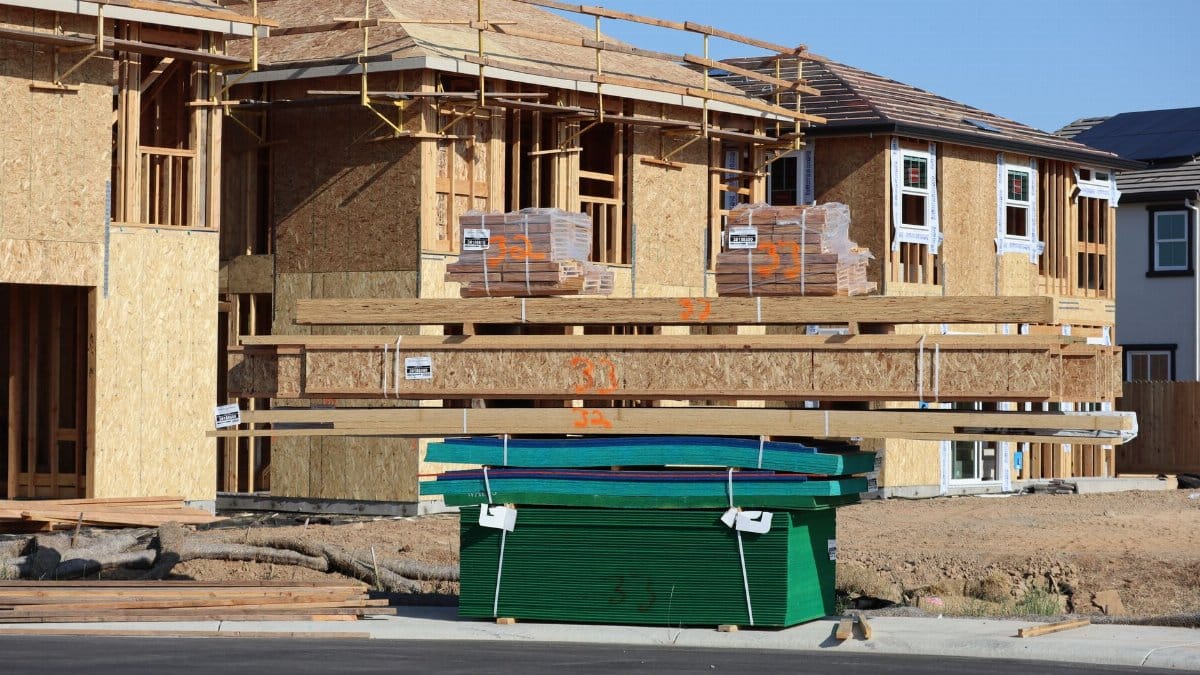
In the rolling hills north of the San Francisco Bay, a once bold vision for thousands of new homes has given way to a sharper focus on heavy industry. Local leaders and investors behind California Forever Solano have quietly shifted their emphasis toward a shipyard and manufacturing complex, seeking faster approvals while pausing the residential side of the effort.
From Housing Dreams to Industrial Reality
The original blueprint called for walkable neighborhoods and open space across thousands of acres in Solano County. Over time the emphasis moved toward facilities that could employ hundreds in skilled trades. County supervisors now weigh legislation that would speed permits for the industrial component while the housing portion waits for further study.
Legislative Push for Quick Approvals
State lawmakers have introduced measures aimed at cutting red tape for the shipyard site. Supporters argue the change would bring stable paychecks to a region that has long depended on agriculture and commuting. Critics counter that the rush leaves little room for public input on traffic, water use and environmental effects.
Job Creation Claims Under Scrutiny

Project backers project several thousand positions once the shipyard reaches full operation. Independent economists note that such forecasts often fall short when supply chains and training pipelines are not yet in place. County staff have asked for updated economic models before any final vote.
Environmental Reviews Take Center Stage

The shift toward manufacturing means new studies on air quality, bay dredging and habitat loss. Wildlife groups have already filed comments asking for longer comment periods. Officials say the reviews will continue even as the housing elements remain on hold.
Local Residents Weigh Mixed Feelings
Some longtime Solano families welcome the prospect of work close to home rather than long drives to the Bay Area. Others worry that large industrial sites will change the rural character that drew them to the county decades ago. Town hall meetings have drawn steady crowds on both sides.
Comparison With Earlier Master Plans

Earlier documents showed wide green belts and mixed use villages. The current industrial emphasis replaces many of those features with fenced yards and loading docks. Planners say the change reflects market signals that favor employment sites over new rooftops right now.
Funding Sources and Investor Expectations
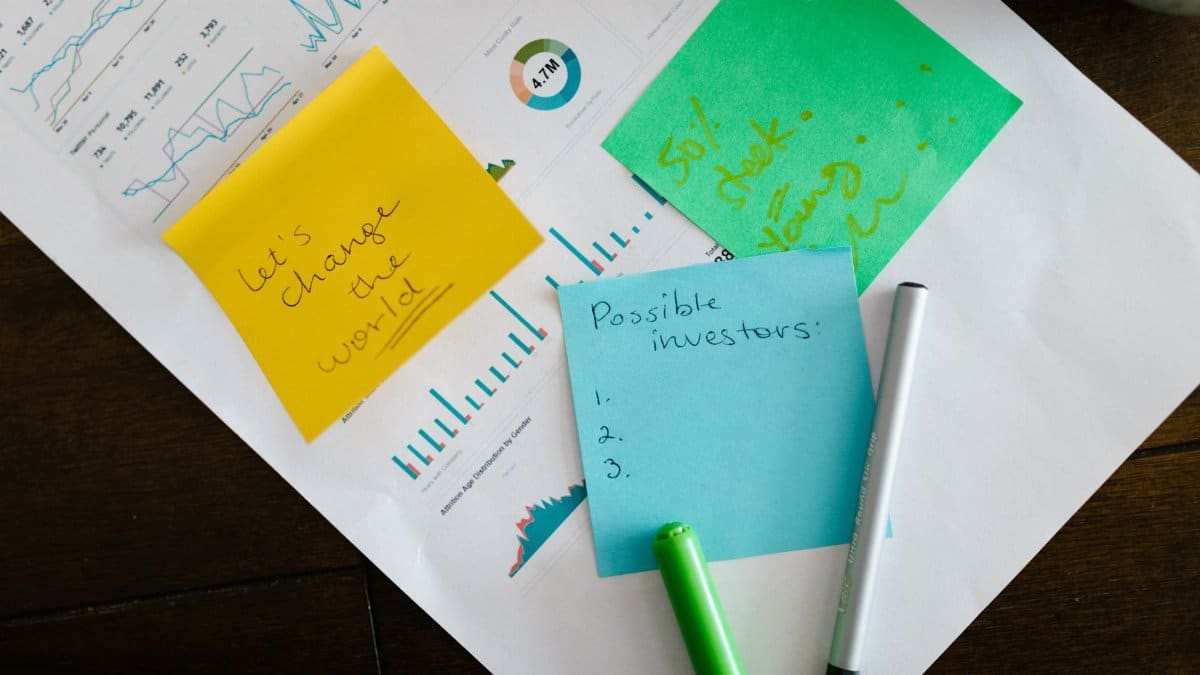
Private capital has backed the effort from the start. Some limited partners are said to prefer quicker returns from industrial leases rather than the longer timeline of home construction. Public records show the group has adjusted its outreach to state agencies accordingly.
Impact on Nearby Agricultural Land
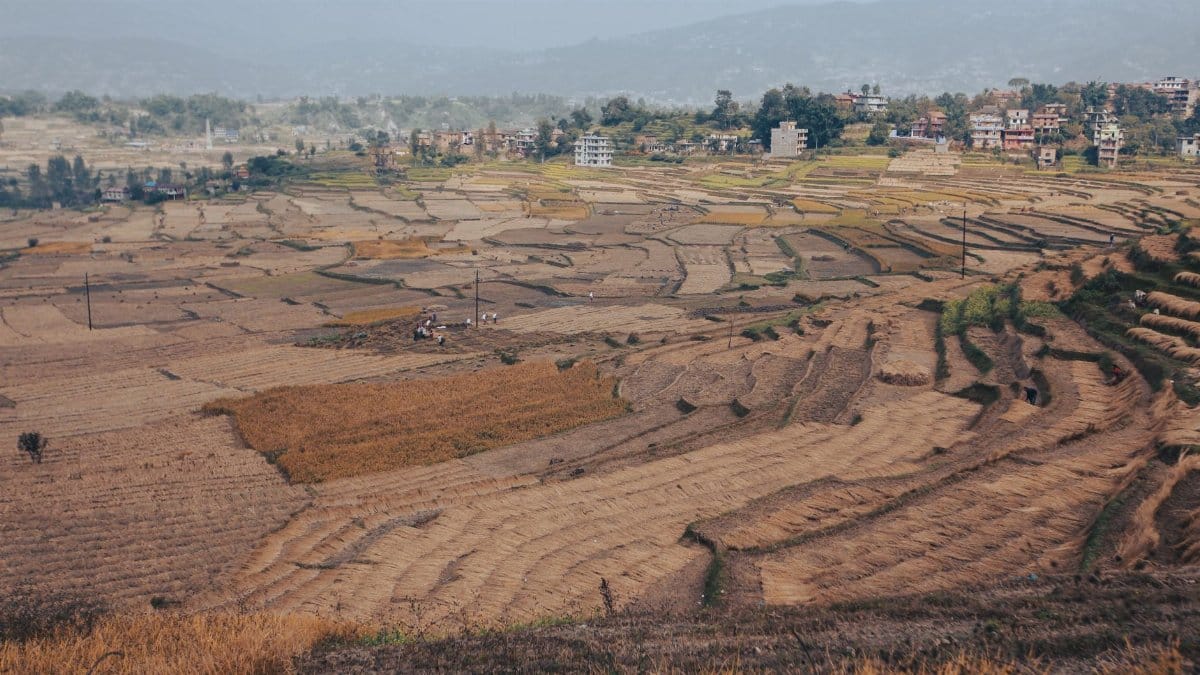
Solano remains one of the states stronger farming counties. Expanded industrial zoning could affect irrigation canals and truck routes used by growers. Farm bureaus have asked for buffer zones and road upgrades to protect existing operations.
Next Steps for County Supervisors

A vote on the fast track legislation is expected within months. If approved, the shipyard could break ground next year while housing talks resume later. Staff have prepared a series of conditions meant to tie future residential phases to infrastructure improvements already completed.
Broader Context for Bay Area Growth
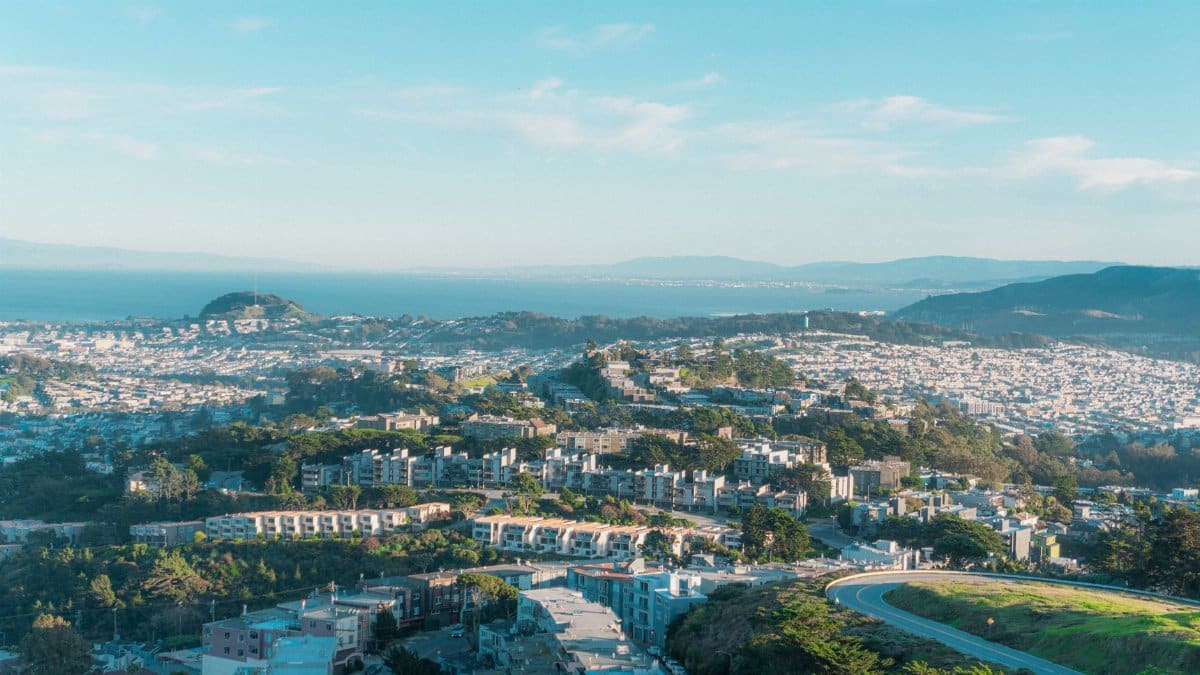
Across the region, cities continue to debate how best to balance jobs and homes. The Solano example shows one path where industrial priorities advance first. Observers will watch whether the same pattern appears in other inland counties facing similar pressure for employment land.