
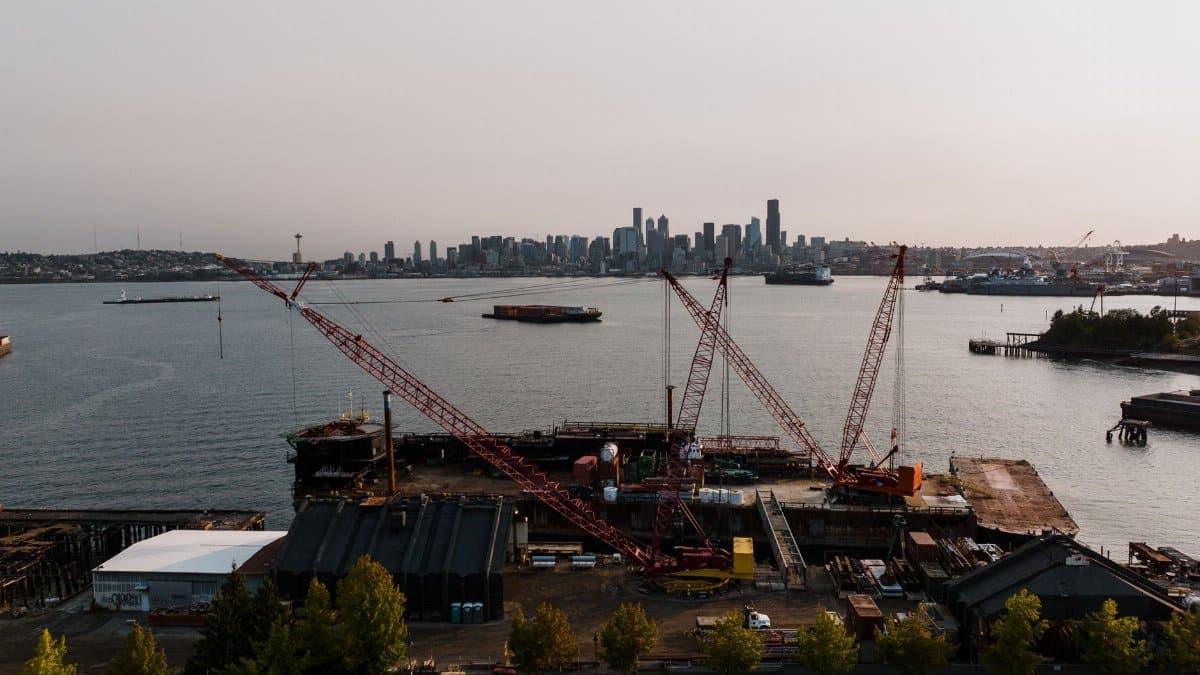
In recent months a notable shift has unfolded along the waterways of Seattle as a prominent defense firm has chosen to step away from a longstanding industrial location. This development follows the termination of a key naval initiative that once promised substantial activity at the site. Observers note that while the company is exiting the specific facility it is maintaining a broader presence in the region. Anduril Shipyard represents one element in this evolving story of adaptation within the local defense sector.
The Decision To Vacate The Facility

The firm cited changes in federal priorities as the primary driver behind its exit from the ship canal location. Company representatives emphasized that resources would be redirected toward other projects aligned with current contracts. Local workers expressed mixed feelings about the news with some viewing it as a temporary setback rather than a permanent loss.
Context Behind The Navy Program Cancellation

Federal officials ended the initiative after a review determined that alternative approaches better served national security needs. This choice affected multiple contractors across the country and prompted a reevaluation of site usage in various ports. Seattle felt the effects directly due to its role as a hub for maritime innovation.
Effects On The Surrounding Maritime Economy
Businesses that supported operations at the facility now face uncertainty regarding future demand for their services. Suppliers and logistics partners are exploring new opportunities while hoping for renewed activity in the area. The departure highlights the interconnected nature of defense work and regional employment patterns.
Company Presence Across Seattle Remains

Despite the move from the specific yard the organization continues to invest in office space and talent acquisition within city limits. Executives have signaled interest in partnerships with local universities and research centers. This approach suggests a strategy focused on flexibility rather than complete withdrawal.
Broader Trends In Defense Contracting

Industry analysts point to increasing emphasis on software driven solutions over traditional hardware development. Such shifts often lead firms to consolidate operations in locations that support rapid iteration and testing. Seattle benefits from its established technology ecosystem which attracts these kinds of enterprises.
Community Responses And Future Outlook

City leaders have begun discussions on how to repurpose the vacated space to support emerging sectors. Public forums have drawn residents eager to share ideas ranging from green energy initiatives to expanded training programs. The goal remains preserving the industrial character of the waterfront while adapting to new realities.
Lessons From Similar Site Transitions

Other ports have navigated comparable changes by fostering public private collaborations that sustain jobs and infrastructure. These examples offer potential models for Seattle as it charts its path forward. Success often depends on early engagement with all stakeholders involved in the process.