
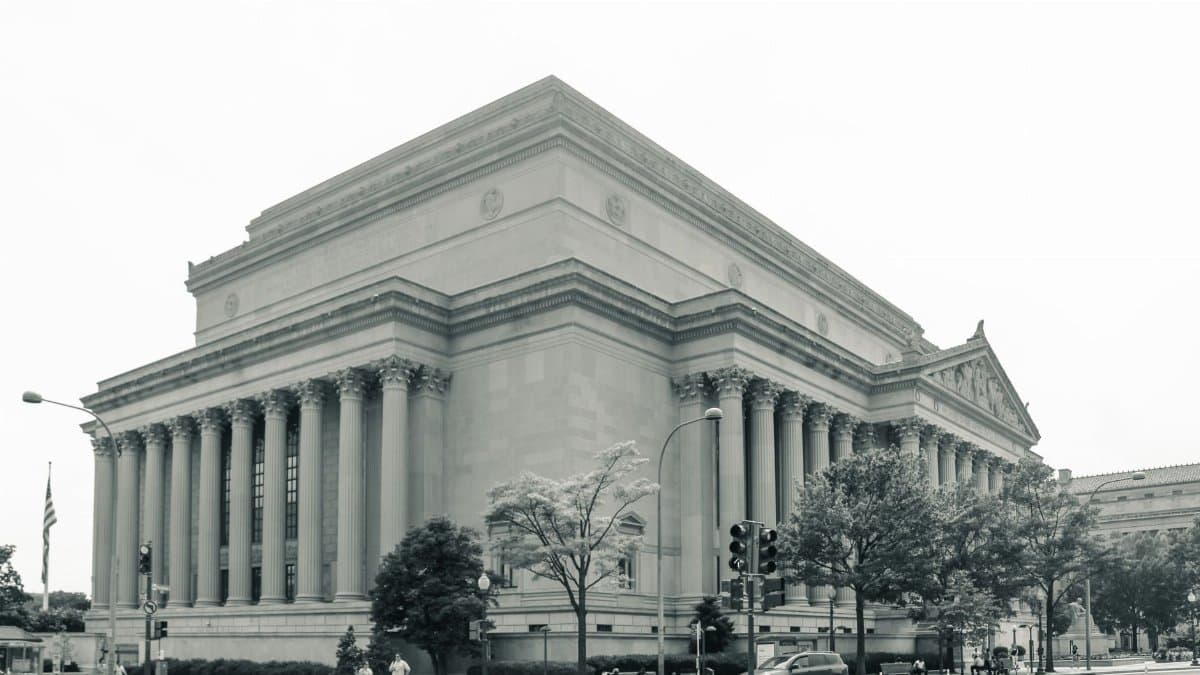
The Pacific Northwest holds countless stories preserved in official records stretching back generations. From land deeds documenting early settlements to military files detailing regional contributions in major conflicts the collections maintained by federal archivists offer irreplaceable insights into American development. Now the National Archives Seattle Relocation is set to unfold as planners finalize an intracity shift aimed at sustaining these resources amid evolving operational demands.
Origins of the Archival Collections in the Region
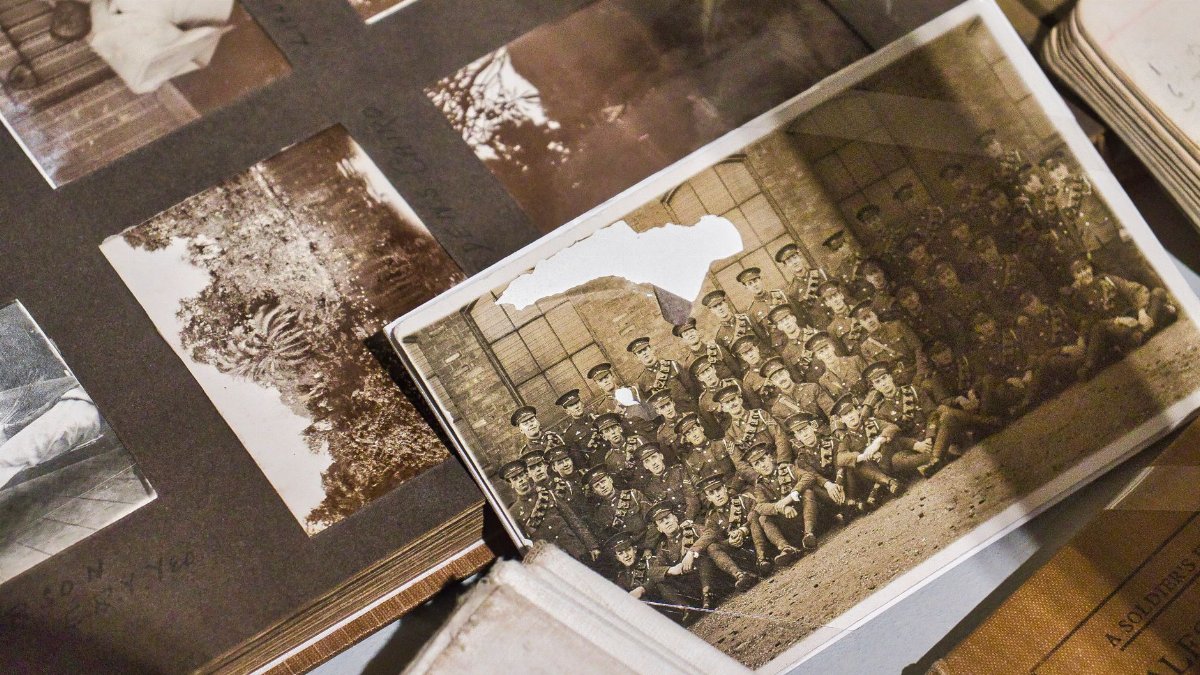
Federal repositories in Seattle have long safeguarded materials central to understanding westward expansion and local governance. These holdings include immigration papers citizenship applications and court documents that researchers rely upon for studies of demographic shifts. The decision to pursue an internal move reflects a desire to upgrade storage conditions without severing ties to the community that depends on them.
Drivers Prompting the Facility Shift

Space constraints and aging infrastructure played key roles in advancing plans for the National Archives Seattle Relocation. Officials noted that current buildings limit options for climate control systems essential to protecting fragile papers from deterioration. By selecting a fresh site within city limits leaders seek to address these shortcomings while avoiding the disruptions of a distant transfer.
Selection Process for the New Site
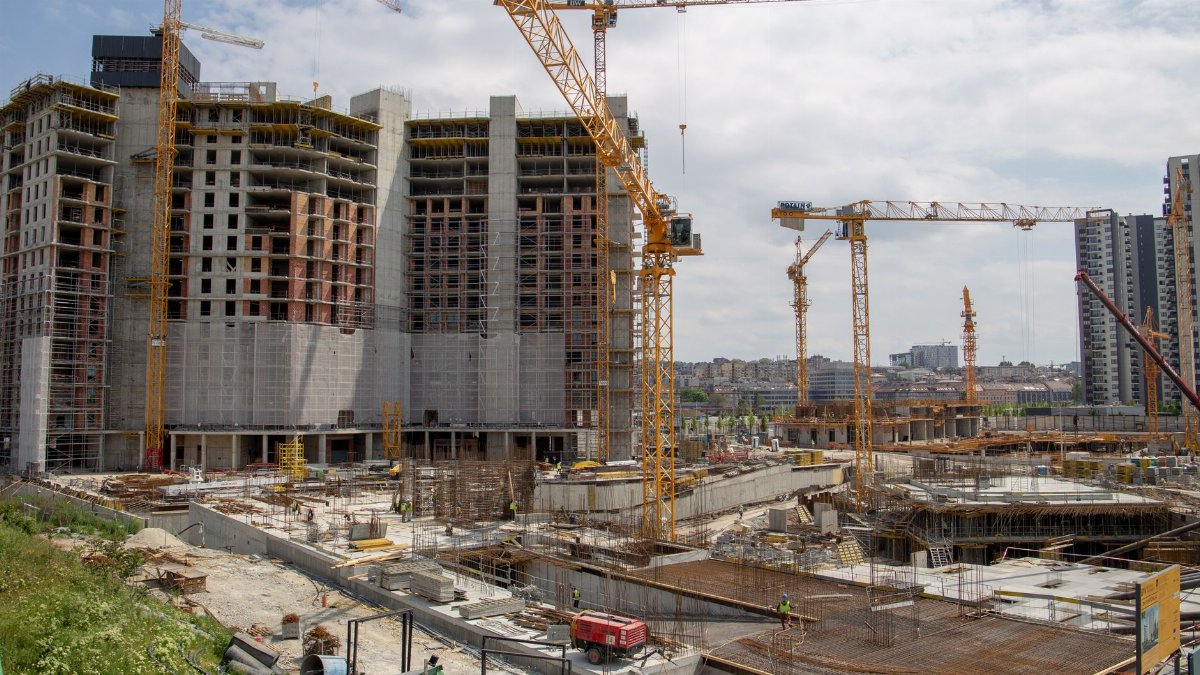
City officials evaluated multiple properties focusing on accessibility security features and room for expanded digital operations. The chosen location emphasizes proximity to public transit routes to encourage visits from scholars students and curious residents. This approach ensures the National Archives Seattle Relocation supports continued engagement rather than creating barriers.
Measures to Protect Historical Materials

Specialized teams are preparing detailed protocols for packing and transporting sensitive items during the National Archives Seattle Relocation. Acid free containers temperature monitoring devices and secure transport vehicles form part of the strategy. Such steps aim to minimize any risk to documents that chronicle everything from Native American treaties to twentieth century labor movements.
Adjustments for Researchers and Visitors

Public access remains a priority throughout the transition with temporary service points established to handle requests. Staff members plan to maintain reference assistance through online portals and scheduled appointments. Once complete the updated facility is expected to feature improved reading rooms and technology stations that streamline document viewing.
Role of Local Partners in the Project
Collaboration with Seattle municipal departments has helped smooth zoning approvals and infrastructure assessments tied to the National Archives Seattle Relocation. These partnerships highlight how federal initiatives can align with city goals for sustainable growth and cultural preservation. Joint working groups continue to address traffic patterns and neighborhood concerns.
Potential Effects on Educational Programs

Schools and universities across the region often draw upon archival resources for classroom projects and independent research. The relocation offers an opportunity to refresh outreach efforts with new exhibits and workshops once operations resume at the updated site. Organizers anticipate stronger ties to regional history curricula as a result.
Long Term Vision for Archival Services
Beyond immediate logistics the National Archives Seattle Relocation supports broader goals of digitization and public outreach. Future phases may include enhanced online catalogs allowing wider audiences to explore holdings without physical visits. This evolution aligns with national trends toward making government records more approachable in an increasingly connected era.