
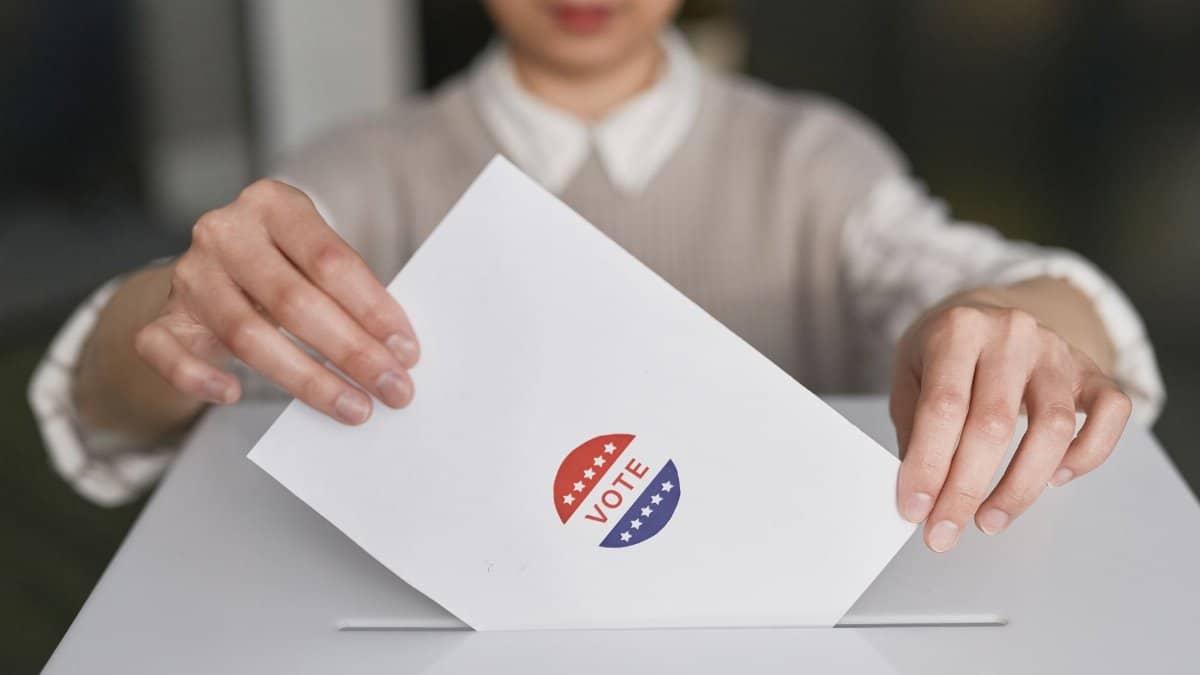
In the corridors of power within Suffolk County a quiet but significant dispute has surfaced over how nomination papers were gathered for an important local official. Employees connected to the district attorneys office appear to have devoted time on the public payroll to securing Suffolk DA signatures for their boss reelection effort. This practice has prompted fresh scrutiny about boundaries between official duties and political activity.
Origins of the Signature Drive

The effort began months before filing deadlines with teams fanning out across neighborhoods to meet state requirements. Reports indicate that some of these teams operated from government offices during regular business hours.
Role of Public Employees

Staff members whose salaries come from taxpayer funds took part in the collection process according to documents and interviews. Their involvement has fueled debate on whether such work crosses ethical lines even if no laws were broken.
Legal Framework Around Campaign Work

Massachusetts rules allow limited political activity by public workers yet draw clear lines against using government time or property for campaigns. Observers note that the line can blur when supervisors direct subordinates in subtle ways.
Impact on Primary Ballot Access
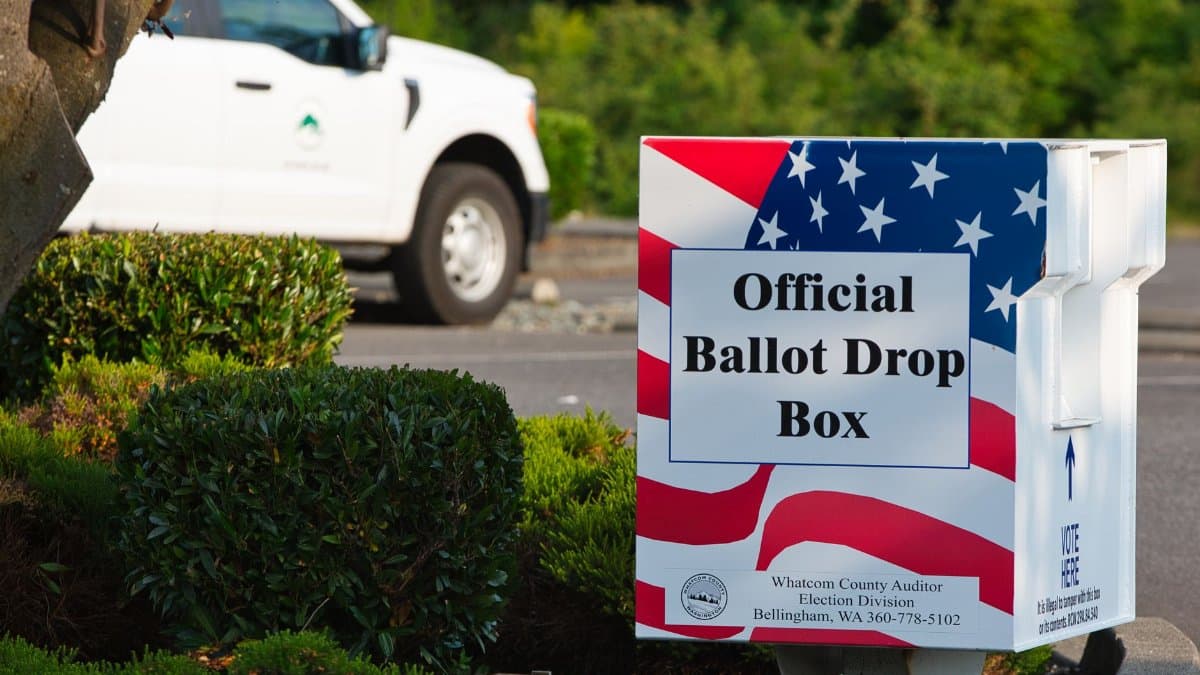
With Suffolk DA signatures in hand the candidate secured a spot on the Democratic primary ballot without apparent difficulty. Critics argue that easier access came at public expense rather than through volunteer networks alone.
Reactions from Watchdog Groups

Good government organizations have called for investigations into the use of office resources. They suggest clearer policies could prevent similar situations in future election cycles across the state.
Broader Questions on Resource Allocation

This episode highlights ongoing tensions in how local agencies manage staff time when election season arrives. Leaders in other districts may now review their own practices to avoid parallel controversies.
Historical Context in Local Politics

Similar issues have arisen in past years involving various offices though few reached the level of formal complaint. The current case stands out because of the volume of papers involved and the direct connection to the district attorneys staff.
Potential Reforms Under Discussion

Some lawmakers have floated proposals to tighten oversight of signature gathering when public workers participate. Others favor training programs that emphasize separation between job responsibilities and campaign tasks.
Public Perception of the Practice

Voters interviewed in recent weeks expressed mixed views with some seeing it as standard political maneuvering and others viewing it as an improper use of public trust. Polls on the topic remain limited at this stage.
Comparison with Neighboring Jurisdictions

Counties outside Suffolk have adopted stricter internal guidelines that bar employees from campaign work during paid hours. Those models could offer lessons for officials seeking to restore confidence.