

In classrooms across the country parents and educators confront difficult conversations when young students encounter bias from their peers. A recent letter to advice columnist Eric highlights one such case involving a fifth grader targeted by a racial epithet classmate during recess. The incident left the child confused and the family searching for guidance on how to respond with care and effectiveness. Such moments test the resilience of families while underscoring the ongoing need for schools to foster respect among students of all backgrounds.
Understanding the Immediate Family Response
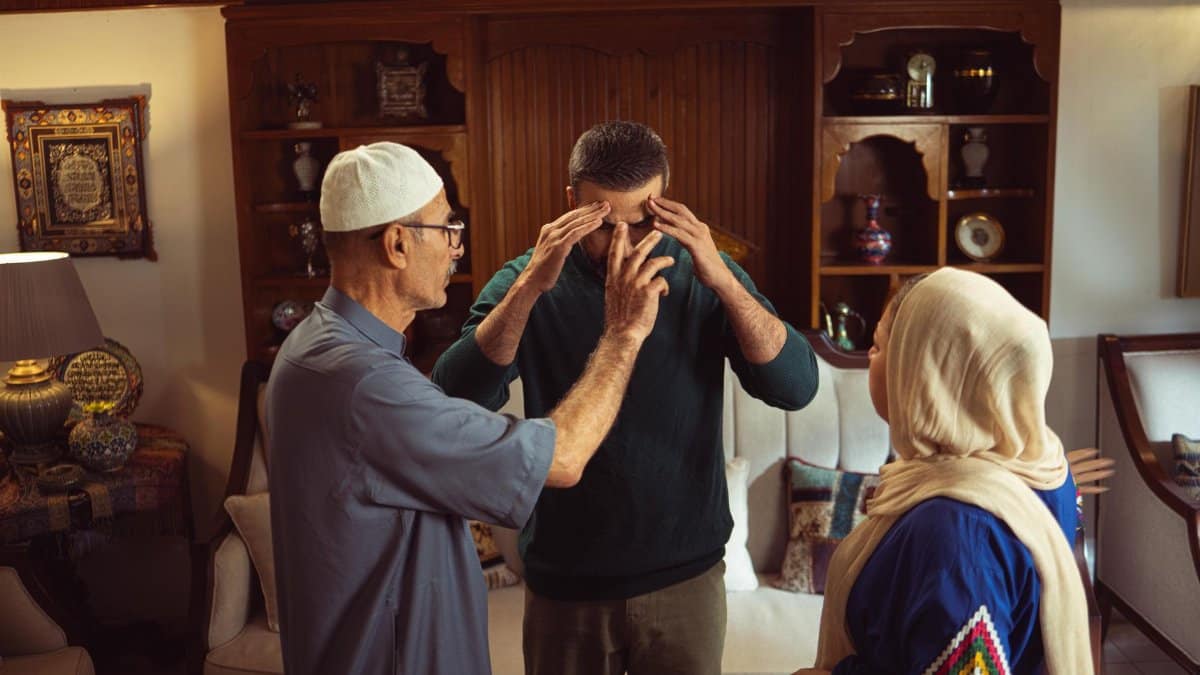
Parents who learn of such an event often feel a mix of anger and uncertainty. The first step involves listening to the child without interruption to grasp the full context of what occurred. This approach allows the young person to express feelings openly and builds trust within the household. Families benefit from framing the discussion around the idea that words carry weight yet do not define personal worth.
School Involvement and Reporting Procedures

Reaching out to teachers or administrators provides an official record of the event. Many districts maintain protocols for addressing bias related incidents that include documentation and follow up meetings. Consistent communication with school staff helps ensure the matter receives proper attention rather than fading into routine discipline.
Teaching Children About History and Language
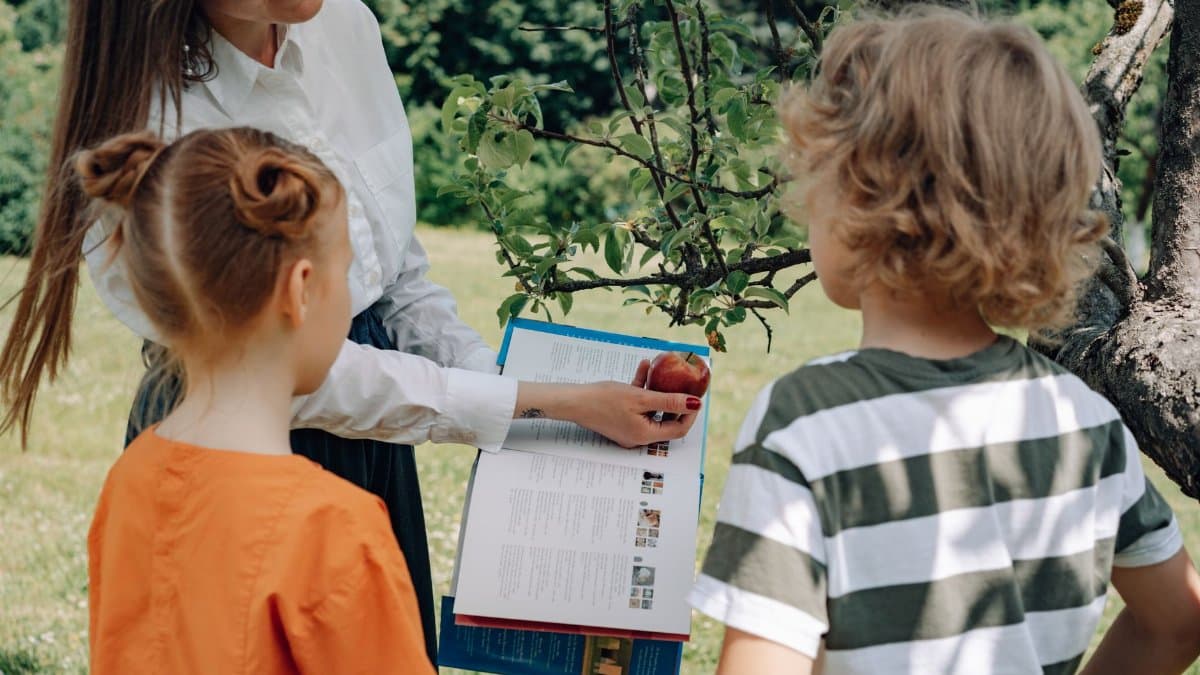
Age appropriate conversations about why certain terms wound deeply can equip kids with knowledge. Books and age suitable resources from libraries offer stories that illustrate the impact of prejudice across generations. These talks emphasize empathy while avoiding overwhelming details that might frighten younger listeners.
Building Resilience Through Community Support
Connecting with local organizations focused on youth development offers additional outlets for the child. Group activities centered on shared interests allow the student to form positive bonds outside the classroom. Such networks reinforce the message that acceptance exists beyond one negative encounter.
Long Term Strategies for Classroom Harmony

Schools that integrate regular lessons on diversity see measurable improvements in peer relations. Teachers trained in conflict resolution techniques can guide students toward constructive dialogue when tensions arise. Ongoing programs rather than one time assemblies tend to produce lasting cultural shifts within the building.
Parental Self Reflection and Modeling Behavior
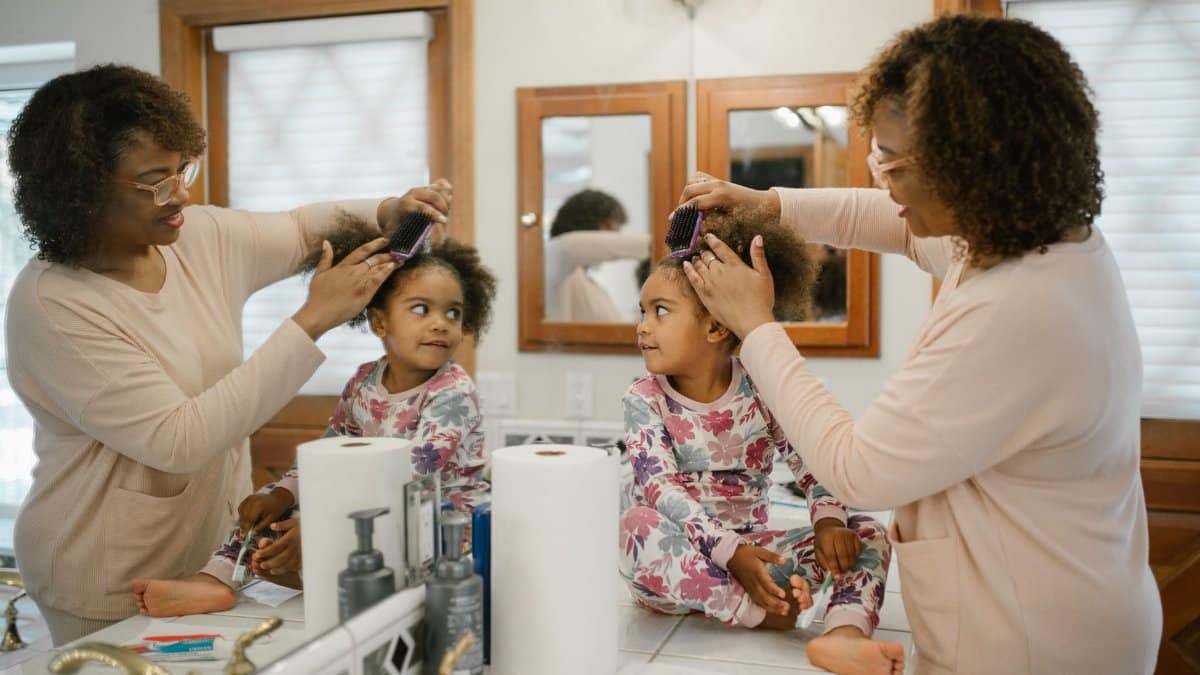
Adults who examine their own reactions set an example for how to handle adversity with composure. Discussing the episode calmly at home demonstrates constructive problem solving. Children absorb these patterns and often mirror them in their own social circles over time.
Resources for Further Guidance and Reading
National education associations provide toolkits aimed at families navigating bias incidents. Online portals hosted by respected child advocacy groups list steps for productive conversations with school officials. Accessing these materials equips parents with language and strategies tailored to elementary age students.
Monitoring Emotional Well Being Over Time

Follow up check ins with the child reveal whether the experience lingers or resolves naturally. Professional counselors specializing in youth issues stand ready when additional support seems warranted. Early attention prevents small wounds from growing into larger barriers to learning and friendship.