

In the unfolding drama of Minnesota Republican politics, candidates often stumble not from their own errors but from the aggressive posturing of those around them. House Speaker Lisa Demuth found herself in just such a position this cycle. With several rivals pushing hardline views that narrowed their appeal, space opened for a steadier alternative. The Demuth governor nomination became the result of that dynamic, allowing her to consolidate support among voters seeking broader electability in the general election contest ahead.
Early maneuvering among contenders

From the outset several figures entered the contest with bold declarations on taxes and social issues. These stances energized core activists yet left little room for outreach beyond that base. Observers noted how each new announcement from the field seemed to highlight contrasts rather than common ground. Demuth maintained a lower profile during this phase, focusing instead on legislative achievements that resonated across districts.
Voter priorities in key regions

Surveys conducted in suburban and rural counties revealed consistent concerns over education funding and economic stability. Candidates who emphasized divisive cultural topics struggled to connect on these practical matters. This mismatch created an opening that Demuth filled through measured commentary on state budgets and local control. Her approach avoided the sharper edges that defined other campaigns.
Legislative record as foundation
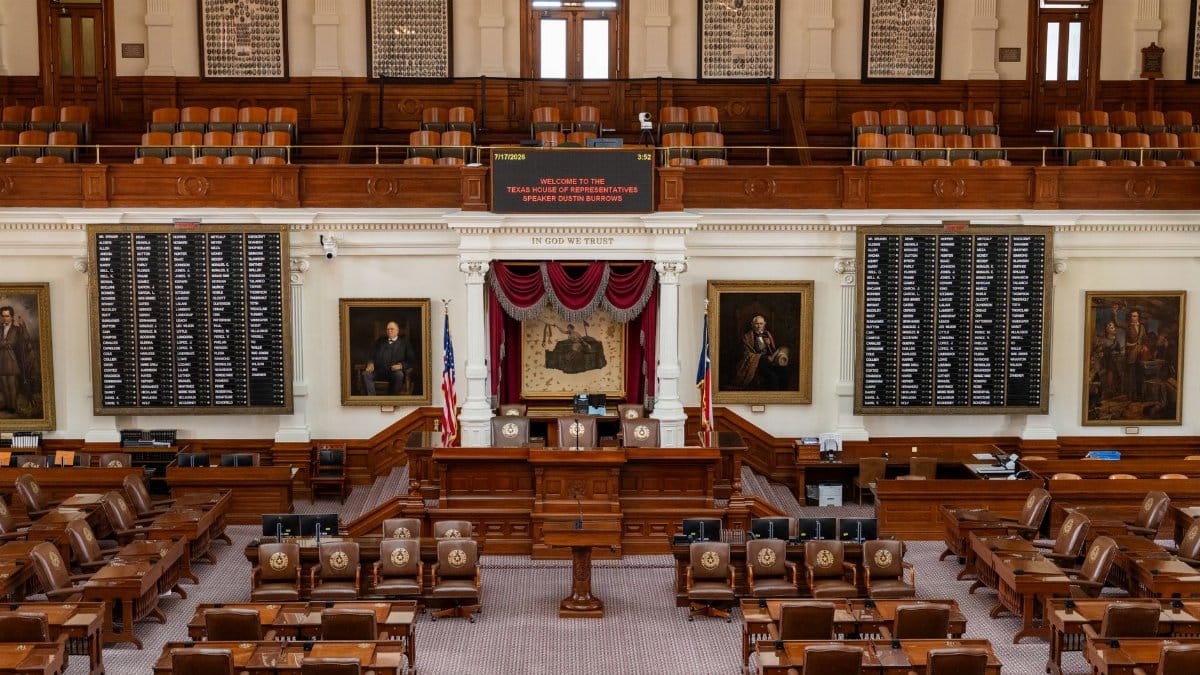
Years spent guiding bills through the House gave Demuth a record of tangible results rather than promises. She advanced measures on workforce development and infrastructure that appealed to business interests and labor groups alike. This history stood in relief against opponents whose experience remained limited to advocacy or local offices. The contrast helped frame the Demuth governor nomination as a logical extension of proven service.
Impact of primary debate formats

Public forums during the summer exposed differences in tone and substance. While some participants traded pointed attacks, Demuth stressed collaboration and incremental progress. Audience reactions suggested many attendees preferred the latter style when envisioning a general election matchup. Media coverage amplified this perception, shifting attention toward her as the more unifying option within the party.
Endorsement patterns and donor shifts

Support from county organizations and trade groups began to consolidate earlier than expected. Initial backers of more outspoken rivals quietly redirected resources once polling indicated limited viability. This realignment occurred without fanfare yet proved decisive in building momentum. Demuth benefited from these transfers while maintaining distance from intra party friction.
Media coverage and narrative control

Local outlets emphasized electability as the election neared, a theme that aligned closely with Demuth public statements. Rivals received attention for provocative remarks that sometimes overshadowed policy substance. The resulting storyline portrayed her as the steady choice amid a crowded field. This framing helped sustain positive visibility without requiring aggressive self promotion.
General election implications
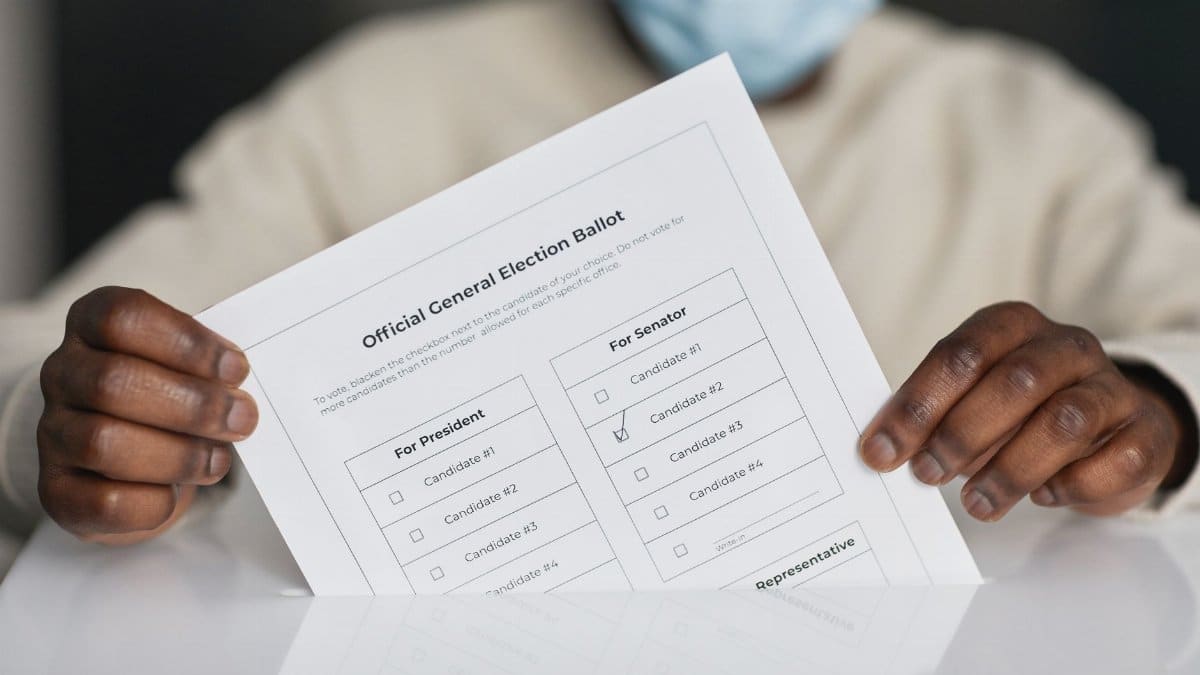
With the nomination secured, attention turns to how Demuth positions herself against Democratic opponents. Her emphasis on shared priorities offers a template for reaching independent voters. The earlier dynamics that shaped the Demuth governor nomination may continue to influence strategy in the months ahead. Success will depend on sustaining broad coalitions rather than narrowing them.
Lessons for future contests

Political analysts point to this cycle as an example of how crowded fields can reward restraint. Candidates who avoid overreaching on divisive themes may find greater room to maneuver. The experience underscores the value of legislative tenure when voters weigh options. Such patterns often repeat across states facing similar primary dynamics.