

In city halls across the nation leaders often face tough arithmetic when revenues fall short of needs. Minneapolis now confronts such a moment with proposals that would trim spending while raising taxes on homeowners to balance accounts. Mayor Jacob Frey recently outlined a plan calling for Minneapolis budget cuts that affect staffing and programs even as property taxes rise sharply to address a projected shortfall in the coming years. Residents may wonder how these shifts alter daily life from parks to policing and beyond. The discussions highlight broader pressures on municipal finances in an era of rising costs and uncertain state aid. Observers note that similar patterns appear in other midwestern cities struggling to maintain services without overburdening taxpayers.
Proposed Reductions Across Departments

The plan targets over one hundred positions for elimination in various agencies to trim expenses by millions. Police and fire departments face some of the largest adjustments though details remain under review by council members. Library branches and recreation centers could see reduced hours as part of the overall effort to align spending with available funds.
Property Tax Adjustments and Homeowner Impacts
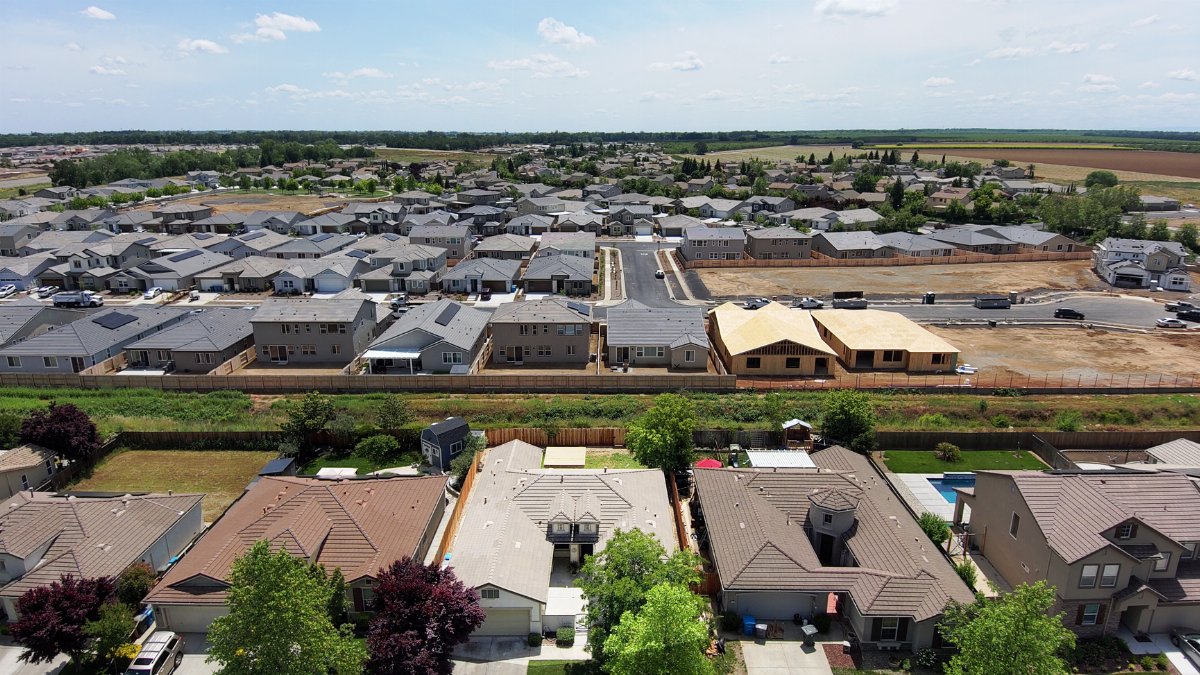
An 11.3 percent increase in property taxes forms a key element to generate additional revenue for the two point three billion dollar budget. Many households will notice higher annual bills starting next year depending on assessed home values. City analysts project the change will help close a structural gap that has grown over recent budget cycles.
Staff Reductions and Service Delivery Changes

Over one hundred jobs would disappear under the proposal affecting roles from administrative support to frontline operations. Union representatives have voiced concerns about workload increases for remaining employees. Officials emphasize that core functions such as emergency response will stay intact despite the streamlining.
Background on Fiscal Pressures
Revenue shortfalls stem from factors including slower economic growth and higher operational costs in areas like health care for city workers. Previous budgets relied on temporary measures that no longer suffice for long term stability. The current proposal aims to create a more sustainable framework for future planning.
Public Response and Community Meetings

Residents have begun attending forums to express views on the tradeoffs involved in balancing the books. Some prioritize maintaining social programs while others focus on keeping tax burdens reasonable. Feedback gathered now will influence final decisions by the city council later this fall.
Comparisons With Nearby Municipalities
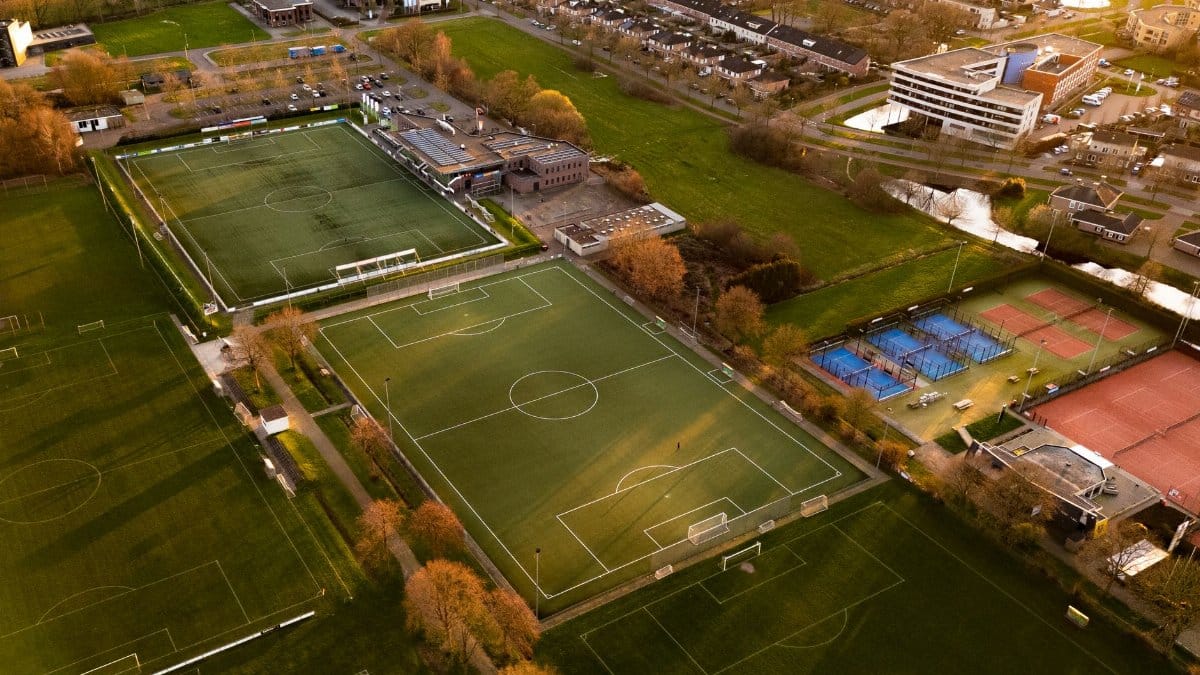
Other cities in the region have adopted different mixes of spending trims and revenue measures to address similar gaps. Minneapolis officials have studied those examples while crafting their approach. Unique local priorities such as public safety investments shape the final package.
Potential Effects on Vulnerable Populations
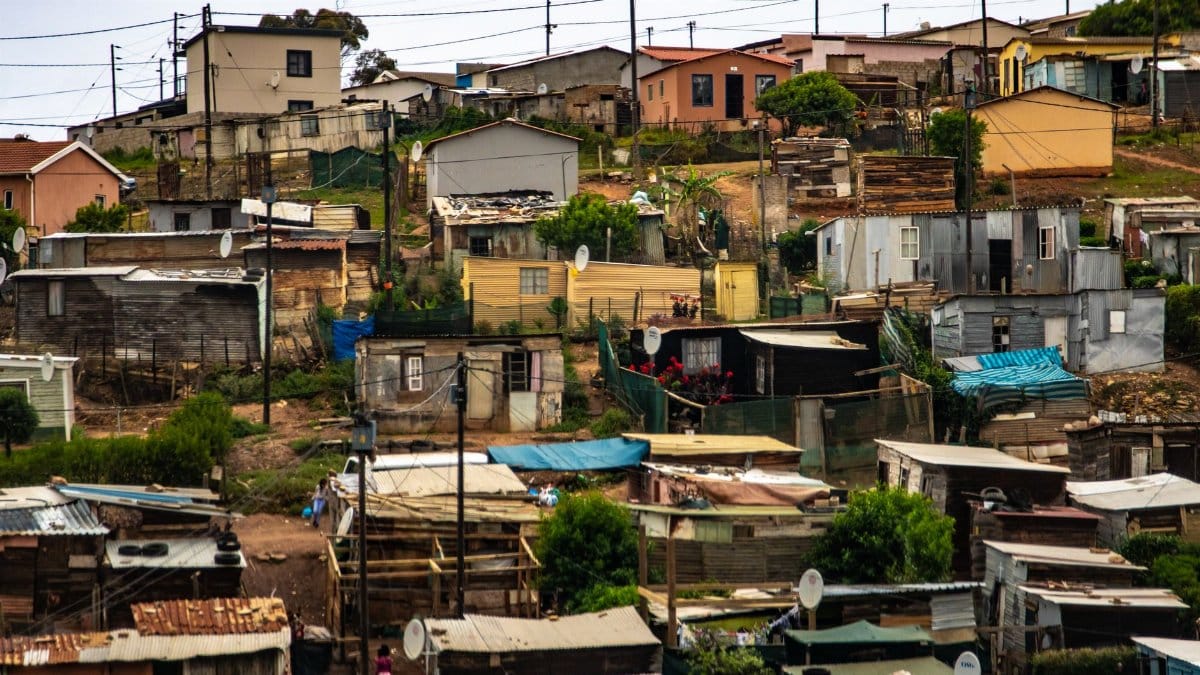
Cuts to certain social services could affect access for low income families and seniors who rely on city supported initiatives. Advocates argue for protections in those areas during upcoming negotiations. The administration maintains that essential safety nets will receive priority in allocations.
Next Steps in the Approval Process

Council review sessions are scheduled to examine line items and gather expert testimony. Amendments remain possible before a vote sets the budget for the upcoming cycle. Transparency in these deliberations allows broader participation from interested parties.
Longer Term Outlook for City Finances

Without structural reforms recurring shortfalls may require repeated adjustments in coming years. Economic development efforts could help expand the tax base over time. Leaders continue to explore partnerships with state and federal sources for additional support.