

In the suburbs around Baltimore residents and officials are considering the effects of large scale technology facilities. Seven Democratic nominees for the Baltimore County Council have come together to support extending the data center moratorium. Their joint statement highlights worries about power demands water use and changes to neighborhood character in a region already facing growth pressures. This unified stance comes ahead of primary elections and reflects broader conversations about balancing economic opportunities with resident protections.
Origins of the Current Policy

The pause on new data center projects began last year after concerns arose over electricity consumption and land development. County leaders at the time sought expert reviews on how such facilities might affect local utilities and open spaces. The measure was intended as a temporary step to gather facts before further approvals.
Who Supports the Extension

The seven candidates represent various districts and share a common view that additional study time would benefit everyone involved. They point to ongoing assessments by planning staff and independent consultants. Public meetings have drawn crowds eager to voice opinions on future projects.
Potential Effects on Local Resources

Analysts note that data centers require substantial electricity and cooling water which could strain existing systems in Baltimore County. Officials are examining upgrades needed for power lines and treatment plants. Some estimates suggest significant investments would be required to handle increased loads without service disruptions.
Community Views and Input Sessions
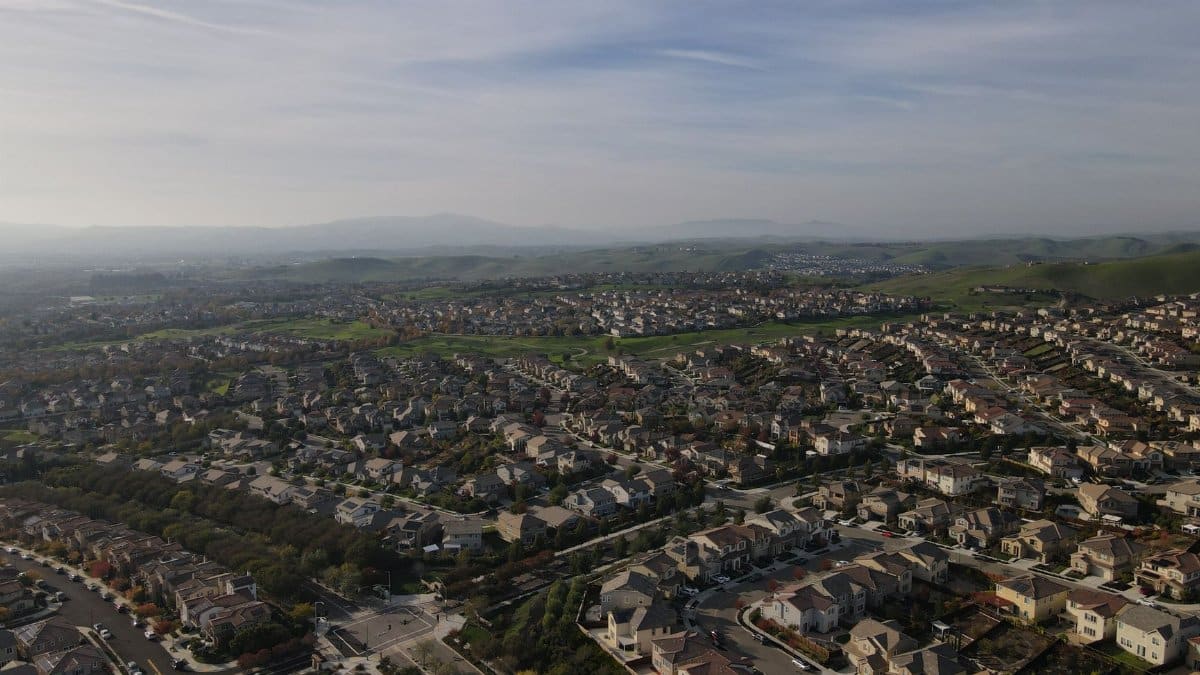
Residents have attended forums to discuss traffic noise and visual impacts from proposed buildings. Many express a desire for clearer rules on setbacks and landscaping. These gatherings have helped shape the candidates platform for measured growth.
Economic Factors at Play

Proponents of data centers cite job creation and tax revenue as advantages for the county budget. Yet candidates argue that short term gains must be weighed against longer period costs like infrastructure maintenance. Diversifying local industry remains a key talking point.
Comparisons with Nearby Areas
Other jurisdictions in the middle Atlantic region have adopted similar pauses to evaluate technology projects. Baltimore County leaders are reviewing those experiences for useful lessons on policy design. This approach allows adaptation based on observed results elsewhere.
Next Steps for County Leadership

Following the primaries the new council could vote on the extension proposal early next session. Staff reports and legal reviews will inform the discussion. Continued public engagement is expected throughout the process.
Broader Implications for Technology Growth

The debate touches on national trends in digital infrastructure expansion. Local decisions here may influence how similar issues are handled in comparable suburban settings. Balanced policies could serve as models for sustainable development practices.