
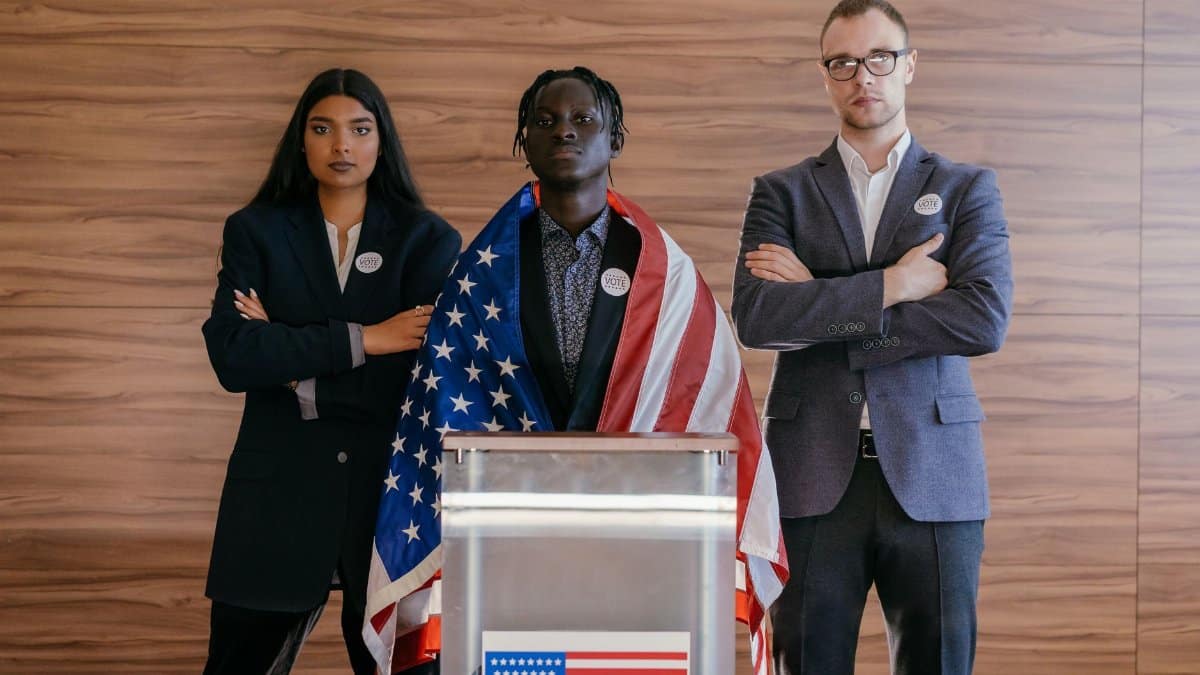
In the heart of Detroit where generations have built lives around vehicle production union members now confront questions of accountability and reform. As candidates campaign for the top leadership role their remarks on the UAW monitorship reveal deep divisions over the proper balance between independence and external guidance.
Origins of Federal Involvement
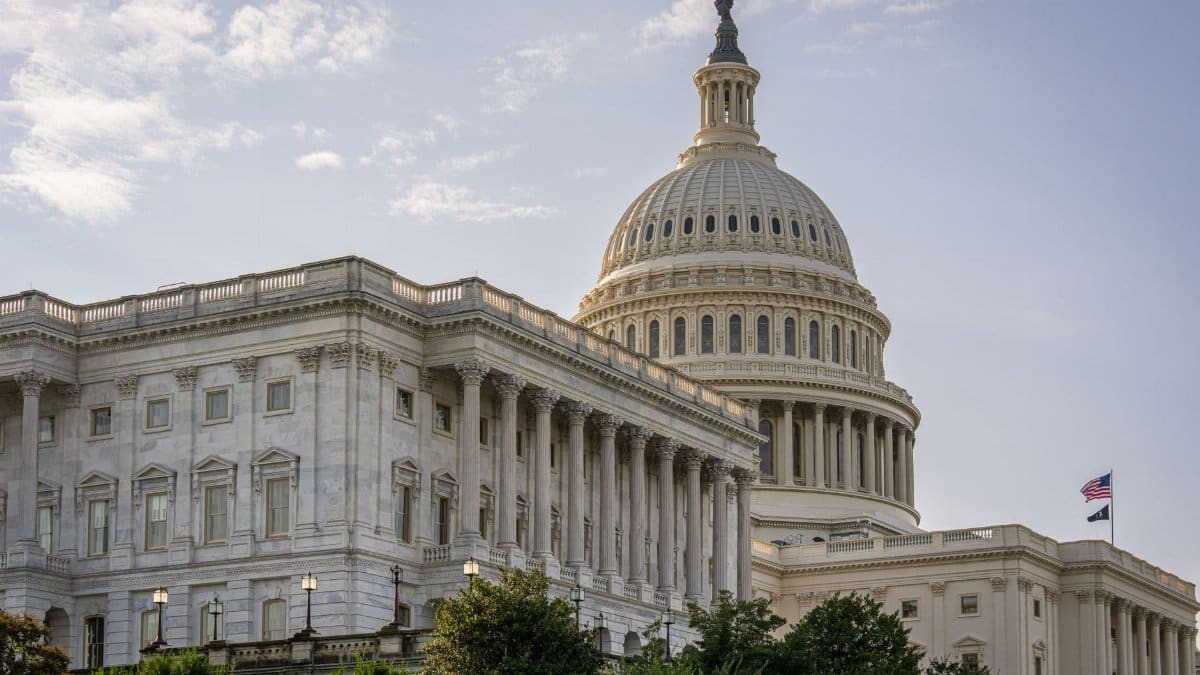
The federal presence stems from past scandals that eroded trust among members and the public. Oversight began after revelations of corruption at high levels prompting a court approved agreement to install monitors who review finances and elections.
Candidate Positions on Duration

Some aspirants argue that the UAW monitorship should end soon to restore full autonomy. Others insist on an extended period to solidify new ethical standards and prevent any return to old practices that harmed the organizations reputation.
Impact on Daily Union Operations
Monitors have examined contracts and spending patterns across locals. This scrutiny has altered how officials conduct meetings and allocate resources forcing greater documentation and reducing opportunities for unchecked decisions.
Member Sentiments Across Regions

Workers in Midwest plants express cautious support for continued oversight while those in southern facilities often voice frustration with delays in contract talks. Surveys indicate divided opinions based on personal experiences with past leadership.
Financial Transparency Measures

Under the UAW monitorship detailed audits have become routine. Reports show improved tracking of dues revenue and expenses though some candidates worry that such layers of review slow down responses to urgent member needs.
Future of Internal Reforms
Leadership hopefuls outline plans for ethics training and term limits. They tie these proposals to the question of when the UAW monitorship can safely conclude without risking backsliding into previous problems.
Comparison with Other Labor Groups

Similar oversight arrangements exist in a handful of other large unions. Lessons from those cases suggest that gradual withdrawal of monitors works best when new governance structures prove stable over multiple election cycles.
Potential Political Ramifications
The outcome of the current race could influence federal labor policy for years. Lawmakers watch closely because the UAW monitorship serves as a test case for how government can address union corruption without overreaching into private organizations.
Challenges in Communication

Candidates struggle to explain complex legal terms to rank and file members. Town hall meetings often turn to practical questions about wages and benefits rather than abstract debates over the proper length of the UAW monitorship.
Looking Ahead to Elections
Voting begins in coming months and the debate over oversight remains central. Whatever the result the next president will inherit both the benefits and constraints of the current monitoring framework as the union seeks renewed strength.