
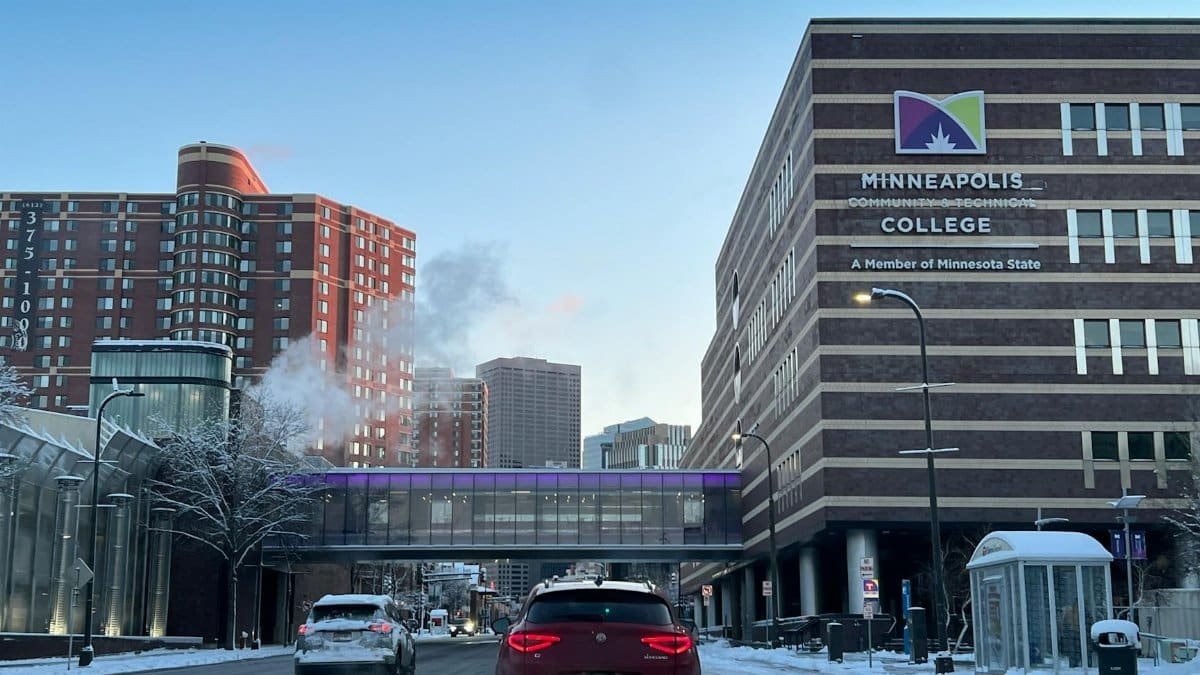
In the hushed chambers where local power takes shape, a familiar drama prepares for its next act. The Minneapolis City Council returns with fresh mandates and lingering questions as the city continues to test the outer limits of progressive governance. What unfolds now carries weight far beyond municipal borders. Many residents view this moment as more than politics. They see an opportunity for genuine healing and moral clarity after years of tension and transformation. The council must balance bold vision with practical delivery at a time when trust in institutions has grown fragile. Citizens of all ages watch to see whether elected leaders can move past division toward shared purpose.
Progressive Leadership Finds New Footing
The Minneapolis City Council has carved out a national reputation for testing ideas once considered radical. Initiatives focused on equity and community wellness now serve as reference points for other cities. This term brings a slate of members committed to expanding those efforts. Their approach draws from a deep belief that governance should reflect core human values of dignity and mutual care. Rather than simply managing services the council seeks to address root causes of inequality. Recent policy discussions have centered on how city resources can support neighborhoods long neglected. These conversations carry an almost spiritual dimension for many participants who speak of restoring balance and fostering genuine connection across divides. Early signals suggest an emphasis on collaborative models that invite broader participation from residents often left out of traditional decision making processes.
Healing Divides After Years of Tension

Recent history left deep marks on the civic landscape. The Minneapolis City Council faced intense scrutiny following widespread calls for change. Acrimony sometimes overshadowed progress yet also revealed the passionate stakes involved. Today many leaders acknowledge the need for internal reconciliation before meaningful external work can advance. Public meetings now include structured opportunities for reflection and dialogue. Some members have turned to facilitators trained in conflict transformation to guide difficult discussions. This focus on healing mirrors larger societal yearnings for renewal after disruption. Residents report cautious optimism when they see officials model the respect they demand from others. The path remains challenging but the current season shows greater awareness that sustainable policy emerges only from relationships built on trust.
Public Safety Through a Lens of Compassion

Few topics generate more heat than questions of safety and policing. The Minneapolis City Council continues refining its approach to these matters with emphasis on prevention and community rooted responses. New proposals expand mental health support and violence interruption programs staffed by civilians. Data from similar efforts in other municipalities suggests these strategies can reduce harm while building stronger neighborhood bonds. Council members argue that true security arises when people feel seen and valued rather than simply monitored. This perspective resonates with spiritual traditions that prioritize restoration over punishment. Budget allocations reflect these priorities though debate continues about proper balance with emergency response capabilities. Observers note that the current cohort appears more unified in pursuing alternatives to purely enforcement based models than in previous cycles.
Housing Policy as Moral Imperative
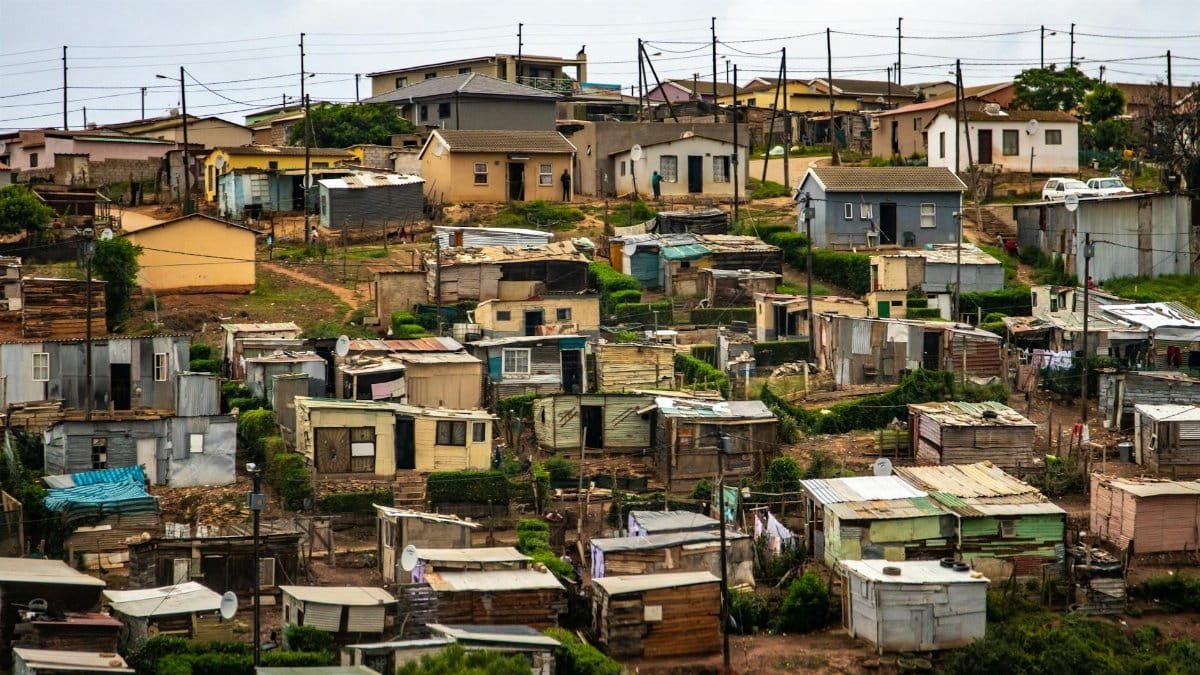
Affordable housing stands at the center of the councils current agenda. Members describe stable shelter not merely as policy but as foundation for human flourishing. Proposed measures include stronger tenant protections and incentives for construction of deeply affordable units. The Minneapolis City Council has studied successful models from cities that treated housing as essential infrastructure rather than market commodity alone. Advocates frame the work in terms of justice and communal responsibility. They point to families forced into impossible choices between rent and food as evidence that current systems require fundamental repair. Legislative packages under consideration aim to prevent displacement while encouraging new development that serves existing residents. Success here could influence how other mid sized cities address similar pressures in coming decades.
Community Voices Gain Stronger Platform
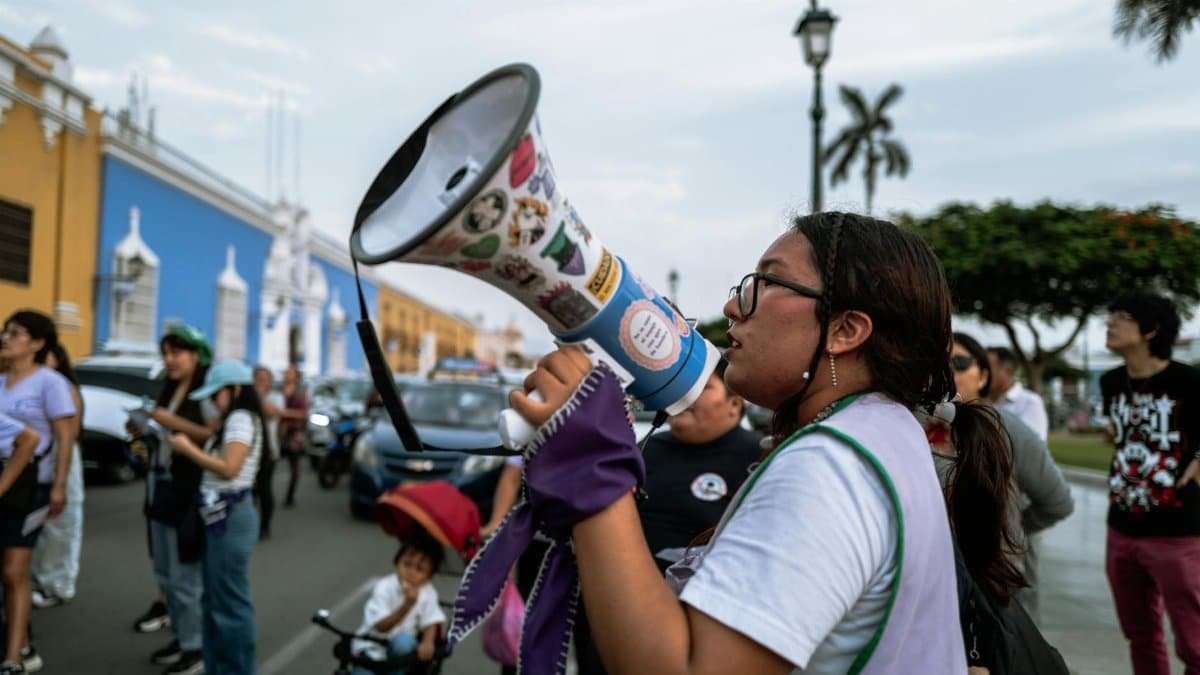
Genuine engagement with residents has become a hallmark of the current Minneapolis City Council. Town halls now incorporate translation services and childcare to remove common barriers. Digital platforms allow participation for those unable to attend in person. Leaders credit these changes with surfacing insights that professional staff might otherwise miss. Neighborhood groups report feeling more ownership over outcomes. This shift aligns with spiritual notions of collective wisdom and the belief that every voice carries value. Policy ideas ranging from urban agriculture to youth mentorship programs have emerged directly from these exchanges. The council appears committed to institutionalizing these practices so they survive changes in leadership. Early evidence indicates higher satisfaction levels among participants though scaling the model citywide remains an open question.
Internal Dynamics Test Unity

Despite public alignment on broad values the Minneapolis City Council still experiences friction. Differing priorities among districts create natural tensions. Personality clashes occasionally complicate proceedings. Those who follow local politics closely note that procedural disputes sometimes mask deeper philosophical disagreements about pace and scope of change. Yet this term has shown promising signs of improved communication. Several members have formed working groups that cross traditional factional lines. These smaller settings allow for nuance often lost in full council debate. The ability to disagree while maintaining productive relationships may ultimately determine success more than any single policy victory. Veterans of city politics suggest the current mix of experience and fresh perspective offers fertile ground for growth if members choose collaboration over posturing.
National Attention Brings Added Pressure
Minneapolis occupies an unusual place in the American imagination. The Minneapolis City Council operates with awareness that cameras from across the country can swing toward it at any moment. This spotlight creates both opportunity and burden. Progressive organizations hold the city as proof that bold reform can take root. Critics watch for any stumble to argue such experiments inevitably fail. Council members report the external scrutiny influences their calculations though most insist decisions must remain grounded in local needs. International visitors have come to study everything from participatory budgeting to equity impact assessments. The resulting exchange of ideas enriches local conversation while adding layers of expectation. How the council navigates this visibility will shape its legacy for years ahead.
Ethical Leadership in Complex Times
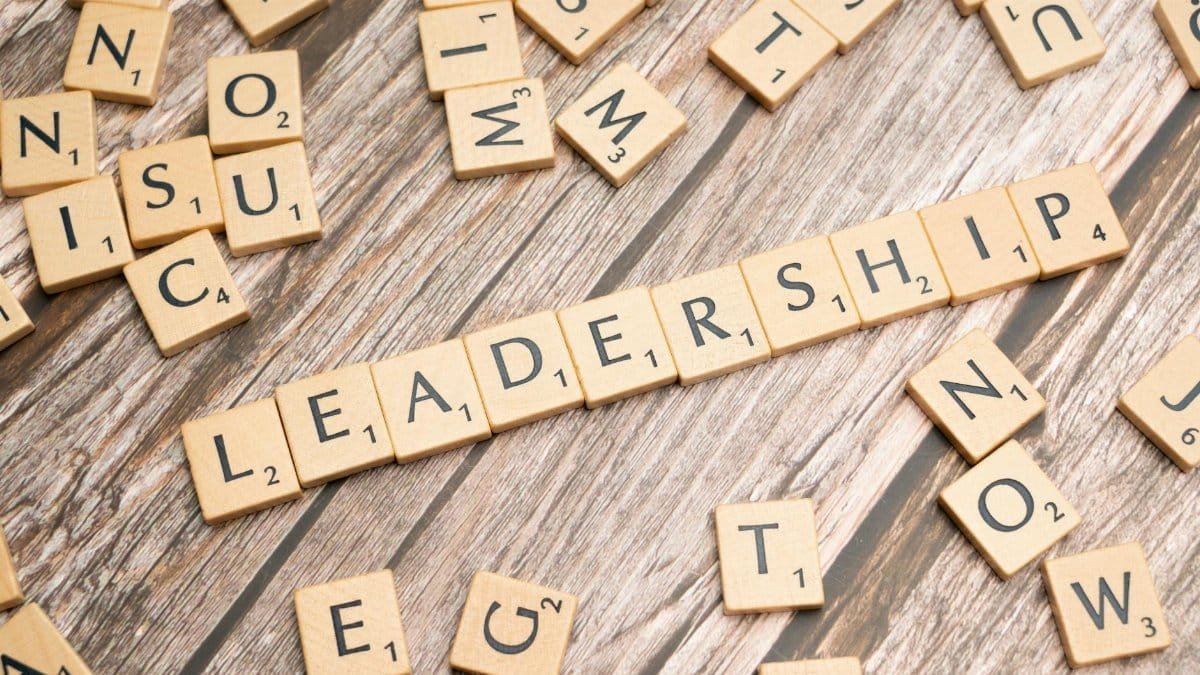
Beneath policy details lies a more profound question about the character of public service. Several Minneapolis City Council members speak openly about the spiritual and ethical dimensions of their roles. They describe the work as a form of stewardship over shared resources and community wellbeing. This language resonates with many middle aged residents who came of age during less polarized eras and now seek leaders motivated by something deeper than ambition. Training sessions on implicit bias and ethical deliberation have become regular features of council orientation. These efforts aim to translate high ideals into daily practice. Success remains difficult to quantify yet the mere presence of such conversations marks a departure from purely technocratic governance. The current season may reveal whether moral clarity can coexist with the necessary compromises of politics.
A Future Built on Shared Values

As weeks turn into months the true test of this new season will emerge. The Minneapolis City Council holds potential to demonstrate that progressive vision and pragmatic execution need not contradict each other. Success will require steady focus amid inevitable setbacks. Residents ultimately crave tangible improvements in daily life more than ideological purity. Yet many also hunger for leadership that acknowledges the human spirit behind every statistic. By weaving together policy innovation with genuine regard for community bonds the council might offer a model other cities can adapt. The coming months will show whether the optimism many now feel rests on solid ground or represents another cycle of raised hopes followed by disappointment. For now the chamber lights remain bright and the script stays unwritten.