
On a weeknight in Fresno, the argument at the table is rarely about ideology. It is about the rent notice, the grocery receipt, and whether a second job still covers the gap. That private arithmetic is now the public story of the race for Sacramento. A new California governor poll finds cost of living at the top of voter concerns, and it finds Xavier Becerra leading Steve Hilton by a wide margin, 58 percent to 33 percent. The numbers are stark. The mood behind them is older than any campaign slogan: people want a state they can afford to stay in.
What the survey puts in front of voters

The Los Angeles Times reported the findings in a survey that places the price of daily life ahead of other issues that usually dominate political talk. Becerra, the Democrat and former state attorney general who also served as United States health secretary, holds a 25 point advantage over Hilton, the Republican commentator and former British political adviser. In a state this large, a lead of that size is not a footnote. It is a map of the early contest, even if maps change.
Readers should treat any single California governor poll as a photograph, not a prophecy. Campaigns have months to spend, attack, and reintroduce themselves. Still, photographs matter. They show who is known, who is trusted enough to lead for now, and which problem voters refuse to set aside.
Why the monthly bill outranks the culture war

California politics has spent years in loud fights over crime, schools, climate rules, and the character of the parties. Those fights have not vanished. They have been pushed down the list by a simpler test. Can a working household remain here without sliding backward?
Rent in coastal cities still shocks people who arrive from almost anywhere else. Inland markets that once offered relief have tightened. Insurance on a house can cost as much as a car payment. Child care competes with tuition. A commute that used to be a nuisance is now a fuel budget. When voters say cost of living is their first concern, they are not reciting a consultant phrase. They are naming the constraint that organizes every other choice, including whom they trust with the governor’s office.
Housing as the issue underneath the issue
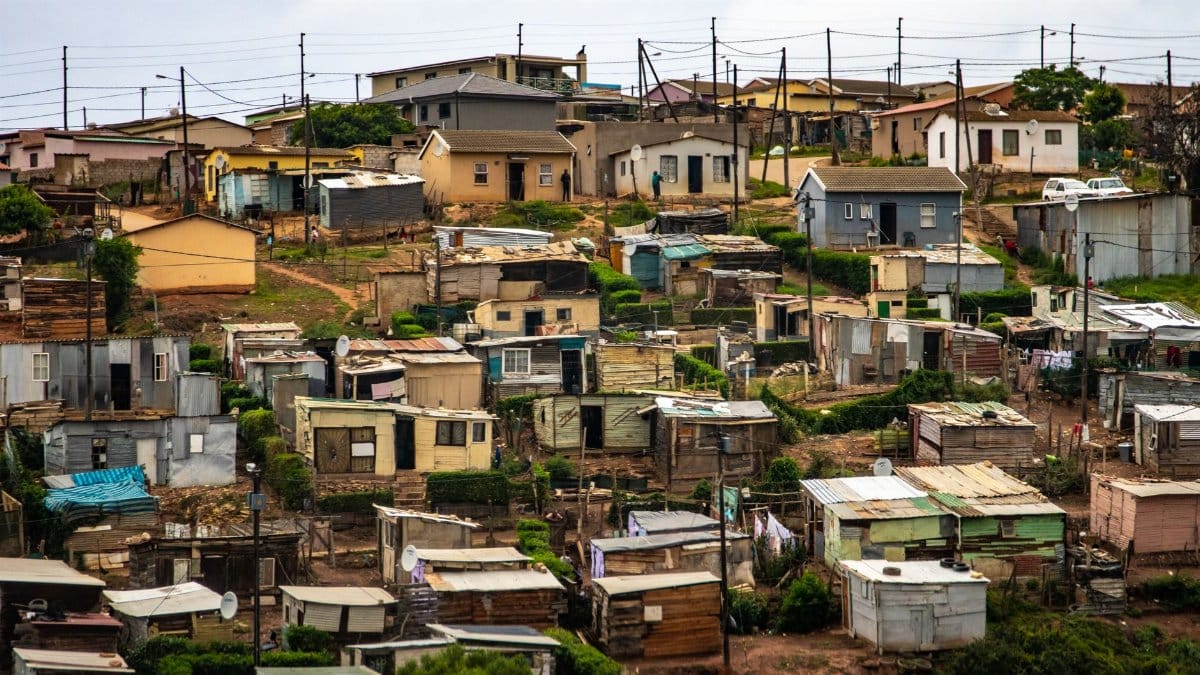
Ask residents what makes California expensive and housing arrives first, then food, then energy, then the quiet fees that never seem to shrink. Housing is not only a market story. It is a planning story, a local government story, and a story about who gets to build and who gets to block.
A governor cannot decree cheap apartments into existence. A governor can shape the rules that decide whether housing is proposed, delayed, or abandoned. That is why the affordability debate will not stay abstract. It will turn on permits, construction labor, insurance after fire seasons, and the willingness of cities to accept more homes near jobs and transit. Voters who rank cost of living first are, in practice, asking whether the next administration will treat scarcity as a policy failure rather than a scenic fact of life.
How a 25 point lead can still feel unfinished

Becerra’s 58 percent is the kind of number that quiets a newsroom and rattles a trailing campaign. It suggests a front runner with statewide recognition and a Democratic lean that still structures California elections. It does not mean the race is closed. Name recognition decays when opponents spend. A front runner becomes a target. And a survey taken before the full heat of advertising often rewards the candidate voters already know.
Hilton’s 33 percent is not nothing in a state where Republicans have struggled to win statewide for a generation. It is a base, and a base can grow if the trailing candidate owns the issue voters say matters most. The strategic question for Hilton is whether frustration with prices can be converted into a governing argument, or whether it remains a protest that never quite becomes a majority.
The language campaigns will borrow from kitchen tables
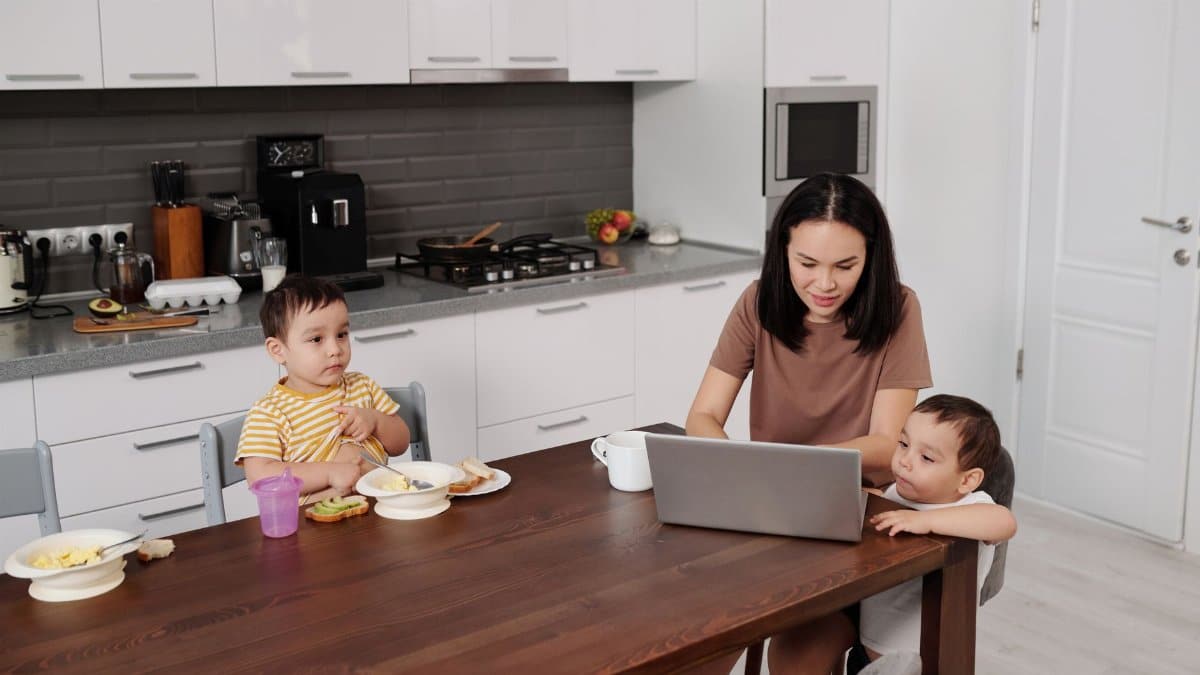
Expect both sides to speak as if they have just come from the grocery store. That is politics doing what it always does when a poll hands it a theme. The more useful question is which claims survive contact with the budget, the legislature, and the limits of one office.
Democrats will argue that protecting workers, expanding housing supply, and restraining the worst corporate markups can lower the pressure without abandoning the state’s social commitments. Republicans will argue that taxes, regulation, and a hostile climate for building have priced families out, and that only a sharper break will bring costs down. Voters have heard versions of both speeches. What they have not heard, in a convincing way, is a plan whose first year would change a rent check or a grocery total. The candidate who can describe that first year without fairy tales will have an advantage that raw partisanship cannot buy.
Sacramento’s real reach and its familiar excuses
Some prices are set far from the Capitol. Interest rates, global food markets, and fuel shocks do not take orders from a governor. Honesty requires saying so. Honesty also requires refusing the older habit of blaming every hardship on forces no official can touch. Housing rules, insurance markets, energy permitting, fees on new construction, and the pace of state agencies are not weather. They are choices, accumulated over decades by both parties and by hundreds of local governments.
A serious campaign will separate what a governor can move from what a governor can only lament. Voters who put cost of living first are unusually alert to lament. They have lived through administrations that described the problem vividly and then presided over another year of higher bills. Credibility, in this race, may depend less on outrage than on sequence: what gets done in month one, what requires a law, and what will still hurt even if the plan works.
The voters who are tired of choosing between loyalty and leaving
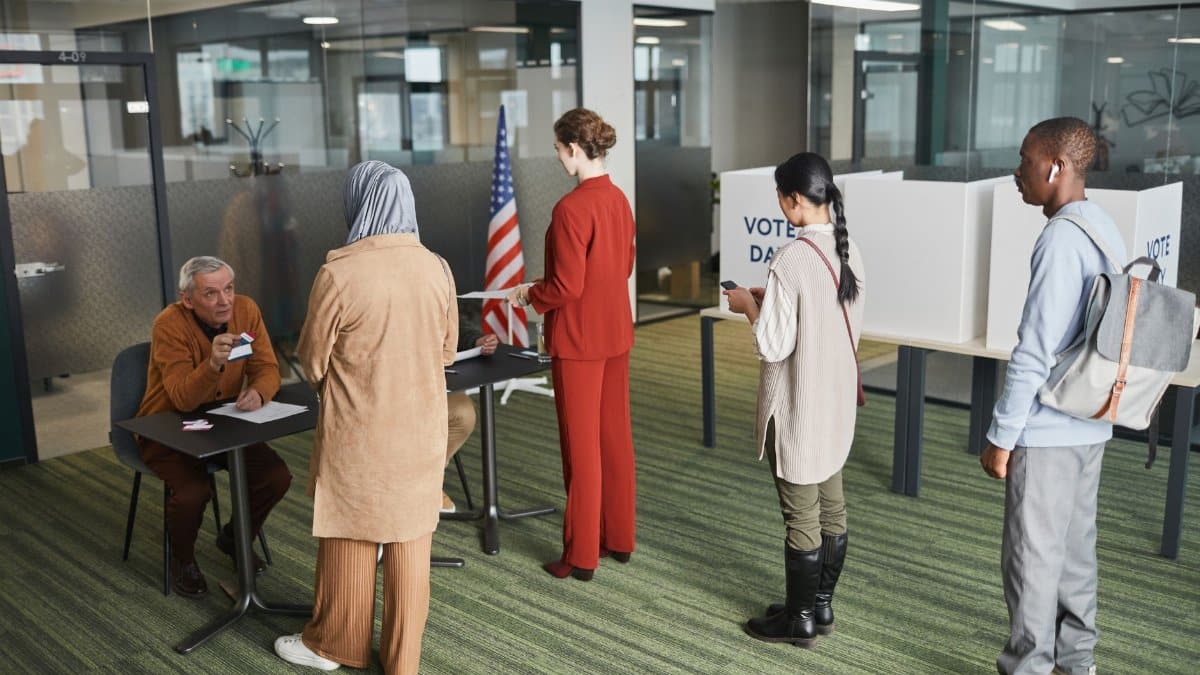
California’s electorate is not a single mood. Tech wealth and agricultural towns do not share a grocery budget. Recent immigrants and families with deep roots do not hear the same promise in the word opportunity. What many share is a calculation about staying. Parents ask whether a child can rent a first apartment without a miracle. Nurses ask whether a shift differential still covers the commute. Retirees ask whether a fixed income can absorb another insurance renewal.
That calculation has a moral weight that political coverage sometimes misses. People do not experience high costs only as an economic indicator. They experience them as a verdict on whether work, care, and place still fit together. When a California governor poll elevates cost of living, it is also recording a question about dignity: does the state still make room for the people who keep it running?
Reading the margin without romance or panic

A 58 to 33 split invites two bad habits. One is coronation, the assumption that Becerra has already won a race that has not finished introducing its field or its attacks. The other is denial, the claim that early numbers are meaningless because campaigns can always rewrite them. Neither habit helps a reader. Early surveys are meaningful about fame, party gravity, and the issue agenda. They are weak about the final coalition, especially in a top two system that can produce strange general election pairings and late shifts among voters who are not yet paying full attention.
The healthiest way to hold this California governor poll is to remember both facts at once. Becerra is clearly ahead. Cost of living is clearly the ground on which the ahead candidate can be challenged, and on which the trailing candidate must become more than a critic. Everything else is commentary until voters see plans that touch the bills they already know by heart.
What would count as an answer

An answer is not another speech about the California dream. An answer is a housing timetable a mayor cannot quietly ignore, an insurance market that does not collapse after the next fire season, and a tax and fee structure that does not treat every new home as a revenue event. An answer is also candor about tradeoffs. Faster building will anger neighbors. Tougher oversight of prices will anger industries. Cuts that sound easy in a rally often land on programs people use.
Becerra begins with the lead and with the burden that leads create. Hilton begins with the issue and with the burden of proving he can assemble a majority in a state that has not recently handed Republicans the top job. The poll reported by the Los Angeles Times does not choose between them forever. It does choose the subject. Whoever wants the office will have to talk about what it costs to live here, in numbers a household can check against its own kitchen table.