
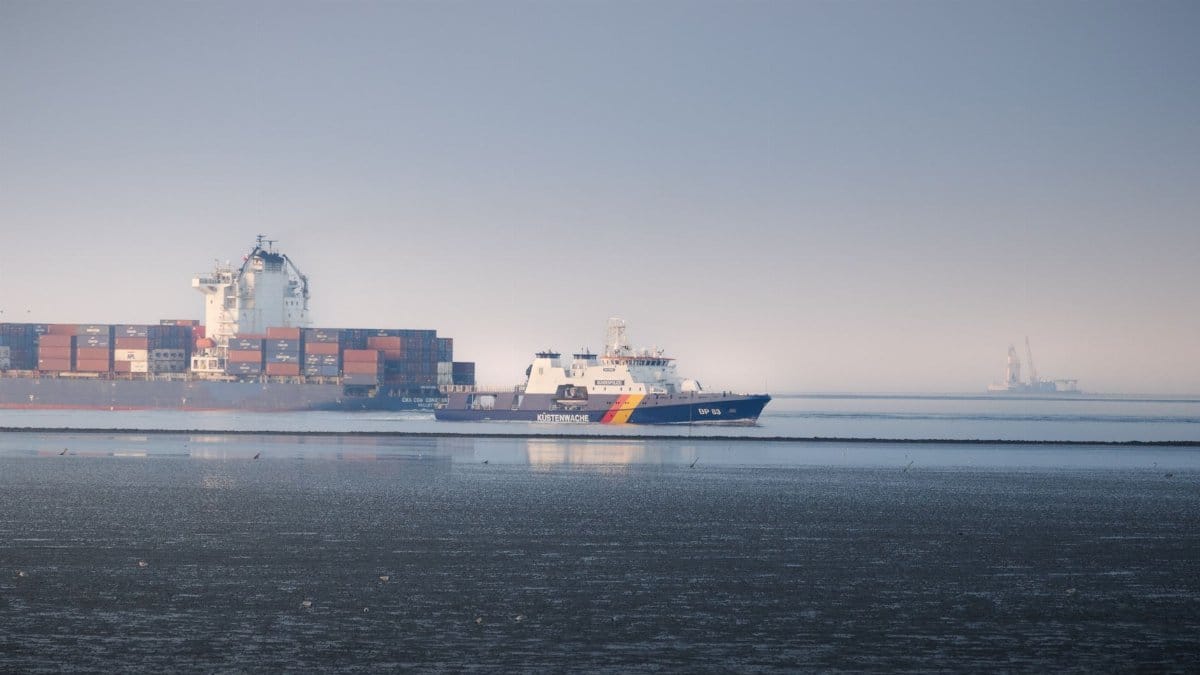
Before first light on a calm stretch of Caribbean water, a cutter drew alongside a tanker whose route, papers, and cargo had drawn official suspicion. Crews boarded, questions followed, and the vessel known as the Grace was turned toward a Mexican port rather than allowed to finish a run associated with the island. In early September that encounter entered public language in a compact phrase, Cuba fuel ship intercepted, and it has stayed there because fuel, more than almost any other commodity, now decides whether Cuban cities function or stall.
A boarding that was never only about one hull
The stop itself was procedural. Officers examined documents, spoke with the crew, and arranged an escort to Progreso, on the Yucatan coast. What gave the moment weight was everything gathered around it: years of shortage, a sanctions regime that treats oil as leverage, and a government in Havana that has few easy suppliers left. Readers who follow foreign policy will recognize the pattern. A single ship becomes a stand in for a larger contest over who may sell energy, who may buy it, and who may police the sea lanes in between.
Coast Guard work of this kind is usually described in the language of law rather than drama. Boards are logged. Coordinates are recorded. Decisions move up a chain that includes diplomats as well as sailors. Still, for people waiting on the other end of the voyage, the difference between a completed delivery and a diverted one is measured in hours of electricity, bus routes that run, and hospital generators that do not fail.
Why the Grace mattered more than her name
Little about the Grace suggested spectacle. She was not a warship. She was a commercial hull moving a product the modern world treats as ordinary until it disappears. Reports placed the interception in the Caribbean and the escort at Progreso, Mexico, a port more often associated with cruise traffic and regional trade than with geopolitical theater. That ordinary setting is part of the story. Energy smuggling and sanctions evasion, when they occur, rarely look like cinema. They look like paperwork, flags of convenience, and night passages between jurisdictions.
Naming the ship matters because abstraction is how embargo politics usually proceeds. Once a vessel has a name, readers can picture steel, crew quarters, and a bridge watch. They can also ask better questions. Who chartered her. Who insured her. Who expected to receive the fuel. Those questions do not all have public answers, and honest reporting should not invent them. What is public is the outcome: the ship did not complete a delivery associated with Cuba, and Mexican authorities became part of the next chapter.
Fuel as the quiet center of Cuban daily life
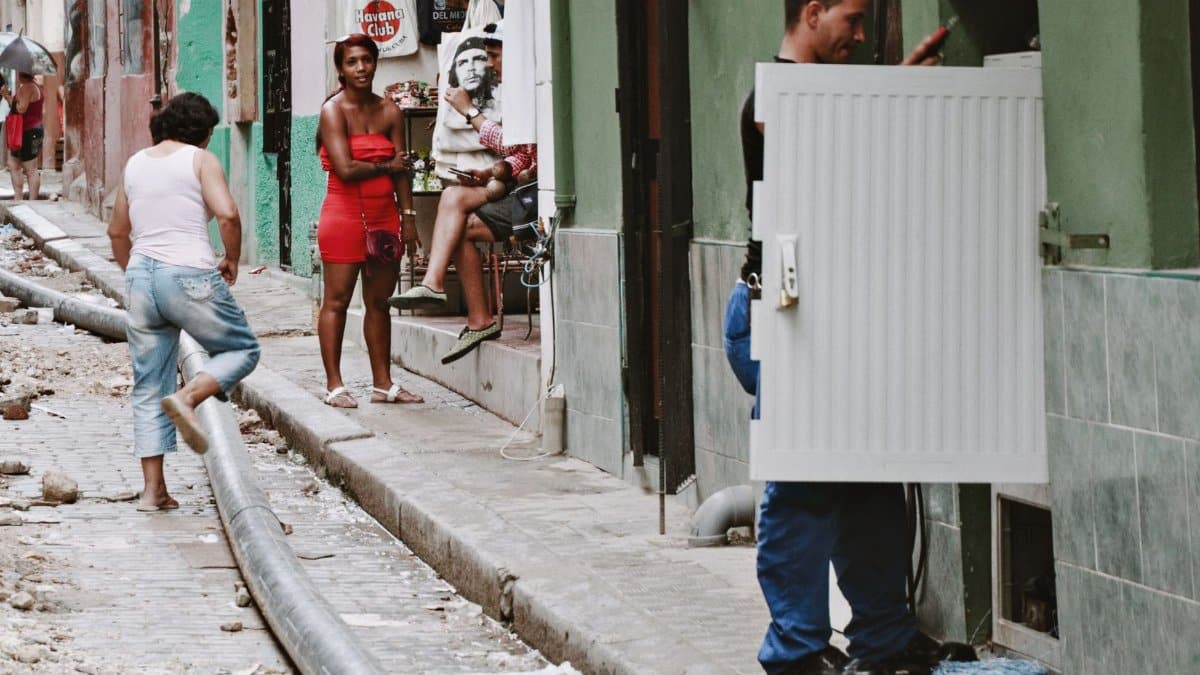
Cuba has lived for decades inside a constrained energy system. Soviet oil once underwrote industry and transport. Later, Venezuelan shipments filled part of that role. As those flows thinned, blackouts lengthened, and the island’s already fragile grid showed its age. Thermoelectric plants need steady feedstock. Buses need diesel. Farms need fuel for irrigation pumps and for trucks that carry food into cities. When supply tightens, the effects arrive in kitchens before they arrive in communiques.
That is why a phrase like Cuba fuel ship intercepted lands with force beyond Washington and Havana. It is not an abstract customs case. It is a possible missing week of generation at a plant outside a provincial capital, or another stretch of evenings lit by candles and phone flashlights. Residents have described rolling outages that scramble work, schooling, and medical appointments. Officials blame the embargo, aging equipment, and external pressure. Critics of the government add mismanagement and a reluctance to open the economy in ways that might attract lawful investment. Both lines of argument can be true in part. Neither erases the material fact that oil still moves the island.
The legal frame the Coast Guard says it is enforcing
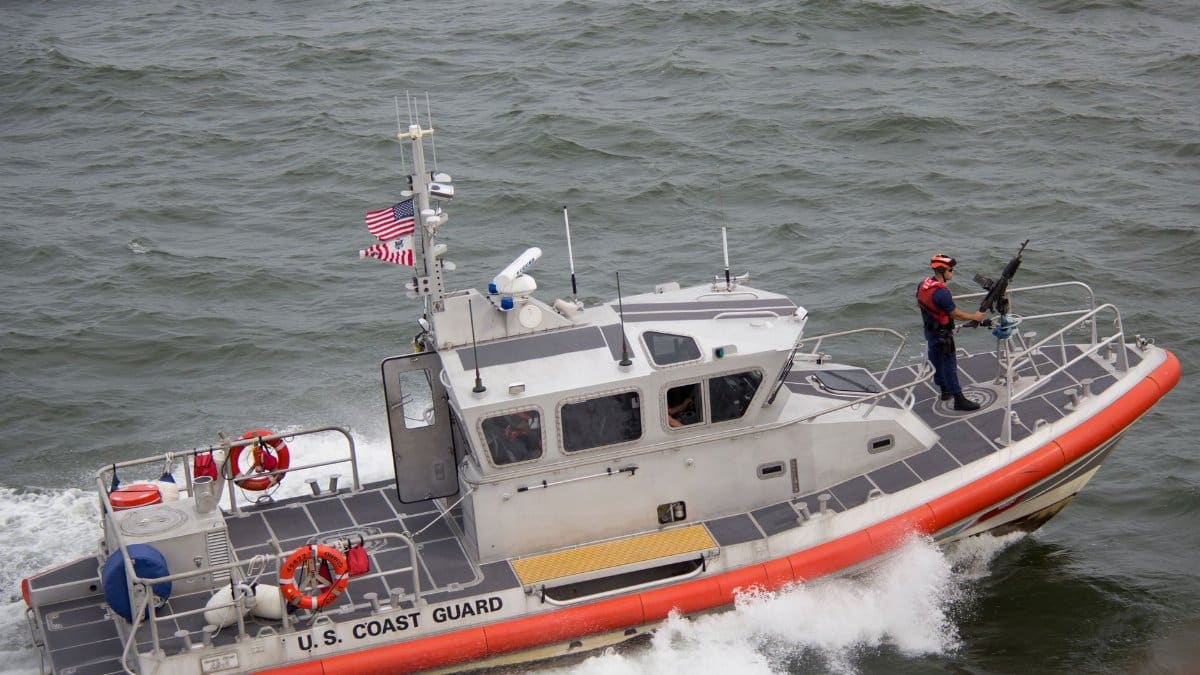
United States sanctions on Cuba are old, layered, and often misunderstood. They are not a single switch. They are statutes, executive actions, and licensing rules that restrict certain trade, finance, and shipping services involving designated parties. Interdictions at sea sit at the edge of that architecture. Authorities argue that stopping illicit or improperly documented fuel movements protects the integrity of the sanctions regime and deters networks that hide cargo behind false declarations.
Supporters of a hard line say evasion rewards a government that has jailed dissenters and mismanaged a potentially rich island. They treat maritime enforcement as the logical extension of policy made in public. Opponents answer that collective restriction has failed for generations to produce the political change its authors promised, while succeeding at making ordinary scarcity worse. A journalist can report both claims without pretending the sea is a seminar room. The cutter does not debate theory. It executes orders under law as those orders are currently written.
Mexico’s uneasy place between neighbor and partner
Escort to Progreso pulled Mexico into a story it might have preferred to watch from shore. Mexico has its own relationship with Havana, shaped by history, left leaning governments, and a tradition of opposing the embargo in international forums. It also shares a long commercial and security relationship with the United States, including cooperation on migration, drugs, and maritime safety. Hosting a diverted tanker is not the same as endorsing a blockade, but it is not neutrality either.
Port calls create practical questions. Who pays for berth and security. What happens to the cargo if it cannot lawfully proceed. How do Mexican officials explain the episode to a public that often views Cuba with sympathy and views American pressure with skepticism. Early reporting has been thinner on those mechanics than on the drama of the stop. That gap matters. Diplomacy often hides in the unglamorous work of harbormasters and foreign ministries, and that work will decide whether Progreso was a pause or a destination.
What interception does and does not prove

It is tempting to treat one boarding as proof of a vast hidden trade, or as proof that enforcement is finally closing every route. Neither conclusion follows from a single case. Networks adapt. So do legal suppliers who stay inside licenses and do not need the dark. A Cuba fuel ship intercepted headline can illuminate a method, a corridor, or a political mood. It cannot, by itself, measure how much fuel still reaches the island through lawful or contested channels.
Careful readers should watch for inflated numbers and unnamed officials. Shipping data, when released, is more reliable than rumor. So are company registries, insurance records, and court filings, if any follow. Until those appear, the responsible account stays close to what is known: a named ship, a Caribbean stop, an escort to a Mexican port, and a political context in which fuel is scarce and contested. Speculation about hidden compartments or secret owners may later prove accurate. It should not be written as fact before the documents say so.
Blackouts, bread lines, and the moral weather

There is a spiritual dimension to scarcity that policy memos rarely capture, and it belongs in this account because the people living it describe their days in moral as well as material terms. When the power fails, families rearrange prayer, meals, and care for elders around whatever hour the current returns. Congregations become cooling centers. Neighbors share generators and, just as often, share resentment. Some direct that resentment at Washington. Some direct it at their own officials. Many direct it at both, which is a psychologically honest response to a problem with more than one author.
Faith communities on the island and in the diaspora have long treated the embargo as a question of conscience, not only of strategy. Pastors, priests, and lay leaders argue about whether pressure that hurts the poor can ever be justified by the hope of political opening. That argument will not be settled by the Grace. It will be sharpened by her. Each intercepted cargo makes the ethical ledger harder to ignore, because the missing fuel has a human address even when the legal address is a sanctions list.
Voices in Miami, Havana, and the agencies between
In South Florida, many Cuban Americans hear of a stopped tanker and feel something closer to vindication than alarm. They have relatives who left, or who stayed and paid for dissent. For them, cutting off resources to the state is a form of solidarity with people who cannot speak freely. Others in the same community, especially younger professionals and recent arrivals focused on family remittances, worry that maritime crackdowns mostly rearrange suffering without touching the security services that actually hold power.
Havana’s public line is more uniform. Officials cast interdictions as piracy dressed in legal language and as further evidence that the embargo is an act of hostility against a small nation. Independent journalists and activists inside the country, when they can publish, often split the difference: they condemn external pressure and still refuse to absolve domestic failure. American agencies, for their part, emphasize statute and safety. The distance among these voices is not a failure of reporting. It is the subject.
Shipping routes, flags, and the habits of concealment
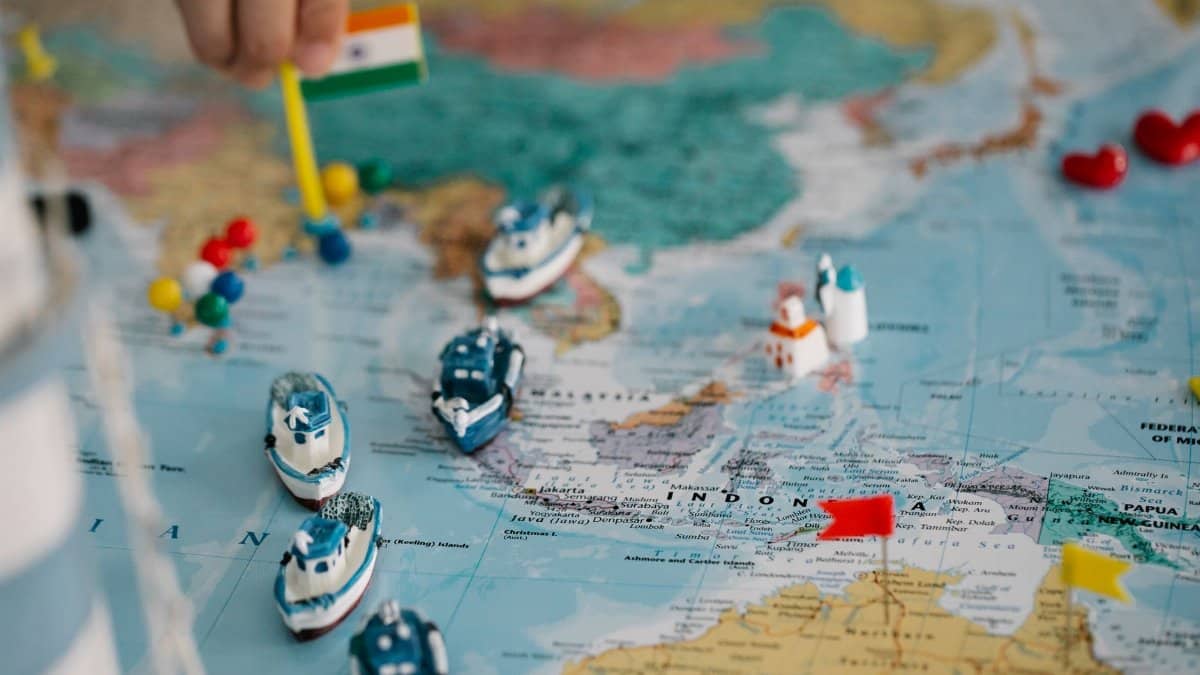
Energy cargoes that governments do not want seen tend to share habits. They may switch off trackers. They may transfer fuel at sea. They may fly flags of states with light oversight. None of those habits is unique to Cuba, and none should be asserted about the Grace without evidence specific to her voyage. What can be said generally is that Caribbean geography favors short hops and quiet coves, and that enforcement depends on intelligence, partnerships, and the willingness of port states to receive a ship someone else has stopped.
That last point returns attention to Mexico and to any other government asked to finish what a cutter begins. Maritime law is a weave of flags, coastal rights, and treaties. A boarding that looks simple on a map can become complex the moment lawyers open the registry. Readers should expect more paper than spectacle in the weeks after a stop, and they should treat silence as incomplete information rather than as confirmation of a hidden plot.
How a phrase travels faster than a tanker
Digital headlines compress. Cuba fuel ship intercepted is efficient, memorable, and slightly misleading if it suggests a cinematic chase rather than a regulated boarding and escort. Compression is not always distortion. Sometimes it is how a scattered public learns that a policy still has teeth, or that a shortage still has authors. The risk is that repetition hardens a slogan before the facts have finished arriving. Editors who care about trust will keep the phrase and also keep the qualifiers: early September, the Caribbean, Progreso, a ship called the Grace, an outcome short of a completed delivery.
Repetition also reveals appetite. American readers return to Cuba stories when they touch family memory, migration, or a simple moral picture of a powerful state and a nearby island. Those appetites are not false. They are incomplete. The fuller picture includes Mexican diplomacy, Venezuelan decline as an oil patron, Chinese and Russian gestures that rarely replace lost barrels, and a Cuban state that has survived many predictions of its end.
What the next weeks can clarify

Several developments would turn this from a vivid incident into a documented case. A public inventory of the cargo would help. So would a clear statement on whether any charges, forfeitures, or diplomatic protests will follow. If the fuel is released, sold, or held, that choice will signal how Mexico balances sympathy for Havana against cooperation with Washington. If Havana publishes its own account with verifiable details, readers can compare narratives instead of choosing a team.
Absent those documents, the honest posture is watchful. Another Cuba fuel ship intercepted story may appear, or this one may stand alone as a warning to charterers. Either result would teach something about enforcement capacity. Neither result would refill a generator in a Havana hospital. That gap between geopolitical signal and household consequence is the part of the story most likely to be forgotten once the cutter returns to patrol, and it is the part most worth remembering.
A longer argument than one September morning

The Grace will eventually leave the news, as ships do. The argument she briefly carried will not. For more than sixty years, American policy has tried to isolate Cuba’s government and has instead become part of the island’s weather. Cuban leaders have used that weather as explanation and as excuse. Neighbors have been asked, again and again, to choose a side in a quarrel that outlasts administrations in every capital involved.
A spiritual reading of the episode, if one is allowed in a political story, is not that the sea rendered a verdict. It is that power, when it interrupts bread and light, owes the people under that power a clearer account than a slogan. Cuba fuel ship intercepted tells us a voyage ended somewhere other than its intended berth. It does not tell us whether the policy that produced the interception is wise, just, or merely durable. Durability is not the same as success. Wisdom would require asking, with more patience than a headline allows, who is being pressured, who is being protected, and who is left in the dark when the answers disagree.