
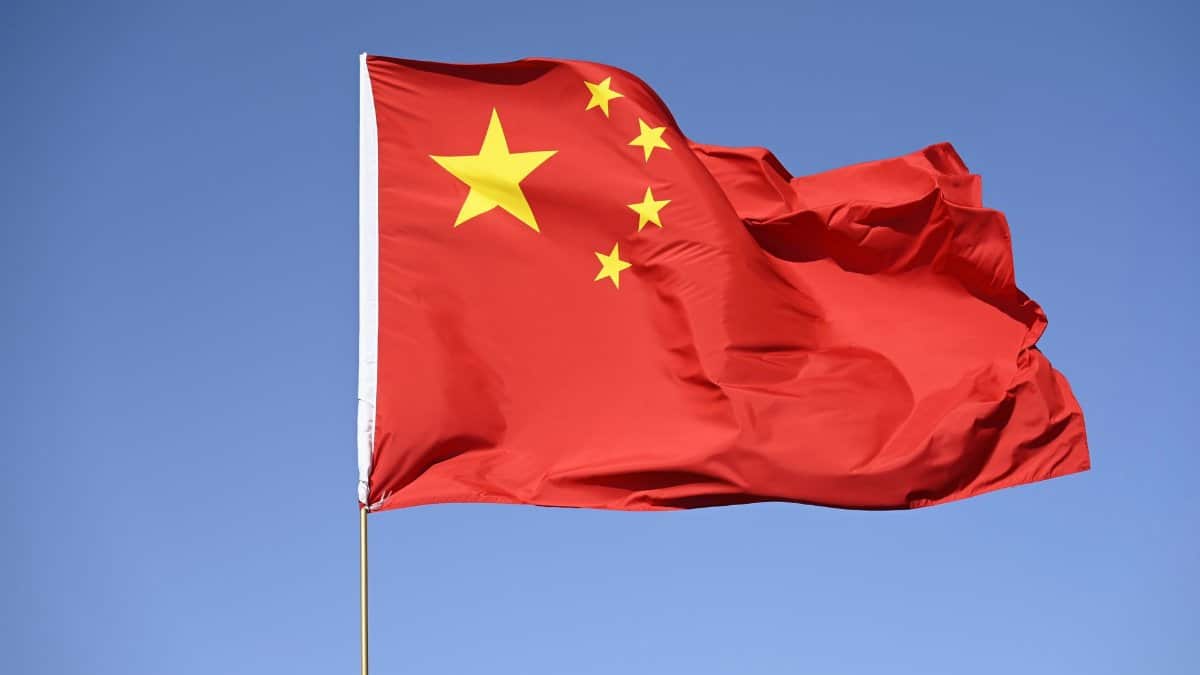
In recent years the experiences of Chinese Americans in the United States have drawn fresh attention amid shifting relations between Washington and Beijing. Communities from San Francisco to New York find themselves balancing cultural heritage with civic participation while external pressures mount from both sides of the Pacific. The result is a complex landscape where Chinese Americans influence appears in local elections, business networks and campus debates yet often faces questions about loyalty and intent. This dynamic plays out most visibly in the Bay Area where longstanding family ties meet new scrutiny over immigration policies and foreign outreach programs.
Community organizations adapt to new realities
Local groups once focused on cultural festivals now host forums on voting rights and public safety. Leaders report increased attendance at meetings that address how residents can engage with American institutions without inviting suspicion from either government. These efforts highlight practical steps such as citizenship workshops and language classes that strengthen ties to the broader society.
Business leaders weigh economic ties

Entrepreneurs who built careers linking Silicon Valley firms with suppliers across the Pacific describe careful navigation of supply chain decisions. Many emphasize compliance with American regulations while maintaining professional relationships that predate current frictions. Their choices illustrate how economic pragmatism shapes daily operations rather than abstract ideology.
Academic voices address campus debates
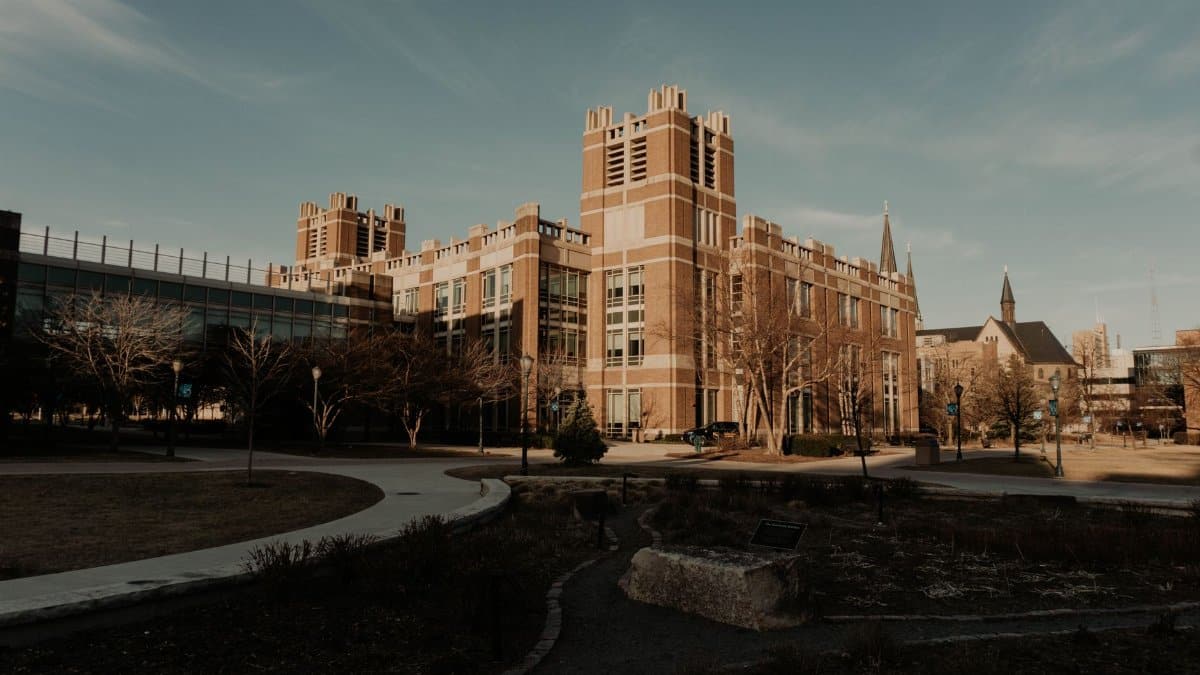
Professors and students at universities in California recount discussions over research partnerships and funding sources. Some choose to disclose collaborations openly to preempt concerns while others redirect projects toward domestic priorities. These adjustments reflect a broader pattern of self examination within educational settings.
Media outlets serve dual audiences

Chinese language publications in the United States cover local elections alongside developments in Asia yet face accusations of external influence from critics on both ends of the spectrum. Editors respond by expanding coverage of American civic processes and inviting contributions from diverse voices within the community.
Political participation expands at local levels

Voter turnout among Chinese Americans has risen in municipal races where issues such as housing costs and school funding take center stage. Candidates from the community stress platforms that prioritize neighborhood concerns over international matters to build wider coalitions.
Family networks bridge generational gaps

Younger residents often born in the United States discuss with parents the merits of public service and professional choices that avoid sectors viewed as sensitive. These conversations reveal quiet strategies for maintaining stability amid external tensions.
Government outreach efforts draw mixed responses
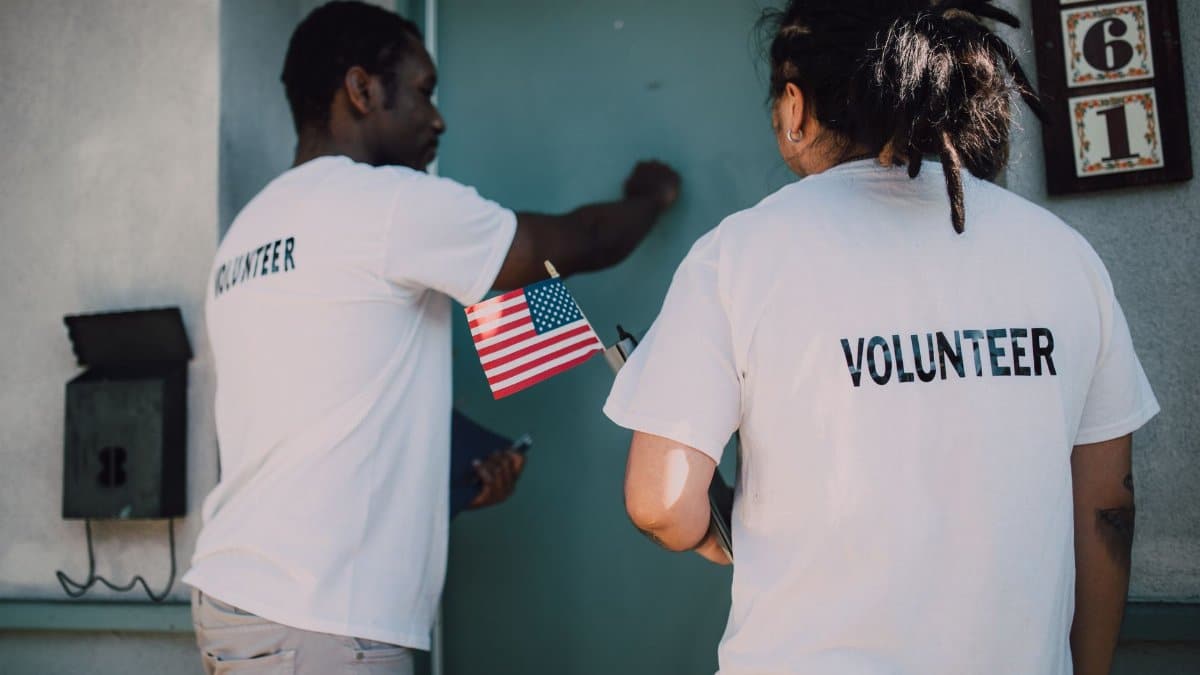
Programs from Beijing aimed at diaspora engagement encounter skepticism from some who recall past interference cases while others see opportunities for cultural exchange. American authorities monitor such activities through public hearings and reports that detail patterns of contact.
Religious and cultural institutions offer refuge
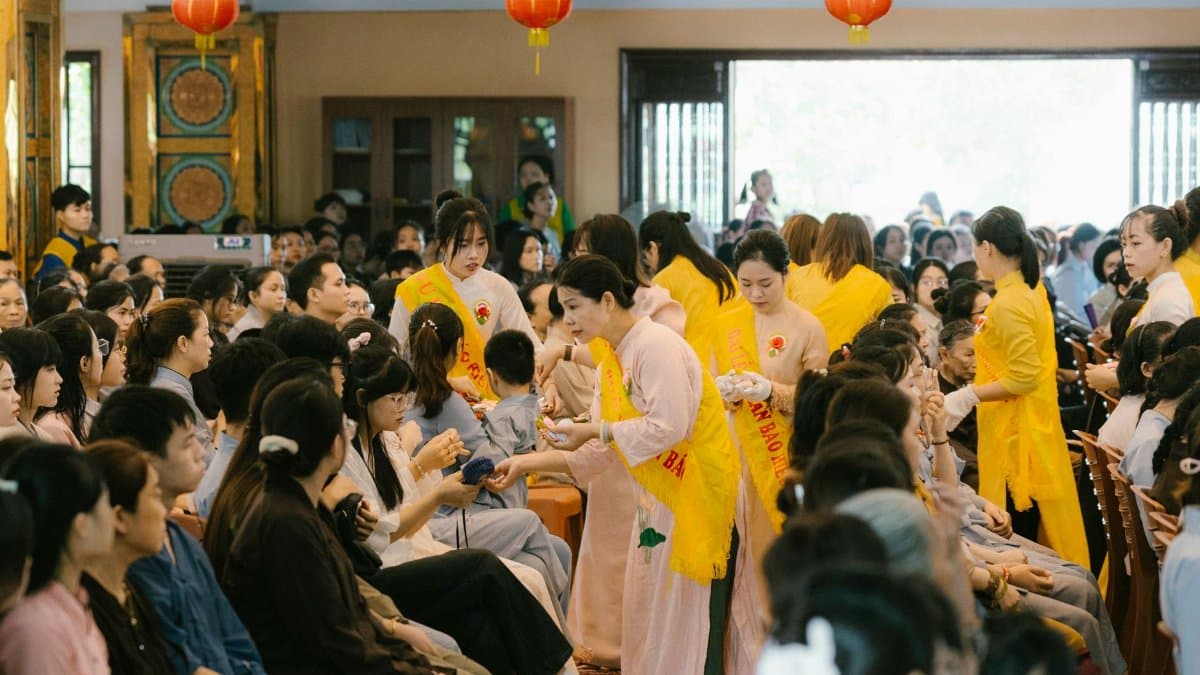
Churches temples and community centers provide spaces where members focus on personal faith and mutual support rather than geopolitical headlines. Leaders encourage participation in American charitable causes to demonstrate integration and shared values.