

In recent months a group of determined young residents has taken to public forums across the city to express their views on local challenges. Their message centers on the need for officials to hear directly from those most affected when shaping responses to Baltimore teens crime. These gatherings often feature personal stories that reveal the daily realities faced by adolescents navigating uncertain environments and seeking constructive paths forward.
Community Gatherings Highlight Youth Concerns
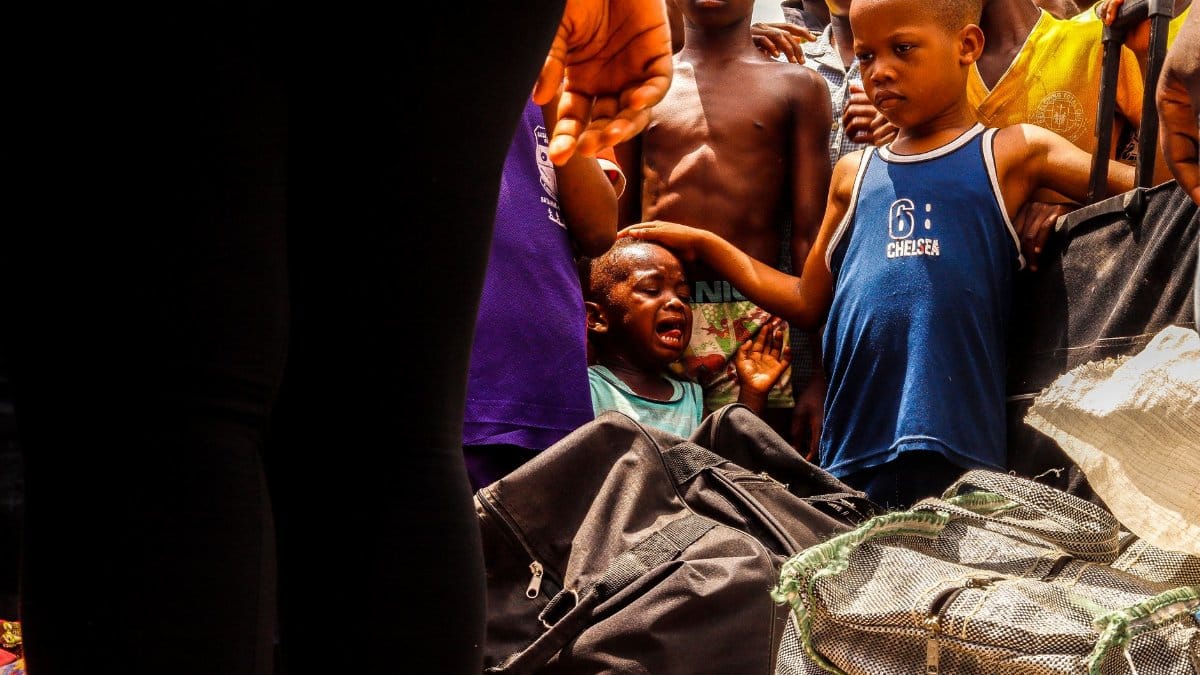
Young people in various neighborhoods have organized sessions where they discuss experiences with safety and opportunity. Participants describe how limited access to reliable activities after school hours contributes to idle time that can lead to trouble. Elders in attendance listen as speakers emphasize the value of mentorship programs that connect adolescents with positive role models from similar backgrounds.
Calls for Greater Inclusion in Policy Talks

Advocates argue that excluding youthful perspectives results in measures that miss the mark. They point to past initiatives that focused solely on enforcement without addressing underlying factors such as job scarcity or transportation barriers. By inviting input from those under eighteen officials could craft approaches that resonate more effectively with the intended audience.
Understanding Root Causes in Urban Settings
Analyses from local observers note that economic pressures play a significant role in patterns of juvenile involvement with authorities. Families often juggle multiple jobs leaving less supervision at home. Schools with overcrowded classrooms struggle to provide individualized support that might steer students away from risky choices during formative years.
Role of Education in Addressing Issues
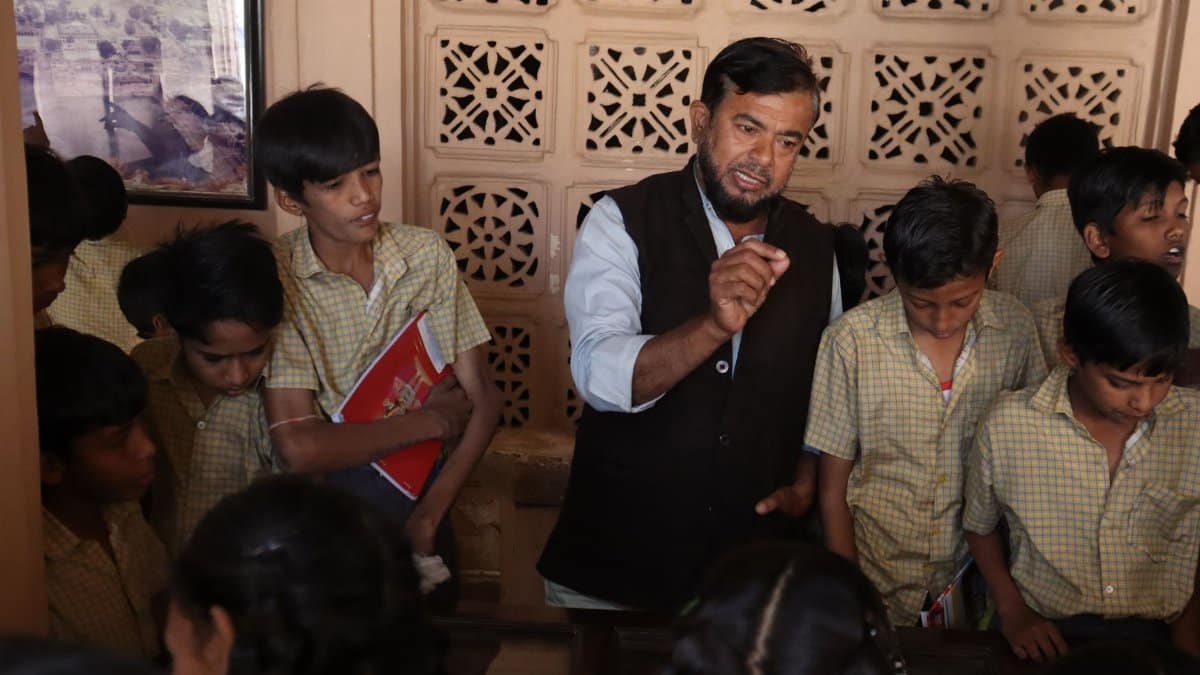
Educators report that expanded after hours learning opportunities correlate with reduced incidents among participants. Programs offering tutoring alongside creative outlets like art or music allow students to channel energy productively. When such resources receive consistent funding the benefits extend beyond immediate participants to entire blocks that experience calmer streets.
Family Structures and Their Impact

Discussions frequently turn to the influence of stable home environments on decision making. Single parent households face unique strains yet community networks sometimes fill gaps through shared childcare or meal programs. Strengthening these informal supports emerges as a recurring recommendation from those who have witnessed both successes and setbacks in their own circles.
Local Programs Showing Promise

Organizations operating in affected areas have documented lower repeat contacts with the justice system among enrolled youth. These efforts combine counseling with skill building workshops focused on conflict resolution and career exploration. Success stories shared at recent events illustrate how sustained engagement can alter trajectories that once appeared fixed.
Media Portrayals and Public Perception

Coverage in major outlets tends to emphasize dramatic episodes while overlooking quieter efforts at prevention and reform. Residents suggest that balanced reporting might encourage broader community involvement rather than fostering resignation. Accurate depictions could also help policymakers allocate resources based on a fuller picture of neighborhood dynamics.
Future Outlook for City Youth

Optimism persists among those advocating for change despite persistent obstacles. They envision a landscape where adolescent input shapes initiatives from the ground up leading to more durable solutions. Continued dialogue between generations holds potential to bridge divides and foster environments where all residents feel invested in collective wellbeing.