
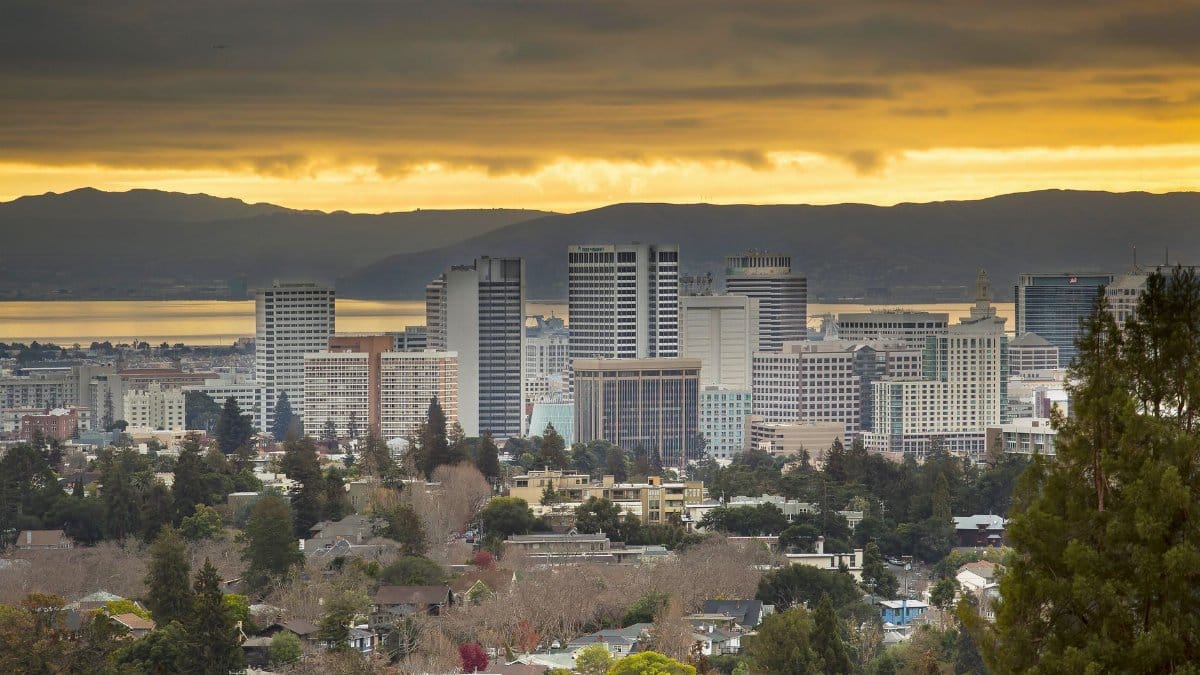
Residents from the coast to the inland valleys are preparing for prolonged stretches of elevated warmth as forecasts point to significant high pressure building over the region. Communities are checking cooling resources and adjusting outdoor plans in anticipation of this California Heat Wave June 2026. Local officials have begun coordinating with utilities to manage expected strain on power grids while public health departments issue reminders about hydration and rest during peak afternoon hours.
Forecast Models Signal Extended Warm Period

Meteorologists tracking upper level patterns describe a ridge that is likely to hold steady through the final weeks of the month. Computer simulations show daytime readings climbing well above seasonal averages across much of the state and neighboring states to the east. Evening temperatures are projected to offer only modest relief, keeping overnight lows elevated as well.
Urban Centers Face Distinct Pressures
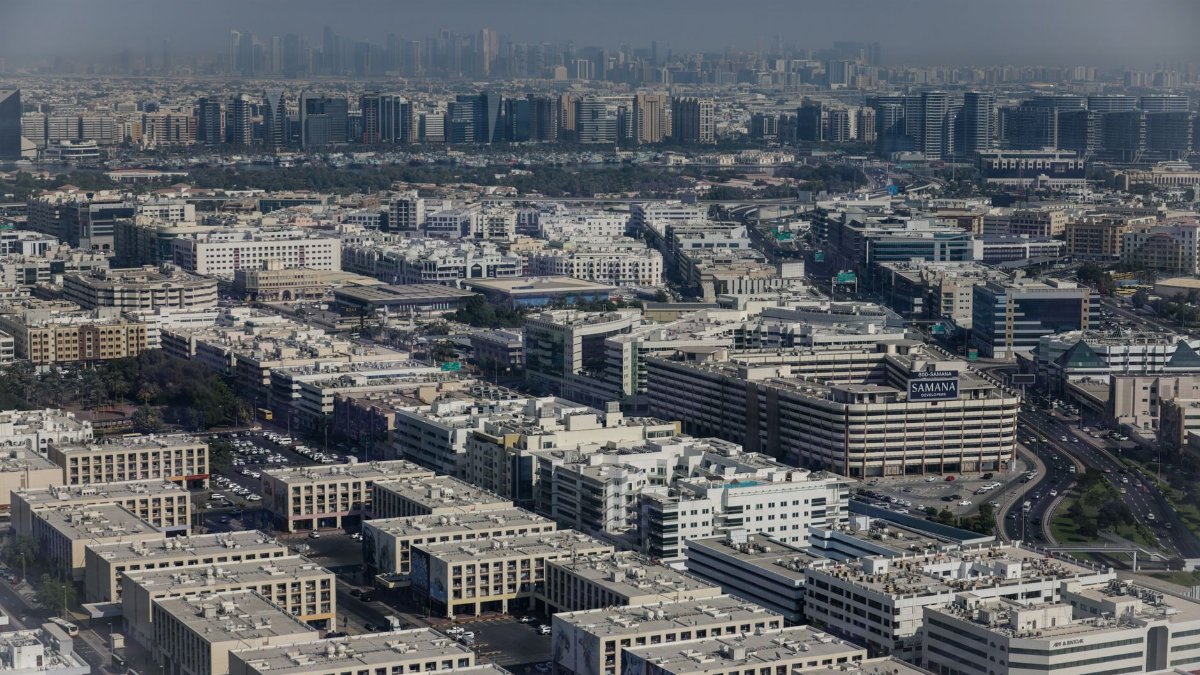
Cities with dense populations and limited green space often experience the strongest effects from such events. Pavement and buildings retain heat long after sunset, creating conditions that can disrupt sleep and raise cooling costs for households. Transit agencies have announced plans to increase water distribution at major stations during the warmest days.
Rural Areas Weigh Different Challenges
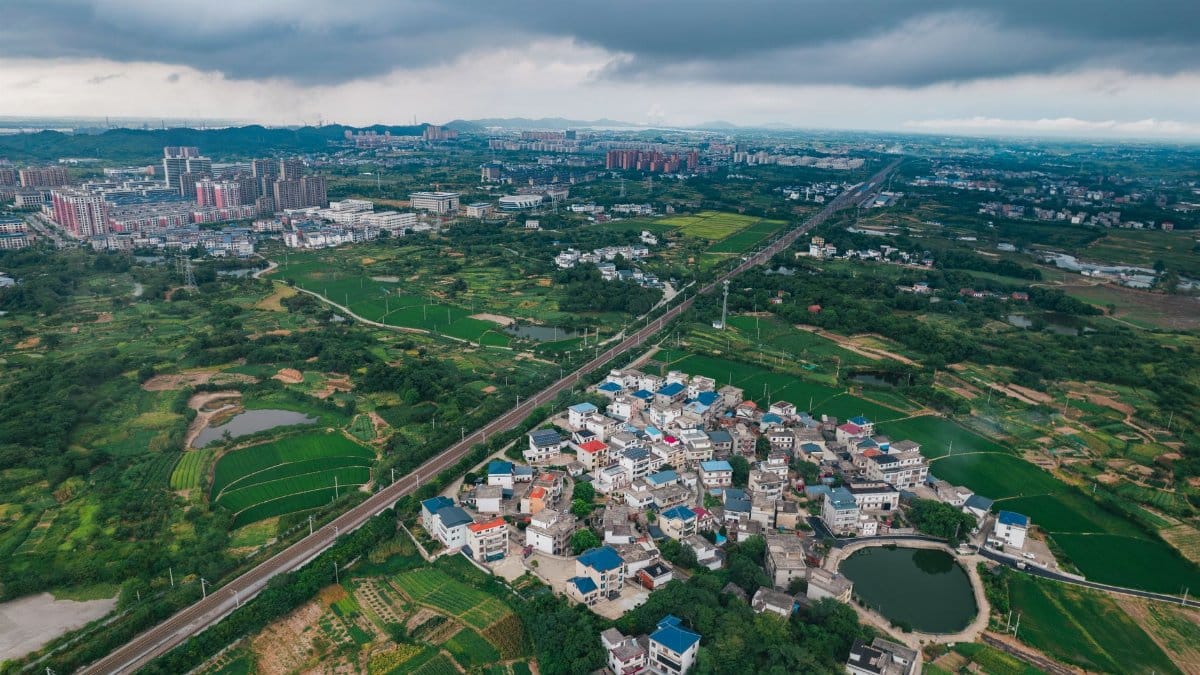
Farms and ranches across the Central Valley and foothill counties face risks to livestock and crops when humidity remains low alongside high readings. Irrigation schedules are being reviewed to protect young plants, while some operators consider shifting work crews to earlier or later hours. Wildlife managers are monitoring streams where fish populations can suffer when water temperatures climb.
Power Grid Operators Prepare Contingencies
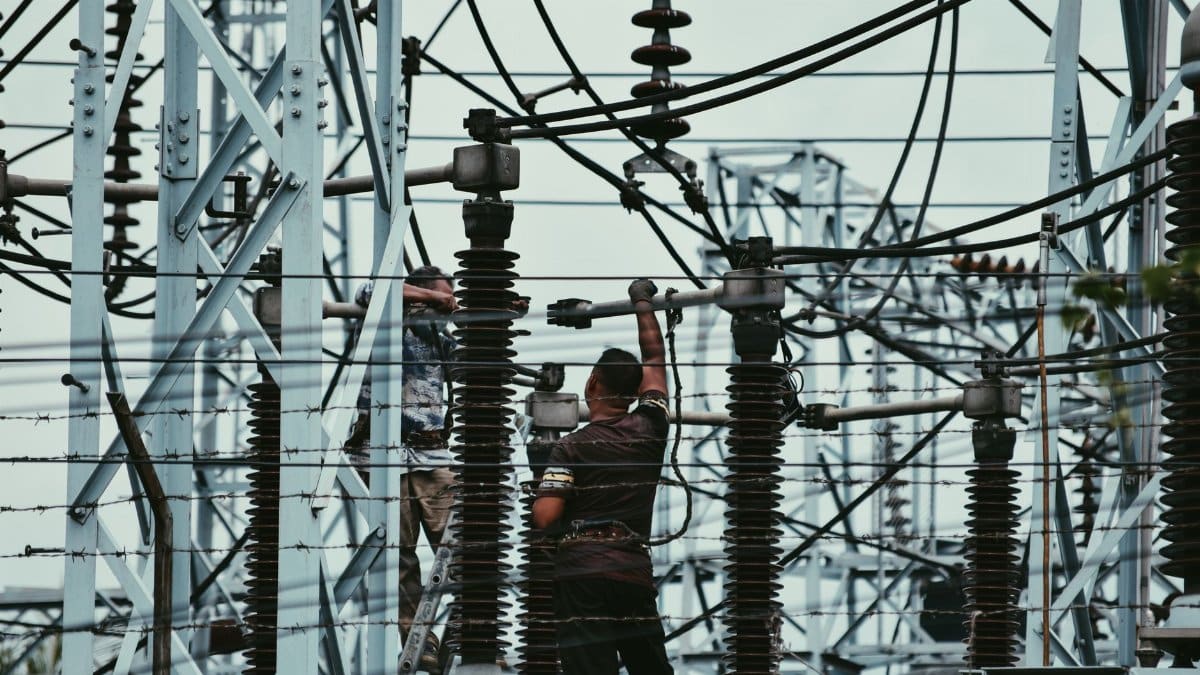
Utilities have activated emergency protocols to balance supply and demand during periods of peak air conditioner use. Past experiences have shown that sudden spikes can lead to rolling outages if reserves fall short. Consumers are being encouraged to run major appliances during off peak windows to ease overall load.
Public Health Messaging Expands Reach

Clinics and hospitals are reminding residents that certain groups face greater danger when heat persists for multiple days. Older adults, young children, and those with chronic conditions receive targeted guidance on recognizing early signs of distress. Cooling centers in libraries and community halls will extend hours on days when forecasts call for the strongest readings.
Schools Adjust Schedules and Activities

Districts are evaluating options to move recess and sports practices indoors or to cooler parts of the day. Some have purchased additional portable shade structures while others coordinate with local recreation departments for access to air conditioned gymnasiums. Teachers report that students show reduced concentration when classroom temperatures remain high despite ventilation efforts.
Transportation Networks Monitor Impacts
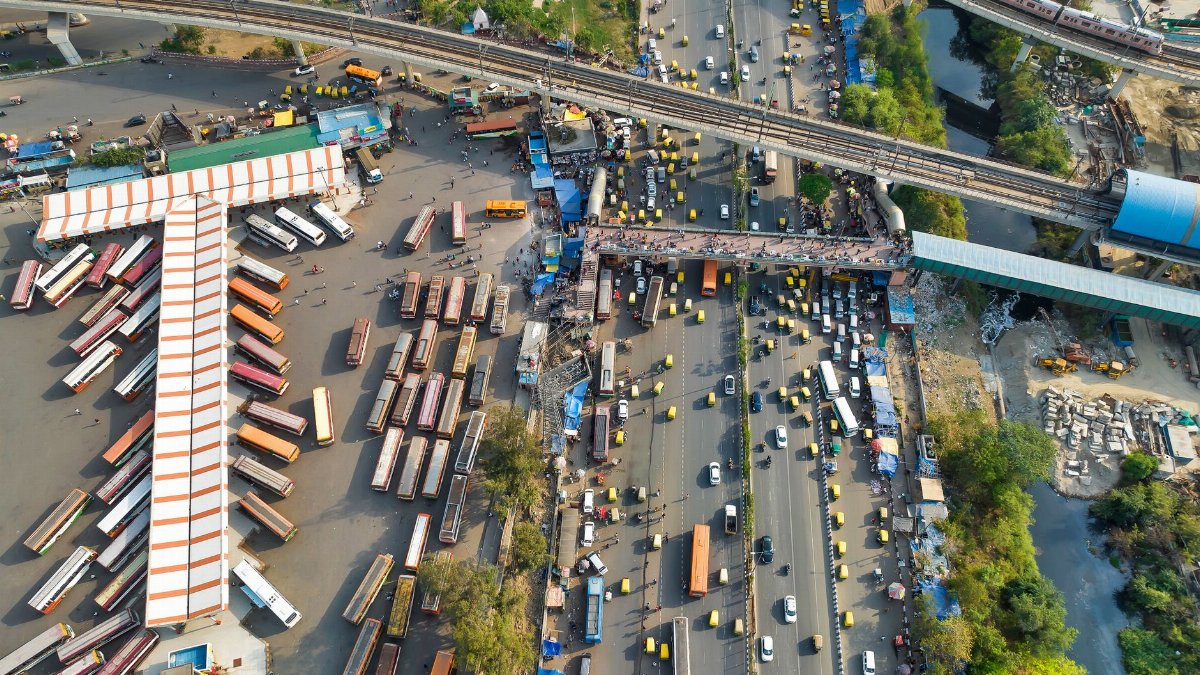
Rail operators are inspecting tracks for expansion risks that can arise under intense sun exposure. Highway crews stand ready to address pavement buckling on routes that carry heavy truck traffic. Airlines have noted occasional delays when extreme surface heat affects aircraft performance during takeoff.
Regional Comparisons Highlight Variability
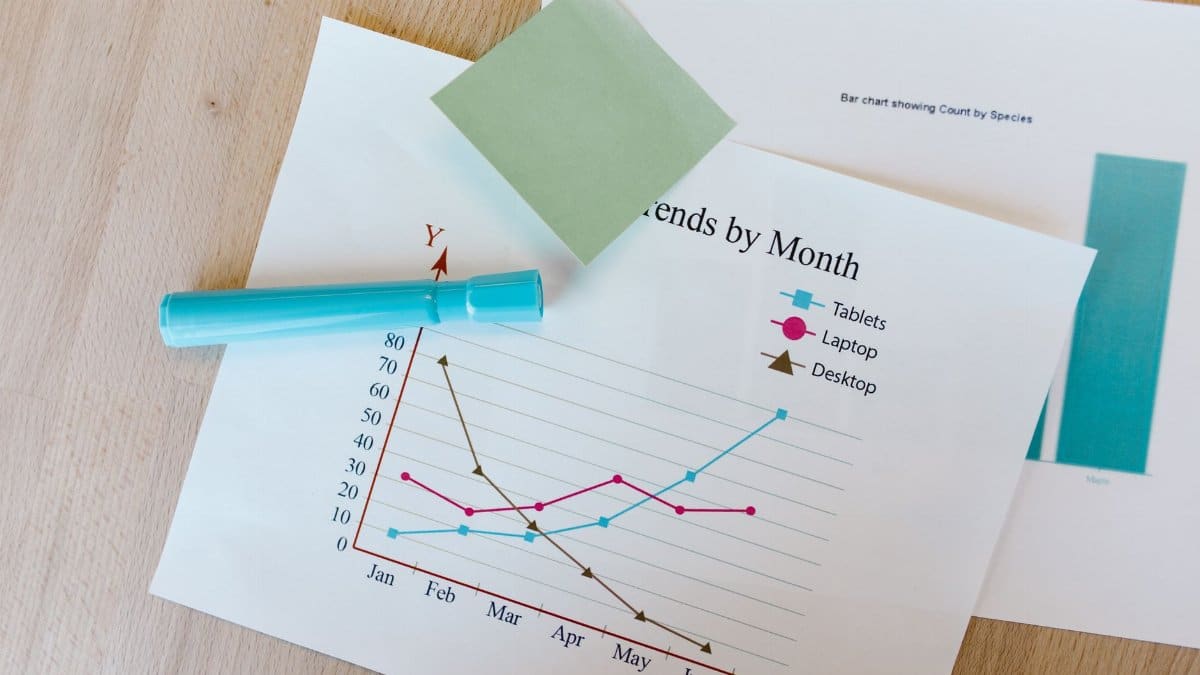
While coastal zones may see moderated readings due to marine influence, interior deserts and valleys often record the highest values. This pattern has repeated in earlier warm episodes, yet each event carries unique timing and duration that affect how residents experience it. Data from previous years help planners refine messaging and resource allocation.
Longer Term Climate Context Remains Relevant
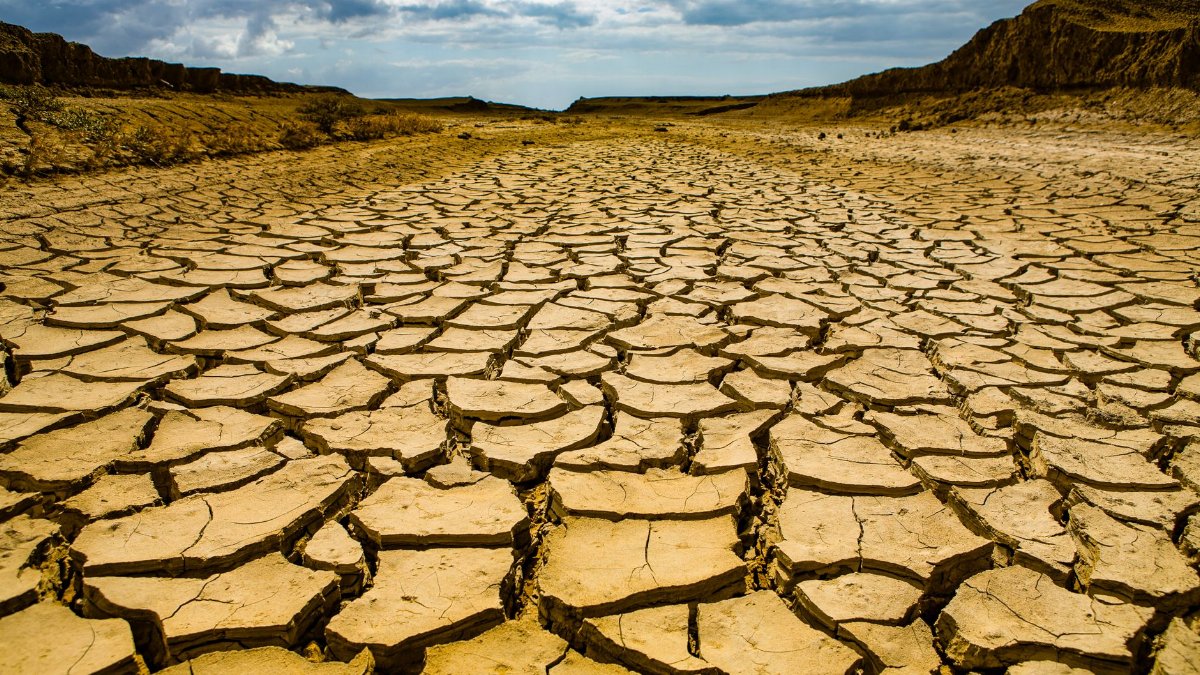
Scientists note that such warm spells fit within observed trends of increasing average temperatures across the West. Attribution studies continue to examine the role of large scale circulation changes, though individual events always involve multiple factors. Policymakers use these episodes to test adaptation measures already in place and identify gaps that require attention.
Community Organizations Mobilize Support

Nonprofit groups are expanding outreach to isolated seniors and low income households that may lack access to reliable cooling. Volunteers deliver fans and bottled water while checking on neighbors who live alone. Faith communities have opened additional spaces for daytime gathering, providing quiet areas away from direct sun.