

A recent survey from the Yoga Journal and Yoga Alliance found that over 36 million Americans practice yoga, with a growing number citing mobility improvements as a key motivator for sticking with it. This figure has surged by nearly 50 percent since 2012, reflecting a broader shift toward holistic wellness in a post-pandemic world. Amid rising stress levels and sedentary lifestyles, yoga’s emphasis on fluid movement offers a pathway to restoration. It’s no coincidence that practitioners often describe their sessions as journeys toward inner peace. At the heart of this trend lies the concept of driving, healing, mobility—where intentional sequences not only enhance physical range but also foster emotional and mental recovery. For middle-aged adults juggling careers and family, these practices provide a quiet rebellion against the grind, promising renewed vitality without the intensity of high-impact workouts. As we navigate 2025’s demands, exploring these sequences reveals how yoga can truly transform daily life.
1. Gentle Hip Openers for Emotional Release

Start with the hips, often called the body’s emotional storage unit. Many yogis begin here because tightness in this area can mirror unresolved stress. Picture a busy parent in Chicago, rushing through traffic only to unroll a mat at home and sink into pigeon pose. This sequence flows from child’s pose into low lunges, then figure-four stretches, each held for five breaths. The key lies in the breath—deep inhales that encourage letting go. Research from Harvard Medical School highlights how such movements reduce cortisol levels, aiding emotional healing. Harvard Health Publishing notes that consistent practice can alleviate anxiety symptoms. One anonymous online account shared feeling a “weight lift” after just a week, underscoring the subtle power. Transition smoothly to standing poses if energy builds, but keep it gentle; force defeats the purpose.
2. Spinal Twists to Ignite Inner Drive

What drives us forward when life feels stagnant? Spinal twists might hold an answer, targeting the core’s rotational mobility. Imagine twisting not just the body, but perspectives too. This sequence kicks off seated, with a simple cross-legged twist, arms wrapping around like a gentle hug. Progress to reclined twists, then incorporate a standing version with a chair for support—ideal for those with desk jobs. Each movement promotes detoxification, as per studies from the National Institutes of Health, which link yoga twists to improved digestion and energy flow. National Center for Complementary and Integrative Health emphasizes these benefits for overall vitality. A middle-aged teacher once described it as “wringing out the day’s frustrations,” a vivid image that captures the essence. Vary the pace: slow for reflection, quicker for momentum. It’s about building that inner drive without overwhelming the system.
3. Shoulder Flows for Upper Body Liberation

Shoulders carry the world—or so it seems for many navigating midlife responsibilities. This sequence addresses that burden, starting with eagle arms to release tension, then threading into cat-cow variations on all fours. Feel the stretch across the chest, opening pathways often clogged by hours at a computer. A compelling quote from a practitioner: “It was like unlocking a door I didn’t know was closed.” According to a study published in the Journal of Physical Activity and Health, such flows enhance shoulder mobility and reduce pain in adults over 40. Dive into the why: restricted movement here can lead to poor posture, exacerbating stress. Journal of Physical Activity and Health provides broader insights into yoga’s role. End with wall-assisted stretches, noticing how freedom in the upper body translates to mental clarity, driving healing mobility in unexpected ways.
4. Balance Poses to Stabilize Healing Paths
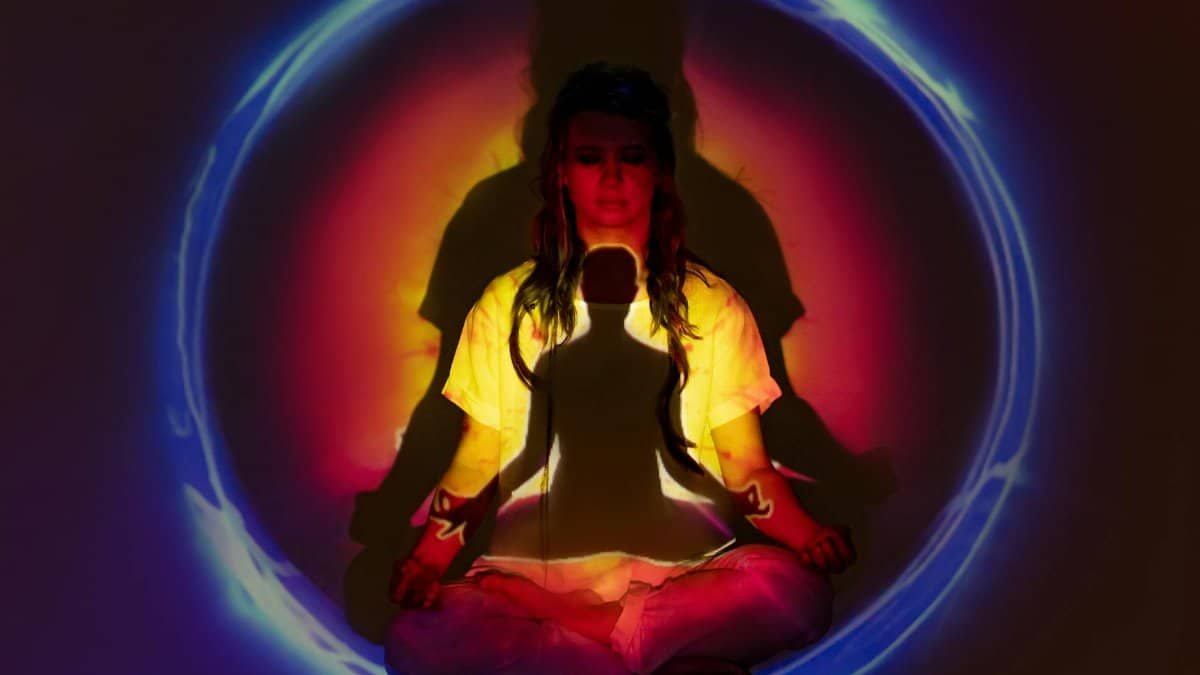
Balance isn’t just physical; it’s the foundation of emotional steadiness. Begin this sequence on one foot, tree pose rooting you like an ancient oak. Shift to warrior three for a challenge, arms extended, gaze steady. Why does this matter? In a world of constant flux, these poses teach resilience. Pew Research data shows that wellness practices like yoga are increasingly popular among Americans seeking mental health support in 2025. Pew Research Center on Health Behaviors tracks these trends. One person’s story: after a career setback, incorporating balances daily helped regain footing—literally and figuratively. Mix in transitions, like flowing from tree to half-moon, to keep it dynamic. The result? A sense of control that propels healing journeys forward.
5. Core Engagers for Deep-Seated Strength

Deep in the core lies untapped potential for healing. This sequence dives straight into boat pose variations, holding to build endurance, then easing into plank flows. It’s not about six-packs; it’s about stability that supports mobility. Consider a retiree in Florida rediscovering energy through these moves, turning weakness into quiet power. Evidence from the Mayo Clinic supports yoga’s role in core strength, linking it to better posture and reduced back pain. Mayo Clinic on Yoga details these advantages. Vary the intensity: add twists for an extra layer. As breaths deepen, so does the connection to inner drive, making this a cornerstone for those exploring driving, healing, mobility.
6. Leg Lengtheners to Foster Forward Momentum
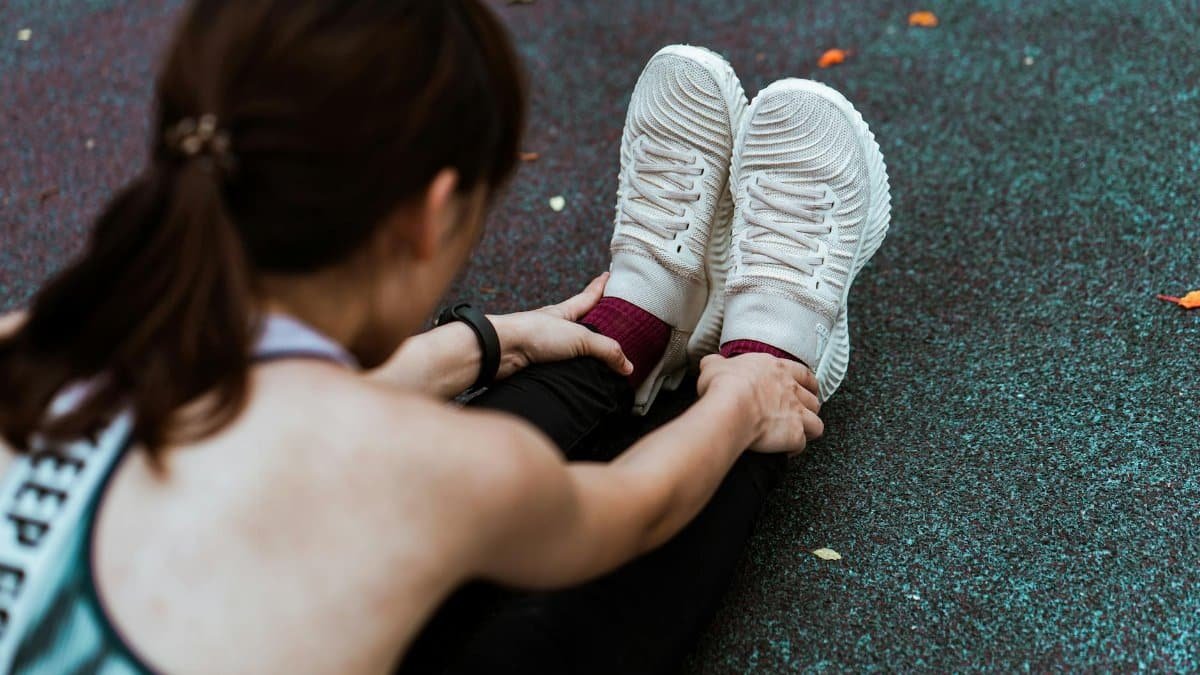
Legs propel us—through streets, challenges, life itself. This sequence emphasizes hamstring and quad stretches, starting with forward folds, then pyramid pose. Hold each for a minute, feeling the release. A narrative snippet: a runner sidelined by injury found solace here, describing it as “relearning to step confidently.” Studies from the American Journal of Physical Medicine & Rehabilitation affirm yoga’s efficacy in improving lower body flexibility. American Journal of Physical Medicine & Rehabilitation hosts related research. Incorporate lunges for balance, creating a flow that mirrors life’s ups and downs. In 2025, with more remote work, such practices counter sedentary habits, driving healing through enhanced mobility.
7. Breath-Centered Flows for Mindful Integration

Breath is the bridge between body and mind. Open with alternate nostril breathing, then weave in sun salutations adapted for mobility. Each inhale lifts, exhale grounds. Why this focus? It integrates driving, healing, mobility seamlessly. An anonymized forum post captured it: “Breath work turned my practice from exercise to therapy.” The CDC reports on yoga’s breathing techniques reducing hypertension. CDC on Physical Activity includes wellness insights. Vary by adding pauses, reflecting on sensations. This isn’t rushed; it’s a deliberate path to wholeness.
8. Restorative Poses for Gentle Recovery

Sometimes healing demands stillness. This sequence features supported bridge and legs-up-the-wall, props encouraged for comfort. Sink in, let gravity assist. A middle-aged professional recounted: “It was the pause I needed amid chaos.” NIH studies link restorative yoga to better sleep and stress reduction. National Institute on Aging on Yoga explores these effects. Transition softly between poses, emphasizing surrender. For those driving healing journeys, this offers profound mobility through rest.
9. Dynamic Flows to Build Resilience

Resilience grows in motion. Start with warrior sequences, flowing into chair pose twists. Build heat, then cool with forward bends. It’s a dance of effort and ease. Research from Johns Hopkins Medicine shows dynamic yoga boosts cardiovascular health. Johns Hopkins Medicine on Yoga provides evidence. One experience: overcoming burnout through these flows felt like reclaiming agency. Vary speeds to match energy levels, fostering lasting drive.
10. Integrative Sequences for Holistic Harmony

Bring it all together in this finale. Combine elements from prior poses into a personalized flow, perhaps starting with sun breaths and ending in savasana. The goal? Harmony across body, mind, spirit. As trends in 2025 evolve, such integrations highlight driving, healing, mobility’s full potential. A study in the International Journal of Yoga confirms holistic benefits. International Journal of Yoga archives support this. Reflect on the journey: what began as stretches becomes a transformative path. Practitioners often emerge renewed, ready for whatever comes next.