
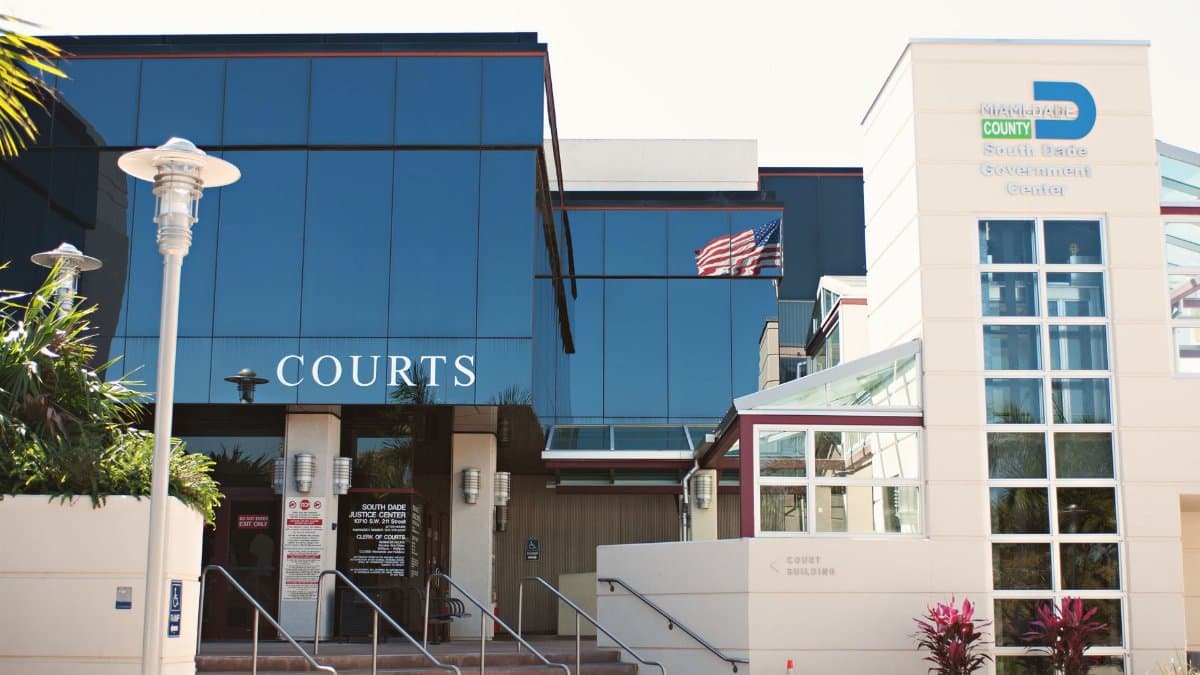
In the bustling communities of south Florida residents of Commission District 5 face daily decisions about growth and services that shape their neighborhoods. Local leaders must balance expansion with preservation of quality of life as populations increase and infrastructure ages. The Miami Herald editorial board reviewed the field of candidates and focused on those prepared to tackle pressing regional matters with practical experience and clear vision. Their analysis points to the importance of steady governance in areas where residents seek reliable responses to flooding risks and economic opportunity gaps.
Understanding Local Governance Needs

Effective county commission work requires attention to zoning rules that influence housing availability and business locations. Commission District 5 covers diverse areas where families want stable property values alongside access to parks and transit options. Candidates who bring records of collaboration with state agencies tend to advance projects more smoothly. Voters in this district have shown consistent interest in leaders who prioritize measurable outcomes over broad promises.
Examining Candidate Backgrounds

Several individuals sought the seat with varying levels of public service history. One contender emphasized prior roles in municipal planning that involved direct oversight of road repairs and community outreach programs. Another highlighted work in nonprofit organizations focused on education access. The editorial board noted how these experiences align with district demands for responsive administration that connects residents to available resources.
Addressing Infrastructure Concerns

Road maintenance and drainage improvements stand out as frequent topics in Commission District 5 discussions. Recent storms revealed vulnerabilities in older systems that affect daily commutes and property safety. Proposals for updated assessments and phased upgrades offer paths forward when coordinated with county budgets. Residents benefit when representatives advocate for funding allocations based on documented needs rather than political cycles.
Exploring Economic Development Opportunities

Job creation efforts in the district often center on small business support and workforce training initiatives. Partnerships with local colleges can prepare workers for roles in growing sectors like logistics and health services. Commission District 5 leaders play a part in attracting investment that respects environmental limits while expanding employment bases. Thoughtful policies encourage sustainable growth that strengthens community ties.
Considering Environmental Protection Measures

Coastal and inland zones within the district require careful management to mitigate erosion and water quality issues. Policies that promote green spaces and responsible development help maintain natural buffers. Input from scientists and engineers informs decisions that protect both ecosystems and residential areas. Commission District 5 representation influences how these strategies integrate with broader county plans.
Evaluating Public Safety Approaches

Community policing models and emergency preparedness receive attention during election periods. Data driven strategies can reduce incidents while building trust between officers and neighborhoods. Funding for equipment and training supports consistent service levels across the district. Voters respond to platforms that address root causes of local challenges through prevention and response coordination.
Reflecting on Community Engagement Practices

Town halls and digital forums allow residents to share views on upcoming proposals. Regular communication helps align commission actions with constituent expectations in Commission District 5. Successful candidates demonstrate records of listening sessions that lead to tangible adjustments in policy directions. This approach fosters accountability and informed participation among the electorate.
Assessing Budget Priorities

Allocation of county funds involves tradeoffs between competing projects across departments. District representatives must advocate for fair shares that address immediate needs like facility upgrades. Transparent reviews of spending patterns build public confidence in fiscal management. Commission District 5 oversight contributes to balanced approaches that sustain services over multiple years.