
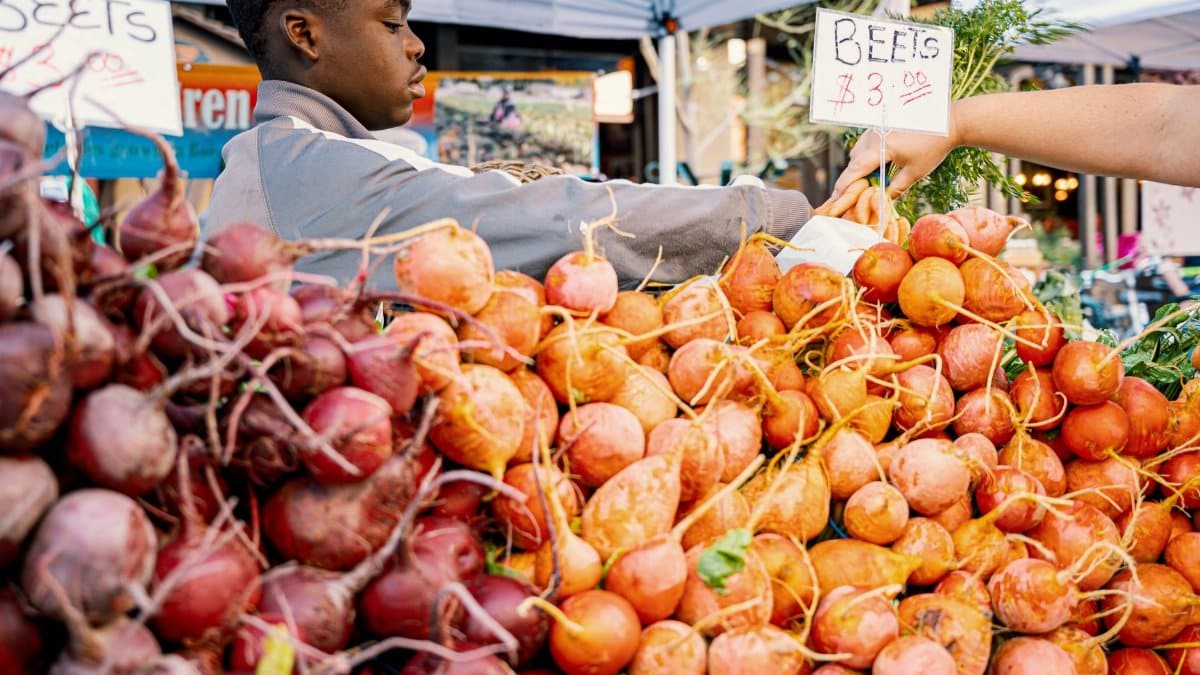
In the wake of a troubling foodborne illness linked to contaminated produce from distant suppliers, shoppers across the region have begun rethinking where their meals come from. This shift has brought fresh attention to Metro Detroit farmers who work small plots in urban neighborhoods and surrounding townships. Their stands and markets now draw longer lines, even as headlines warn of risks from larger scale agriculture.
Trust in Local Sources Grows Stronger
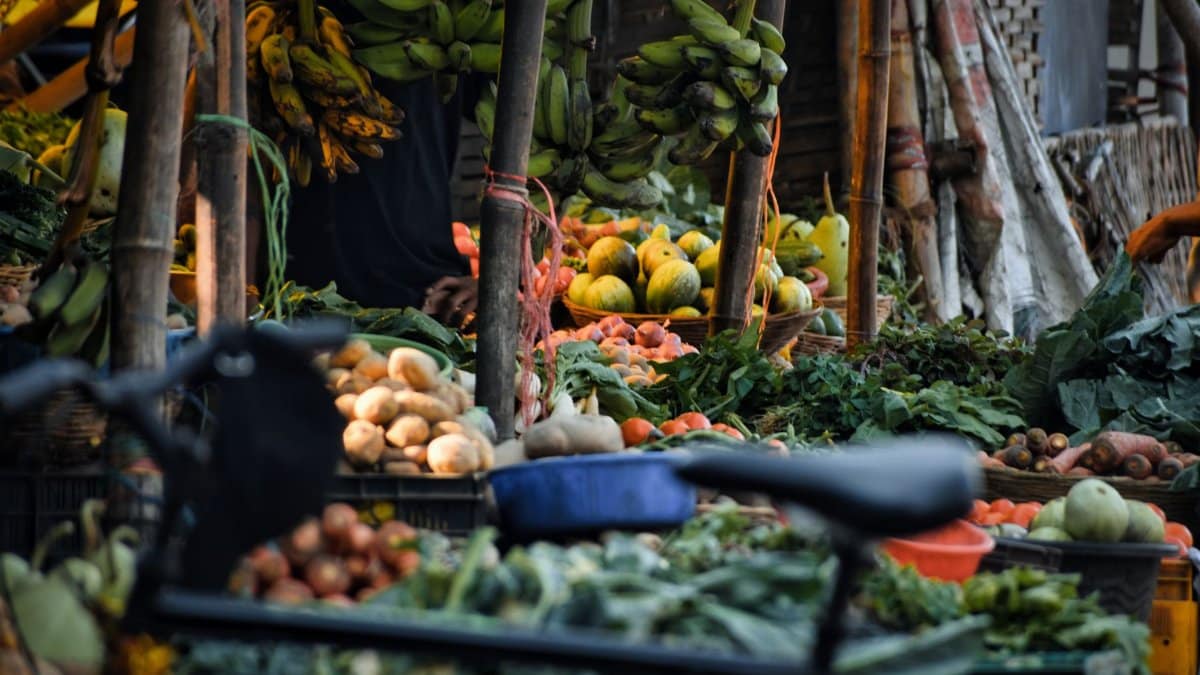
Families who once grabbed bags of greens at chain stores now seek out stands run by Metro Detroit farmers for items grown nearby. Conversations at these markets often turn to questions about soil quality and handling practices. Many buyers say they feel more at ease when they can speak directly with the person who tended the crop.
Urban Plots Adapt to Changing Demand
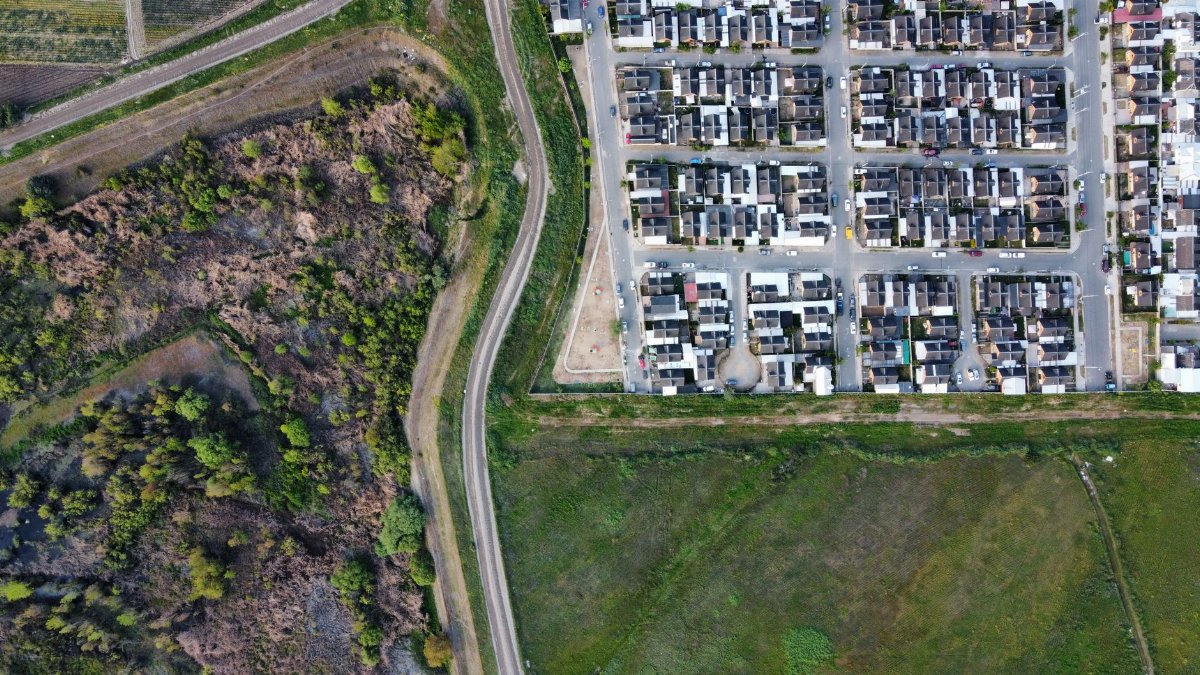
Small operations inside city limits have expanded their offerings this season. Some added extra rows of tomatoes and cucumbers after noticing steady crowds on weekends. These adjustments reflect a broader pattern where proximity to customers allows quick responses to what people want on their tables.
Supply Chains Face New Scrutiny
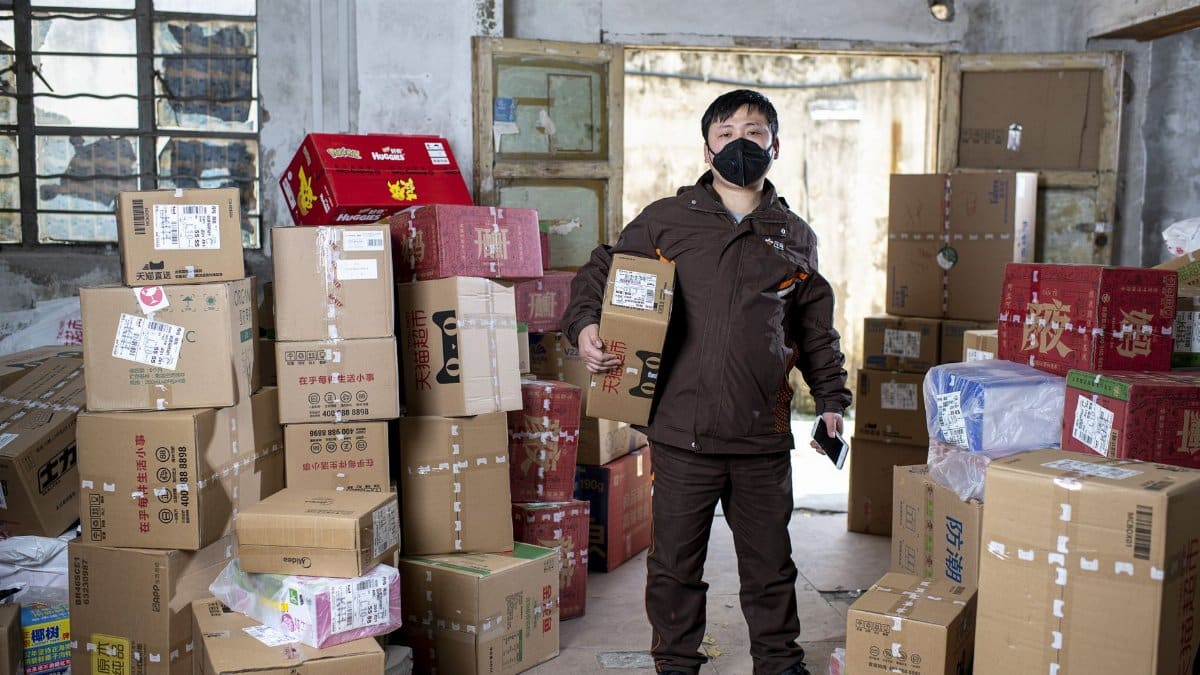
National distribution networks came under review after the outbreak traced back to imported vegetables. In contrast, produce from Metro Detroit farmers travels shorter distances and reaches buyers within days of harvest. This reduced transit time appeals to those concerned about freshness and safety.
Community Markets See Steady Crowds
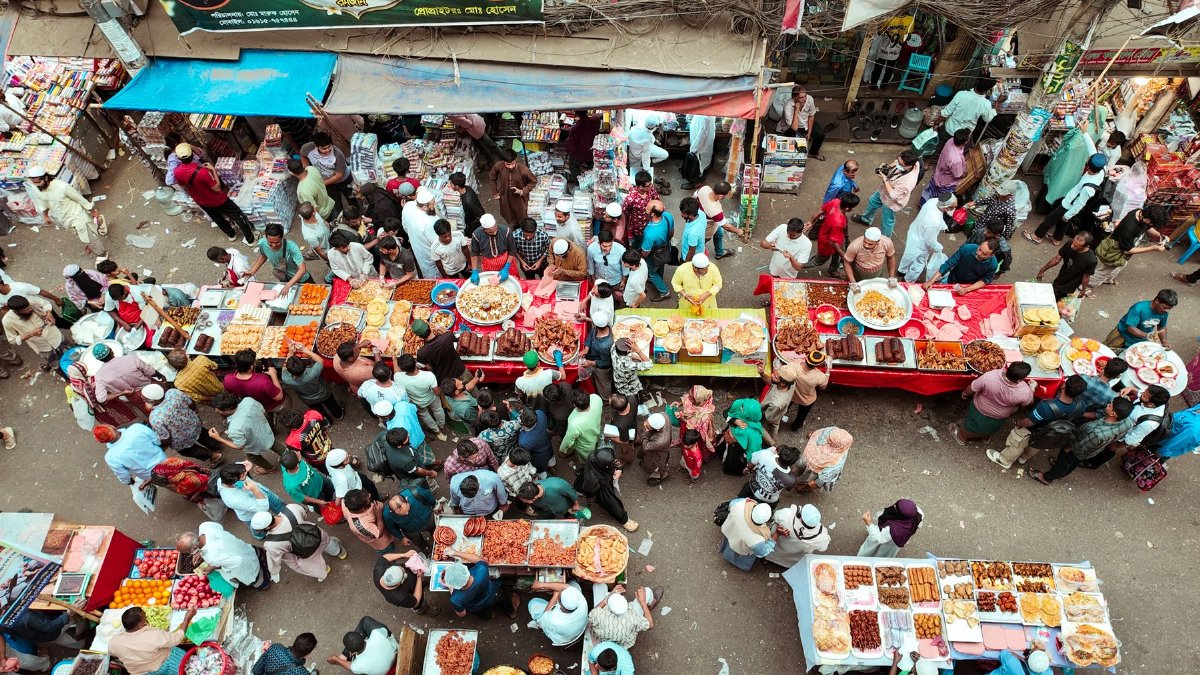
Weekend gatherings in places like Eastern Market and smaller neighborhood spots report higher foot traffic. Vendors note that regulars bring friends who are new to the scene. The atmosphere feels more personal, with stories exchanged about recipes and growing conditions rather than rushed transactions.
Younger Growers Enter the Field
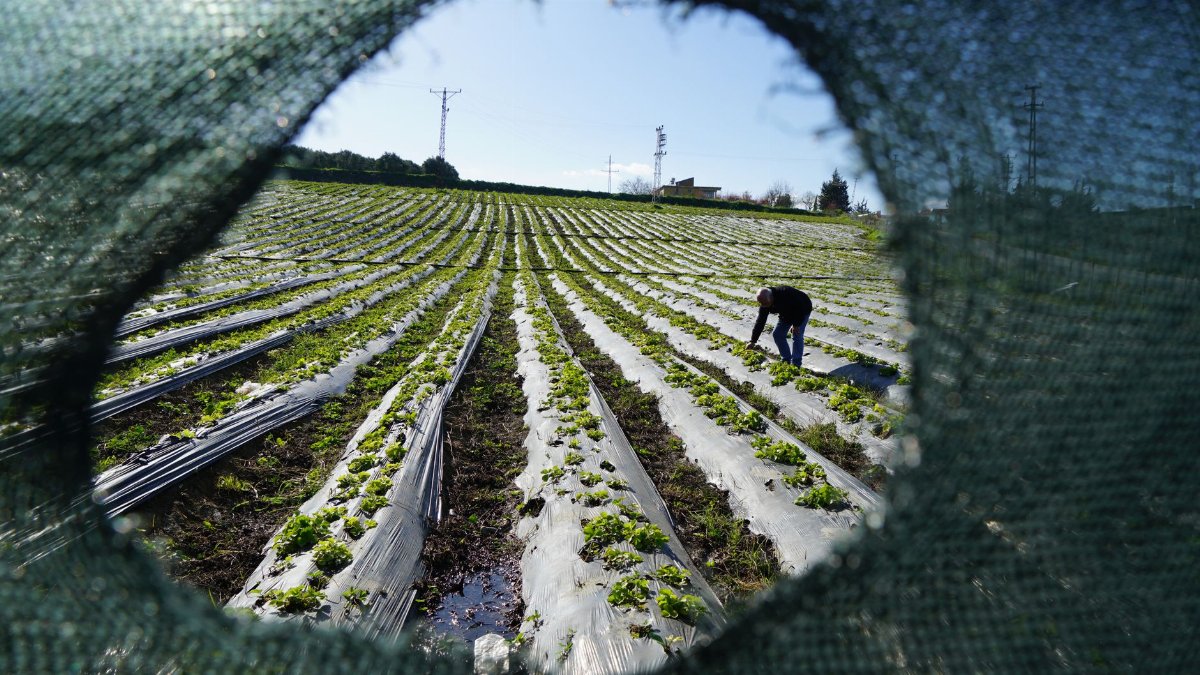
A wave of residents in their thirties and forties has taken up small scale cultivation in recent years. They cite both economic opportunity and a desire to strengthen neighborhood food options. Their presence adds variety, from specialty herbs to lesser known greens that larger stores rarely stock.
Health Officials Offer Balanced Guidance

Public health messages continue to stress careful washing of all produce regardless of origin. At the same time, experts acknowledge that direct relationships with growers can provide added reassurance. Metro Detroit farmers have welcomed this perspective and often share handling tips at their stands.
Economic Ripple Effects Reach Local Businesses

Increased sales at farm stands support nearby bakers and cheese makers who share space at markets. The uptick helps sustain jobs tied to planting, harvesting, and transport within the region. This cycle keeps money circulating among residents instead of flowing to distant corporations.
Seasonal Challenges Remain Despite Gains
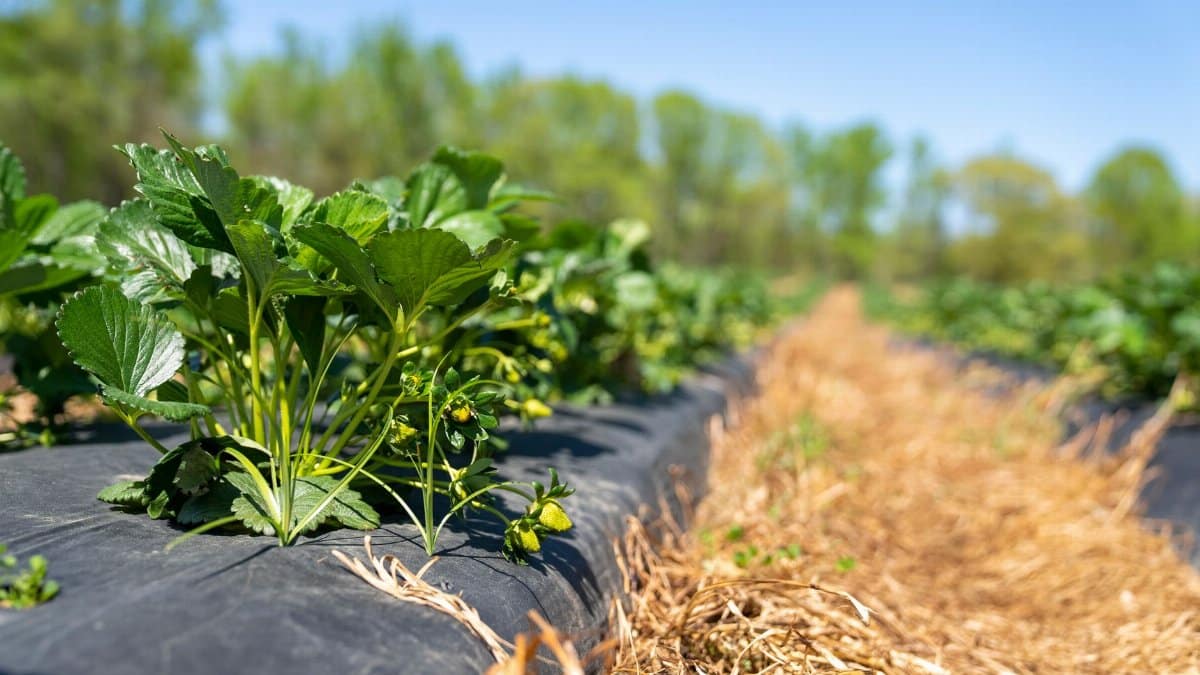
Weather patterns still dictate yields, and some growers worry about upcoming dry spells. Yet the current surge in interest gives them room to plan improvements such as better irrigation or expanded greenhouse space. Long term stability will depend on consistent customer habits beyond the immediate concerns.
Broader Lessons for Food Choices

The episode highlights how outbreaks can redirect attention toward shorter supply lines. Metro Detroit farmers benefit from this awareness, yet they stress that vigilance must continue across all sources. Shoppers appear willing to adjust routines when they perceive tangible benefits in quality and accountability.