
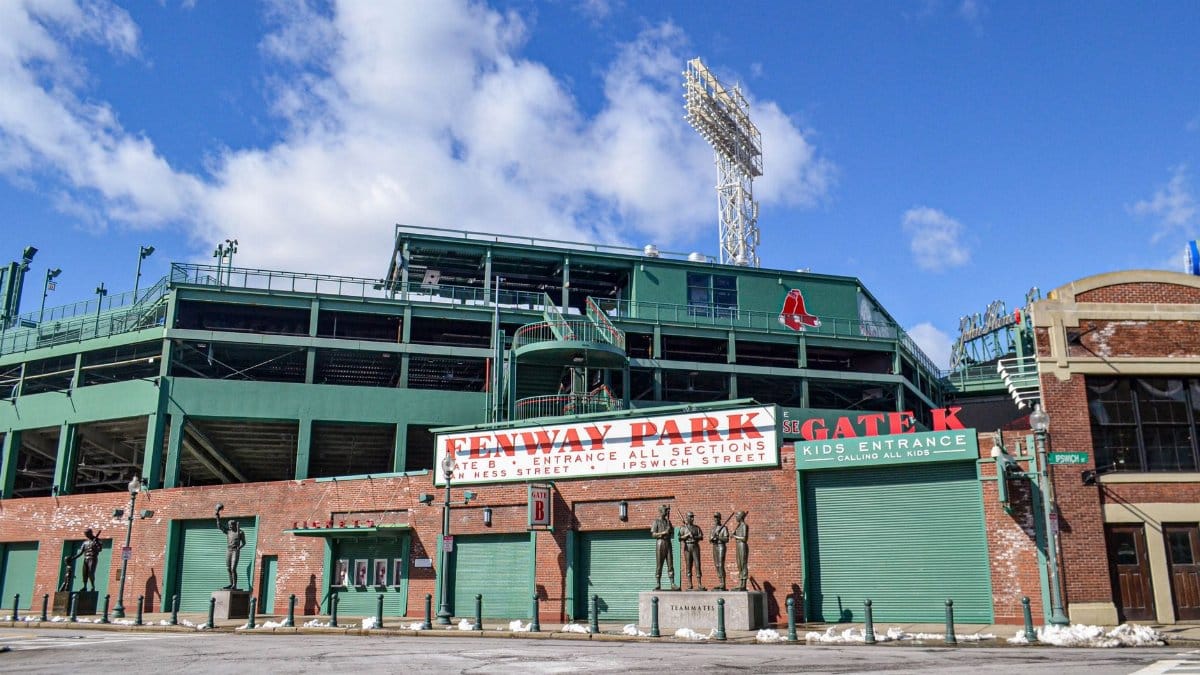
A sudden social media post from federal authorities featuring the iconic baseball stadium in Boston caught many observers off guard last week. The image showed Fenway Park under clear skies with an overlay referencing security measures. This unexpected choice by the Department of Homeland Security ignited conversations across the country about how official agencies select symbols to convey messages of protection and unity. Fenway Park DHS quickly became a focal point in discussions on public communication strategies. Observers noted that the venue carries deep cultural weight for New Englanders and baseball fans nationwide. The post appeared without much preamble leaving room for varied interpretations about its intent and timing.
The Background Behind the Image Choice

Federal agencies often turn to recognizable landmarks when sharing updates on safety initiatives. In this instance the selection of a historic ballpark stood out because it evoked everyday American gatherings rather than official buildings. Commentators suggested the intent might have been to connect security themes with community spaces where people come together for leisure. Yet the approach raised questions on whether such venues should feature in messages from security focused departments.
Public Reaction Across Social Platforms

Responses poured in rapidly after the photograph appeared online. Some viewers appreciated the nod to a beloved local spot while others questioned the blending of recreational imagery with homeland security topics. Threads on major platforms filled with opinions ranging from support for creative outreach to concerns over politicizing sports sites. The debate highlighted divides in how citizens view government messaging in casual settings.
Symbolism and Its Role in Official Communications

Landmarks like ballparks often represent resilience and shared experiences in American culture. Using one in a security context can amplify themes of safeguarding daily life. Analysts pointed out that Fenway Park DHS messaging seemed to lean on this emotional connection to reach audiences who might otherwise tune out standard alerts. Still the execution invited scrutiny on whether the symbolism landed effectively or created unintended friction.
Media Coverage and Its Amplification Effect

News outlets from various regions picked up the story within hours expanding its reach beyond New England. Reports examined past examples of agencies using cultural sites in campaigns and compared them to this case. Coverage emphasized the need for clarity when official posts venture into symbolic territory. Journalists noted that without additional context such images can spark confusion rather than reassurance.
Expert Views on Messaging Strategies

Communication specialists weighed in on the potential benefits and drawbacks of the approach. They observed that familiar locations can humanize government efforts but risk diluting serious topics if not handled carefully. Several suggested future posts include more explanatory text to guide interpretation. The episode served as a reminder that visual choices carry weight in shaping public perception of federal priorities.
Historical Context of Government Imagery Use
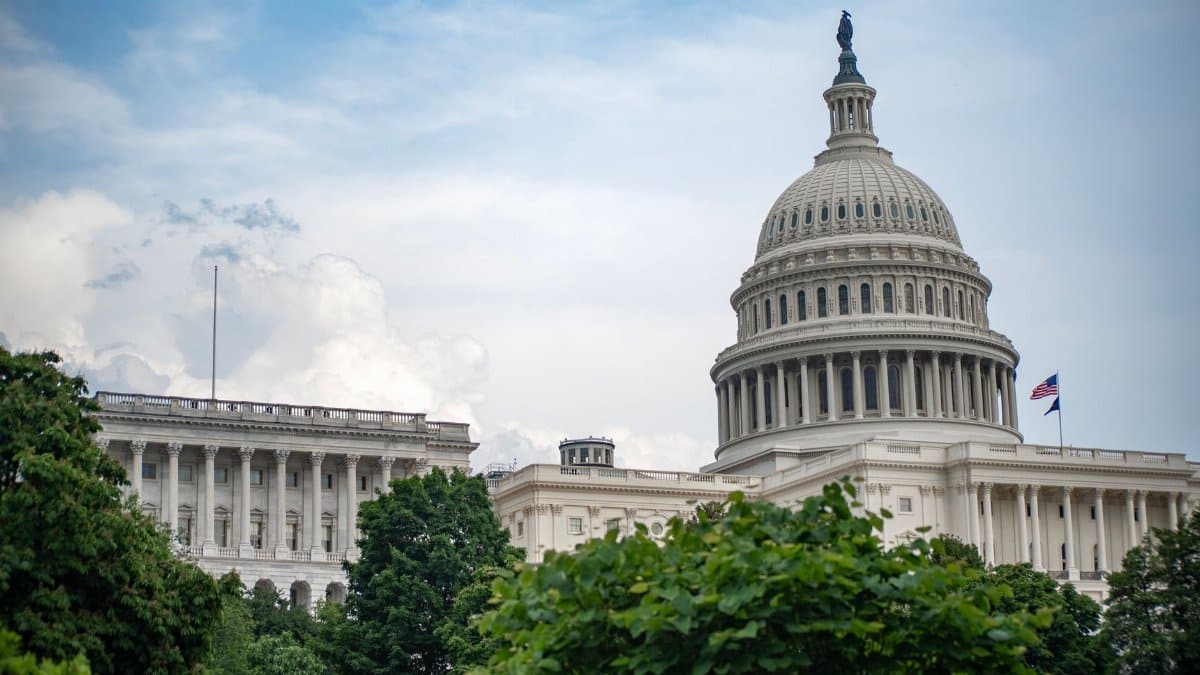
Agencies have long incorporated national icons in outreach materials from monuments to parks. This tradition aims to foster a sense of collective identity and vigilance. The Fenway Park DHS example fits within that pattern yet stands apart due to the venue’s association with entertainment over solemn reflection. Historians of public relations traced similar efforts back decades noting evolving tastes in visual storytelling.
Implications for Future Agency Practices
The controversy may influence how departments approach visual content in coming months. Officials could adopt more cautious selections or pair images with detailed explanations to avoid misreadings. Discussions in policy circles now include calls for guidelines on landmark usage in security related posts. Such adjustments might help balance creativity with clarity in official channels.
Broader Conversations on National Symbols

Beyond the immediate post the episode tapped into ongoing reflections about what locations best embody American values today. Ballparks hold particular resonance for their role in community bonding across generations. As agencies experiment with imagery the choice of Fenway Park DHS underscores the power of these sites to prompt both connection and debate in equal measure.