

In recent weeks a surprising case from South Florida has drawn notice for the way one individual crossed into the realm of official power without any right to do so. The events centered on a resident who presented herself as a federal agent in order to influence the outcome of removal proceedings. Through careful steps that later came to light in court records the Coral Gables ICE impersonator managed to insert herself into sensitive matters before her actions were uncovered.
Sequence of Events in the Coral Gables Case

Authorities began to investigate after reports surfaced that someone had contacted families facing removal and claimed authority to halt the process. Investigators traced the calls and visits back to a single address in the Coral Gables area. Once search warrants were executed evidence of badges identification cards and scripts emerged that showed a deliberate effort to appear legitimate.
Motivations Behind the Impersonation

During interviews with prosecutors the woman described a desire to shield certain households from separation. She spoke of personal connections formed over years in the community and a wish to offer immediate relief when official channels seemed slow. Court documents indicate these choices were not random but followed a pattern of research into ongoing cases.
Legal Proceedings and Guilty Plea
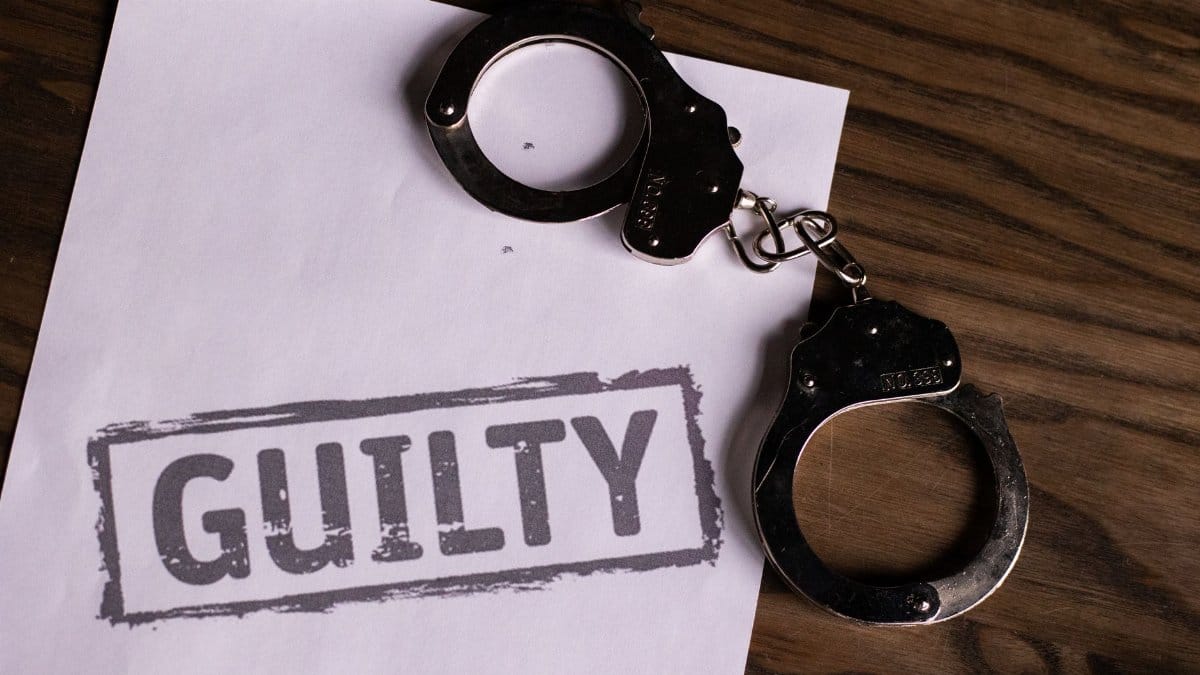
Federal charges were filed once the impersonation was confirmed. The defendant entered a plea that acknowledged the use of false authority and the creation of misleading documents. Sentencing remains ahead yet the range of possible outcomes includes a period of confinement that reflects the seriousness of assuming a federal role.
Impact on Local Families and Trust

Those who received the false assurances later expressed confusion and concern once the truth became clear. Some had altered plans based on the information they received while others simply felt betrayed by someone they had viewed as an advocate. Community leaders noted that such incidents can erode confidence in genuine enforcement efforts.
Broader Questions on Immigration Enforcement
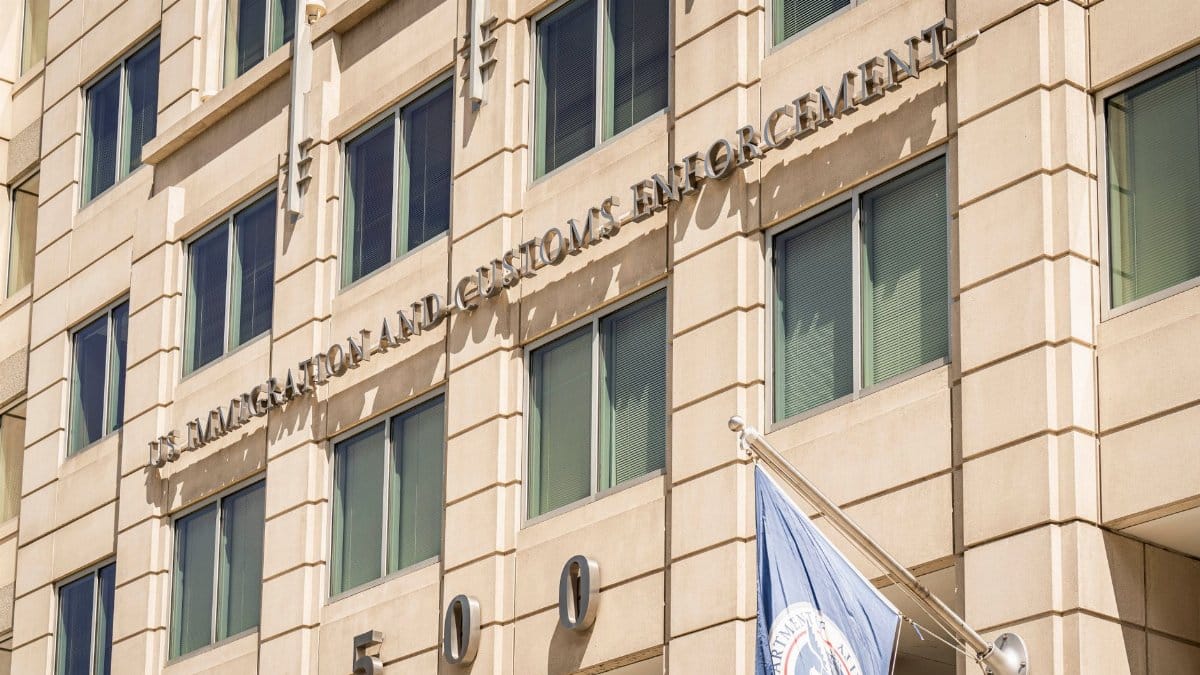
The episode raises points about how individuals interact with federal processes and what safeguards exist to verify identities during contacts. Observers suggest that clearer public guidance on official channels might reduce opportunities for confusion. Discussions continue among policy groups about balancing swift action with verification steps.
Role of Personal Ethics in Civic Actions

At its core the matter touches on questions of right and wrong when private citizens seek to influence government outcomes. Ethical frameworks drawn from various traditions emphasize honesty and respect for established procedures even when results feel unjust. The Coral Gables ICE impersonator case serves as a reminder that good intentions do not always align with lawful conduct.
Media Coverage and Public Reaction

Local outlets carried the story with attention to court filings rather than speculation. Readers responded with a mix of surprise and calls for measured discussion about immigration policy itself. Social platforms showed threads debating the line between activism and overreach yet most agreed that impersonation carries clear risks.
Lessons for Future Prevention Efforts
Agencies involved have indicated interest in public notices that help residents recognize authentic officers. Training sessions for community groups may also address how to report suspicious contacts without fear. The goal remains to maintain order while protecting people from deceptive practices that exploit hope.