
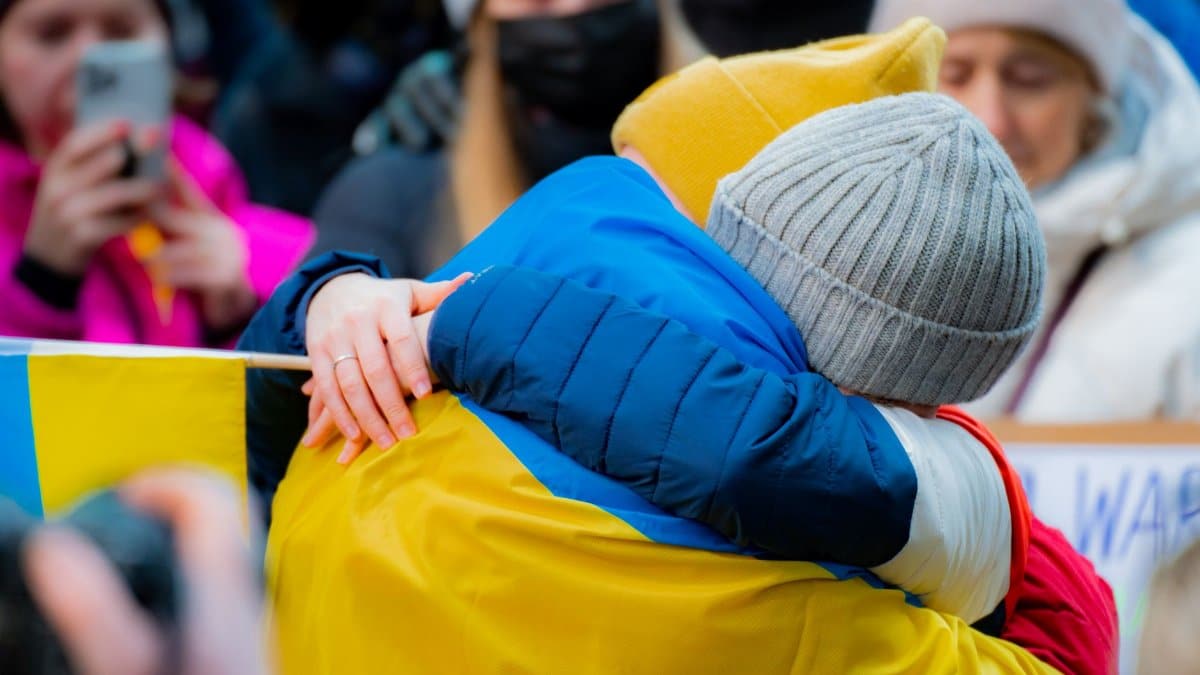
In a capital that measures time by air raid alerts as much as by clocks, a diplomatic setback can feel as immediate as a power cut. Ukrainian President Volodymyr Zelenskyy spent the days after a White House pause pressing partners not to treat pressure on Moscow as optional. The Zelenskyy sanctions appeal arrived after President Trump put a new United States package aimed at Russia on hold, a choice Kyiv described as unfortunate and allies read as a signal about American resolve. For readers far from the front, the episode can look like another turn in a long war. For Ukrainians, it is a question of whether the economic vise on the Kremlin stays tight while cities absorb another season of strikes, blackouts, and funerals.
How a pause in Washington reached Kyiv
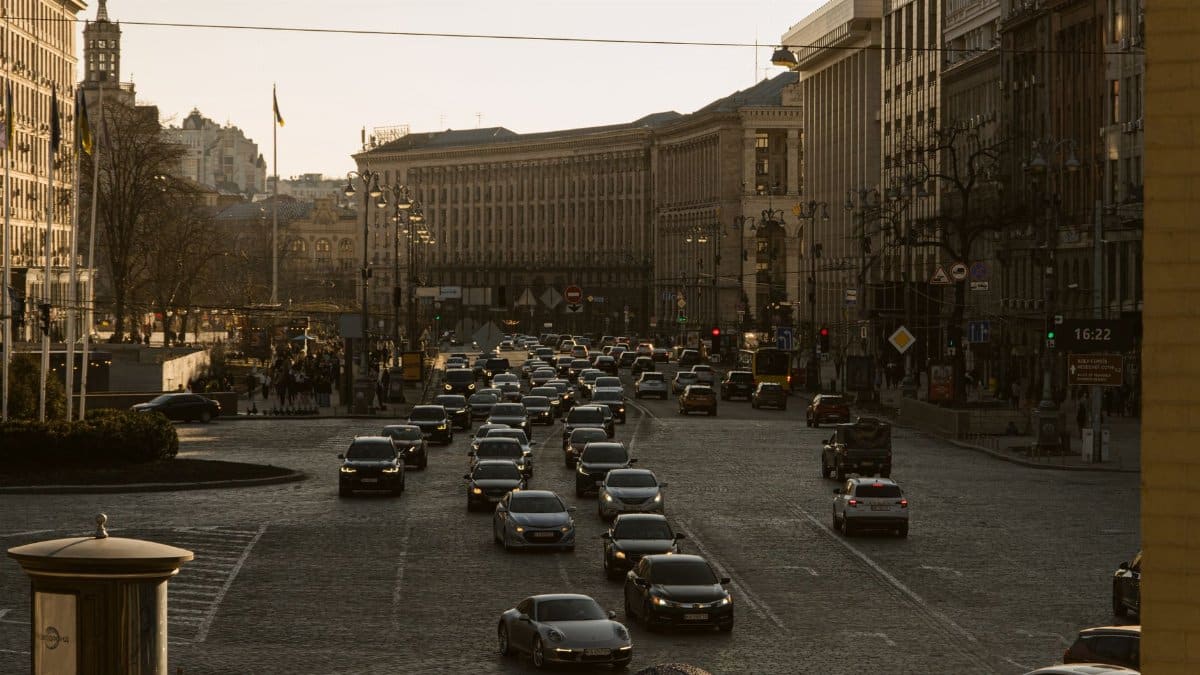
The Boston Globe account of the moment captured a familiar pattern. A decision taken in Washington travels quickly into Ukrainian political life, where every delay is weighed against missiles, drones, and the cost of keeping the lights on. Officials in Kyiv did not treat the hold as a technical scheduling matter. They treated it as a message about whether the United States still intends to raise the price of aggression while talks, threats, and battlefield movement all compete for attention. A pause can be reversed. It can also become a habit. That is why the language from the Ukrainian presidency was public, direct, and aimed past any single news cycle.
The package and the logic of economic pressure

Sanctions are not a substitute for air defense, artillery, or the painful work of holding ground. They are a parallel front. The idea behind a fresh United States package is straightforward even when the legal text is dense. Limit the revenue that pays for weapons. Complicate the shipping, insurance, banking, and energy trades that let Russia sell oil and gas into a world that still needs fuel. Raise the cost for firms and intermediaries that help Moscow work around earlier restrictions. None of that ends a war by itself. It can narrow the Kremlin budget, slow procurement, and signal that occupation will not be normalized by markets that prefer quiet.
Supporters of tighter measures argue that earlier rounds lost force when enforcement lagged and buyers found new routes. Critics answer that broad restrictions can lift global prices and hurt households that never voted for this war. Both claims can be true at once. The policy argument is about whether the remaining tools are still sharp enough to matter, and whether Washington is willing to use them while it also courts a settlement.
Trump and the choice to wait
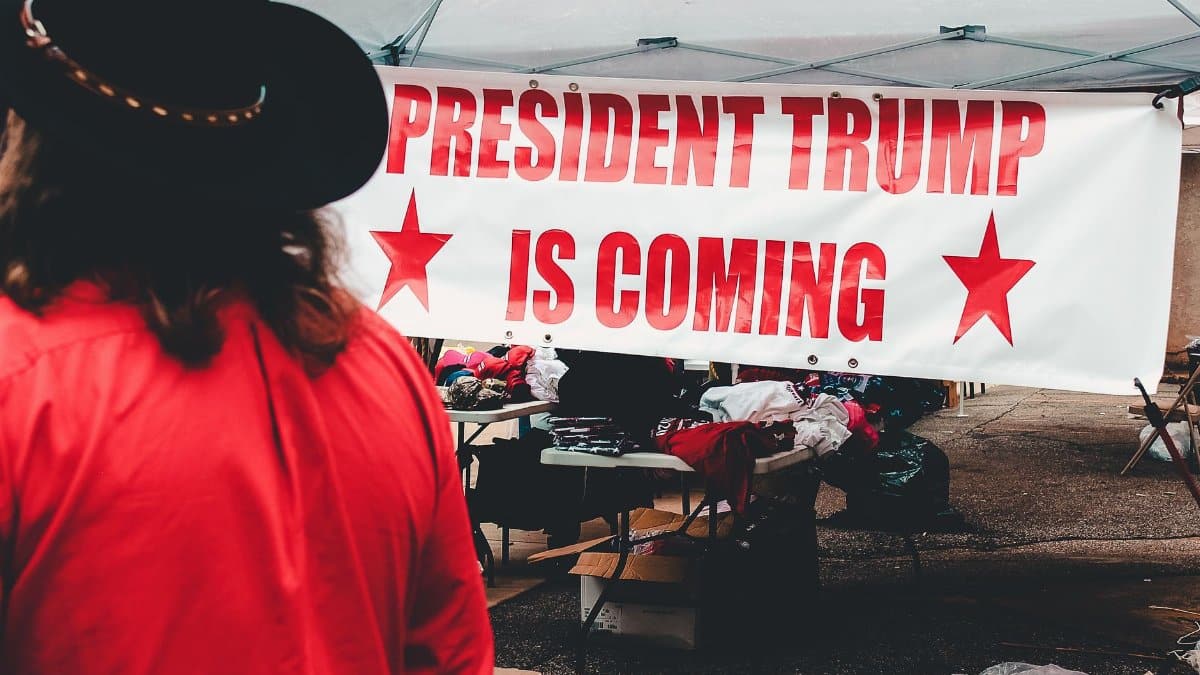
President Trump has cast himself as a dealmaker who wants the fighting to stop. Putting a sanctions package on hold fits a theory of leverage that prizes flexibility over a fixed schedule. If pressure is automatic, the argument goes, Moscow has less reason to test whether Washington will trade penalties for concessions. If pressure can be paused, the White House keeps a card in its hand. That theory depends on the other side reading restraint as strength rather than fatigue. Ukrainian leaders have warned, across several American administrations, that Moscow often reads hesitation as permission to wait out the West.
The hold does not erase sanctions already on the books. Banks, export controls, and energy measures adopted since the full scale invasion remain in force unless formally lifted. What changed is momentum. A new package is a statement that the ceiling can still rise. Parking that statement leaves partners guessing which American priority will dominate the next month: punishment, negotiation, or simple delay.
What the appeal asked of partners
The Zelenskyy sanctions appeal was not a request for sympathy alone. It was a request for alignment. Kyiv wants the United States, European governments, and other major economies to treat enforcement as a shared task rather than a courtesy extended when headlines are quiet. That means watching the fleet that moves Russian oil outside familiar insurance markets. It means asking whether third country buyers and traders are being given a free pass. It means resisting the temptation to announce unity in communiques while national exemptions multiply in practice.
Public appeals also serve a domestic purpose. Ukrainians have lived with curfews, mobilization, and ruined housing for years. When their president argues abroad for economic pressure, he is telling citizens that diplomacy has not been reduced to pleading for weapons. The appeal frames sanctions as part of national defense, not as a technocratic hobby of finance ministries.
European capitals and a familiar worry

European governments have their own politics of energy, industry, and voter patience. Many already absorbed higher fuel costs and a reorganization of gas supply after Russia turned trade into a weapon. Some leaders worry that another American pause will leave Europe carrying both the financial burden and the political risk. Others quietly welcome a slower timetable if it lowers the chance of a price spike before winter. The result is a chorus that sounds supportive in public and cautious in detail.
Unity has always been uneven. Hungary and other skeptics have slowed European Union decisions before. Larger states have disagreed about how hard to squeeze oil revenue without shocking their own refineries. A firm signal from Washington often papers over those splits. When that signal softens, the splits return to view. Kyiv knows this history and speaks to it when it asks partners not to let a hold in one capital become an excuse in several others.
Oil revenue and the machinery of war
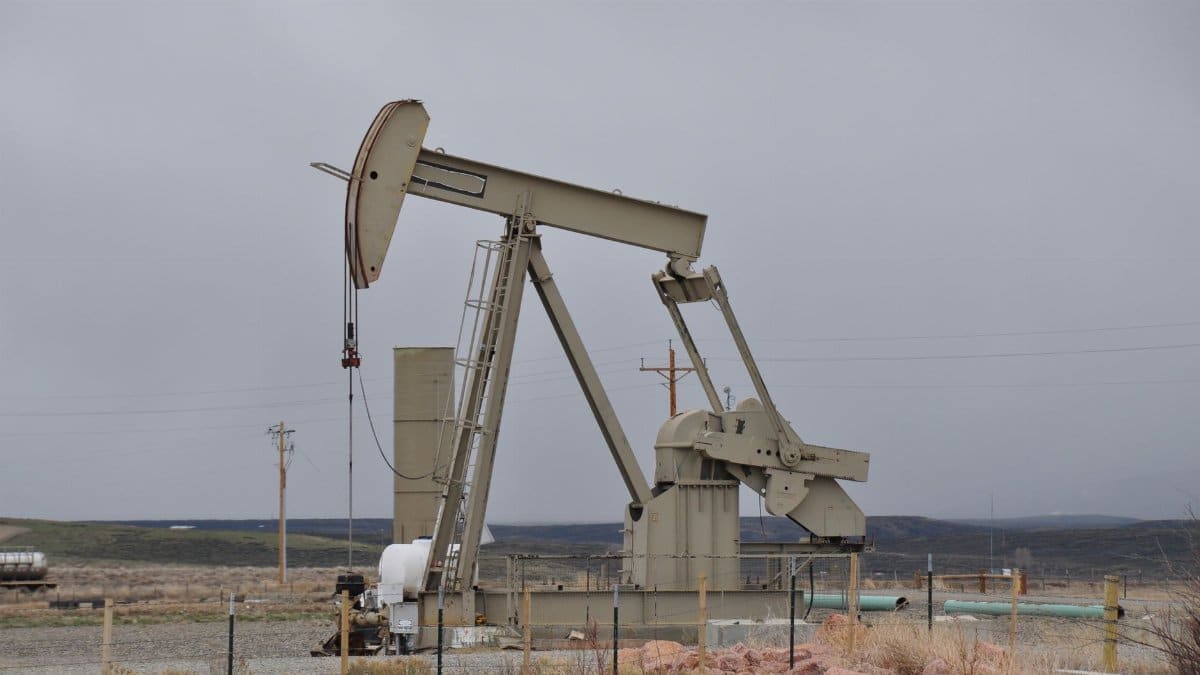
Russia still sells hydrocarbons into a global market that has not fully severed the relationship. Discounts, rerouted cargoes, and opaque ownership structures have limited the bite of earlier price measures. Analysts who follow tanker movements describe a cat and mouse contest between regulators and traders. Each new restriction invites a new workaround. Each workaround invites a narrower rule, a new designation, or a warning to insurers and ports.
That contest is why a paused package matters even if no one can publish a precise forecast of barrels and budgets. The machinery of war is paid for in currency earned abroad and converted, with friction, into missiles, drones, salaries, and imported parts. Reducing that conversion is slow work. Abandoning it is faster. Ukrainian officials argue that Moscow should not be granted a season of easier sales while Ukrainian cities spend the same season under attack.
The battlefield that frames every statement

Sanctions debates in Western capitals can sound abstract until they are set beside the map. Russia continues to press along sections of the front, using massed drones and missiles against energy sites and civilian areas as well as military targets. Ukraine answers with its own long range strikes on logistics and energy infrastructure inside Russia, a campaign that raises escalation fears in Washington and European capitals even as Kyiv calls it a necessary answer to bombardment at home.
Neither side has produced the kind of breakthrough that would make economic policy irrelevant. The war remains a grind of attrition, manpower, and industrial capacity. In that setting, a sanctions hold is not a sideshow. It is one of the few levers that does not require putting foreign troops on Ukrainian soil. For a public tired of open ended commitments, that fact cuts both ways. It makes sanctions politically easier than deployments, and it makes any delay look, to Kyiv, like a voluntary weakening of the safer tool.
Congress, voters, and the politics of delay
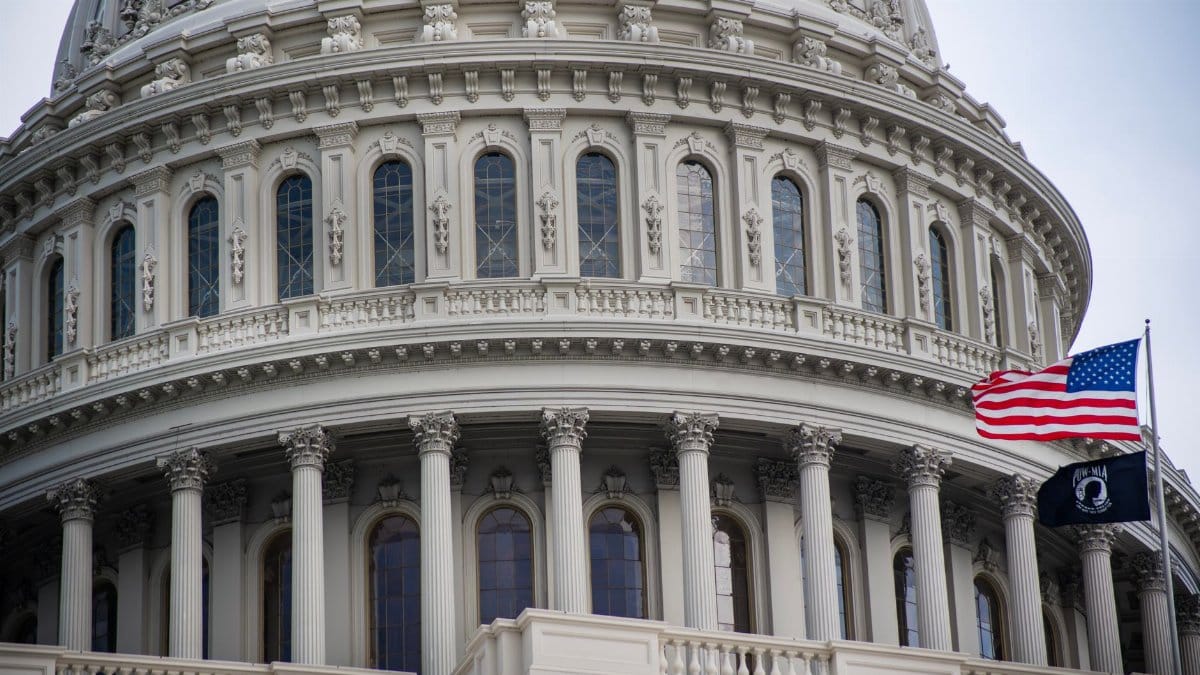
American sanctions authority sits at the intersection of presidential power and congressional mood. Lawmakers in both parties have at times demanded harder measures and at times worried about costs to farmers, shippers, and energy consumers. A president who pauses a package invites questions from members who want pressure increased and from members who want a negotiated pause in the fighting itself. Those questions will not be settled by a single statement from Kyiv.
Voters hear the war through prices, through arguments about allied burden sharing, and through a broader distrust of foreign entanglements. The Zelenskyy sanctions appeal has to travel through that noise. It asks Americans to see restrictions on Russian revenue as a way to shorten the conflict rather than as a ritual that prolongs it. Whether that case lands depends less on eloquence than on whether the White House treats the hold as a brief tactic or as a new direction.
What Ukrainian officials say they still need
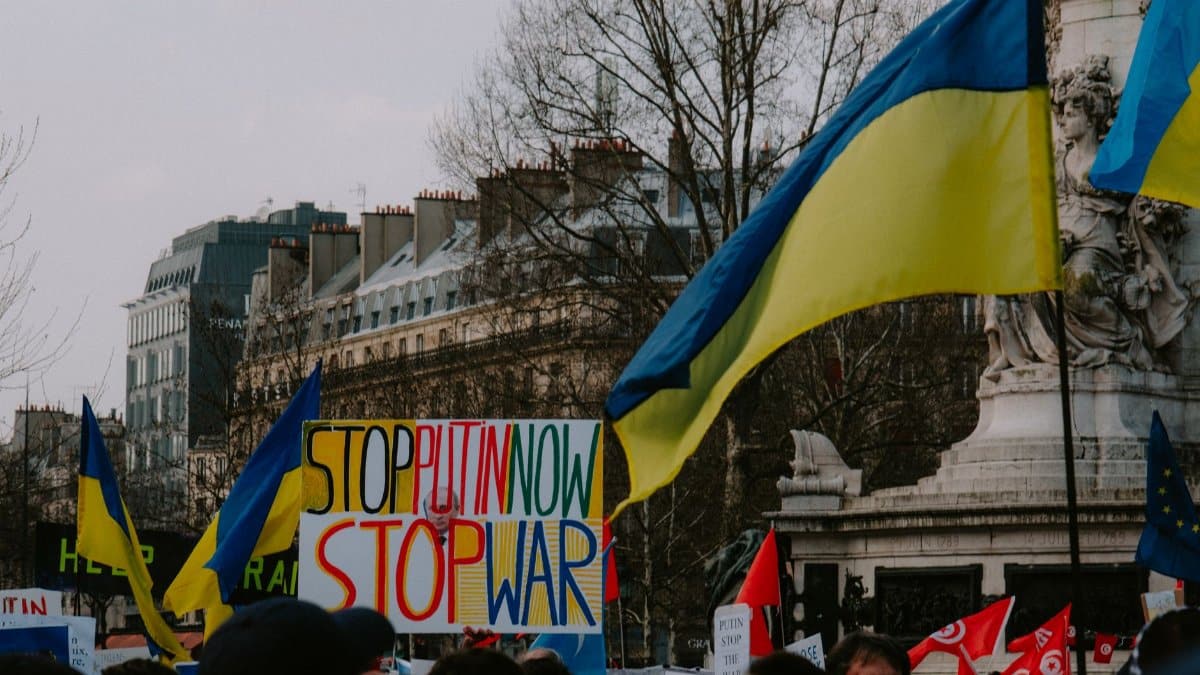
Alongside sanctions, Ukraine continues to seek air defense interceptors, artillery ammunition, and financial support for a budget strained by war. Those requests are not in competition with economic pressure in Kyiv’s telling. They are parts of one strategy: survive the strikes, hold the line, and deny Russia a comfortable war economy. A hold on new penalties does not cancel military aid already approved. It does force planners to ask whether political will in Washington is fragmenting across every category of help.
Diplomats describe a practical wish list that is less dramatic than a speech. Close loopholes. Publish enforcement cases so that traders believe the rules are real. Coordinate with European partners so that a cargo rejected in one port is not quietly welcomed in another. Keep frozen Russian sovereign assets inside a legal process that can support Ukrainian reconstruction rather than letting the debate drift until the public loses the thread. None of those steps requires a new theory of the war. They require attention.
Language of endurance without illusion

There is a moral register to this argument that should not be confused with sentimentality. Civilian deaths, deported children, and destroyed towns are not metaphors. They are the reason economic statecraft is being asked to do more than manage markets. At the same time, moral language cannot invent enforcement capacity that governments have not built. I have watched enough cycles of outrage and forgetting to know that a moving appeal fades if it is not attached to agencies, budgets, and follow through.
Zelenskyy has learned to speak in both registers. He names the suffering and then names the instrument: sanctions, weapons, loans, prisoners, ports. The unfortunate decision, in Kyiv’s phrase, is unfortunate because it separates those instruments at a moment when Russia is testing whether the coalition still functions as a coalition. Endurance, in this reading, is not a mood. It is a set of choices repeated when they are no longer novel.
Households, prices, and distant consequences

Middle aged readers in the United States often meet this war at the gas pump, in grocery costs, or in arguments at the dinner table about what the country owes a distant ally. Those encounters are legitimate. Sanctions that tighten oil supply can show up in household budgets. So can a wider war that unsettles grain routes, insurance rates, and European industry tied to American trade. The honest policy conversation admits the tradeoffs instead of pretending that pressure is free.
The alternative also has a price. A Russia that concludes the West will not refresh its economic tools may invest more heavily in a long war, with costs that return later as refugee flows, higher defense spending, and a precedent that borders can be revised by force. Households do not itemize that precedent on a receipt. Governments are supposed to. The pause forces that calculation back into public view.
A narrower opening that has not closed

A hold is not a repeal. The White House can still release the package, narrow it, or trade pieces of it for verifiable steps that Ukraine and its partners would recognize as more than a pause in rhetoric. European governments can enforce what they have already passed. Companies that profit from opaque trades can be reminded that reputational and legal risk has not been suspended. The Zelenskyy sanctions appeal is an attempt to keep that narrower opening from sealing shut while leaders talk about peace in the abstract.
Peace will require more than penalties. It will require security arrangements Ukrainians believe will hold, and a Russian calculation that continued war costs more than it gains. Until that calculation changes, economic pressure remains one of the few instruments that does not ask foreign soldiers to fight and does not ask Ukrainians to accept occupation as the price of other people’s comfort. The coming weeks will show whether the unfortunate pause was a tactic on the way to a harder line, or the start of a quieter retreat.