

As summer evenings stretch across Los Angeles the air fills with distant rumbles that signal coming celebrations. Many households prepare for gatherings yet overlook how these events unsettle the animals sharing their homes. The topic of Pet Fireworks Safety July 4th LA draws attention from veterinarians and animal advocates who note rising cases of stress related escapes each year. Families can take measured steps to reduce risks and maintain calm for their companions during this period.
Recognizing Signs of Distress in Pets
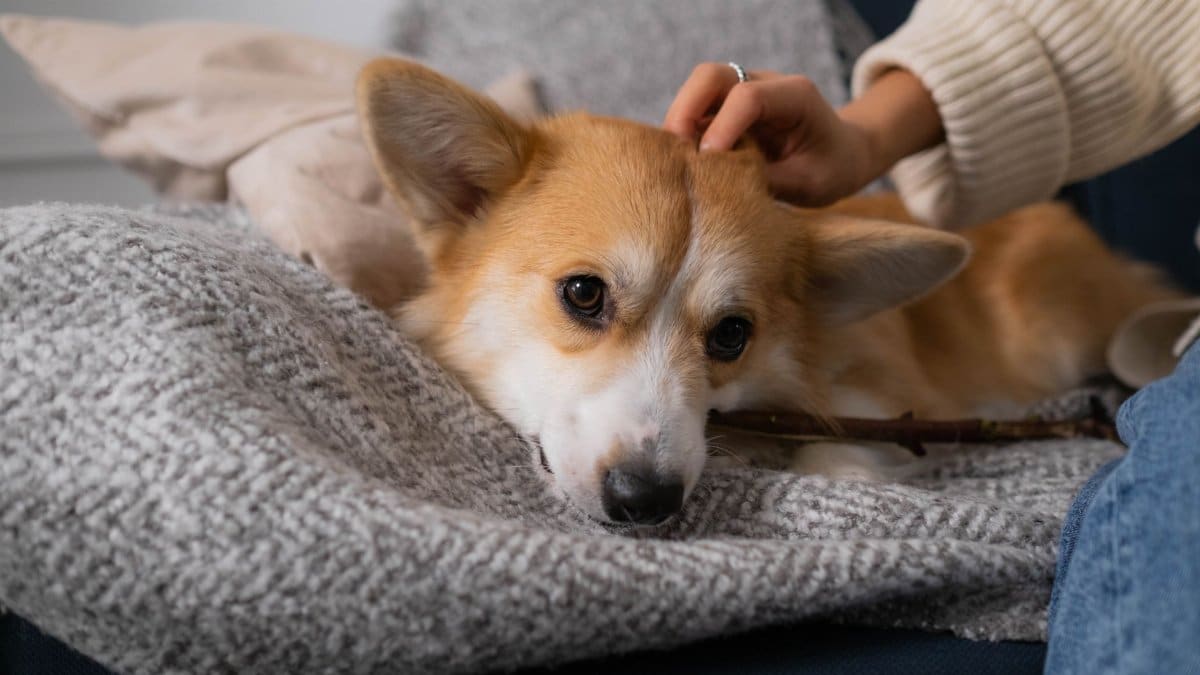
Animals communicate fear through changes in behavior that owners might miss at first. Pacing restlessness or attempts to hide under furniture often signal growing anxiety as sounds build outside. Some pets refuse food or water while others bark excessively or claw at doors. Tracking these patterns ahead of time allows for quicker responses when festivities begin. Local observers report that even typically calm dogs and cats show new reactions during peak noise periods in urban settings.
Setting Up a Quiet Retreat Area

Designating one room as a sanctuary helps limit exposure to external sounds. Close curtains to reduce flashes of light and add familiar bedding or toys that provide comfort. Ensure the space has access to water and a litter box if needed without requiring travel through noisy zones. Testing this setup on quieter nights reveals what adjustments might improve results before the main event arrives.
Exploring Sound Masking Options

Background audio from televisions or speakers can soften the impact of sudden booms from nearby displays. Classical music playlists or white noise machines create steady layers that distract from irregular bursts. Volume levels should stay moderate to avoid adding new stress. Several studies from animal behavior researchers suggest combining these methods with physical barriers like closed windows yields better outcomes than any single approach alone.
Updating Identification Details

Current collars and microchip records prove vital if an animal bolts despite precautions. Verify that tags list accurate contact information and that registration details remain active with national databases. In Los Angeles animal control agencies handle frequent reunions when owners keep this data current. A quick check now prevents longer separations later.
Connecting with Area Resources

Los Angeles maintains networks of shelters and hotlines ready to assist during holiday periods. Organizations track lost pets and offer temporary boarding in some cases for those needing extra support. Reaching out in advance builds familiarity with available services and reduces last minute confusion. Community workshops sometimes cover similar preparation topics for residents.
Reviewing Local Display Regulations

City rules limit certain fireworks within residential zones to protect both people and animals. Checking official guidelines clarifies what displays occur nearby and at what times. This knowledge helps owners plan around peak activity rather than reacting after issues arise. Enforcement varies so staying informed through municipal channels supports smoother evenings.
Considering Alternative Celebrations

Some families shift focus to indoor gatherings or daytime activities that avoid nighttime noise entirely. Laser light shows or streamed events provide visual interest without the auditory strain. These choices maintain festive spirit while lowering risks for sensitive household members. Discussions with neighbors can encourage wider adoption of quieter options over time.
Observing Recovery After Events
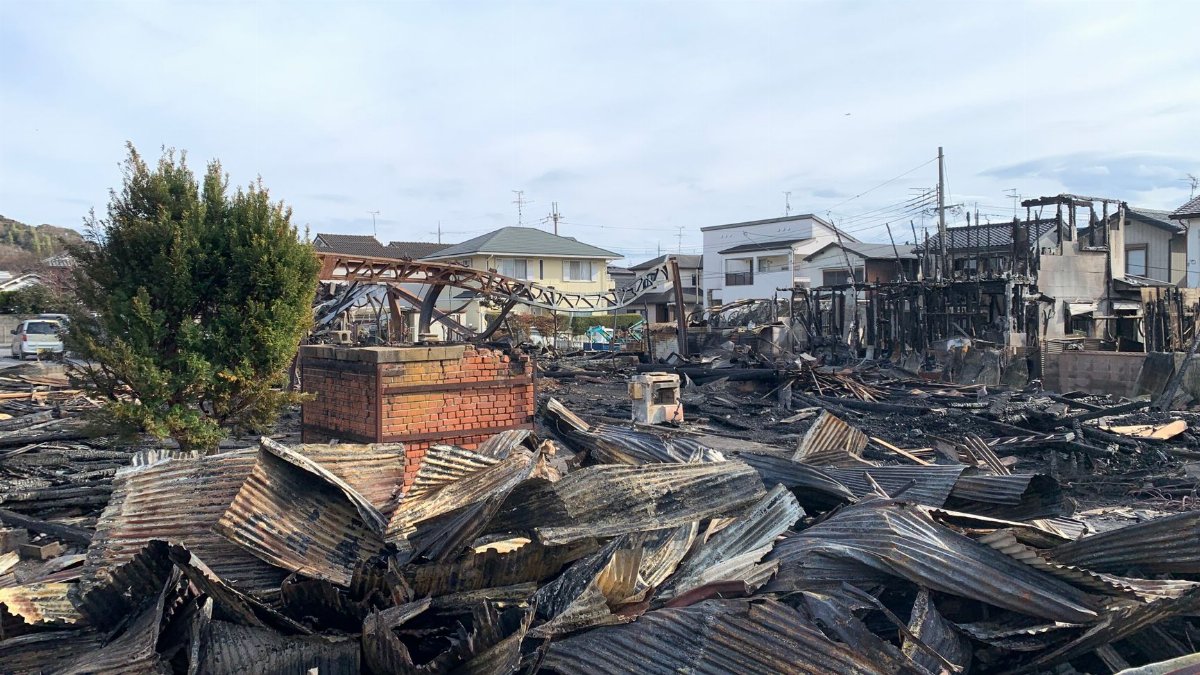
Once displays end pets may continue showing unease for hours or days. Offering gentle routines and monitoring appetite supports a return to normal patterns. Persistent issues warrant attention from professionals to rule out deeper effects. Keeping notes on reactions helps refine plans for future occasions.
Consulting Experts for Tailored Advice

Veterinarians in the region provide individualized recommendations based on age breed and health history. Some suggest short term calming aids while others focus on training techniques. Scheduling a visit before July builds a clear strategy suited to each animal. This proactive step strengthens overall preparedness across households.