
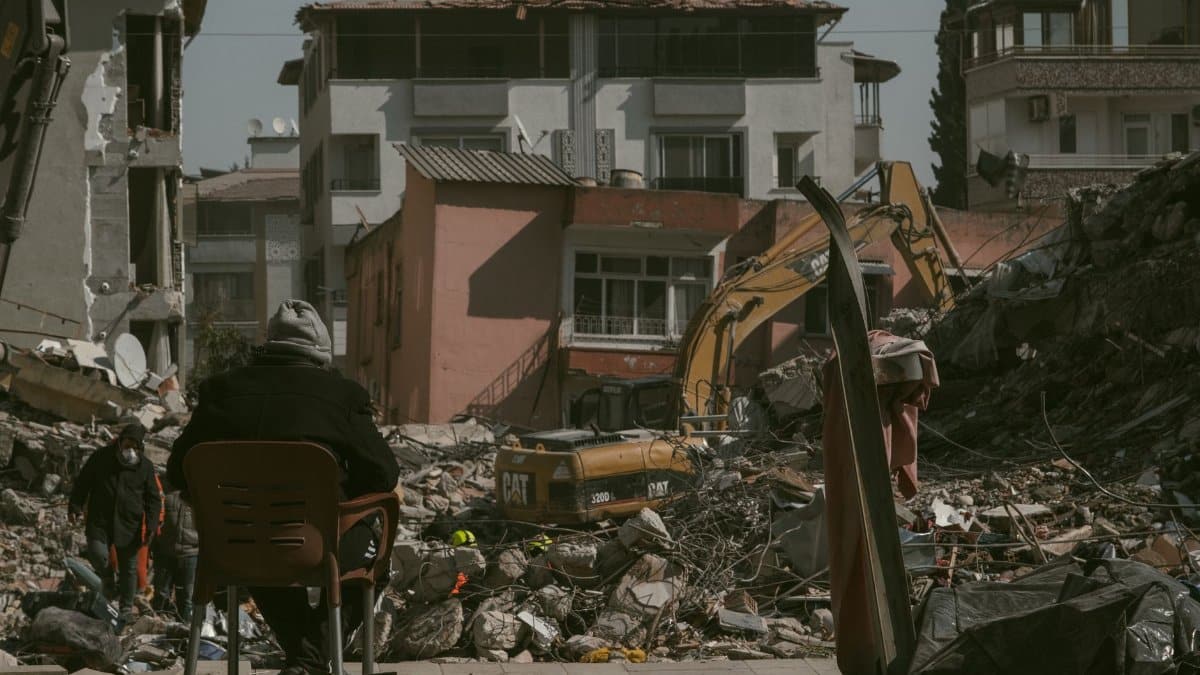
The streets of Chicago have long been home to people from many backgrounds. When news arrived of powerful earthquakes devastating parts of Venezuela, local residents with roots in that country wasted no time in organizing help. Their efforts, centered on Venezuela Earthquakes Chicago Aid Donations, highlight how diaspora communities respond in times of crisis by sending resources and support back home. Families gathered in community centers across the city to collect supplies and funds. Volunteers sorted through donations of food, medicine, and clothing. The goal was to get aid to affected areas as fast as possible. This response shows the strong connections that bind people across borders even after many years away from their homeland.
Community Networks Mobilize Quickly
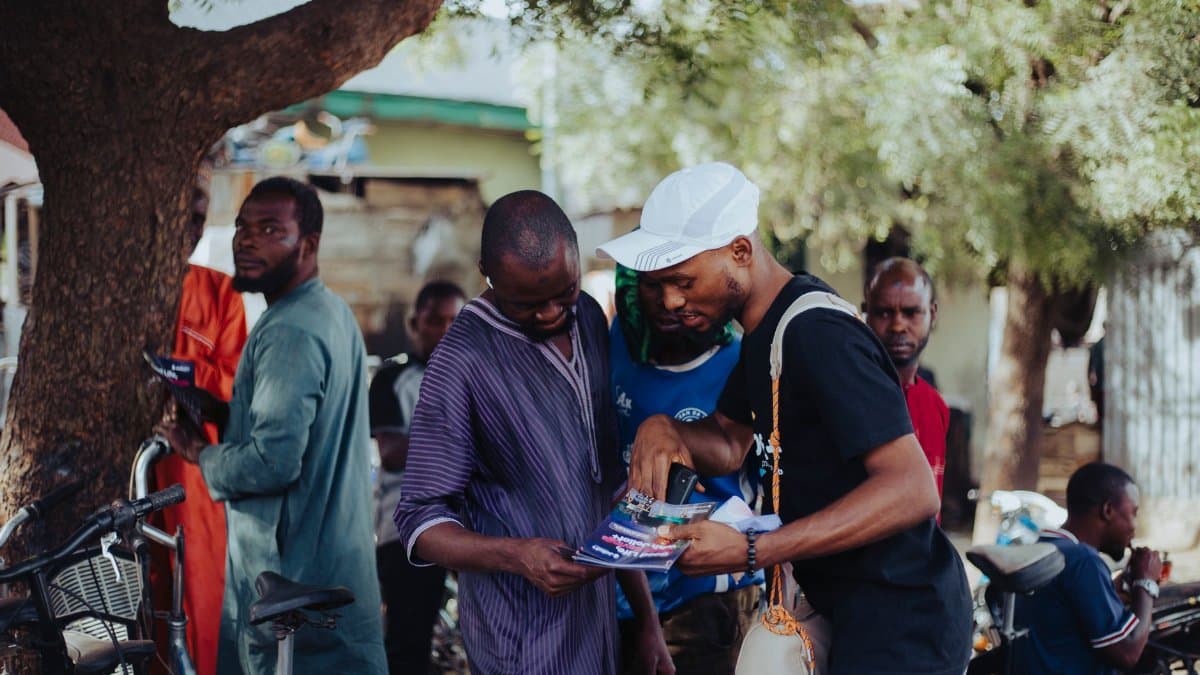
Venezuelan associations in neighborhoods such as Albany Park and Little Village set up tables outside churches and grocery stores within hours of the first reports. They used phone trees and social media posts to spread word about drop off points. Many participants recalled their own experiences with past hardships back home and wanted to ease the burden for those now facing rubble and loss. Organizers stressed that every can of goods or dollar counted toward rebuilding efforts far away.
Fundraising Events Draw Broad Support
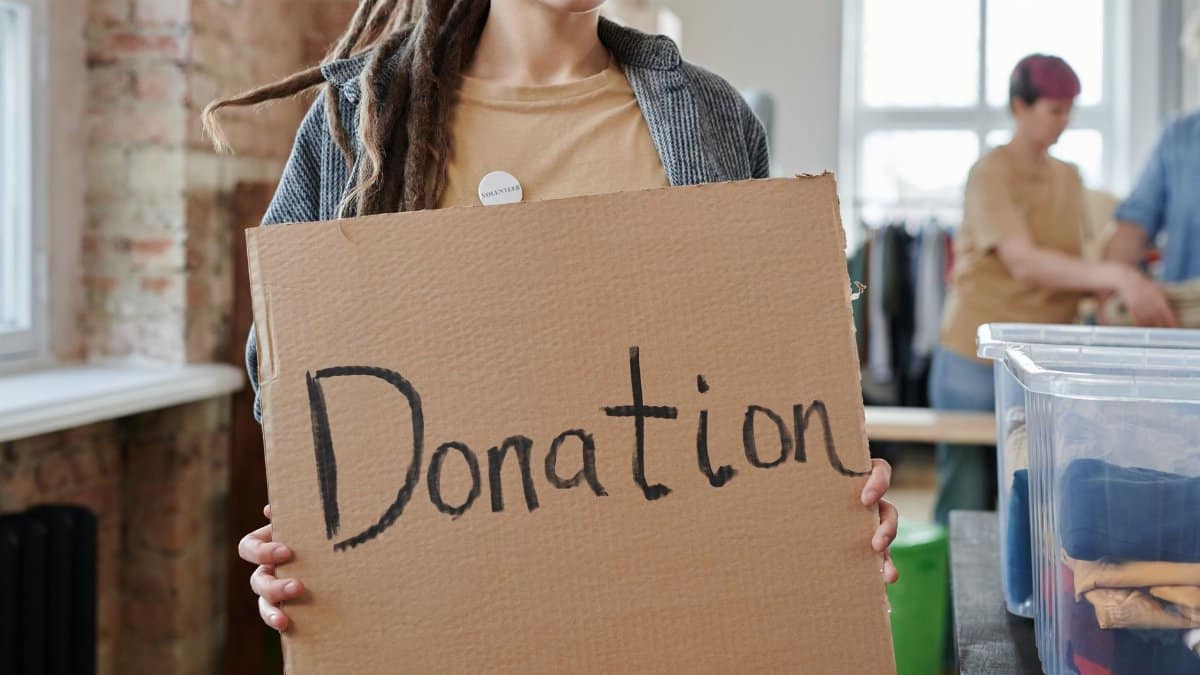
A weekend bake sale at a local high school gym brought in several thousand dollars from neighbors who had no direct tie to Venezuela. University students volunteered to run the cash registers while older residents shared stories of earlier relief campaigns from decades past. These gatherings created spaces for conversation and reflection rather than just transactions. The money raised went straight into accounts managed by trusted partners on the ground in Caracas.
Medical Supplies Become Priority Focus
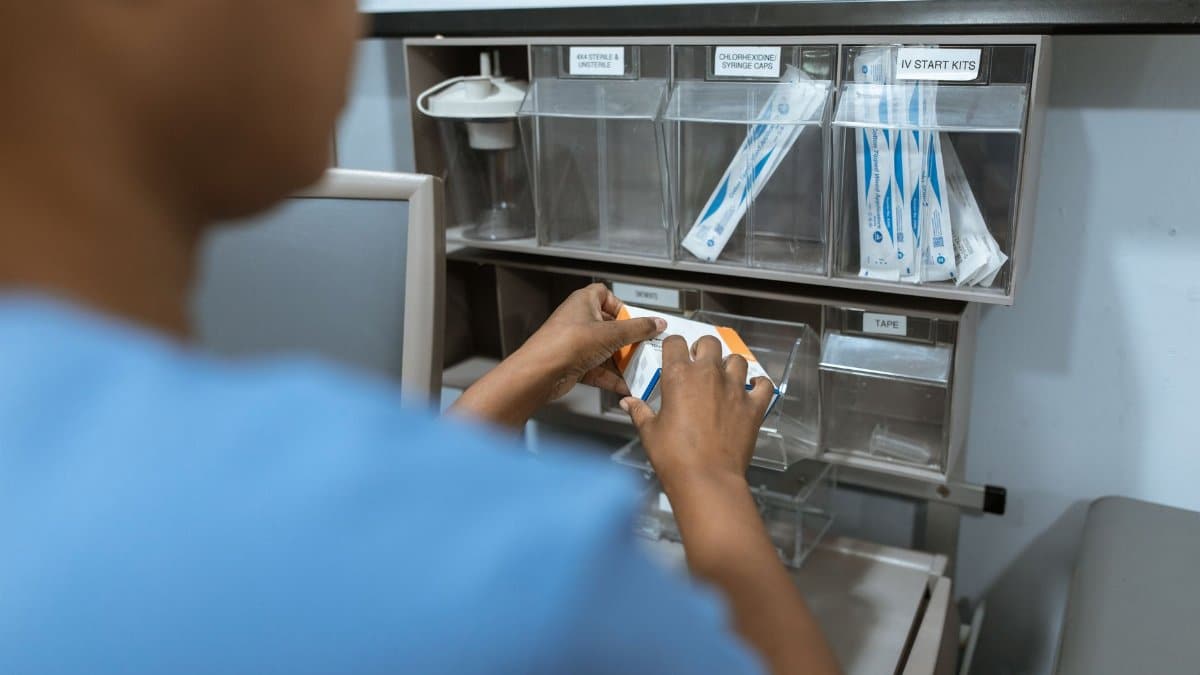
Doctors and nurses of Venezuelan descent reached out to clinics and hospitals to request surplus bandages, antibiotics, and pain relievers. They explained that field hospitals set up near collapsed buildings needed items that were hard to find locally in the disaster zone. Trucks loaded with these materials left Chicago on a weekly basis, coordinated with international shipping groups. Volunteers checked expiration dates carefully before packing each box.
Youth Groups Add Fresh Energy

High school clubs and college chapters joined the cause by creating online videos that explained the scope of the damage. They collected spare change from classmates and hosted virtual panels with experts on disaster response. Their involvement introduced younger generations to the idea of sustained giving beyond a single news cycle. Some even planned future trips to help with reconstruction once conditions stabilized.
Challenges With Shipping and Logistics
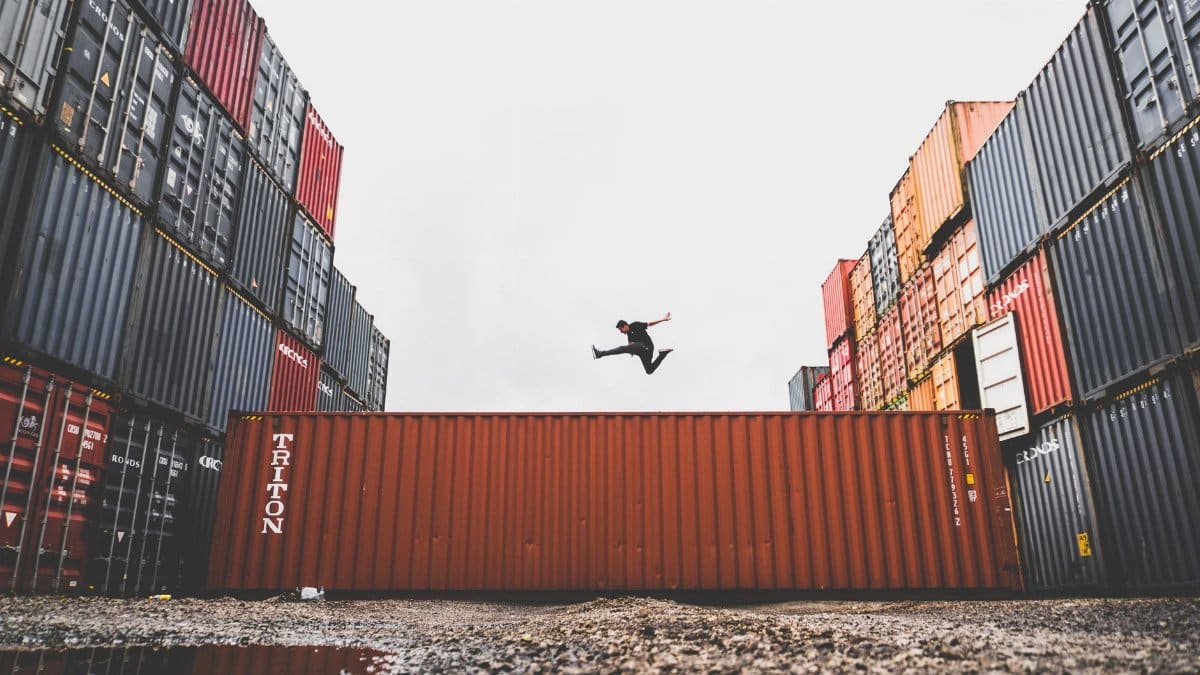
Customs rules and damaged roads created delays that tested the patience of everyone involved. Coordinators worked with freight companies to find alternate routes through neighboring countries. Each shipment required detailed paperwork to avoid hold ups at borders. Despite these obstacles the flow of goods continued because participants refused to let paperwork stand in the way of urgent needs.
Stories From Recipients Strengthen Resolve

Messages and photos sent back from Venezuela showed families using the tents and water filters that had arrived from Chicago. These updates circulated among donors and reminded them why the work mattered. Recipients described how a single package of medicine had helped an entire extended family after local pharmacies ran out. Such accounts kept volunteers motivated during long sorting sessions.
Long Term Rebuilding Plans Take Shape
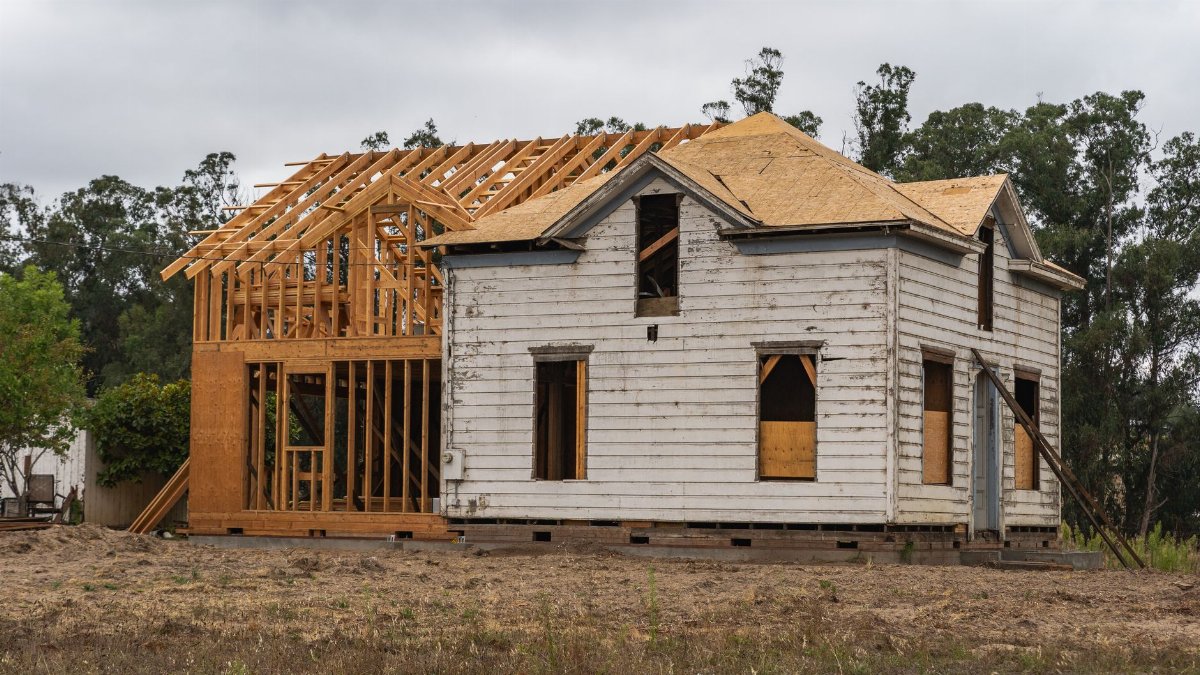
Beyond immediate relief, leaders discussed ways to support permanent housing projects and school repairs. They explored partnerships with architects willing to donate design time. The focus shifted from emergency aid toward sustainable recovery that could last for years. Discussions often stretched late into the evening as participants weighed different approaches.