
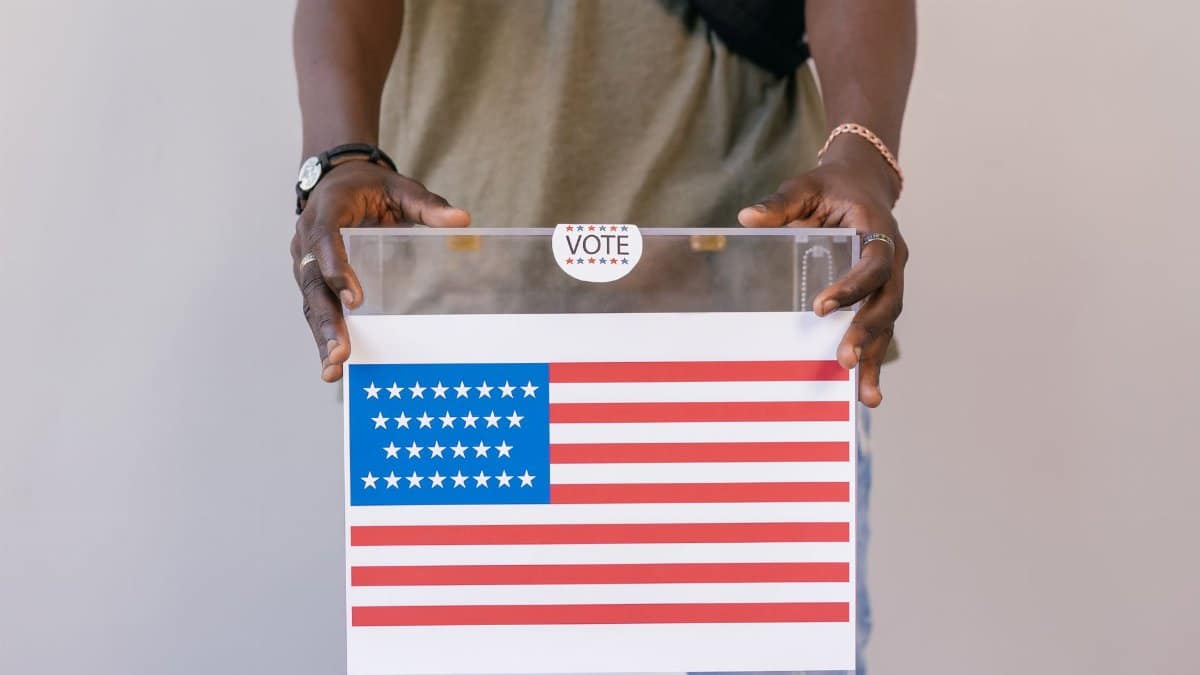
On a weeknight in late October, a Dallas County resident can sit at a kitchen table with a sample ballot that runs longer than a grocery list. Judges, constables, bond proposals, and statewide offices appear in a sequence that rewards patience more than passion. That is the problem the Dallas Voter Guide is built to solve, and it is also the reason so many people abandon the lower half of the ballot. The Dallas Morning News has published its 2026 guide ahead of the November 3 election, with plain explanations of contests that rarely lead the evening news. For readers who want to vote the whole card rather than only the famous names, the timing matters. Early preparation is not a hobby reserved for political insiders. It is how ordinary residents avoid guessing once they step into the booth.
A guide for the races people skip

Most campaign coverage follows the loudest races. A governor, a senator, or a fight over a familiar statewide office will fill airtime for months. The Dallas Voter Guide takes a wider cut. It treats obscure local contests as part of the same civic assignment, not as footnotes for specialists. That choice reflects how ballots actually work in a large Texas county. The names at the top draw the crowd. The names near the bottom decide who runs a courtroom, who manages a precinct, and whether a school district can borrow money for buildings that children will use for decades.
A useful guide does not pretend that every race carries the same drama. It does something quieter. It tells a reader what the office does, how long the term lasts, and what a vote can and cannot change. In a year when national arguments drown out neighborhood facts, that kind of translation is a public service. Readers of The Dallas Morning News politics report have long had access to election coverage. A compiled guide gathers the scattered pieces into one place before the calendar runs out.
What sits on a long Texas ballot

Texas ballots are crowded for structural reasons, not because clerks enjoy fine print. Voters elect a wide range of offices that other states appoint or leave to legislatures. Trial judges, appellate judges, county officials, and party precinct posts can all appear, depending on the cycle and the precinct. Bond elections and local propositions add still more lines. A newcomer can finish the famous races and then face a page of names with no context at all.
The 2026 midterm ballot, as framed by the newspaper guide, pairs those quieter lines with key statewide contests. That pairing is the right one. Statewide races set agendas for education funding, criminal justice, and the rules that govern voting itself. Local races apply those agendas, or resist them, in courthouses and school board rooms. A reader who understands both layers is less likely to treat the ballot as a personality contest.
How statewide contests set the tone

Statewide campaigns arrive with money, television, and a language of sweeping promises. They deserve serious attention, and they also deserve skepticism. A guide earns trust when it separates the job description from the slogan. What does this office control? Which decisions require a legislature, a court, or a local board before a campaign promise becomes policy? Those questions cut through advertising without asking the reader to join a team.
Midterm years often draw fewer casual voters than presidential years. The people who do show up can therefore carry extra weight, especially in races that lack a household name. That is not a reason to panic. It is a reason to read. Statewide contests on November 3 will shape budgets and appointments that Dallas residents feel in classrooms, clinics, and county offices. Skipping the explanation because the ads already feel familiar is how misinformation survives.
Judges and the power of a quiet line
Judicial elections remain one of the hardest parts of a Texas ballot to navigate. The work is technical. The campaigns are often thin. Many voters rely on party label alone, then feel uneasy about it later. A careful guide will not tell anyone how to vote. It can explain the court, the kinds of cases it hears, and the difference between a trial bench and an appellate bench. That information does not replace judgment. It makes judgment possible.
Readers should also notice what a guide cannot fully capture. Judicial temperament, workload, and reversals on appeal do not fit neatly into a paragraph. Still, a short profile is better than a blank. People who care about fairness in everyday disputes, from family cases to contract fights, have a stake in these lines even when no rally is held outside the courthouse. Treating judicial races as optional is a habit Dallas can afford to retire.
Bonds, schools, and the cost of a yes
Bond proposals look abstract until the tax bill arrives or the roof leaks. A yes vote is often a decision to borrow, to build, and to repay over many years. A no vote can protect a household budget and also delay a repair that a campus or a road can no longer postpone. Neither answer is automatically virtuous. The responsible question is what the money buys, what it costs, and who pays.
School board races sit in the same neighborhood of consequence. Boards hire superintendents, adopt budgets, and set the tone for how disagreements are handled in public. They rarely dominate national coverage, yet they touch family life more directly than many famous contests. A voter guide that explains district boundaries, term length, and the actual powers of a trustee gives parents and neighbors a way in. Without that map, the race collapses into rumors passed along a group text.
Reading past slogans and party labels
Party affiliation is real information. It signals coalitions, likely allies, and broad priorities. It is not a complete biography. In lower races, two candidates can share a label and still differ on temperament, experience, and the specific problems of a precinct. The Dallas Voter Guide is most valuable when it gives readers enough detail to see those differences, and when it is honest about gaps. If a candidate declined to answer questions, that fact belongs in the record.
Readers should bring their own caution as well. A polished answer is not the same as a record. A short questionnaire cannot reveal how someone behaves under pressure. Cross checking a guide against official filings, campaign finance reports, and the candidate’s own site is slow work. It is also how a citizen stays independent of any single newsroom, including one they generally trust. The point of a guide is orientation, not obedience.
Faith communities and the weight of conscience
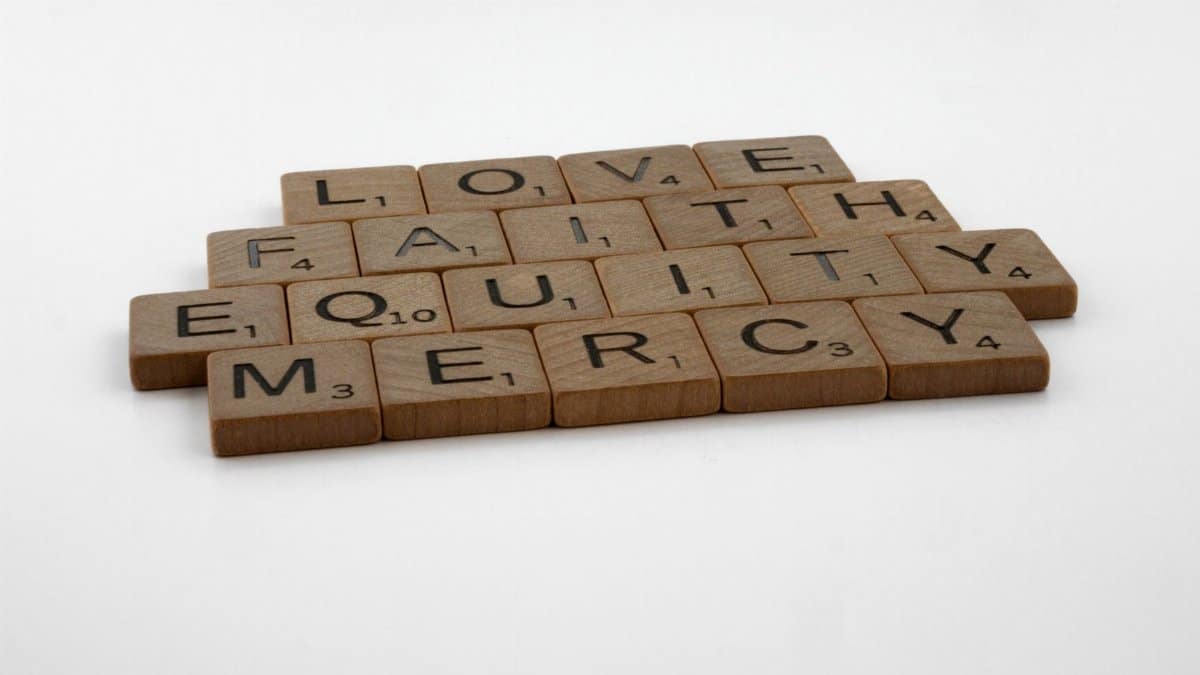
In many Dallas neighborhoods, the first serious conversation about an election happens in a church basement, a mosque hall, a synagogue social room, or a temple courtyard after services. People ask what their tradition asks of them when public life grows harsh. They ask how to disagree with a neighbor and still share a pew. Those questions belong in a season of voting, even though no ballot line is labeled spiritual.
I have heard versions of the same worry from readers who do not want their faith used as a campaign costume. A healthy congregation can host a nonpartisan explanation of the ballot, point people toward official rules, and then leave the final marks to individual conscience. That is different from a pastor, imam, rabbi, or lay leader telling a flock which lever to pull. Civic hospitality means making room for the anxious first time voter and for the elder who has voted for fifty years and still finds the judicial page confusing. The spiritual task, if there is one, is humility: to seek truth, to refuse contempt, and to remember that the person in the next chair is not an enemy because a sample ballot led you to different conclusions.
Deadlines that do not move
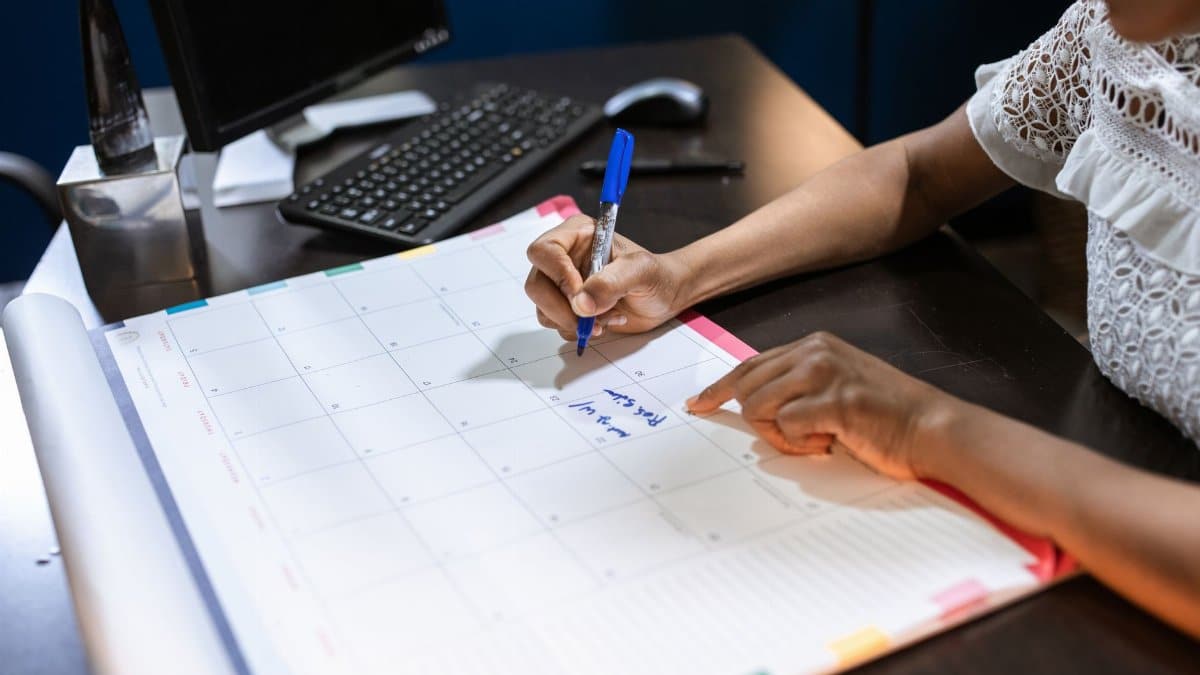
Good intentions fail on a missed date. Registration deadlines, the last day to request a ballot by mail, and the hours for early voting are not suggestions. They are rules, and they vary in the details from cycle to cycle. Anyone relying on memory from 2020 or 2024 should look again. Addresses change. Accepted forms of identification are defined by statute, not by rumor. A news guide can summarize the calendar. The binding source remains the state and the county.
Texas voters can confirm registration and find official information through VoteTexas. Dallas County residents should also check the county elections site, Dallas County Votes, for polling places, sample ballots, and hours. Printing a sample ballot and marking it at home is a small ritual with a large payoff. It shortens the time in the booth and reduces the chance that fatigue, not conviction, decides the last twenty lines.
What no guide can decide for you

A comprehensive guide can still be incomplete on election morning. Candidates withdraw. Courts alter a ballot line. A late development lands after the package goes to press. Readers should treat any voter guide as a starting file, then scan for updates in the final days. That is not a flaw unique to newspapers. It is the nature of a moving campaign.
There is a deeper limit, too. No editor can rank your values. One household may care most about property taxes. Another may care most about courts, schools, or the tone of public life. The Dallas Voter Guide can lay out the offices and the stakes. It cannot tell you which tradeoff you can live with. That last step is the vote itself, made by a person who has done the reading and is willing to own the mark.
A habit worth keeping after November

The health of a local democracy is visible in small behaviors. People save the guide. They talk through a bond with a teenager who will inherit the debt. They ask a neighbor which judicial court actually hears the cases they worry about. They show up even when the top of the ballot feels exhausting. Those habits do not trend on social media. They keep a county from being governed only by the sliver of residents who never skip a line.
November 3 will come and go. The buildings, the court dockets, and the tax bills will remain. Readers who use the Dallas Voter Guide as a map, then verify the details with official election offices, will walk into the booth with something better than a hunch. They will walk in with a record of their own attention. In a loud season, that quiet preparation is a form of respect for the city they share, and for the neighbors who will live with the result.