
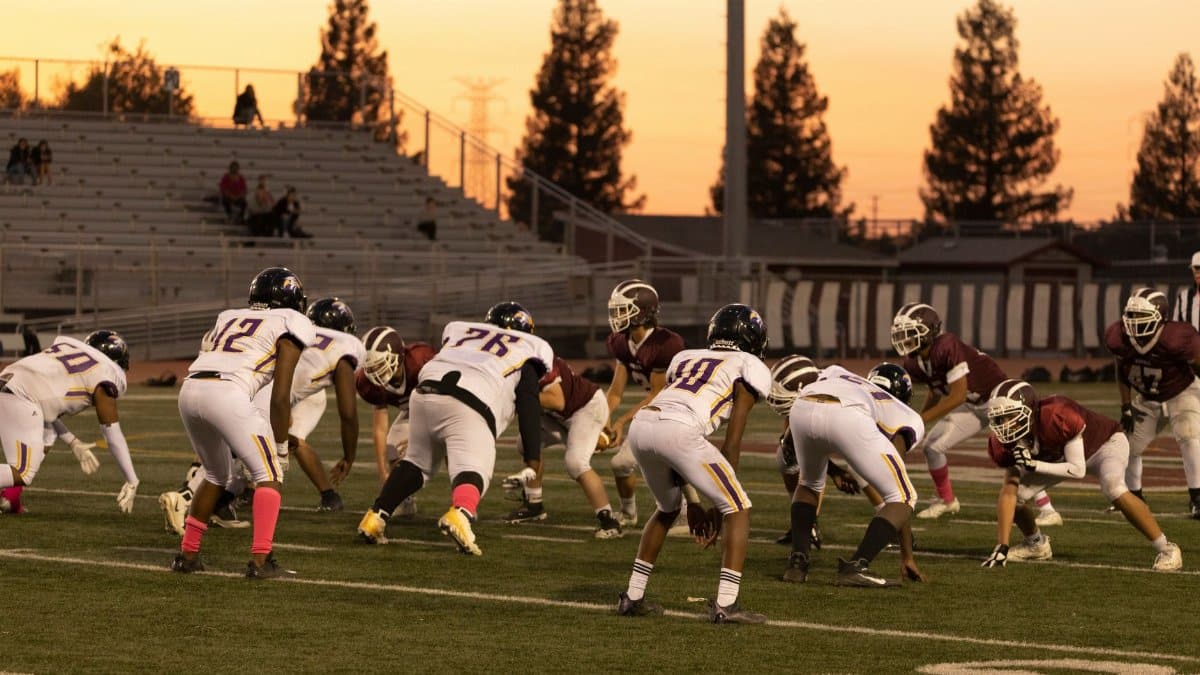
On a clear November evening at a downtown arena, the scoreboard can make a franchise look like a civic institution rather than a private asset. The lights, the season ticket holders, the public bonds that helped raise the bowl: all of it feels shared. The equity does not. It sits on a short list of personal balance sheets, often belonging to people whose other holdings rarely appear on a jumbotron. That gap is what a proposed California billionaire tax would force into the open, a one time 5 percent levy on the net worth of the state’s richest residents, headed for the November ballot and sold by its sponsors as a way to protect healthcare while federal support pulls back.
A levy written for fortunes, not for paychecks

The measure would not work like the income tax Californians already file each spring. Income tax arrives when money is earned. This proposal would look at wealth itself, once, and ask for 5 percent from people whose fortunes cross the billionaire line. Cash, public stock, private companies, real estate, and equity in a sports franchise would all sit inside that sum, subject to appraisal rules that lawyers are already disputing in draft language.
Sponsors frame the California billionaire tax as a narrow instrument, not a new bracket on wages and not a charge on the nurse or the teacher who buys a seat twice a year. Opponents answer that a tax aimed at a tiny group can still reorder industries in which that group owns the most visible assets in the state. Professional sports is one of those industries. A team is a local ritual and a private security at the same time.
Owners whose wealth is a team, not a checking account

The state is thick with major league clubs, from baseball in Los Angeles, San Francisco, San Diego, and Anaheim to basketball, football, hockey, and a soccer scene that has grown from curiosity to habit. Not every owner is a billionaire, and not every billionaire owner lives here in a way the tax would recognize. Several controlling principals, though, are exactly the people a wealth assessment is built to find.
The awkward fact is liquidity. A person can be rich on paper because a franchise bought years ago is now valued at a multiple of that price, while the cash that arrives each season is spoken for by player contracts, stadium debt, and the ordinary cost of fielding a club. A 5 percent charge on net worth does not ask whether spendable dollars are sitting in an account. It asks what an appraiser would say the club is worth on the snapshot date, and whether league rules would even allow a quick sale of a slice of equity to raise the money.
Franchise prices that outran the cities around them

Sales over the last fifteen years have followed a blunt pattern. Clubs change hands for amounts that would once have bought whole districts. Television money, global branding, and the scarcity of major league slots did the lifting. Those rising marks create paper wealth for owners who never sell. They also create a political problem. A city can feel that a team belongs to everyone while the balance sheet says a few households own it.
That pattern matters for the California billionaire tax if the measure counts unrealized gains, as other wealth tax drafts in the state have tried to do. An owner who has never sold could still owe a sum measured against a value that lives mainly in comparable sales and in banker models. Paying it might mean borrowing against the franchise, selling a minority stake to a fund with no root in the city, or moving other assets before the snapshot date. Each path has a fan who will notice, even if opening day looks unchanged.
Healthcare as the political bargain

The spending promise is the part of the campaign that is not about sports, and it is the part sponsors hope will carry the vote. Federal retrenchment has left counties, clinics, and the state general fund looking at holes in health programs. A one time wealth assessment, if it raised anything like the sums its authors describe, would be among the larger sudden infusions of healthcare money the state has seen outside a federal emergency. Public hospitals and clinics that already absorb unpaid care are the institutions named most often.
Voters who will never meet a team owner may still care about an emergency room that is full at midnight. That is the moral claim. The counterclaim is about design. Money collected once can be spent once, and then the gap returns unless Washington or Sacramento changes course. Wealth taxes are also hard to administer and easy to plan around. If the yield arrives late, or smaller than the slogan, the healthcare argument thins even if the argument about sports remains.
Residency, timing, and the fight over who owes

The sharpest technical fight may be about who counts as a Californian on the day that matters. Owners already split their lives among cities. A football proprietor may control a club that plays in Los Angeles while sleeping most nights somewhere else. California has spent decades litigating residency in income tax cases. A wealth tax would inherit those fights and enlarge them, because the sums are bigger and the incentive to have left already is sharper.
League rules block any clean exit of the club itself. Relocation needs fellow owners and, often, a city that still remembers the last departure. What an owner can move is personal residency, other investments, and the legal home of holding companies. Lawyers who advise families of high net worth describe a plain calendar: establish ties elsewhere before the effective date, document days, document intent, and prepare for an audit that reads like a biography. Whether courts accept that strategy is a question the ballot language cannot settle.
What a sale, a loan, or a quieter departure could mean

If an owner cannot pay from cash flow, the menu is short. Borrow. Sell a piece. Sell the club. Or fight the assessment and wait. Borrowing sounds tidy until debt service sits beside a payroll that already consumes most revenue. A new partner may care first about a return, not about a Tuesday night in October. A full sale can delight fans who dislike the current steward, or frighten fans who fear the next one will want a new building, a new city, or both.
A 5 percent charge does not by itself sink a franchise valued in the billions. What it can do is shift decisions at the margin: a long contract, a youth academy close to the park, a fight with a city over stadium terms, a soccer side kept alive because it rounds out a larger portfolio. Those choices decide whether a weeknight feels like a community or like a line on a spreadsheet.
Fans who pay in tickets, not in net worth

Very few people in a concourse are thinking about net worth. They are thinking about the commute, the price of the seat, and whether the club still feels like theirs. I have heard that worry in more than one city, usually from someone who has renewed for years and is no longer sure the renewal is wise. If the California billionaire tax becomes a campaign about sports, it will be because owners, unions, and civic groups decide to make it one.
Ticket prices already move for reasons that have nothing to do with a wealth tax: media deals, building debt, a star contract, simple demand. Owners might try to recoup a levy at the gate, and fans might be unable to separate that effort from the ordinary rise of the last twenty years. Blame will travel faster than proof. A honest accounting has to say so before the ads begin.
The argument economists keep having

Economists who study state taxation do not speak as one. Some argue that a single assessment on extreme wealth can raise serious revenue from people with the greatest ability to pay, and that family, climate, and business roots make departure less likely than opponents claim. Others argue that the threat is real, especially in a state that already draws a large share of its income tax from high earners, and that changes in residency and in where new investment lands can shrink the yield.
Sports occupies an uneasy middle. A factory can grow in another state. A baseball team cannot play its home schedule elsewhere and remain a California club. That immobility makes franchises look like sturdy targets. It also means ushers, groundskeepers, and the small restaurants that live on game nights cannot follow an owner’s other capital if that capital leaves. Who bears the burden may be owners, if competition blocks higher prices, or workers and fans, if costs are cut. A one time levy will show its evidence only after the vote.
A campaign sharing the calendar with the season

If the measure qualifies, the fight will run while games are played. A sold out park is a poor picture for a plea of hardship. A closed clinic is a poor picture for a claim that the state has no revenue problem. The California billionaire tax will be debated with images that were never gathered as evidence, which is how modern campaigns work and also how they mislead.
Lawsuits are likely as soon as the text is fixed. Challengers will test whether a wealth levy collides with state limits on property taxation, whether a one time charge is still a property tax, and whether national media money raises federal questions. Those cases can outlast a season. Delay itself becomes a cost, because front offices plan in years, not in news cycles.
The choice in front of a state that loves its teams

California often treats sports as proof that a vast place still shares something. A parade, a kid in a jersey, a weeknight that empties the office early: small rituals in a state where shared rituals are hard to come by. The proposal asks whether that affection should include special concern for the people who own the rituals, or whether those people are simply the most visible members of a class being asked to fund care.
A voter can want new healthcare money and still doubt a wealth snapshot. A voter can believe billionaires have prospered in California’s markets and still worry that a levy aimed at them will touch the clubs those markets have learned to love. The November ballot, if the measure reaches it, will not settle the economics. It will settle the politics, which is the only settlement an election can honestly give.