
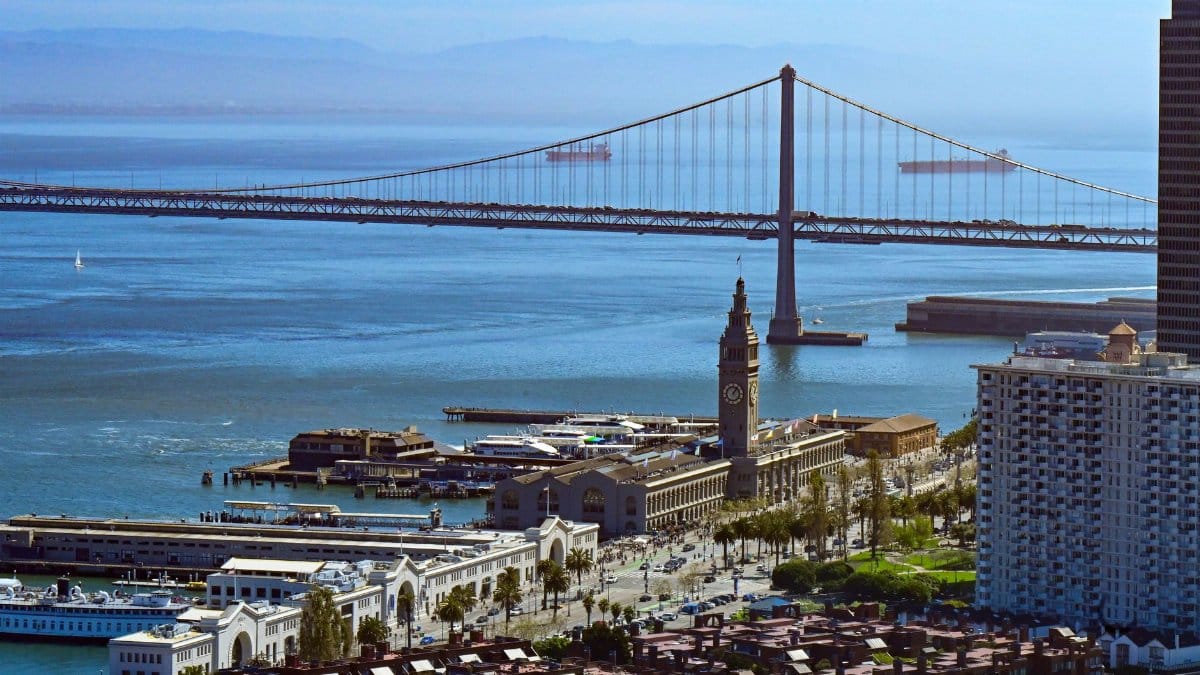
On a gray morning along the Embarcadero, commuters still hurry past brick and glass as if the last decade of tech drama never happened. Real estate sources now say a familiar name has claimed a full waterfront block of office space, and the phrase Bezos AI startup SF has started to circulate among brokers who track every lighted floor. The report is simple and large at once. Jeff Bezos’s artificial intelligence company has leased all six floors of a building of roughly 180,000 square feet, near offices associated with Google. For a city that has spent years arguing about empty towers, the lease reads like a vote, not a press release.
A lease measured in floors, not slogans

Six floors is not a satellite desk or a temporary suite for visiting engineers. It is a commitment of scale, the kind landlords describe in square feet because square feet are harder to spin. Roughly 180,000 of them, taken together, can hold laboratories, quiet rooms, a cafeteria, and the ordinary machinery of a company that expects people to show up. Sources in the real estate trade, as reported by the San Francisco Chronicle, have described the deal as a full building lease near Google’s offices at the Embarcadero. That proximity matters. In this city, address is still a form of speech.
What the public does not yet have is the fine print. Lease length, rent, improvement allowances, and the timetable for move in remain outside the confirmed account. Those missing details are not minor. A short lease can be a test. A long one can be a bet on the neighborhood itself. Until documents surface, the honest description is narrow: a very large block of waterfront office space, taken by a company tied to Jeff Bezos and aimed at artificial intelligence.
Why this stretch of water still sells
The Embarcadero is not the cheapest place to put desks, and it has never pretended to be. What it offers is a stage. Ferries, the Bay Bridge, the long walk toward the Ferry Building, the mix of tourists and people who actually work here. For a founder whose last company reshaped how Americans buy goods, the choice of a visible building is unlikely to be accidental. Visibility is a recruiting tool. It is also a message to rivals who already occupy nearby floors.
Google’s presence next door, or near enough that brokers mention it in the same breath, places the new tenant inside an existing map of technical labor. People change jobs without changing lunch spots. That friction, small as it sounds, has shaped Silicon Valley geography for decades. A company that wants researchers who already live in the city, or who refuse another peninsula commute, pays for that convenience in rent.
Reading a second act without inventing it

Bezos stepped away from day to day command at Amazon and kept a public profile through spaceflight, climate philanthropy, and the Washington Post. An artificial intelligence venture is a different kind of return, closer to the industrial logic that made him famous: software, logistics of talent, and a willingness to spend before the product is obvious. It would be a mistake to treat the Embarcadero lease as proof of a product, a model, or a business plan. Real estate confirms occupancy. It does not confirm insight.
Still, occupancy at this size is not casual. Artificial intelligence work, especially work that mixes research with product teams, consumes space in unglamorous ways. Machines need power and cooling. People need rooms where they can argue without a camera. Security wants controlled entries. A full building lets a company arrange those needs without negotiating every wall with a stranger down the hall. That practical reading is more useful than the mythology that gathers around any famous name.
What brokers can see, and what they cannot

In San Francisco, office news travels by text before it travels by filing. Brokers talk because their living depends on knowing who is looking, who is shrinking, and who just signed. The circulation of Bezos AI startup SF inside that chatter is itself a fact about the market. It tells you that a scarce kind of tenant, one with capital and a reason to be in the city, has moved from rumor to paper, at least in the accounts real estate sources are willing to confirm.
Confirmation has limits. Sources can be right about the building and wrong about the headcount. They can describe six floors and still not know how many will be labs rather than lounges. Journalists should match their confidence to the evidence. The evidence here supports a major lease. It does not yet support a portrait of the company’s culture, its research agenda, or its politics. Those portraits will come, some of them interested, and readers should keep a pencil handy.
The talent map around the bay

San Francisco’s pitch, after years of headlines about crime, cost, and empty downtown blocks, has narrowed to something more specific. The city still holds a dense share of people who build and study machine learning systems. Universities, older software firms, and a wave of newer laboratories sit within a commute that, on a good day, does not require a bridge. A tenant who leases an entire Embarcadero building is buying access to that density, not a postcard.
Whether the people come is another question. Artificial intelligence hiring has been fierce and uneven. Some researchers want academic freedom. Some want equity in a company that might still be private. Some want to stay remote and will not trade a quiet suburb for a badge and a bay view. A lease cannot settle those preferences. It can only make an offer: come here, the rooms are ready, the neighbors are technical, and the name on the org chart is known around the world.
City hall and a wary kind of welcome
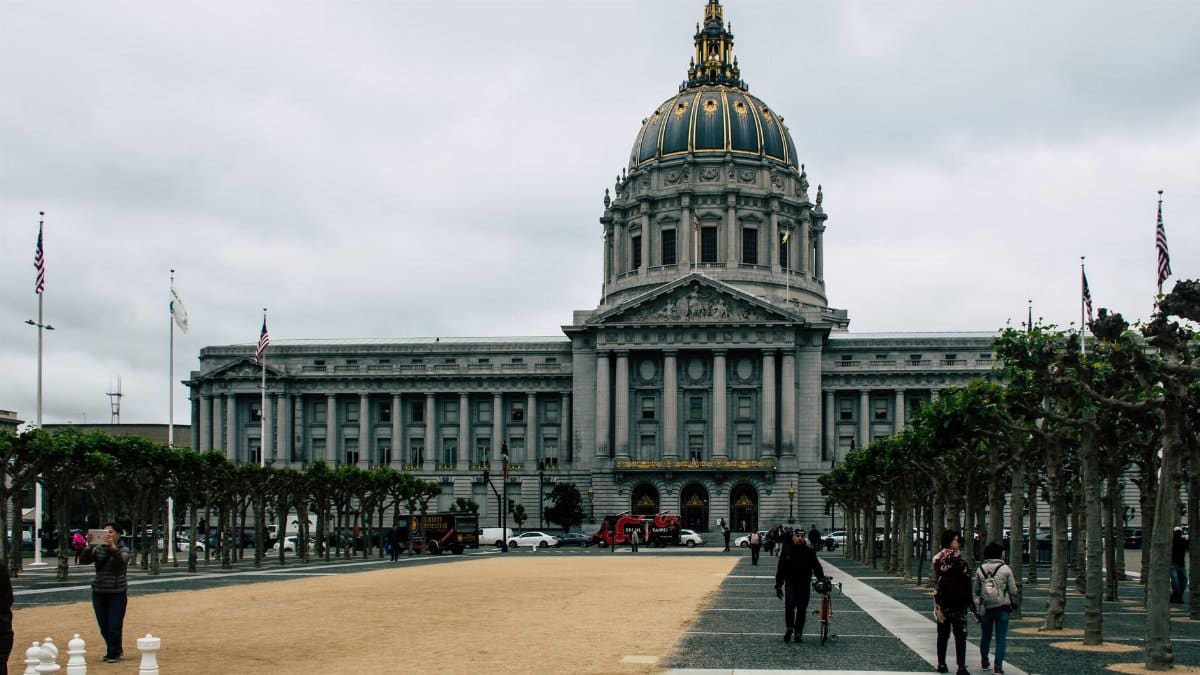
Local officials have spent the post pandemic years begging for office life to return, because empty buildings weaken transit, small restaurants, and the tax base. A full lease of this size will be greeted, in public, as good news. Privately, the greeting may be more complicated. Famous tenants bring scrutiny. They also bring expectations about safety, permitting, and the speed of city services. San Francisco has not always met those expectations, and the companies know it.
There is a political risk in the other direction too. A billionaire’s artificial intelligence company landing on the waterfront can look, to residents already priced out, like another chapter in a story they did not vote for. The fair response is not to pretend the tension is new. It is to ask ordinary questions. How many jobs, at what pay, with what path for people who are not already inside the industry? How will the building meet the street at night? Those questions do not require hostility. They require a city that still believes tenants owe the block something more than rent.
Neighbors who remember the last boom

Walk the Embarcadero and you can still see the layers. Old port infrastructure, tourist piers, glass offices from the last software surge, and restaurants that learned to survive on a thinner lunch crowd. Another large tenant will help some of those restaurants. It will also tighten competition for the remaining skilled trades, security staff, and apartment listings within a short ride. Growth is not a single mood. It is a set of bills.
I walked a nearby block on a weekday afternoon and counted more joggers than name badges, which is not data, only a reminder that a lease is a future tense. Floors fill slowly. Badges appear after construction, after furniture, after the unglamorous work of turning a shell into a workplace. Neighbors will feel the change when the loading dock gets busy, not when the rumor first hits a group chat.
Power, water, and the unromantic needs of machines
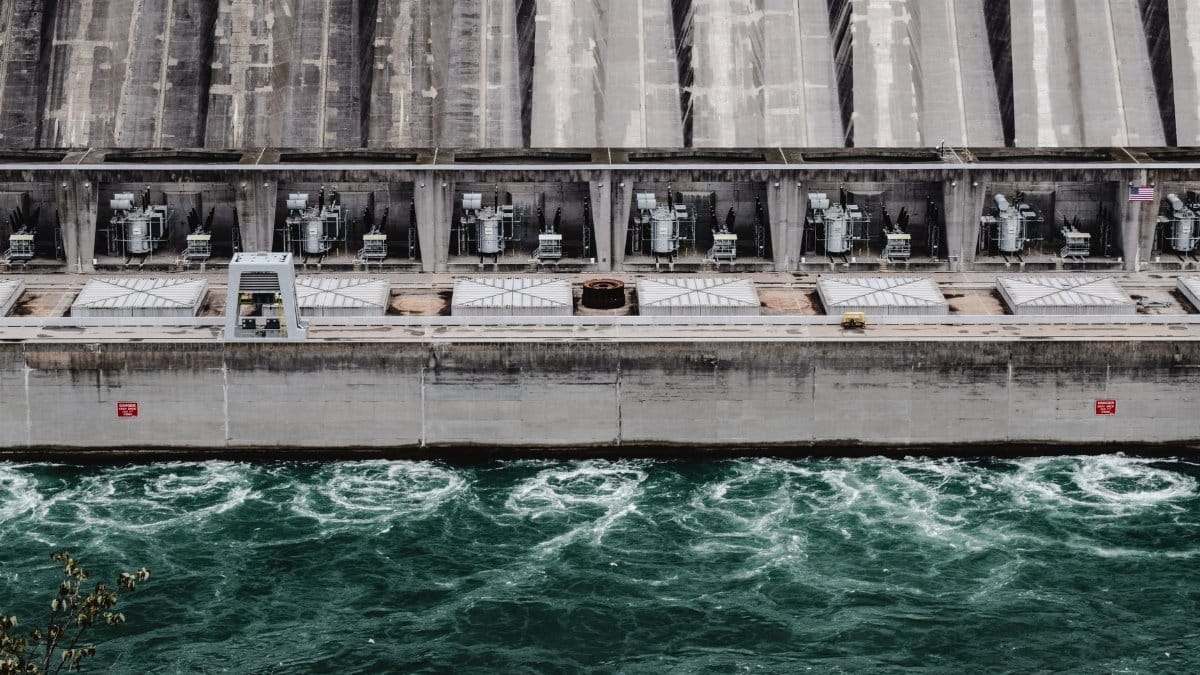
Artificial intelligence has a physical appetite that office leases sometimes hide. Training large systems draws electricity. Cooling draws more. A waterfront building may be charming in photographs and demanding in engineering. Whether this particular structure can support heavy compute, or whether the company plans to keep its largest machines elsewhere and use the Embarcadero for people, is not established in the public account. Both patterns exist in the industry. Both have consequences for the grid, for noise, and for what “office” even means.
Readers should resist the habit of treating every AI lease as a data center in disguise. Many of the costly decisions happen in rooms with whiteboards. Many of the costly machines sit in warehouses far from any postcard. The Embarcadero deal can be large and still be, in technical terms, a human building. Until facilities plans are described by someone in a position to know, that distinction should stay open.
What the story does not yet prove

A famous tenant can inflate a narrative faster than facts arrive. It does not prove that San Francisco has “won” some national contest for artificial intelligence. It does not prove that downtown emptiness is over. It does not prove that Bezos has found a second company as consequential as the first. One building, even a building of six floors and roughly 180,000 square feet, is a single data point on a long waterfront.
It also does not prove the opposite, the cynical reading that every such lease is theater. Capital on this scale is rarely spent only for theater. Someone expects work to happen in those rooms. The useful stance is narrower than either cheer or sneer. Watch hiring. Watch what the company publishes or declines to publish. Watch whether the lights stay on after the first wave of attention fades. The Chronicle’s reporting, available through its site at https://www.sfchronicle.com/, is the right place to start, and it should not be the last word.
A market still sorting signal from noise

Office brokers have lived through a brutal correction. Remote work emptied floors. Interest rates changed the math for landlords. Artificial intelligence then arrived as the rare tenant category willing to take large blocks while others shrank. That contrast explains why a single signing can dominate a week of conversation. It does not mean every AI company will hold its space, or that older industries will not return in quieter deals that never trend.
The phrase Bezos AI startup SF is catchy because it stacks three magnets: a name, a technology, and a city with a myth attached. Strip the magnets away and the transaction is still legible. A well capitalized company has taken a prominent building in a district that already houses major technology employers. Markets move on transactions like that. Myths move faster, and they are less reliable.
Competition without a scoreboard

Other artificial intelligence firms already occupy San Francisco, some in converted warehouses, some in towers, some in spaces they may soon outgrow or abandon. A Bezos backed entrant changes the competitive weather even before a product appears. Recruiters will call people who were not planning to move. Landlords will cite the deal in the next negotiation. Rivals will study the address the way coaches study a schedule.
None of that requires a villain. Competition for researchers is not a crime, and a waterfront lease is not a conquest. It is a bid for attention and for hours of skilled work. The bid can fail. Products stall. Teams fracture. Buildings can be half full and still fully leased. Anyone who has watched this industry for more than one cycle knows the difference between a signing and a success.
The public interest in a private floor plan

Private companies do not owe the public a tour. They do owe accurate speech when they speak, and the city owes its residents a clear account of what a major tenant will demand from public systems. Power upgrades, street changes, security perimeters, and late night operations are civic subjects even when the tenant is glamorous. Transparency here is not hostility to business. It is the minimum condition for trust in a city that has been asked, repeatedly, to take tech on faith.
Residents can hold two ideas at once. A large lease may support jobs and street life. A large lease may also concentrate wealth, strain housing, and leave the hardest civic problems untouched. The Embarcadero will not settle that argument. It will host another chapter of it, behind glass, within walking distance of the ferry.
What to watch as the floors fill

The next evidence will be mundane, which is a virtue. Construction permits. Job postings with a San Francisco location. Shuttle rumors, or the absence of them. A named executive who actually sits in the building. A description, from the company rather than from brokers, of what the work is. Until then, Bezos AI startup SF remains a shorthand for a confirmed lease and an unconfirmed mission.
That is enough for a careful story and not enough for a prophecy. Middle aged readers who have watched boom, bust, and boom again do not need to be told that famous names can still surprise them. They do need the scale stated plainly. All six floors. About 180,000 square feet. A site near Google at the Embarcadero. A founder whose last enterprise taught the country to expect packages and then to argue about the cost. The argument, this time, will be about intelligence and about who gets to build it in public view. The building is only the stage. The work, if it arrives, will decide whether the lease was a landmark or a very expensive room with a view.