
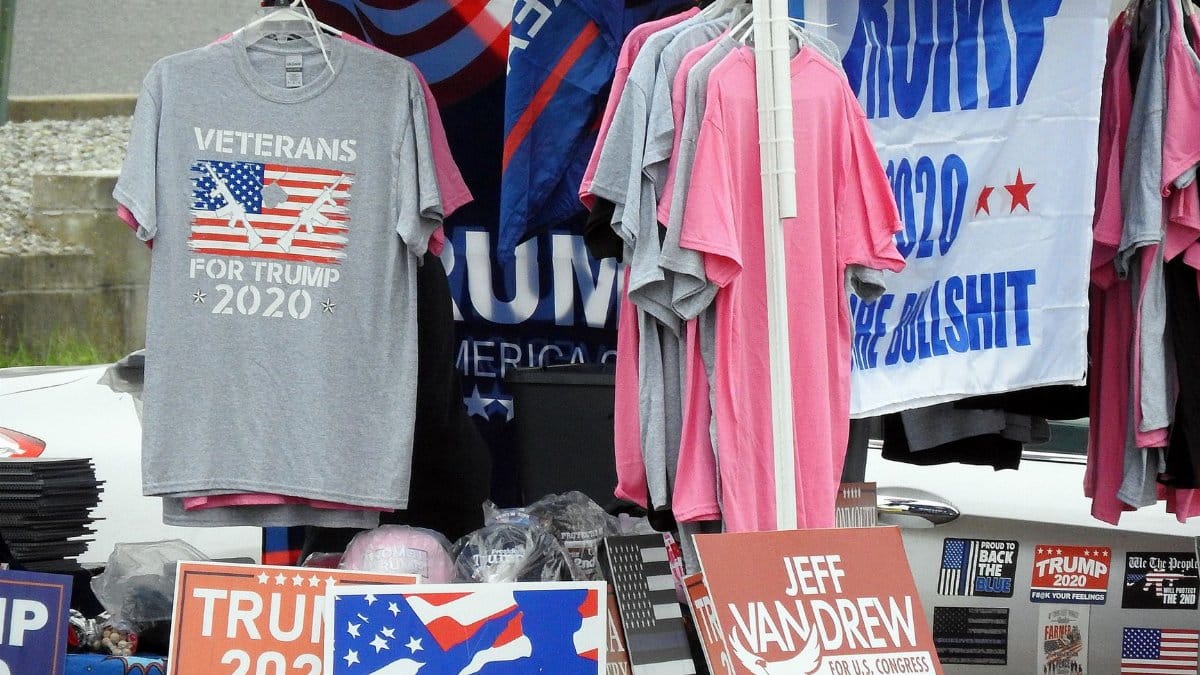
On a Tuesday night in a college town diner, the television above the counter kept looping the same rally clip, and nobody at the booth looked up for long. The students had come for eggs and a place to argue without performing for a camera. One of them said he had marked a ballot for the Republican ticket in 2024 because rent, groceries, and a sour mood about institutions felt more urgent than any speech. He is less sure now. That private revision, repeated in enough conversations to become a political story, is what people mean when they talk about young voters Trump and a cooling romance with a movement that once looked like a shortcut out of disappointment.
A vote that was never a marriage
Older readers sometimes treat a presidential choice as a durable identity. For many people under thirty, the 2024 election looked more like a transaction. Inflation had chewed through starter wages. Housing felt fictional. Campus speech fights and foreign wars arrived on phones before they arrived in classrooms. Donald Trump offered a blunt diagnosis and a promise that someone, finally, would be punished for the mess. Punishment is not the same thing as a program. When the punishment phase fades and the bills remain, transactional voters do the rational thing. They reopen the question.
That reopening is not the same as a conversion to the Democratic Party. It is often a withdrawal of enthusiasm, which in midterm years can matter as much as a switch. Youth turnout is volatile. A cohort that shows up for a presidential spectacle can sit out a congressional map full of unfamiliar names. Strategists in both parties know this. They also know that a story about regret travels faster than a story about habit.
What the last cycle actually showed

The Center for Information and Research on Civic Learning and Engagement at Tufts has spent years documenting how 18 to 29 year olds vote, and its public work remains a better starting point than any viral thread. After 2024, analysts across the spectrum agreed on a narrower point than the headlines suggested. Trump improved on his earlier standing with younger voters relative to 2020, especially among young men, while young women remained more Democratic. Improvement is not ownership. A segment moved. A larger segment stayed home or split in ways that exit polls still argue about.
Readers who want the underlying tables rather than a retelling can start with CIRCLE at circle.tufts.edu and with the Associated Press VoteCast explainers published after Election Day. Those records describe a real shift. They do not describe a generation that enlisted for life. Anyone claiming a precise national reversal in 2026, down to a percentage point, is selling a number the public evidence does not yet underwrite. Mood is measurable only when a transparent survey says so.
Regret is a feeling before it is a forecast

Regret, in politics, is rarely a full apology. It is often a list of unmet expectations. Some young Trump voters wanted cheaper apartments and a quieter news cycle. They got continued spectacle, agency fights, and a culture war that does not lower a lease. Others wanted a harder line on immigration or campus disorder and now argue about whether the line was hard enough or merely loud. The phrase young voters Trump covers both kinds of second thoughts, which is why it misleads if it is treated as one bloc.
Focus groups and campus interviews can capture the texture of that second guessing. They cannot tell a campaign manager how many ballots will move in a House district in Ohio or Arizona. Journalism should hold both truths. The texture is real. The extrapolation is where spin begins.
The economy still sets the temperature
Ask people in their twenties what would change their vote and the answers cluster around money with a speed that embarrasses ideology. Entry level jobs that do not cover a room. Student balances that outlast the degree. Parents who cannot help with a down payment. Trump 2024 language spoke directly to that squeeze and blamed a Democratic establishment for ignoring it. If prices ease, some of that anger cools and the incumbent party, whichever it is, collects the credit. If prices do not ease, anger looks for a new address.
Democrats who hear discontent and assume it is a moral awakening will misread the room. A voter who left because groceries hurt can return to Republicans if a Democratic Congress looks equally detached. The young voter is not a monk. The young voter is often a tenant.
Wars, climate, and the moral ledger
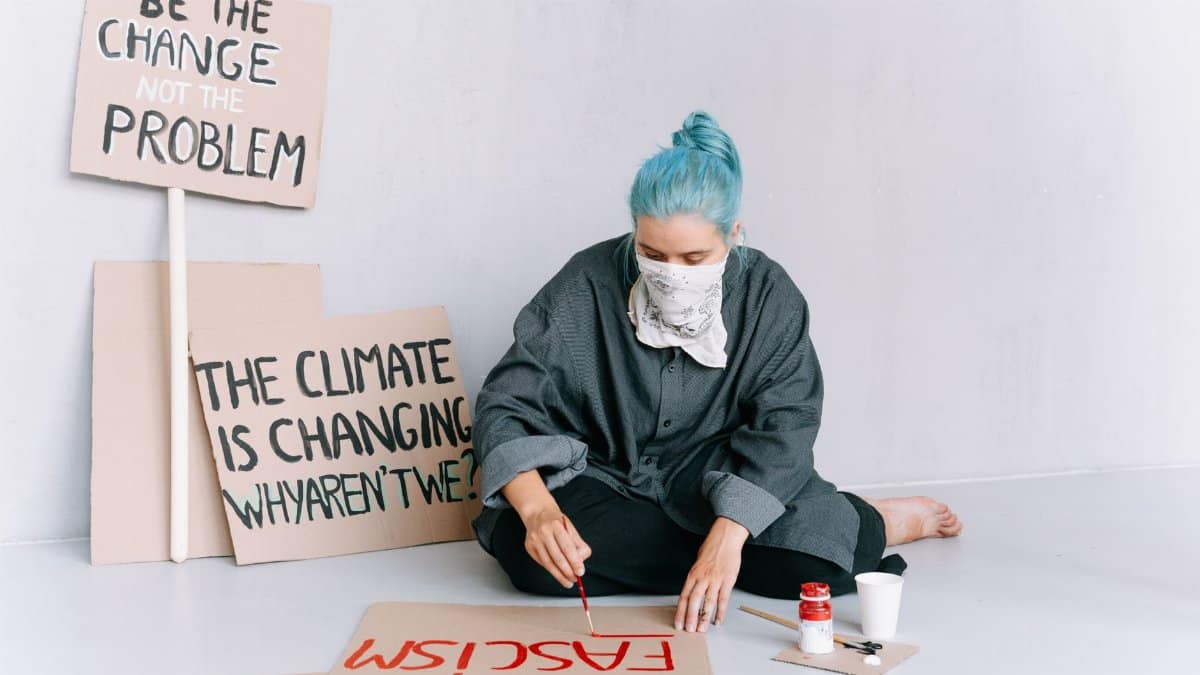
Material worry is not the whole ledger. Gaza, Ukraine, and the grinding images of civilian harm shaped how many students judged both parties in 2024, and those judgments did not retire when the ballots were counted. Climate policy sits in the same category for a slice of the electorate that expects fire seasons and insurance bills to be political facts, not metaphors. Trump era skepticism toward climate regulation satisfied some young men who heard elite scolding in every green rule. It alienated others who treat the science as settled and the delay as malpractice.
A party that wants these voters back, or wants to keep the ones it gained, has to talk about consequences in plain speech. Sermons about vibe do not survive a group chat. Neither does a promise that complexity will be abolished by force of personality.
Gender is not a footnote
The split inside the youth vote is partly a split between young men and young women, and pretending otherwise produces bad strategy and bad prose. Young men who felt mocked by campus culture and by parts of the media found in Trump a figure who seemed to refuse the mockery. Young women, on average, heard the same figure as a threat to bodily autonomy and to basic respect. Both perceptions can be simplified and still be politically decisive.
Any account of young voters Trump that averages those experiences into one mood will flatter the writer and fail the reader. The gender gap is not a social media myth. It is visible in repeated surveys. It also does not freeze. Men who wanted status and wages can defect if status and wages do not arrive. Women who wanted protection of rights can defect if Democrats treat their votes as automatic.
Parties that feel like brands

Party loyalty among the young has been thinning for years, a trend visible in Gallup affiliation numbers and in the rise of independent registration where states allow it. Trump accelerated the thinning by making the Republican label mean him. That is an advantage while he is popular with a target group and a liability when he is not. A party defined as a person cannot easily offer a soft landing. There is no nearby faction with a different temperament waiting in the brochure. There is the person, the imitators, and the exit.
Democrats face a cousin of the same problem. For a decade they have asked young people to vote against a threat rather than for a constructed future. Negative mobilization works in presidential years when the threat is on the ballot. It works less well when the ballot is a senator few can name and the threat is a news clip. Staying home then feels like integrity rather than apathy. Campaigns hate that feeling because they cannot buy it off with one more text message.
The midterm problem of attention
Midterms punish boredom. They reward voters who already have a reason to care about Congress, school boards, or a governor. Young adults move often, miss registration deadlines, and live in districts drawn to be dull. Even a sincere turn away from Trump does not automatically become a Democratic seat. It can become a lower number on a turnout model.
Republicans who dismiss the chatter should not relax. A presidential coalition that depends on irregular young voters is brittle in the off year. Democrats who celebrate the chatter should not spend the money yet. Brittle is not the same as broken, and celebration is not a field plan. Registration, housing messages that sound like housing, and candidates who can survive a skeptical podcast matter more than a national mood piece.
What Trump still offers them

It would be a mistake to write the attraction as a closed chapter. Trump remains a talented narrator of grievance, and grievance is not scarce. He still signals cultural permission to people who feel policed by institutions they do not control. He still dominates attention, which for a generation raised inside the attention economy is a form of power even his critics grant. Some young voters will stick because they like the fight, not because they audit the results. Others will stick because the alternative still sounds managerial and scolding.
Loyalty of that kind is intense and narrow. It does not require a majority of the age group. It requires enough of the age group, in enough states, when older voters are also sorted. That is how 2024 worked. That is how 2026 could still work in selected races even if campus interviews sound colder than they did two years ago.
Evidence over anecdote

A diner conversation is a beginning, not a dataset. Editors should ask who was in the booth, who was not invited, and whether the quiet student in the corner voted at all. Pollsters should publish methods. Campaigns should stop leaking convenient numbers from surveys no one else can see. Readers should treat any sentence that begins with many young voters as a claim that needs a denominator.
Until those denominators are public, the responsible story is conditional. There are signs of friction between Trump, his party, and parts of the youth electorate that gave him a better 2024 than skeptics expected. Friction can become defection, abstention, or a return to the fold once a new outrage arrives. The adult move is to watch the next transparent survey and the next verified turnout file, not to crown a narrative because it flatters one side.
Belonging is the quieter issue

Under the horse race sits a question this election talk rarely names. A lot of young adults are looking for a place to stand that is not only a team jersey. Places of worship, unions, neighborhood groups, and campus clubs used to supply that standing and then pointed people toward politics as one duty among others. Where those rooms have thinned, politics absorbs the whole hunger for meaning. It is a poor church. It promises salvation on a two year cycle and delivers press releases.
Voters who feel that mismatch are quicker to walk away from a champion who disappointed them, and quicker to walk away from the champion who replaces him. That restlessness will shape the midterms more quietly than any rally. It will show up as blank enthusiasm, as third party flirtation where ballots allow it, and as a refusal to be grateful on command.
A narrower conclusion
The headline version is simple. Some young people who tried Trump are unimpressed and may vote for Democrats or for nobody. The grown version is slower. The 2024 gain was real, uneven, and reversible. The 2026 test is whether either party can speak to wages, housing, war, and dignity without treating the age group as a mascot. Until the counts are in, young voters Trump is a relationship under review, not a breakup announced by a reliable clerk. Review is already a political fact. Announcement can wait for the numbers.