

On a side street in Dorchester, a narrow parcel sits between two aging triple deckers, too slim under current rules for the kind of small building neighbors already live beside. That unused strip is the sort of land Mayor Michelle Wu and several real estate groups now describe as part of the answer to Boston’s housing shortage. Their unusual alignment centers on Boston zoning Question 7, a ballot measure that would loosen minimum lot size rules so more modest projects can be built where the code now says no.
An alliance that surprised City Hall watchers

Boston politics rarely produces warm agreement between a progressive mayor and the people who finance, design, and sell buildings. Development fights here are personal. They show up at zoning hearings, in neighborhood associations, and in campaign mail. Yet on this measure the mayor’s office and major real estate organizations have landed in roughly the same place. They argue that the city’s lot rules, written for an earlier era of growth, now block homes on land that is already urban, already served by streets and pipes, and already surrounded by housing.
The agreement is not total surrender by either side. Real estate groups still want faster permits and more predictable reviews. Housing advocates close to the administration still want affordability tools that a lot size change cannot deliver by itself. What they share is a diagnosis. Too many small sites are legally stranded. Boston zoning Question 7 is their attempt to unstrand some of them without rewriting the entire code in one stroke.
What the measure would change

At its core, the question asks voters to accept smaller minimum lots in parts of the city where current dimensions make infill difficult or impossible. A builder who owns a sliver left over from an old subdivision, or a family sitting on a side yard that could hold a modest home, would have a clearer path. The point is not skyscrapers on quiet blocks. It is the missing increment: a small house, a two unit building, sometimes a three unit building, on land the market already knows how to use.
Lot size sounds technical until you stand on the parcel. Minimum width and minimum area decide whether a project even reaches a hearing. If the numbers fail, architecture does not matter. Design review does not matter. A community benefits conversation never starts. Supporters say that is the quiet way Boston has said no to housing for decades, not with a dramatic rejection but with a ruler.
Why supply became the shared language

Rents and sale prices in Boston have pressed on households that once assumed the city was within reach. Teachers, restaurant workers, young families, and older residents trying to stay near relatives all describe the same squeeze. Economists who study local housing markets generally find that tight supply, layered on strong demand, pushes prices up. A ballot question cannot repeal that arithmetic. It can add sites to the pool of places where supply might grow.
Wu has made housing production a defining theme of her mayoralty, pairing it with arguments about who gets to remain in the neighborhoods they already know. Real estate groups, for their part, have an obvious interest in more buildable land. The overlap is practical. Both sides can tell a voter that a smaller lot rule is a supply tool, not a giveaway dressed up as reform. Whether voters accept that framing is the political test.
The builders who see a business case

Large towers dominate headlines, but a great deal of Boston’s future housing, if it comes, will arrive in smaller pieces. Firms that work at that scale say minimum lot rules are among the bluntest obstacles they face. A project that pencils on paper dies when the parcel is a few feet short. Carrying costs pile up. Lenders lose interest. The owner sells to someone who will hold the land vacant or use it as parking.
Industry voices backing the measure describe a different sequence. Clearer lot standards would let small builders price land with less guesswork. Architects could design to a known envelope instead of gambling on a variance. Neighbors would see proposals that fit the block rather than exceptions that feel like special favors. That is the industry’s public case. The private case is simpler. More legal lots mean more work.
Neighborhood worries that will not vanish
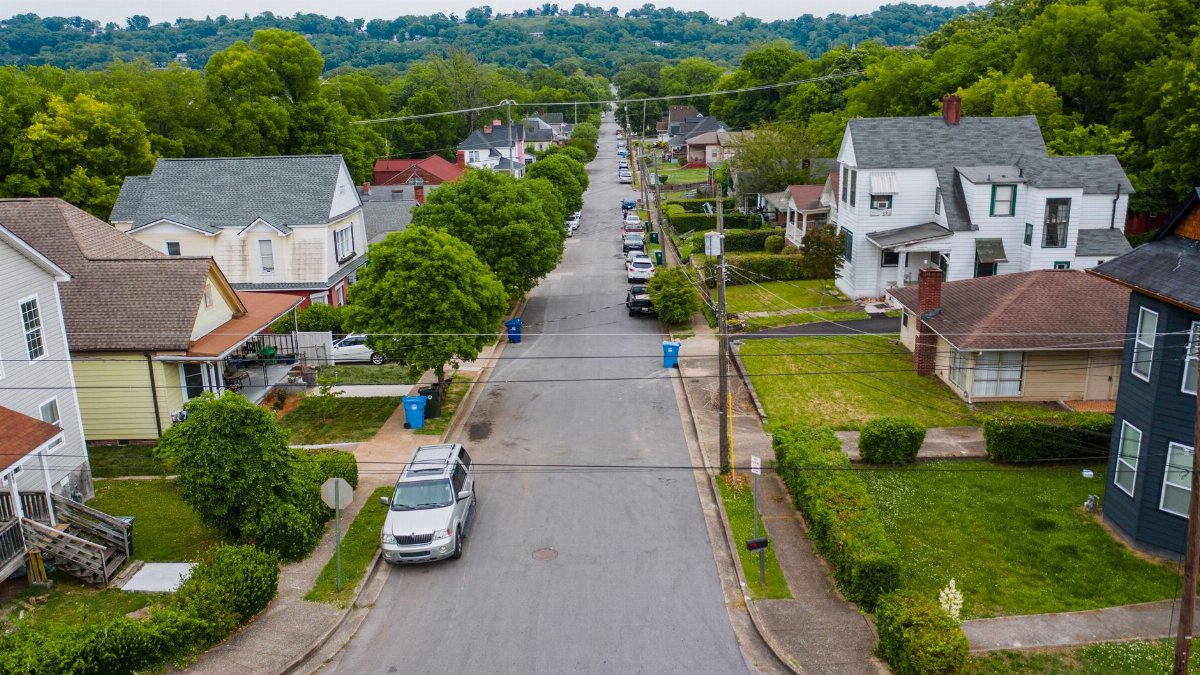
Agreement at the level of press statements does not quiet the people who live next to the lots in question. Residents worry about parking, shadows, construction noise, and the slow loss of yards and trees. Some fear that smaller lots will invite investors who flip parcels rather than families who stay. Others remember past rezonings that promised gentle growth and delivered something louder.
Those concerns are not invented. Infill fails politically when it feels like something done to a street rather than something a street can absorb. A lower minimum lot size does not, by itself, guarantee good design, protection for existing tenants, or a pace of construction that feels fair. Opponents of Boston zoning Question 7 are likely to argue that the city is asking voters to trade predictability for a hope that more units will eventually ease prices. Hope is a hard thing to put on a ballot.
Who might gain a door

If the measure works as supporters describe, the first beneficiaries are not abstract markets. They are households that need another unit near a bus line, a job, or an aging parent. A smaller legal lot can mean a home for a grown child who cannot afford a separate condo downtown. It can mean a rental in a neighborhood where almost nothing new has been allowed for years. It can mean a builder finally completing a project that has sat in a file folder because the land was ten percent too narrow.
None of that is guaranteed. Zoning permission is not the same as a finished building. Construction costs, interest rates, labor shortages, and neighborhood opposition can still stop a project after the lot math is fixed. Still, permission is the gate. Without it, the rest of the argument is theoretical. With it, at least some owners and builders can try.
What a single question cannot fix

Boston’s housing problem is larger than lot dimensions. Permitting timelines, building code costs, high land prices, and the expense of bringing old structures up to current standards all shape what gets built. So do interest rates set far from City Hall. A voter who expects Boston zoning Question 7 to cut rents by a visible amount next year will be disappointed. Housing supply moves slowly. A reform passed in one election shows up, if it shows up, in buildings that take years to finance and finish.
That lag is politically dangerous. Supporters must ask for patience in a city that is tired of waiting. Critics can point to the lag and call the measure symbolic. The honest version sits between those poles. Changing who may build on a small lot is a real shift in the rules. It is not a complete housing program.
How old maps still govern new lives

Many of Boston’s lot patterns were set when streetcars, triple deckers, and small builders filled neighborhoods lot by lot. Later rules often assumed larger parcels, more separation, and a preference for uses that matched midcentury planning ideals. The result is a mismatch. The physical city is fine grained. Parts of the legal city are coarse. A side yard that looks ordinary to a passerby can be unlawful as a home site because a number in the code was chosen for a different street, a different decade, or a different fear.
Question 7 is an attempt to let the legal map catch up with the lived one. Catching up is not the same as erasing standards. Setbacks, height, open space, and safety rules would still apply. The change is about the threshold for entry, the moment a parcel becomes eligible to be considered at all.
The politics of saying yes together

For Wu, joint language with real estate groups is both an asset and a risk. It signals that the measure is not a lonely ideological project. Business support can reassure voters who worry that City Hall is hostile to anyone who builds. It can also arm skeptics who believe developers have captured the debate. The mayor’s allies will need to show that the agreement serves renters and homeowners who are not in the room when trade groups meet, not only the firms that framed the press release.
For the industry, standing with the administration has its own tension. Some members would have preferred a broader rollback of zoning limits. Accepting a narrower deal means conceding that Boston voters will not bless unlimited density. It also means owning the results. If smaller lots produce clumsy buildings or speculative churn, the groups that asked for this change will be asked to explain it.
A voter’s practical test

The useful way to read the question is concrete. Picture a specific block. Ask whether a slightly smaller lot, held to the same height and safety rules as its neighbors, would harm that block or complete it. Ask who is likely to build, and whether the city has other tools if the result is displacement rather than new homes for people already here. Ask what happens if the answer is no, and those stranded parcels stay stranded for another generation.
Ballot language rarely captures that texture. Campaigns will simplify. One side will say housing. The other will say neighborhood character. Both words are real. Neither is a plan. The plan, such as it is, lives in the lot standards themselves and in the reviews that follow if voters allow more sites to reach them.
After the count

Whatever the tally, the argument will continue in building permits, abutter appeals, and the next zoning docket. A yes vote would open a lane for smaller projects and force the city to show it can manage them with care. A no vote would leave the current ruler in place and push Wu, builders, and neighborhoods back to variances, one parcel at a time, which is how Boston has often grown when the code and the land disagree.
The notable fact of this season is not that everyone suddenly trusts everyone else. It is that people who usually fight chose a shared sentence about lot size. Boston zoning Question 7 will test whether voters believe that sentence is enough of a beginning.