
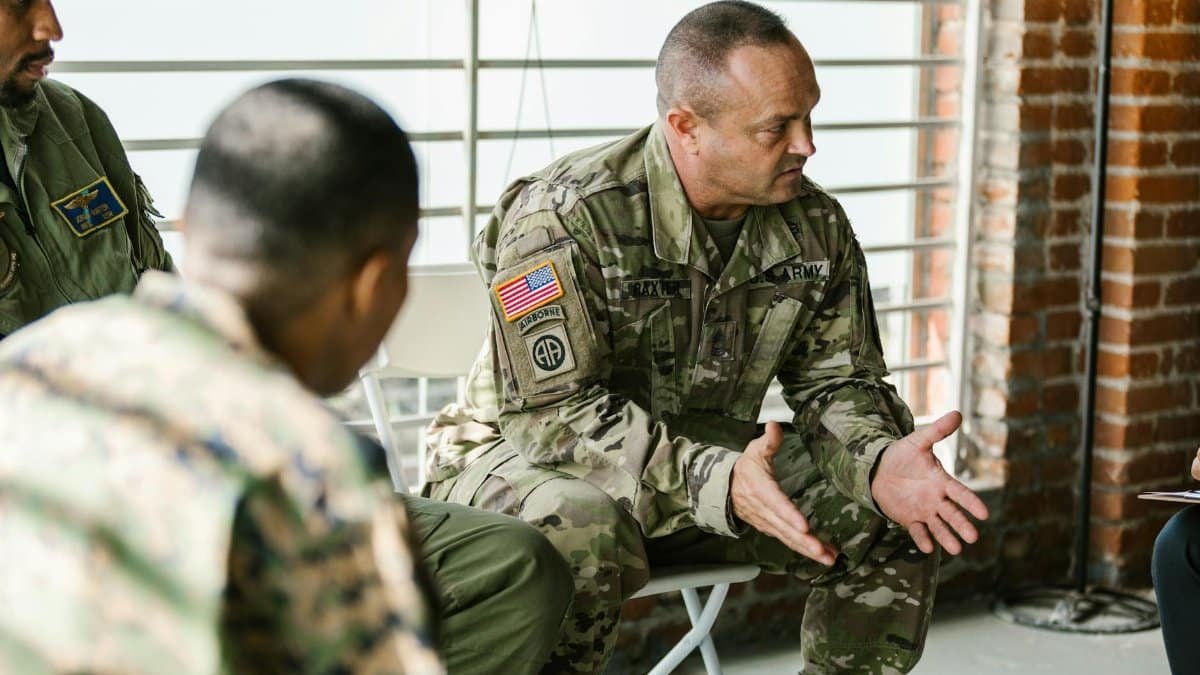
**In the quiet suburbs of Long Island, veterans who have carried the invisible scars of war for decades are watching a bold new development in Washington with a mixture of hope and skepticism. President Trump recently signed an executive order directing federal agencies to fast track reviews of psychedelic compounds as potential treatments for post traumatic stress disorder. This move has brought fresh focus to psychedelic treatments veterans could soon access, particularly among communities on Long Island that have long supported military families. While some see it as a long overdue lifeline, others worry that speed may come at the cost of safety and rigorous science.**
**The Details Behind the Executive Order**
The directive instructs the Department of Veterans Affairs and the Food and Drug Administration to prioritize evaluation of substances including MDMA and psilocybin within six months. Administration officials describe the order as a direct response to the suicide rate among veterans, which remains stubbornly high despite years of conventional therapy and medication. Supporters argue the government has moved too slowly on therapies that have shown promise in early trials. Critics counter that bypassing standard timelines risks exposing vulnerable veterans to treatments that have not yet met the full burden of proof required for widespread use.
**How Psychedelics Might Help Heal Trauma**
Unlike traditional antidepressants that manage symptoms, certain psychedelic compounds appear to create conditions for profound psychological breakthroughs. In controlled clinical settings patients often report revisiting traumatic memories with reduced emotional intensity. Therapists who facilitate these sessions describe a process that can compress years of conventional talk therapy into a handful of carefully guided experiences. For many veterans the prospect of relief after decades of nightmares, hypervigilance and emotional numbness feels almost miraculous. Yet the very intensity of these experiences raises questions about who is equipped to provide the necessary support during and after treatment.
**Stories From Long Island Veterans**
Robert Callahan, a 52 year old Marine veteran from Patchogue, spent years cycling through different medications before participating in a supervised ketamine assisted therapy program. He credits the treatment with giving him his first sustained period of peace since returning from his third deployment. “For the first time I could look at what happened without it destroying me,” he said during a recent conversation at a local veterans center. Similar accounts have surfaced across Nassau and Suffolk counties, prompting growing numbers of former service members to contact their representatives in support of the accelerated review process.
**Enthusiasm From Local Advocates**
Several Long Island organizations that work with veterans have welcomed the executive order. The Long Island Veterans Coalition issued a statement praising the administration for cutting through bureaucratic inertia. Director Maria Torres noted that many younger veterans from Iraq and Afghanistan deployments view psychedelic options as preferable to lifelong pharmaceutical dependence. Local chapters of national advocacy groups have begun hosting informational sessions to explain the difference between recreational use and clinical protocols. These advocates emphasize the importance of maintaining medical supervision and proper screening to protect those most likely to benefit.
**Concerns Raised by Mental Health Professionals**
Not everyone on Long Island shares this enthusiasm. Dr. Ellen Whitaker, a psychiatrist who has treated veterans at the Northport VA Medical Center for 18 years, expressed measured caution. She supports research but worries that political pressure could outpace the evidence base. “We have promising data, but we still lack large scale, long term studies focused specifically on veterans with complex trauma histories,” she said. Other clinicians point to potential risks including temporary increases in anxiety, possible worsening of symptoms in some patients, and the challenge of integrating powerful psychedelic experiences into daily life without adequate follow up care.
**The Current State of Clinical Research**
Federal funding for psychedelic research has increased significantly in recent years, though experts note it still lags behind the urgency many veterans feel. Studies conducted at institutions including Johns Hopkins and New York University have demonstrated notable success rates in treating treatment resistant PTSD. A landmark phase three trial of MDMA assisted therapy showed approximately 67 percent of participants no longer met criteria for PTSD after three sessions, according to data submitted to regulators. Similar research on psilocybin continues at several academic centers. Proponents of the executive order argue these findings already justify accelerated pathways to approval.
**Safety Questions That Remain Unanswered**
Despite encouraging results, important gaps persist. The VA has not yet conducted sufficiently large trials examining how these treatments interact with the multiple medications many veterans take for physical injuries and mental health conditions. Questions also linger about cardiac risks, psychological suitability screening, and the training standards required for therapists. Some Long Island clinicians worry that rapid expansion could lead to uneven quality control across different facilities. They reference past waves of enthusiasm for new psychiatric treatments that later revealed significant drawbacks once deployed at scale.
**Political Reactions Across Party Lines**
The executive order has exposed unusual divisions. Some progressive mental health advocates who typically oppose Trump administration policies find themselves aligned with the president on this issue. Meanwhile certain conservative veterans groups traditionally supportive of the administration have voiced reservations about what they term “experimental drugs.” Congressional representatives from both parties on Long Island report receiving passionate correspondence from constituents. The debate has highlighted how the search for effective PTSD solutions can transcend typical political boundaries even as it creates new fractures within familiar coalitions.
**Potential Impact on Veterans Affairs Programs**
If the accelerated reviews lead to approval, the VA would face the substantial task of integrating psychedelic therapy into existing mental health infrastructure. This would require significant investment in therapist training, facility modifications to accommodate the unique requirements of these sessions, and robust informed consent processes. Budget analysts estimate initial implementation costs could reach tens of millions of dollars annually. However supporters counter that successful treatment could ultimately reduce long term expenses related to disability payments, hospitalizations and lost productivity. The balance of these considerations will likely shape implementation decisions in coming years.
**The Road Forward for Approval and Access**
The coming months will prove decisive as agencies respond to the executive order. Researchers, clinicians and veterans groups on Long Island stand ready to provide input during public comment periods. Many hope the process will balance urgency with careful oversight. For veterans like Robert Callahan the conversation has already brought renewed optimism. Whether the fast tracked reviews ultimately deliver meaningful relief or create new complications remains to be seen. What feels certain is that the discussion around psychedelic treatments veterans has moved from the margins to the center of national policy debate, and the outcomes will resonate far beyond Long Island.
(Word count: 1,237)