
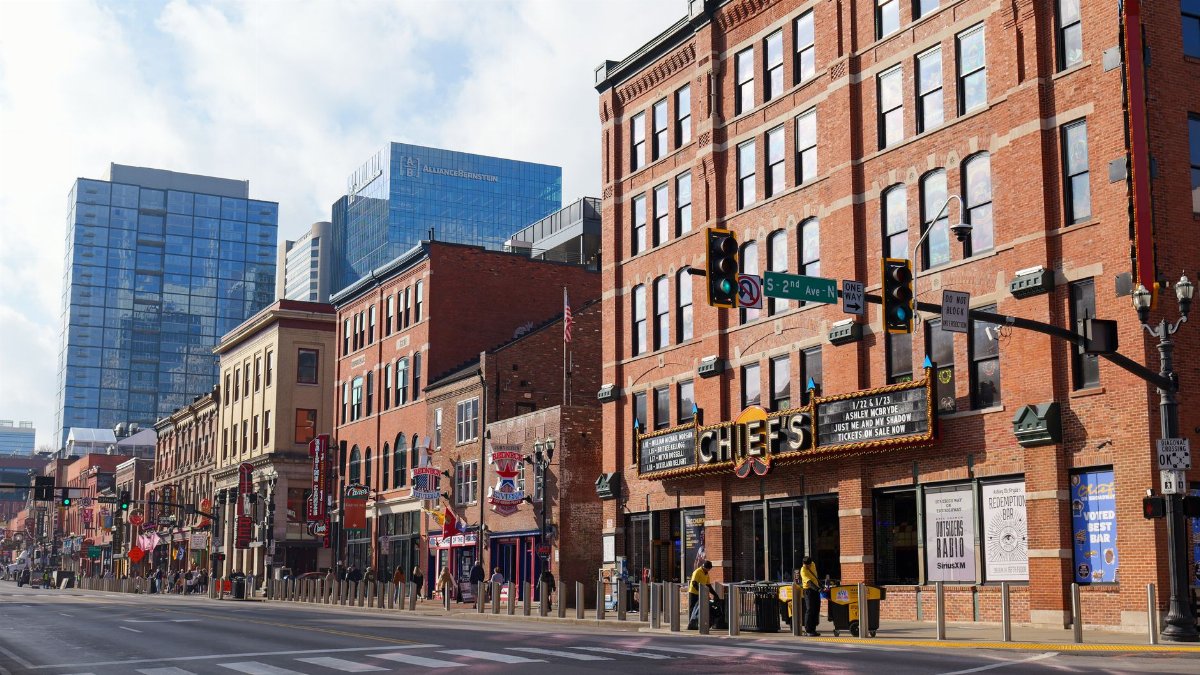
In the heart of Boston a leadership transition at City Hall carries weight for residents who navigate one of the city busiest corridors each day. Mayor Michelle Wu has chosen a veteran administrator to steer the streets department on an interim basis while laying out further phases for the Blue Hill Avenue redesign. The move comes amid ongoing conversations about safety traffic flow and neighborhood character along a route that serves thousands of commuters and local businesses.
Leadership Transition at City Hall
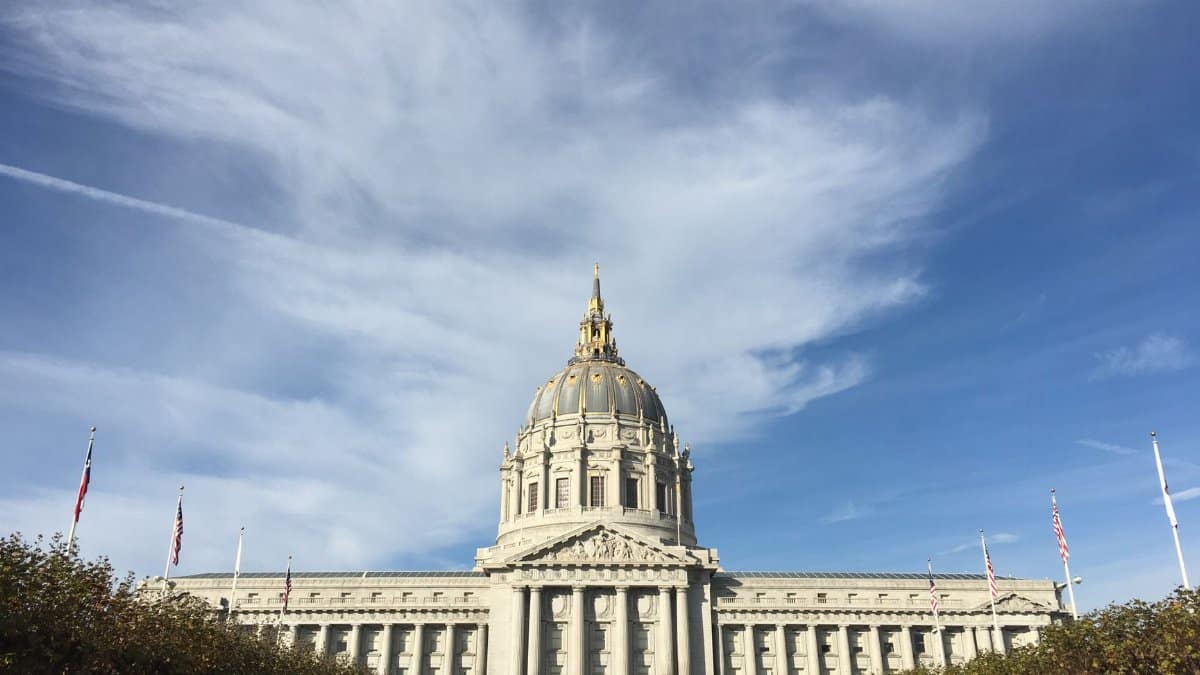
The appointment places a familiar face in charge during a pivotal period. This official has spent decades handling municipal operations and understands the complexities of large scale infrastructure work. Colleagues describe a steady approach that favors collaboration with community groups and state agencies alike.
Background of the Interim Streets Chief
The chosen leader rose through city departments with roles in public works and planning. Experience includes oversight of previous roadway projects that balanced engineering demands with input from residents. Such a record suggests continuity rather than abrupt change.
Project Timeline and Next Phases
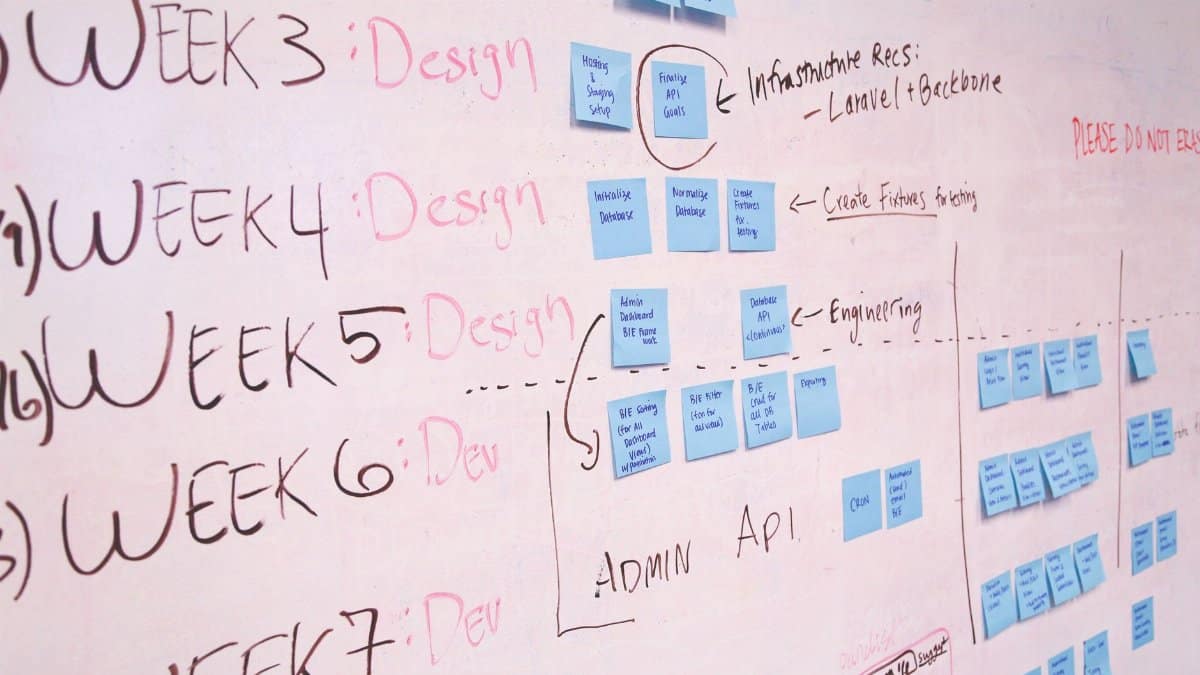
Officials outlined a sequence of reviews and public meetings to refine designs. Early work will focus on data collection regarding traffic patterns and pedestrian safety. Later stages may incorporate feedback gathered through neighborhood forums.
Community Voices on Avenue Changes
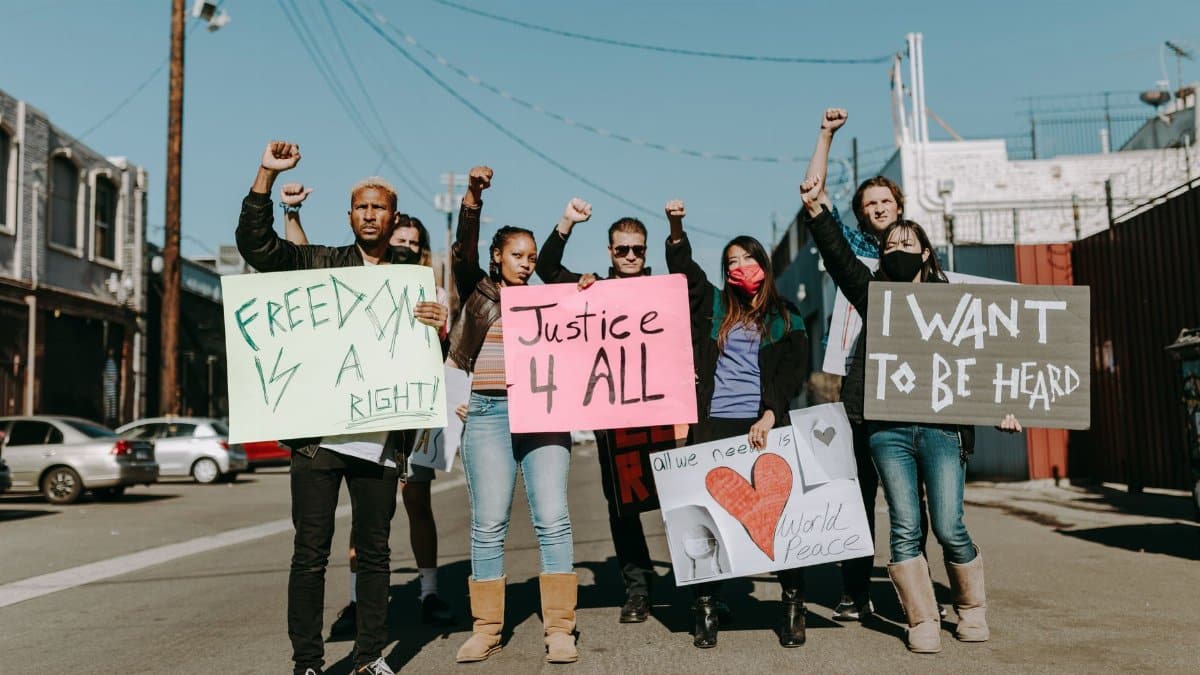
Residents along the corridor express a mix of hope and caution. Some highlight daily challenges with speeding vehicles while others worry about impacts to local commerce. City staff have committed to multiple listening sessions to capture these perspectives.
Broader Goals for Urban Mobility
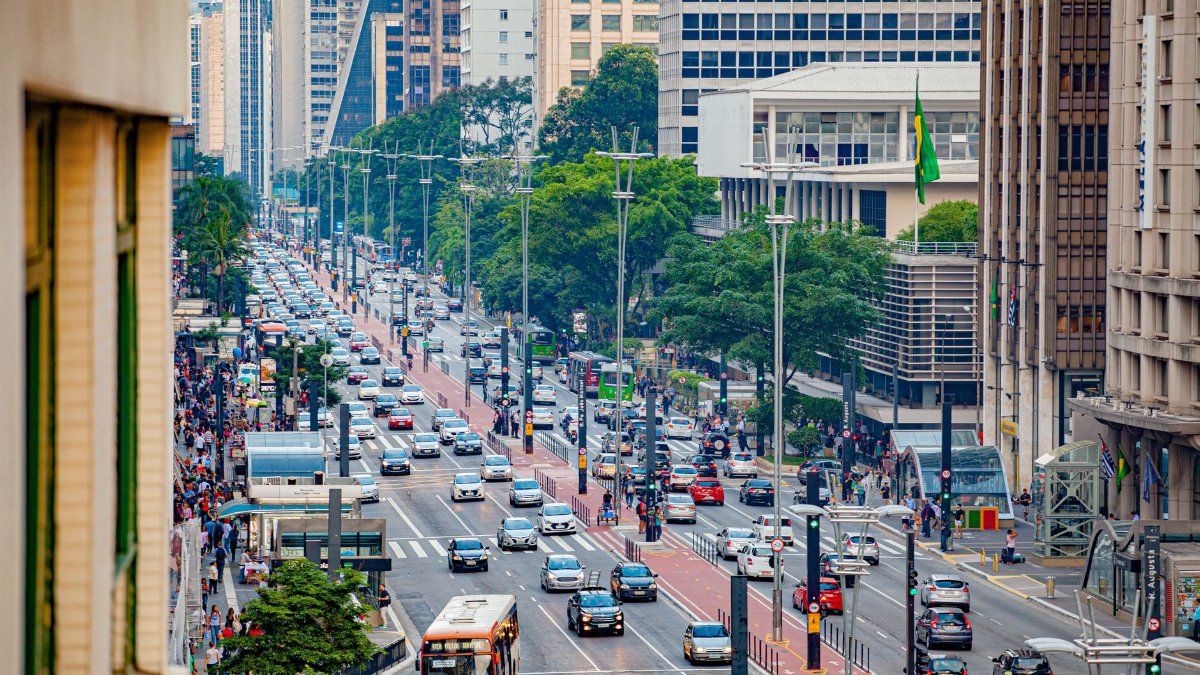
The effort aligns with wider aims to improve transit access and reduce congestion across Boston. Planners see potential for better bus routes and protected bike lanes that could ease pressure on parallel streets. Integration with regional rail remains a topic for future discussion.
Funding Considerations and Partnerships

Securing resources will require coordination between municipal budgets and state or federal programs. Past infrastructure grants offer models for assembling support. Transparent accounting of costs will help maintain public trust throughout construction.
Potential Effects on Local Businesses

Shop owners note that construction periods can disrupt foot traffic yet improved streetscapes sometimes boost long term visitation. Mitigation measures such as phased work zones receive attention in planning documents. Ongoing dialogue aims to minimize economic strain.
Environmental Aspects of the Redesign
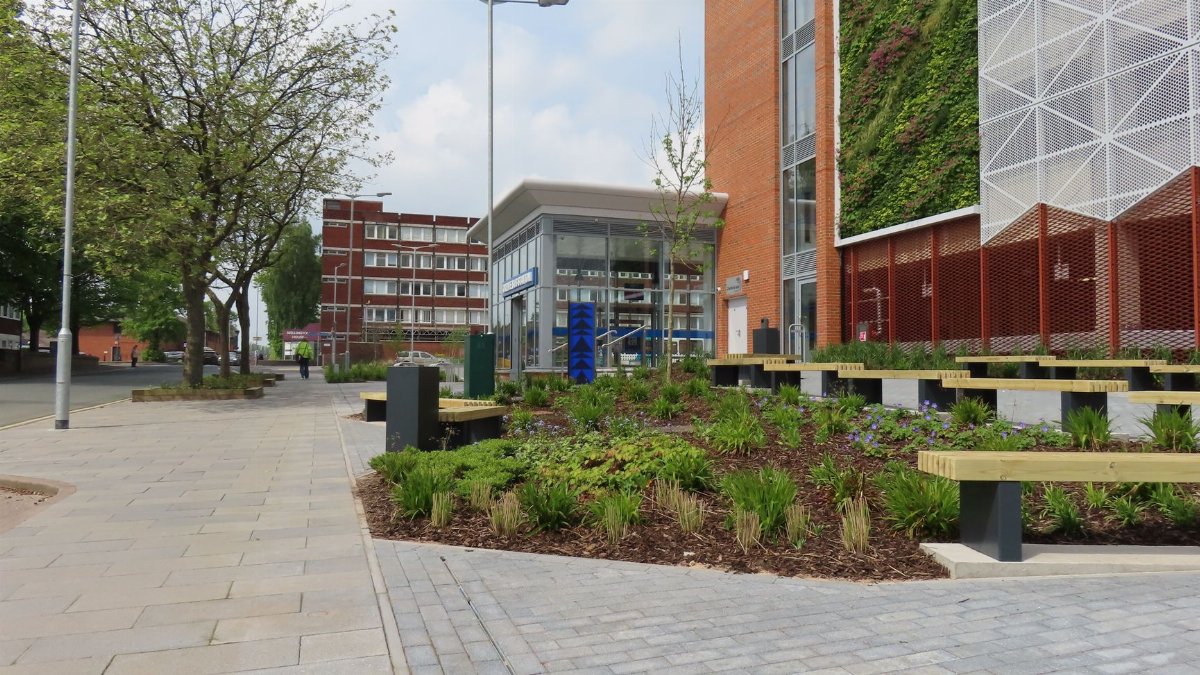
Proposals include added greenery and drainage improvements to handle storm water. These elements reflect growing attention to climate resilience in city projects. Evaluations will track air quality and heat reduction once changes take effect.
Comparisons With Other City Initiatives
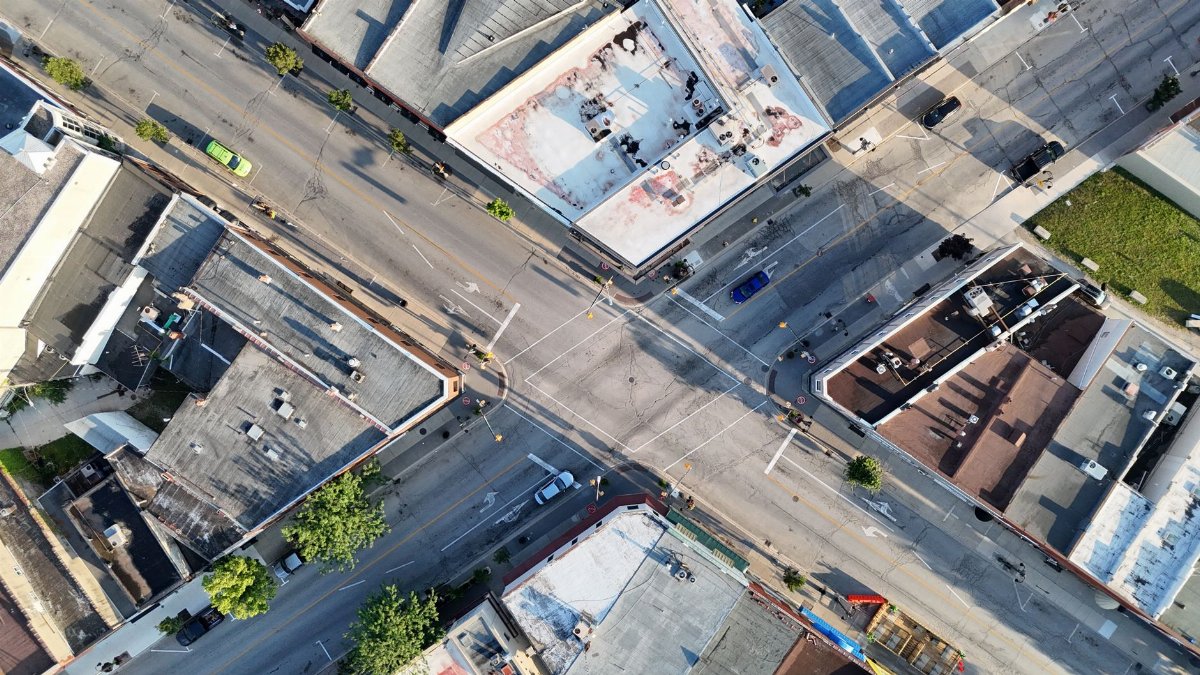
Similar efforts in nearby districts provide lessons on balancing speed of implementation with thorough review. Success often hinges on consistent communication and adaptive responses to unforeseen issues. Boston officials monitor outcomes from those cases.