
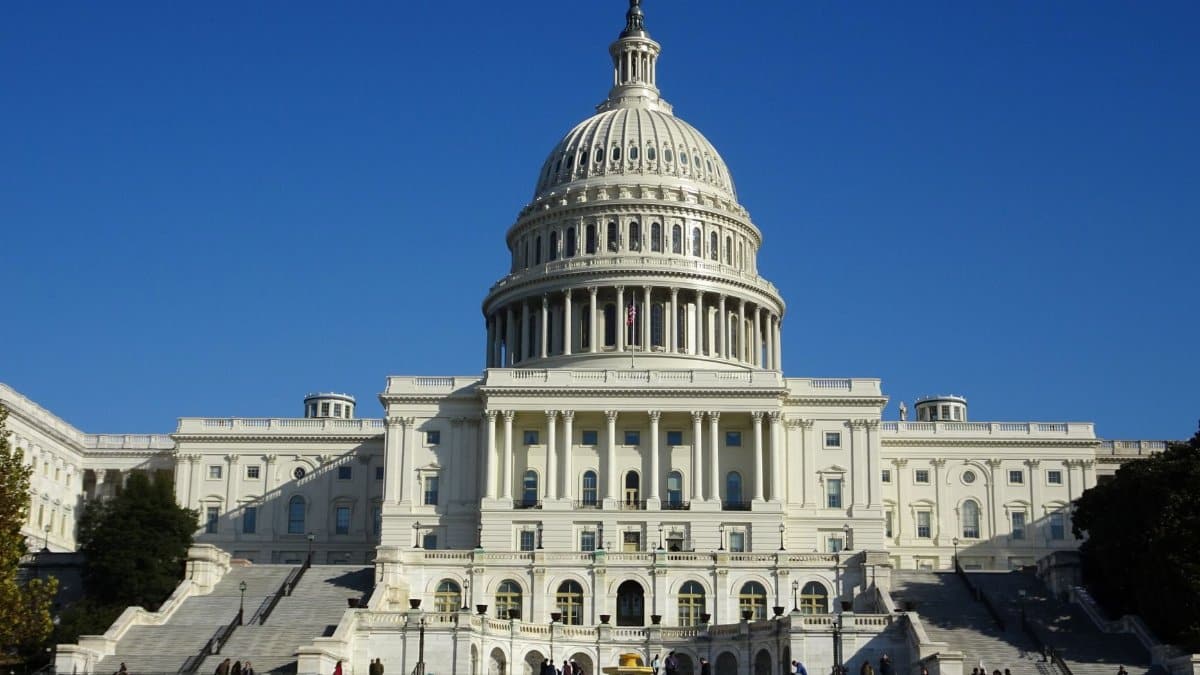
In the bustling chambers of Boston City Hall a coalition of voices rose to address urgent matters of migration and stability. Boston Mayor Michelle Wu joined Councilor Tania Fernandes Anderson Louijeune to spearhead a letter signed by more than one hundred elected officials. Their appeal calls on Congress to safeguard Haitian TPS protections at a moment when many families face uncertainty due to conditions back home. This effort highlights how city leaders can shape conversations that reach far beyond local borders and into the heart of federal decision making.
Background on Temporary Protection Measures

Temporary protected status has long served as a lifeline for those fleeing turmoil. For Haitian nationals the program offers legal permission to live and work in the United States while their home country recovers from disasters and unrest. Recent developments show renewed pressure to maintain these measures rather than allow them to lapse.
Local Leaders Take a National Stage
Wu and Louijeune coordinated the outreach on August 5 2026 drawing support from officials across Massachusetts and other states. Their letter emphasizes practical benefits such as economic contributions from protected workers and community stability in cities like Boston. The signers argue that abrupt changes would disrupt schools businesses and families already integrated into American life.
Why the Focus on Haitian Communities

Haitian immigrants have built deep roots in New England through churches businesses and civic groups. Many arrived under earlier grants of protection and now hold jobs in health care construction and education. Advocates note that ending safeguards would force difficult choices for people who have no safe return path amid ongoing challenges in Haiti.
Broader Implications for Migration Policy

This push comes as Congress weighs reforms to immigration rules. Supporters of Haitian TPS protections say consistent policy helps reduce court backlogs and allows better planning for cities that host large numbers of residents under the program. Without extension some workers might lose legal status creating ripple effects in local economies.
Voices from the Community

Residents affected by the status spoke of relief when they learned of the letter campaign. One parent described how the protection allows her to keep steady employment and care for children born in the United States. Others pointed to the long history of Haitian contributions to American culture and labor markets as reasons to preserve the measures.
Challenges in Haiti Driving the Need

Political instability natural disasters and economic strain continue to affect daily life on the island nation. Reports from international observers describe limited access to basic services in many regions. These factors form the core argument presented by the elected officials who signed the appeal to federal lawmakers.
Potential Outcomes if Protections Lapse

Analysts warn that sudden termination could lead to increased enforcement actions and family separations. Cities would face added demands on social services while employers lose trained staff. The letter from Boston stresses that an orderly extension offers a more measured approach aligned with humanitarian principles.
History of Advocacy Efforts

Similar campaigns have succeeded in past years when bipartisan support helped renew protections for various nationalities. The current effort builds on that record by uniting mayors council members and state representatives. Organizers hope the volume of signatures will draw attention in Washington during upcoming budget and policy debates.
What Comes Next for Supporters

Following the August 5 2026 announcement the coalition plans continued outreach to members of Congress. They intend to share data on workforce participation and community integration to strengthen their case. Observers expect further public events as the issue moves through legislative channels.