
On a damp Sunday in Fairmount, a circle of neighbors passed a notebook around a church basement table and wrote their names beside modest pledges. Coffee went cold. A toddler tested the patience of the folding chairs. Nobody in the room was waiting on a government plane. They were trying to keep one Ethiopian family fed, housed, and hopeful while American gates stayed shut. Philadelphia refugee sponsorship, once a quiet parish habit, has become an act of stubborn logistics.
A neighborhood decides it will not look away
Fairmount is a pocket of rowhouses, parish halls, and people who already know one another from school pickups and block cleanups. The group that gathered there did not begin as a political club. It began, neighbors say, when someone connected to the stranded family asked whether anyone in Philadelphia could help while official admissions remained blocked. The answer was practical rather than grand. Rent in a foreign city does not pause for Washington. School fees do not pause. Medicine does not pause.
That plain fact is easy to miss from a distance. Policy can sound like a setting on a switch. A grocery bill does not. The people around the table were not drafting a theory of borders. They were deciding who would track donations, who would translate updates, and who would call a resettlement office again next week when the answer was still no.
What sponsorship looks like when no plane is coming
In ordinary years, Philadelphia refugee sponsorship meant a welcome team. Airport pickup. A furnished apartment. Help with benefits. A ride to a clinic. English practice at a kitchen table. Those teams still live in the civic memory of this city. Lutheran, Catholic, Jewish, and Muslim congregations have done the work for decades, often beside secular neighbors who simply had a spare Saturday and a working car.
That model assumes a family has permission to enter. When admissions are blocked, the work changes shape. Sponsors cannot greet anyone at Philadelphia International. They send support, gather documents, press agencies for news, and try to keep a case from going cold. The duty, the group argues, does not wait for a boarding pass. The family is not here. The obligation already is.
One Ethiopian family, held in place
The family at the center of the Fairmount effort is Ethiopian. They are stranded in Egypt, a country that has long served as a waiting room for people who fled conflict, conscription, or the slow collapse of a future at home. Sponsors describe the situation in narrow, urgent terms. Housing depends on outside money. Children need to stay in school. Adults cannot build a stable legal life where they are. A case that might once have moved toward the United States cannot move while admissions stay blocked.
Names are being withheld. That choice is not coyness. People in transit are exposed. A published surname can follow a family into an interview room, a hostile feed, or a conversation with a landlord who would rather not be involved. The Philadelphians raising money have accepted a strange task: make a private emergency public enough to fund, and private enough to protect.
The ledger on the basement table
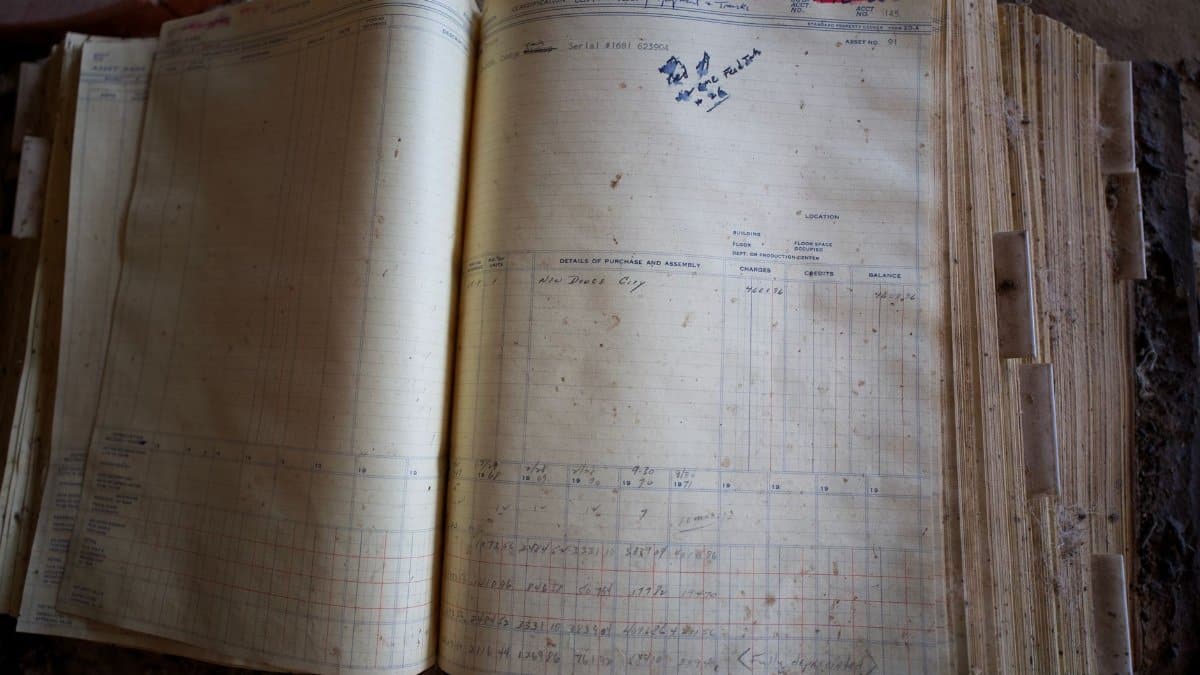
Fundraising, in this telling, is not a gala. It is a shared spreadsheet and a jar that started at a potluck. Sponsors talk about months, not miracles. A few hundred dollars can cover a short stretch of rent. It cannot cover a year, and it cannot purchase a visa. The group is clear eyed about that limit. Charity is a bridge. It is not a border policy.
They are also plain about what the money is for. Food. Rent. Medical costs. Phone credit so a caseworker can be reached. Fees that pile up when a life is lived in temporary status. No one in the circle pretends a neighborhood can replace a federal refugee program. They are trying to keep one family from falling through a pause that has no published end date and no reliable promise of one.
Congregations and the old habit of welcome
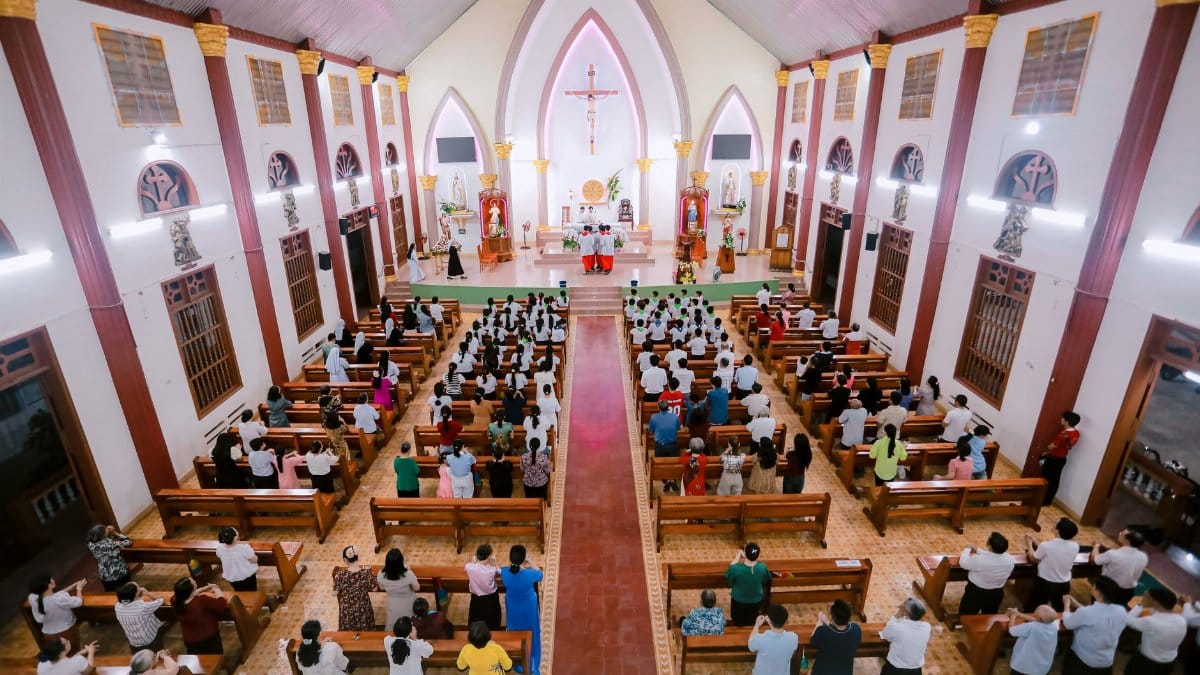
Philadelphia has a long record of religious communities treating the stranger as a duty rather than a slogan. That record includes arguments. Not every pew agrees about borders, budgets, or how many people the country should admit. The Fairmount sponsors are not asking the whole city to settle that argument before they pay a bill that is already due.
Still, the spiritual frame is hard to miss. In the church basement, welcome is not a metaphor. It is a list of tasks. Other congregations in the city have offered furniture for the day a family actually arrives, or advice drawn from years of helping newcomers find a first job, a grocery store, and a doctor who will take a new patient. These are not interchangeable good deeds. They are the local infrastructure of Philadelphia refugee sponsorship, built long before this particular blockade, and now asked to operate without the arrival it was designed to meet.
Paper, interviews, and a clock that does not stop

Even when a case is moving, refugee admissions are slow. Interviews, medical checks, security reviews, and travel bookings stack on one another. Families learn to measure life in appointments. A blocked system removes even that thin sense of motion. The file still exists. The people in it keep aging.
Aid groups and resettlement officials have said for years that abrupt halts leave families in limbo and leave local sponsors with plans they cannot complete. The warning does not require a new study to feel concrete in Fairmount. A furnished room means nothing if the people it was meant for cannot board a plane. A volunteer who learned a few phrases of greeting has no one to greet. The preparation curdles into waiting, and waiting is its own kind of work.
Children growing up in a waiting room

Adults can narrate a delay as politics. Children experience it as childhood. A school year in Egypt is not a placeholder for a school year in Philadelphia. Friendships form. Languages shift. A teenager who might have started high school here starts it somewhere else, or does not start it at all if the fees run out. Parents make daily calculations about safety, money, and how much hope to spend in front of their kids.
The Fairmount group talks about the children with particular care, and with few details. That restraint is part of the sponsorship. Public storytelling can raise money. It can also turn a minor into a symbol. The sponsors seem to want the first without the second. They describe needs, not biographies. They ask for patience from donors who are used to a face, a full name, and a neat ending.
What a blocked gate does beyond one household
A pause in admissions is easy to describe as a policy setting. For the people inside it, the pause is time. Medical conditions worsen. Relatives in the United States grow older. Employers who might have hired a newcomer hire someone else. Community groups lose staff when federal arrivals dry up, and the capacity to welcome people later quietly shrinks.
The political fight in Washington will continue. Courts, Congress, and the White House will trade arguments about security, capacity, and humanitarian duty. Those arguments matter. They also do not pay next month’s rent in Egypt. A city can hold two thoughts at once: the federal government controls admission, and a blocked gate still lands as a local problem for anyone who has promised to stand with a particular family.
The work Philadelphians can still do
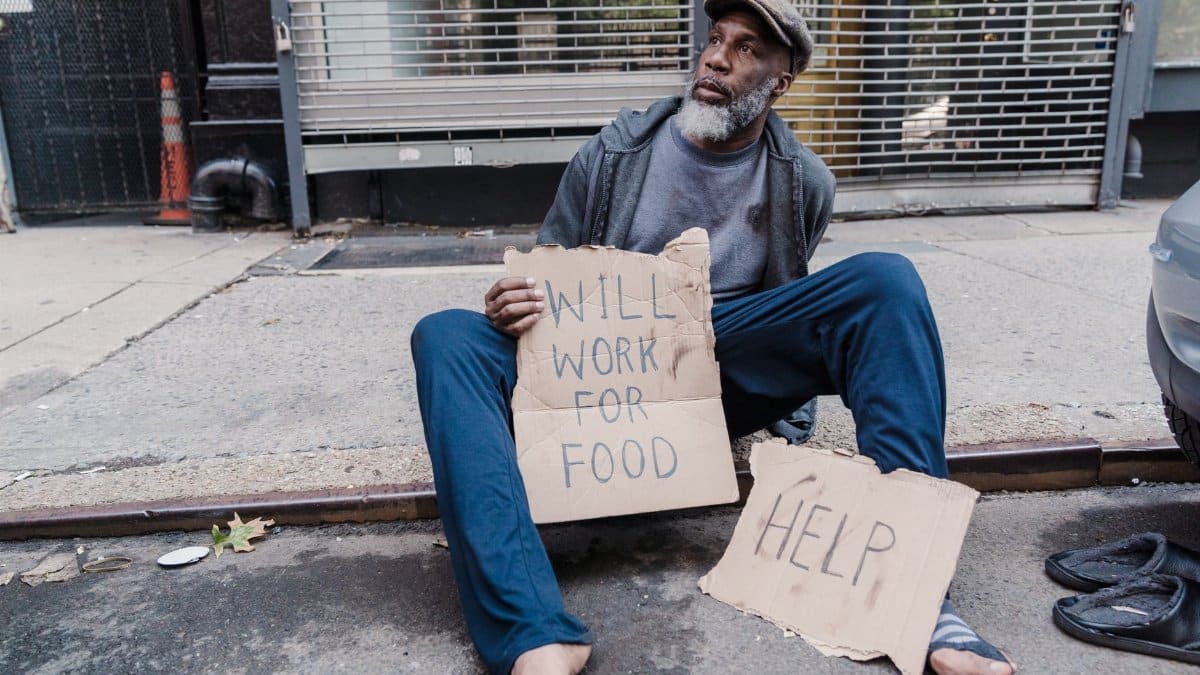
So the Fairmount group does what a city knows how to do. It organizes. Someone tracks donations. Someone translates updates. Someone calls a resettlement office to ask whether any administrative path has opened. Someone else makes sure the effort does not become a spectacle. Philadelphia refugee sponsorship, in this narrower form, is less about a banner at the airport and more about whether a wire transfer arrives before a landlord loses patience.
There is a temptation to romanticize that labor. It should be resisted. Volunteer energy fades. People move. A group chat goes quiet. Neighbors who have done this work before say the second year is harder than the first, because urgency cools and the need does not. A sustainable effort needs more than a moving Sunday. It needs a treasurer, a backup treasurer, and a plan for the month when everyone is tired.
The limits of a private rescue
It matters to say what this is not. A neighborhood cannot run a refugee admissions system. It cannot complete security vetting. It cannot decide who enters the United States. Those powers sit with the federal government, and they should. Private money can also distort attention toward the family a community already knows, while thousands of others wait without a Philadelphia phone tree.
The Fairmount sponsors do not deny that imbalance. They answer it with a smaller claim. Knowing a family creates a duty that is not erased by the existence of other duties. If you can keep one household stable while the gate is shut, you do that, and you do not pretend you have solved the crisis. Moral clarity at that scale is modest. It is also harder to fake.
A city that measures itself by welcome
Philadelphia likes to call itself a city of brotherly love, a phrase that can sound like a slogan on a souvenir until someone tries to cash it. The test is rarely a speech. It is whether institutions and neighbors stay with a case after the photograph would have been taken, and after the first burst of donations has been spent.
If admissions reopen, the same people raising money now will need apartments, school enrollments, and employers willing to take a chance on new credentials. If admissions stay blocked, they will need a longer fund and a thicker skin. Either way, Philadelphia refugee sponsorship is no longer a future tense plan. It is a present bill, a present correspondence, and a present argument about what this city owes a family it has chosen to know.