

The escalator at South Shore Plaza was already busy on a gray weekday, well before the old rush that used to define the season. Sweaters sat in neat stacks. Carts rolled past windows dressed for December. People paused, checked a price on a phone, and often kept walking. Across New England, store managers describe parking lots that fill and floors that feel alive. The mood, though, is measured. Holiday shopping has started early, and it is moving with a budget in mind.
Optimism with a hand on the brake
Retailers in the region are not talking like a sector in retreat. Mall operators point to traffic that returned earlier than it did a few years ago. Specialty chains say gift lists are forming before Thanksgiving leftovers are gone. Outdoor brands with deep New England roots expect loyal customers to show up for coats, boots, and the small extras that fill a stocking. Value chains expect even more of that traffic, because a careful shopper still needs a place to land.
That optimism is real, and it is also narrow. It rests on volume, on people coming through the door, more than on anyone spending freely. A strong Saturday can coexist with a smaller average bag. Managers have learned to read both numbers before they declare a win.
Wallets are writing the script

Households are still paying more for groceries, insurance, and heat than they did before the last run of inflation. Wages have risen for many workers, yet the cushion feels thin once rent and car payments are covered. In that setting, a gift is not a casual add on. It is a choice that competes with January bills.
Shoppers describe a simple rule, even when they do not say it out loud. They will buy. They will not buy at the first price they see. They compare. They wait for a markdown. They split a list across several stores so no single trip blows the plan. Holiday shopping, in this version, is less a spree than a series of small permissions.
What the malls are actually seeing
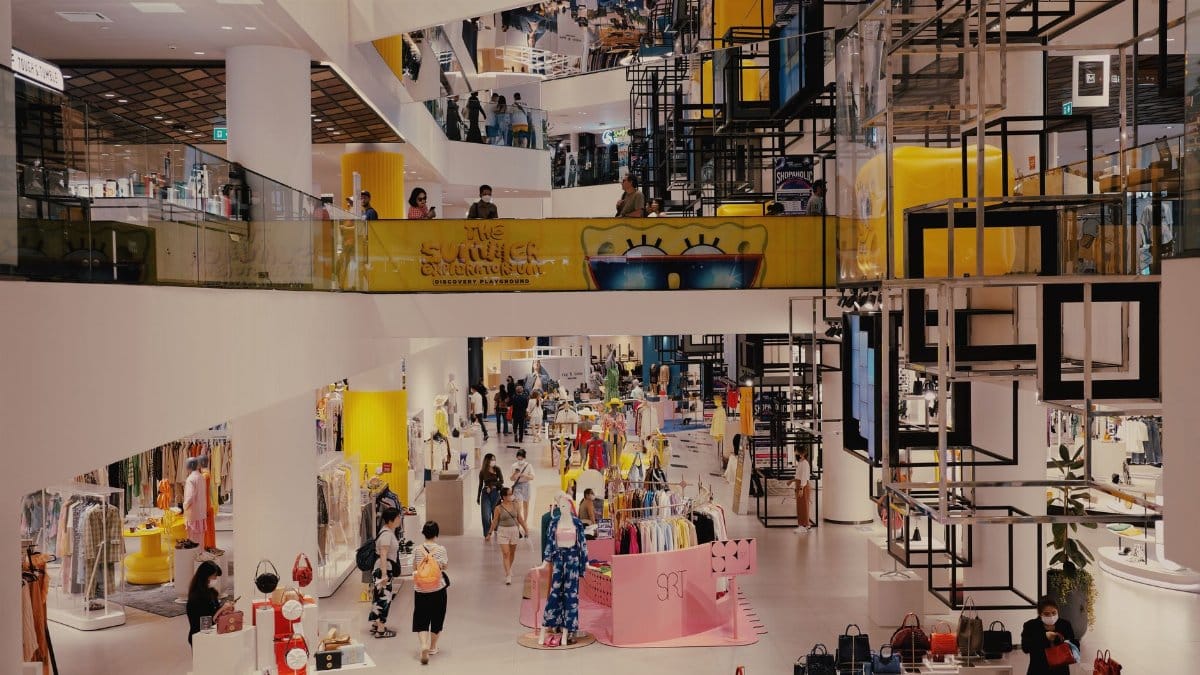
At places like South Shore Plaza, the early read is crowded aisles and selective carts. Cosmetics and small accessories move because they fit a fixed amount of cash. Apparel sells when the reduction is obvious on the tag. Big ticket electronics draw lookers who leave without a box. Food courts stay busy, which tells you people are willing to spend an hour in the building even when they are slow to spend on the merchandise.
That pattern matters for landlords and for the chains that anchor a property. Foot traffic keeps a mall plausible as a gathering place. It does not automatically repair margins if too many of those visits end in a discounted sweater and nothing else. Retailers who staffed up for a festive crush are watching conversion, the dull word for whether a browser becomes a buyer, as closely as they watch the parking garage.
The discount is the main event

Promotions used to crest on a single Friday. They now stretch across weeks, and shoppers treat that stretch as the real calendar. A coat that is full price on Monday may be twenty percent off by the weekend, and plenty of people are content to wait. Stores know this. They seed reductions early, then deepen them if the goods sit. The risk is training customers to assume that patience always pays.
National surveys have been pointing the same way for several seasons: most people plan to spend carefully and to chase a deal. In New England that instinct shows up in how families talk about lists. One nice gift, a few practical ones, and a hard stop. Holiday shopping becomes a hunt for the price that makes the item feel allowed.
Outdoor brands and the value aisle
L.L. Bean still occupies a particular place in this region. The catalog memory is strong. A boot or a flannel can feel like a gift that lasts past the season, which helps a shopper justify the cost. Even so, the company is competing with the same cautious math as everyone else. Durability is a selling point only if the price clears the household test.
TJX, through T.J. Maxx, Marshalls, and HomeGoods, sits closer to that test by design. The treasure hunt format rewards people who want a name brand without paying the original ticket. In a year when wallets are the story, that model has a structural advantage. It does not need to persuade someone that full price is fine. It needs a floor full of surprises and a line that moves. New England stores in that family have reason to sound upbeat, because their customer was already trained to equate smart with less expensive.
A season that no longer waits for Friday
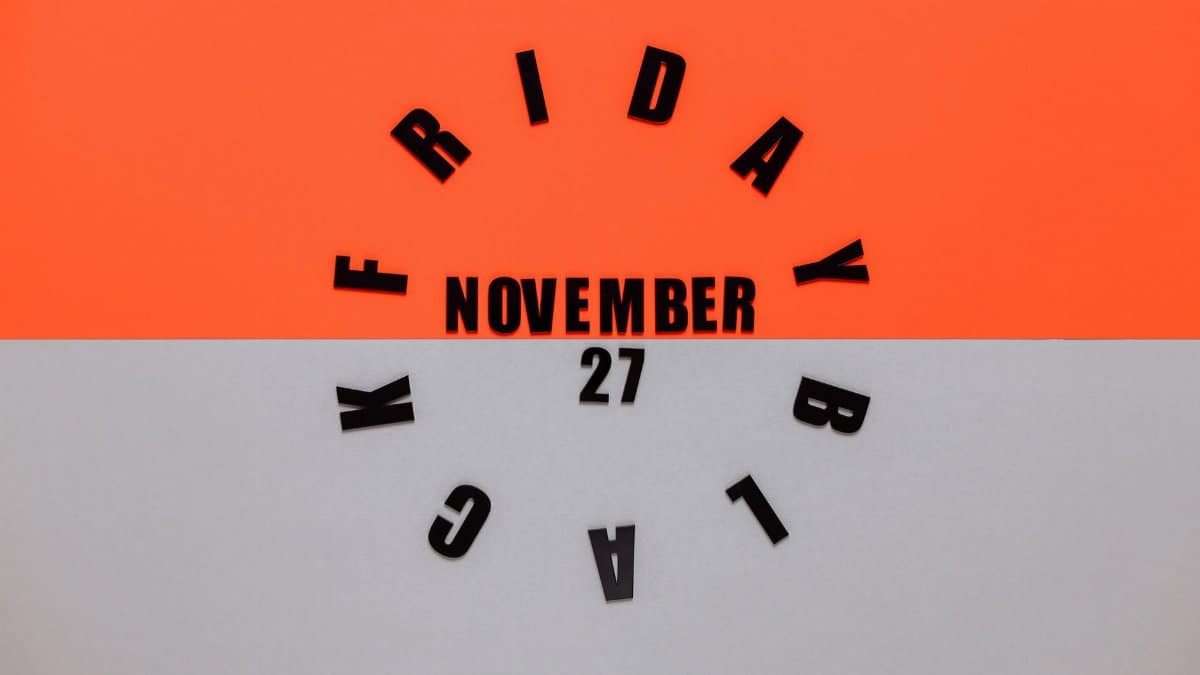
Black Friday still draws crowds, and the language of doorbusters has not vanished. The economic weight of the weekend is simply less absolute. Promotions begin in October. Online carts fill on a Tuesday night. Some families finish most of their buying before the long weekend so they can use the days off for travel rather than for stores.
Retailers have adapted their staffing and their ad calendars to that stretch. A soft Friday no longer sinks the quarter if the three weeks around it were steady. A wild Friday no longer saves a quarter if December goes quiet. The holiday is a slope, not a spike, and planning follows the slope.
Screens, lots, and the same budget

Online and in person are not separate economies for most households. A shopper may browse a mall, photograph a tag, and order the same item later if the delivered price is lower. Another may reserve online and pick up in a half hour because the shipping window feels risky this close to a party. Both behaviors land in the same wallet.
For New England chains, that means the website and the store have to tell the same story about price. A mismatch sends people away annoyed. A match, even a modest one, keeps the sale inside the company. Optimism among retailers includes a bet that they can hold that consistency while still protecting margin. Shoppers, watching every charge, will notice if the bet fails.
Small shops under the same pressure
Independent stores on town main streets do not have the buying power of a national chain, and they cannot mark down as casually. What they can offer is specificity: a locally made candle, a book chosen by someone who knows the customer, a scarf that will not appear in every office. Some of that still sells, especially as a single thoughtful gift rather than a cart full of filler.
The pressure is the same one the malls feel. A visitor may love the shop and still leave with nothing if the number on the tag exceeds the plan. Owners who sound hopeful this year are often hopeful about relationships and repeat visits, not about a sudden return to loose spending. A good December for them may mean covering payroll and ordering spring inventory without new debt.
What confidence is really counting on

When retailers say they are optimistic, they are usually counting on a few concrete things. People will still gather. Gifts remain a social expectation, not a luxury that vanishes in a tight year. Weather that is merely cold, rather than a storm that shuts highways, will let weekend traffic happen. Inventory, ordered months ago, will match what people actually want, so markdowns stay planned rather than desperate.
None of those bets require shoppers to feel rich. They require shoppers to feel willing. That is a lower bar, and it is the one this season seems built on. Stores that prepared for careful buyers, with visible value and enough staff to keep lines short, are in a better position than stores that ordered as if 2019 had returned unchanged.
Reading the bags, not the banners

Banners in a mall can say joy in letters three feet tall. The bags tell a plainer story. They are present. They are not overflowing. Children still point at displays. Parents still do the quiet arithmetic. A region full of retailers can be right to feel encouraged by the crowds and right to stay humble about the totals.
Holiday shopping in New England is underway, early and alert. The optimism is not fake. It is conditional. It lasts as long as people keep coming, and as long as the price on the tag respects the budget they carried in from the parking lot.