
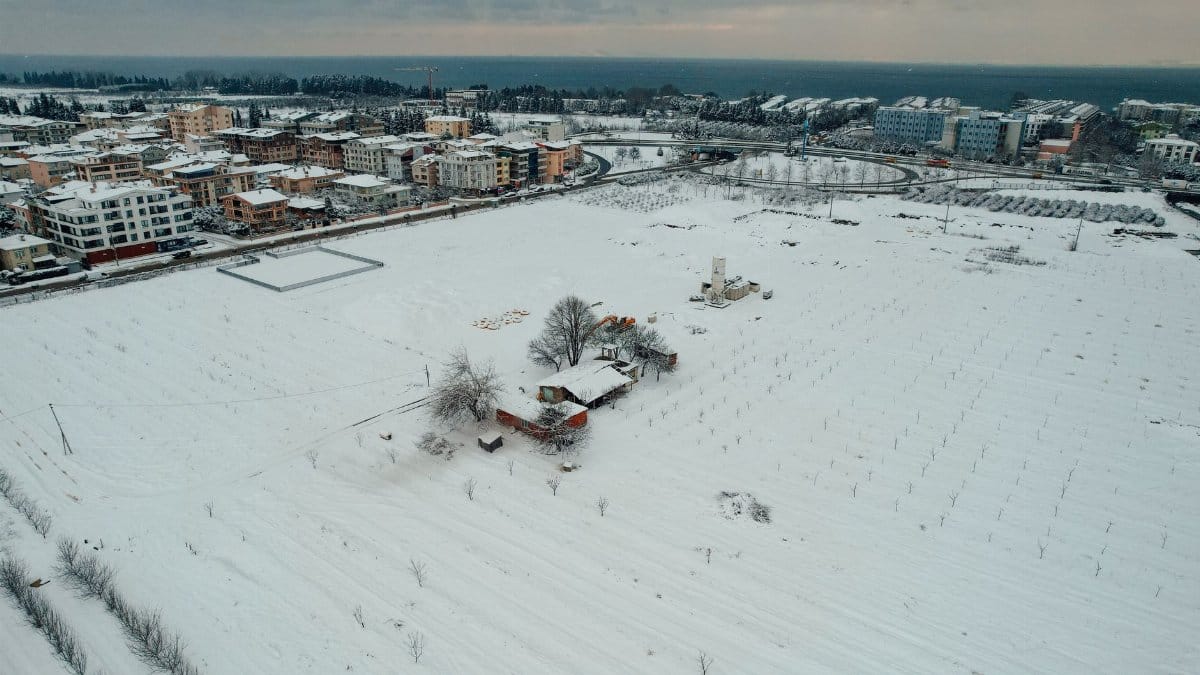
Delegates arrived before sunrise to a conference complex washed in sea light, badges already warm against cotton shirts, the air outside thick enough to feel like a dispute. Inside, the agenda looked familiar and the mood did not. Veterans of these meetings spoke quietly in the corridors about COP31 low expectations, not as a headline invented for television but as a working assumption: fewer sweeping pledges, a thinner American presence, and publics at home more anxious about the monthly power bill than about the verbs in a closing text. Turkey, staging a summit of this scale for the first time, has promised order, security, and a calm stage. Whether calm can stand in for ambition is the question that opened the week.
A hall that already knows the script

The choreography of a climate conference is almost liturgical. There is an opening procession of ministers, a host speech about bridges between continents, a round of applause for youth observers who will spend the next fortnight sleeping badly, and a procedural fight over which draft is the real draft. People who have attended a dozen of these gatherings can predict the coffee lines and the late night huddles with unnerving accuracy. What they cannot predict is whether anyone with real authority will spend political capital.
That uncertainty is why COP31 low expectations have settled over the campus before the first formal session. Diplomats do not say the talks are pointless. They say the ceiling is lower than the speeches will admit. A deal that keeps existing finance pledges from sliding backward, that nudges a few national plans toward clearer dates, and that avoids a public rupture may be treated as success. In another era that would have sounded like surrender. In this one it sounds, to many in the room, like realism.
Prices that voters can feel

The constraint is not only geopolitical. It is domestic and immediate. Energy prices, after years of shocks, still shape elections from Europe to South Asia to the American Midwest. Governments that subsidized households through the worst spikes are now trying to withdraw support without igniting anger. Fossil fuel exporters arrive with treasuries that look healthier than they did during the lean years, and with a ready argument: you cannot ask us to strand assets while your own voters revolt at the pump.
Negotiators from import dependent countries answer with a different ledger. They point to heat that ruins harvests, to grids that fail on the hottest afternoons, and to insurance markets that no longer want coastal property. The moral claim is strong. The parliamentary math is harder. A minister who returns home with a poetic communique and a higher fuel tax rarely gets a parade. Several officials in Antalya this week described their instructions in nearly identical language: do not come back with a surprise.
The chair that stays empty

The United States is not absent in the literal sense. Agencies still send technical staff. Cities, states, and companies still book side events and talk about procurement. But the federal political signal is muted, and everyone in the building can read a muted signal. Without a White House willing to trade concessions in public, other large economies feel licensed to wait. China watches the American mood before it spends rhetoric. The European Union, itself split between industrial worry and climate law, cannot fill that gap alone.
Historians of this process will note that American engagement has always come in waves. What feels new is the casual way delegates have priced that absence into their plans. Side conversations that once began with “if Washington moves” now begin with “assuming Washington does not.” That shift, more than any single missing minister, explains why COP31 low expectations have become the unofficial briefing note for the press as well as for the negotiators.
What the host wants the week to prove

Turkey sits in an awkward and useful place. It is a NATO member with deep energy ties to exporters, a growing renewable buildout, a Mediterranean coast already living with hotter summers, and a diplomatic style that prefers mediation to manifesto. Officials in Ankara have framed the summit as proof that a country outside the usual climate priesthood can run a competent global meeting. Logistics matter here. Badges that work, shuttles that arrive, and a presidency that does not lose control of the text are not glamorous achievements. They are the difference between a conference and a fiasco.
There is also a regional audience. Neighbors dealing with drought, migration, and gas transit will judge whether the host can translate geography into leverage. A Turkish presidency that coaxes a narrow finance paragraph into agreed language would claim a win even if activists call it thin. Hosting is a performance of state capacity. In a year of limited appetite for grand bargains, capacity may be the commodity on offer.
Money, still the argument that will not retire
Every recent summit has circled the same unresolved sum: who pays for adaptation, for losses already locked in, and for the power plants and transit systems that poorer countries are asked not to build in the old way. The numbers in the drafts are large enough to sound serious and vague enough to survive a vote. Recipients want schedules and sources. Contributors want conditions, private capital, and credit for loans that recipients do not experience as gifts.
None of this is new, which is precisely why it corrodes trust. A delegate from a low lying state, speaking on background, described the ritual as “a promise that matures after the government that made it has left office.” Philanthropies and development banks will announce packages on the sidelines. Some will be real. Some will be old money with a new ribbon. Reporters who have covered the process for years have learned to ask a blunt follow up: is this additional, and who controls the tap?
Heat as a fact, not a metaphor

Outside the air conditioning, the physical case for action does not require a poetic frame. The Intergovernmental Panel on Climate Change has laid out, in public assessments, the risks that rise as the world moves further from the temperature limits governments once endorsed. Its reports, collected at ipcc.ch, describe heavier extremes, pressure on food and water, and damages that fall first on people with the least insulation from shock. Delegates do not need another chart to know this. Many of them flew in from summers that already broke local records.
Knowledge, though, is not the scarce resource. Permission is. The United Nations climate secretariat, whose process is documented at unfccc.int, can convene, record, and embarrass. It cannot compel a parliament. That gap between evidence and authority is why technical bodies sound urgent while political bodies sound managerial. The science has not softened. The mandate has.
Activists, companies, and the side show
The official plenary is only half the event. In tents and hotel ballrooms, companies announce purchase agreements for clean power, insurers discuss retreat from risky coastlines, and campaigners stage the protests that security will allow. Some of that activity is substantive. A contract signed in a side room can move more electrons than a paragraph fought over until 3 a.m. Some of it is theater meant to supply photographs for sustainability reports.
The healthiest reading is that climate policy has leaked out of the treaty hall and into procurement offices, utility commissions, and courtrooms. The riskier reading is that the leak has become an excuse. If the real work happens elsewhere, the summit can survive on symbolism. Veterans warn against that comfort. Treaties still set the expectations against which national plans are judged, and symbolism, once it curdles, is hard to reheat.
A modest text and what it would still do
Suppose the presidency lands a short decision: a reaffirmed finance floor, a request for clearer timelines in the next round of national plans, and language on adaptation that is specific enough for ministries to cite. Activists will call it inadequate, and on the physics they will be right. Emissions do not negotiate. A document that slows the political retreat can still matter. It keeps reporting duties alive, preserves a forum where smaller states can speak in public, and denies any major emitter the story that the process has collapsed.
Collapse is the outcome almost nobody in the hall actually wants, including governments that talk tough for domestic audiences. A broken process would not free them from storms or from trade fights over carbon. It would only remove the one table where those pressures are named together. That is a thin defense of a tired institution. It is also why so many people who mock the ritual still book the flight.
How low expectations can distort the work

There is a hazard in the mood itself. If every desk assumes failure, ministers stop making offers that might be accepted. Journalists stop distinguishing a real concession from a recycled sentence. Campaigners, braced for betrayal, miss a narrow gain that would help a flood agency buy equipment next year. COP31 low expectations can become a self fulfilling script, useful to anyone who prefers delay and costly to anyone who needs the machinery, however creaky, to keep turning.
The counter is not cheerfulness. It is precision. Ask what moved, who pays, by when, and under whose law. Measure the host by whether the text is cleaner on Friday than it was on Monday. Measure large economies by what they do in their capitals after the group photo, not by the warmth of their opening remarks. Low hopes are a rational response to the politics of this season. They are a poor substitute for attention.
The week ahead, without romance

By the weekend the opening rhetoric will have drained away and the real drafting will belong to people whose names never trend. They will argue over brackets, over whether a verb is “urges” or “requests,” over a footnote that hides a billion dollars of ambiguity. Turkey’s presidency will try to keep those arguments from becoming a walkout. The Americans in the room will be listened to on technical points and discounted on political ones. Energy importers will plead for time. Exporters will plead for markets. Island states will plead, again, to be treated as more than a moral exhibit.
None of that theater cancels the heat waiting outside the doors. It does explain why COP31 low expectations greet a summit that still has the power to disappoint in more than one direction: by doing too little, or by teaching the public that doing little is the mature choice. The mature choice, if the word means anything here, is narrower. Keep the commitments that exist from rotting. Write the next ones so a finance ministry can see them. Tell voters the truth about cost and about cost avoided. The sea light on the glass this morning was beautiful. It is not a policy.