
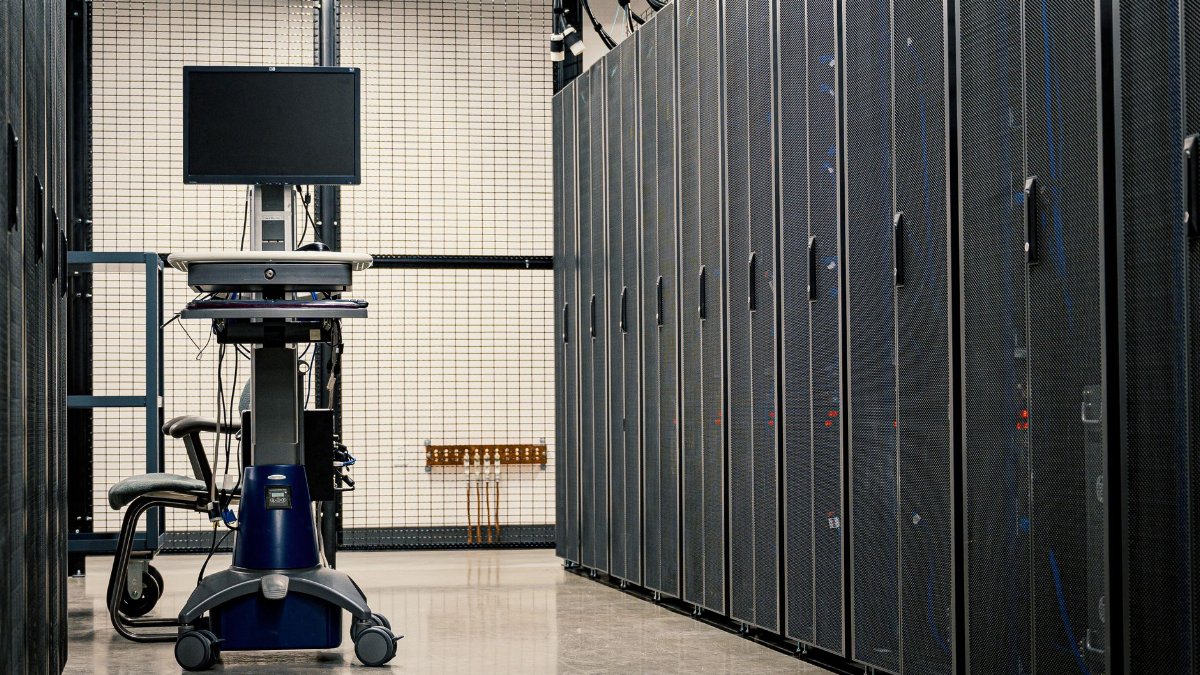
In recent months the rapid expansion of technology infrastructure has placed new pressures on state resources across the southwest. Lawmakers now face difficult choices about how to balance economic growth with reliable electricity supplies and fair tax policies. Texas data centers stand at the center of this debate as their power needs continue to climb and local communities weigh the benefits against rising costs for residents.
Power Grid Faces New Pressures
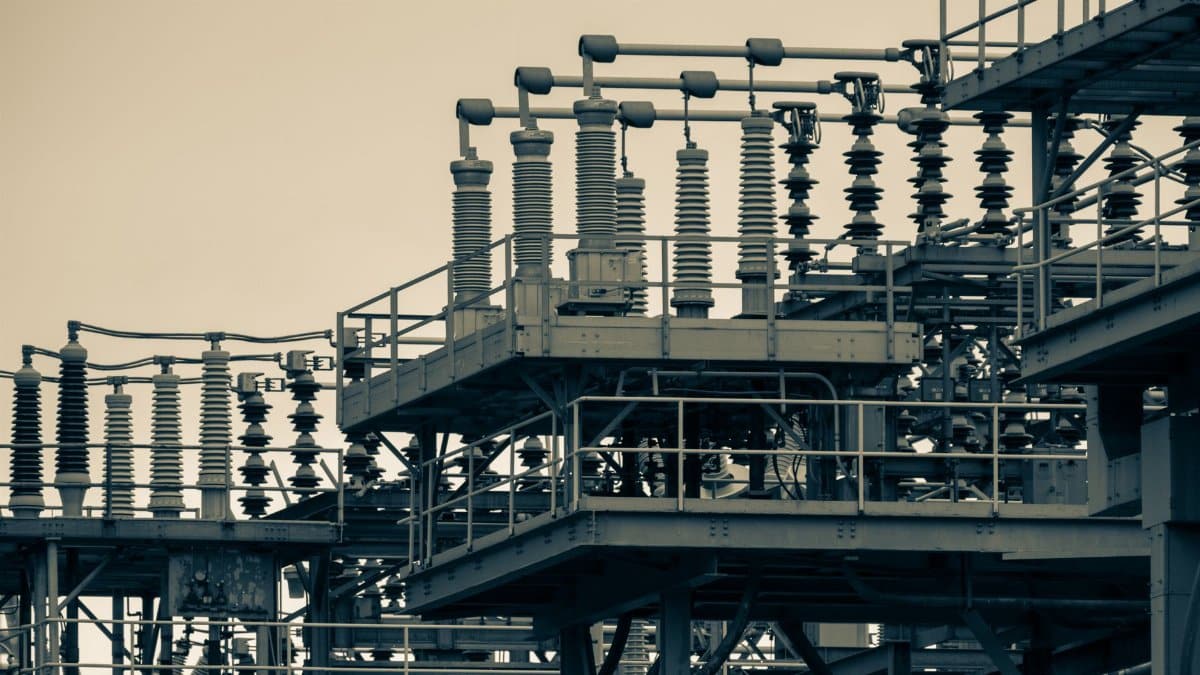
The electric system in Texas already operates near its limits during peak summer months. Adding large facilities that require constant cooling and round the clock operation increases the risk of shortages. Officials must examine whether current generation capacity can keep pace without new investments that ultimately fall on households.
Tax Breaks Require Fresh Review

Current incentives for large computing sites were designed under different market conditions. As more companies announce plans to build here the cumulative cost to the state budget grows larger each year. A special session would allow lawmakers to adjust those rules before commitments become locked in for decades.
Local Communities Bear Hidden Costs

Water use for cooling towers has drawn attention in drought prone regions. Property values near new sites sometimes shift while school districts struggle to plan for sudden population changes. These issues rarely appear in initial economic projections yet they affect daily life for thousands of families.
Energy Policy Needs Clear Direction

State leaders have promoted an all of the above approach to generation but specific targets for new capacity remain vague. Data centers favor locations with firm power contracts which can favor certain fuel sources over others. Without updated guidance the market alone may not deliver balanced outcomes.
Governor Authority Offers Timely Path

Calling lawmakers back to Austin would bypass the usual calendar delays and focus attention on a narrow set of bills. Past special sessions have addressed urgent infrastructure questions when regular meetings proved too far apart. The same tool could apply here if the governor chooses to use it.
Comparisons With Other States

Neighboring states have begun tightening rules around large computing projects to protect ratepayers. Some now require developers to fund transmission upgrades directly rather than spreading costs across all customers. Texas risks losing its competitive edge if it does not adapt similar protections.
Job Creation Claims Need Scrutiny

Proponents often cite thousands of construction positions and hundreds of permanent roles. In practice many permanent positions require specialized skills that local workers may not yet possess. Training programs would need expansion before those benefits reach the broader population.
Long Term Reliability Questions

Grid operators warn that extreme weather events could become more frequent. Facilities that cannot tolerate interruptions may push for dedicated generation which adds another layer of planning complexity. Lawmakers should consider these scenarios before approving further expansions.
Public Input Remains Limited

Most permitting processes occur at the local level where resources for independent analysis are thin. Residents often learn of projects only after site work begins. A broader state level discussion would give citizens a clearer voice in decisions that affect their bills and their landscape.
Revenue Alternatives Deserve Attention

Instead of broad tax exemptions the state could explore usage fees tied to actual power consumption. Such an approach would tie contributions more closely to the demands placed on the system. Revenue could then support maintenance and new lines without raising general taxes.