

Many adults reach midlife only to notice a persistent sense of fatigue after routine gatherings with people they call friends. Conversations that appear effortless on the surface often require careful scripting of responses and suppression of natural reactions. This pattern, known as Masking in Friendships, leaves individuals wondering why companionship feels more like performance than relief.
The Everyday Performance Behind Casual Encounters
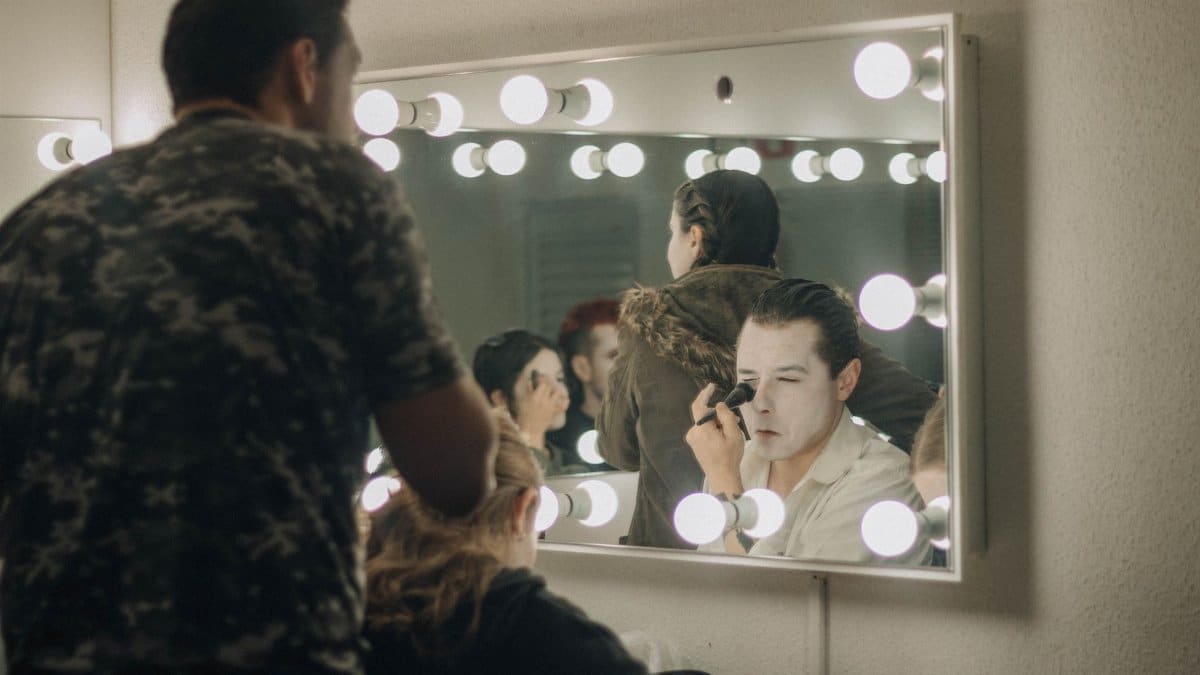
Social settings rarely announce their demands in advance. A lunch with colleagues may require monitoring tone, choosing safe topics, and aligning facial expressions to match the group mood. Over time these adjustments accumulate into a private ledger of effort that rarely appears on any shared balance sheet. Observers see only the polished surface while the person carrying the load measures each minute until departure.
How Early Life Shapes Later Patterns
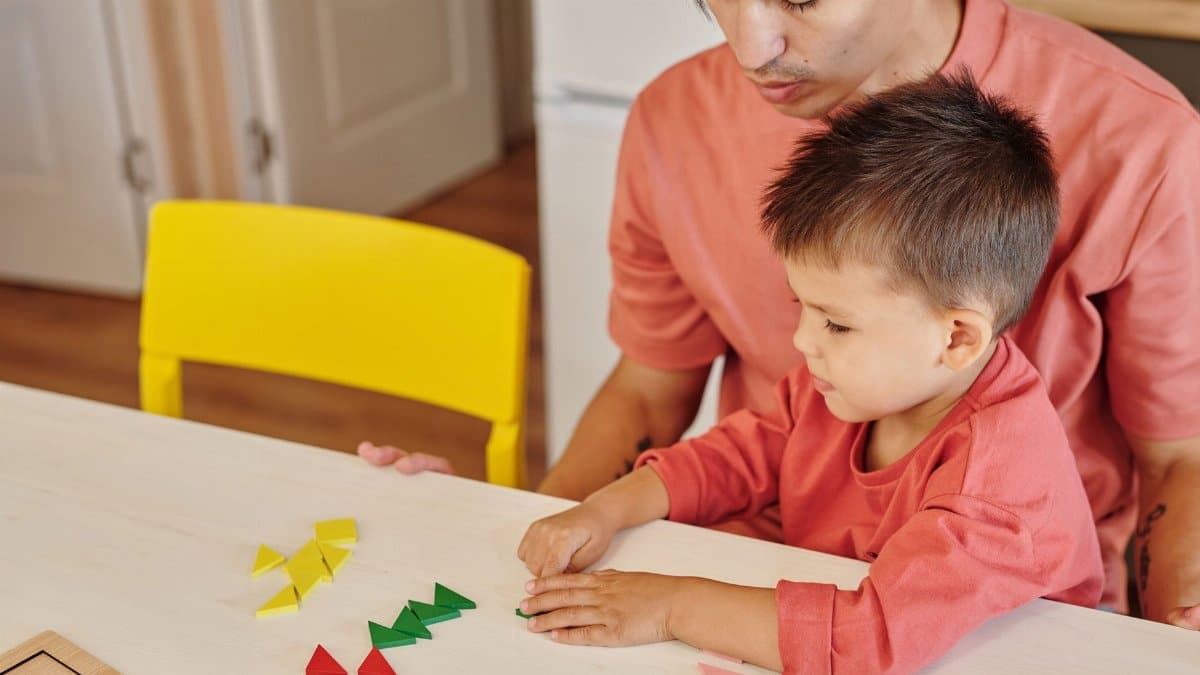
Children absorb unspoken rules about which traits earn approval and which draw exclusion. Those lessons travel into adulthood and influence the way people present themselves in new circles. When acceptance hinges on resemblance rather than difference, the habit of adjustment becomes automatic. Later attempts to relax that vigilance often meet resistance from long established expectations.
Signals That Energy Reserves Are Depleting

Recurring headaches after evenings out, delayed recovery over several days, and a growing reluctance to initiate plans can all point to sustained overexertion. Some describe a hollow sensation that lingers even after rest. These markers tend to surface gradually, making them easy to dismiss until they interfere with work or family responsibilities.
Distinguishing Surface Harmony From Genuine Exchange

Authentic exchanges allow pauses, disagreements, and unfiltered reactions without fear of relational cost. Masked interactions, by contrast, prioritize agreement and pleasantness at the expense of personal truth. Over months or years the difference becomes measurable in the depth of topics that remain untouched and the absence of mutual disclosure.
The Influence of Digital Platforms on Presentation

Online exchanges add another layer of curation through profile photos, delayed replies, and edited comments. While these tools offer control, they also train users to anticipate judgment and adjust accordingly. The skills refined in virtual spaces frequently carry over into face to face meetings, reinforcing the same guarded stance.
Workplace Norms and Their Spillover Effects

Professional environments reward predictability and consensus, conditions that reward masking. Employees who master these expectations may unconsciously apply the same filters to weekend gatherings. The boundary between office conduct and personal life grows thinner, leaving fewer spaces where unedited expression feels permissible.
Pathways Toward Reduced Self Editing

Small experiments can test whether certain relationships tolerate greater openness. Sharing a minor preference or admitting fatigue after an event offers data about safety without immediate risk. Repeated trials gradually clarify which connections can accommodate variation and which continue to demand conformity.
Community Resources That Address This Pattern

Support groups organized around neurodiversity or adult social development provide structured opportunities to practice lower stakes interactions. Facilitators often model direct communication and invite participants to notice bodily signals of strain. Access to such settings remains uneven, yet online directories now list local and virtual options across many regions.
Broader Cultural Shifts Under Discussion

Recent public conversations about mental health have begun to question the assumption that constant adaptability equals maturity. Articles and podcasts explore whether institutions could reward candor rather than seamless agreement. These discussions rarely produce instant change, yet they expand the range of acceptable conduct over time.
Practical Steps for Individuals Seeking Change

Tracking energy levels after different types of social contact reveals patterns invisible in the moment. Declining invitations that historically produce prolonged recovery offers one immediate adjustment. Parallel efforts to locate or create low demand gatherings can supply contrast and perspective. Progress tends to appear in modest increments rather than dramatic reversals.