
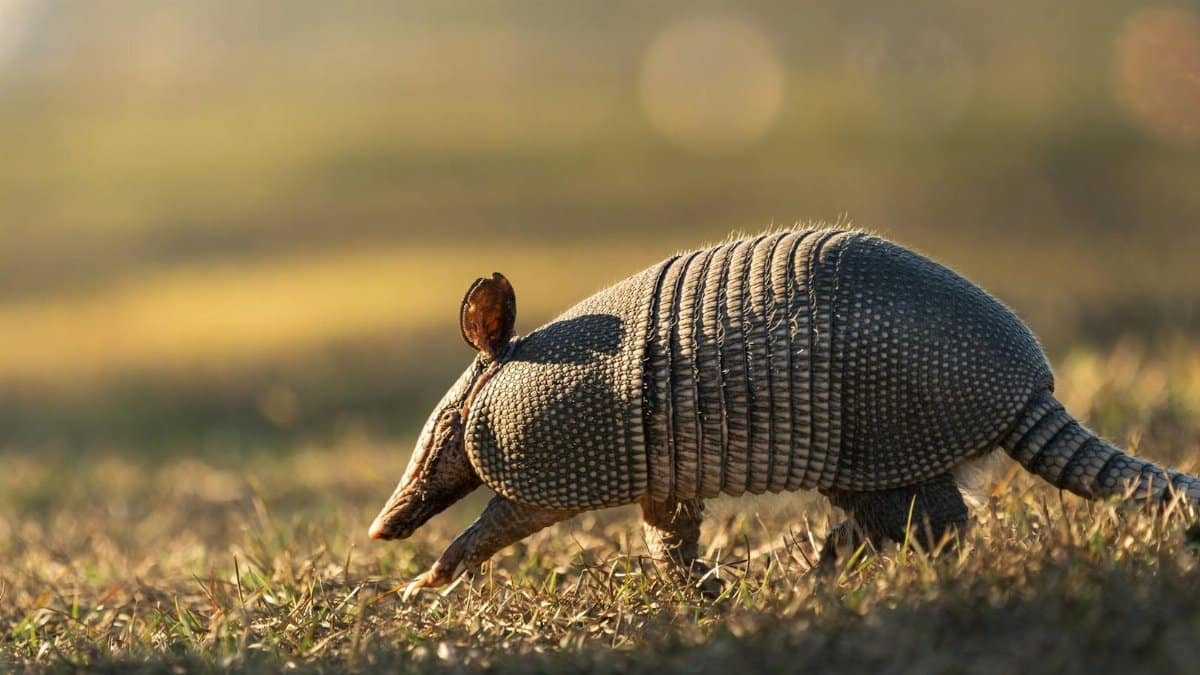
Florida health officials are issuing stark warnings: a rise in leprosy cases is underway, tied directly to contact with infected armadillos. On February 8, 2026, the message was clear—don’t touch the wildlife. This leprosy Florida surge has prompted close monitoring, as residents’ encounters with these armored creatures fuel the outbreak. Experts urge vigilance to curb further spread in the Sunshine State.
The Surge in Leprosy Cases

Florida’s health landscape shifted abruptly with reports of increasing leprosy infections. Officials are tracking this uptick closely, noting a pattern that demands immediate attention. The rise isn’t random; it’s connected to everyday interactions in the wild. Residents who brush up against armadillos face real risk, turning a common sight into a health hazard. This escalation marks a pivotal moment for public safety in the state.
Armadillos Emerge as Key Carriers
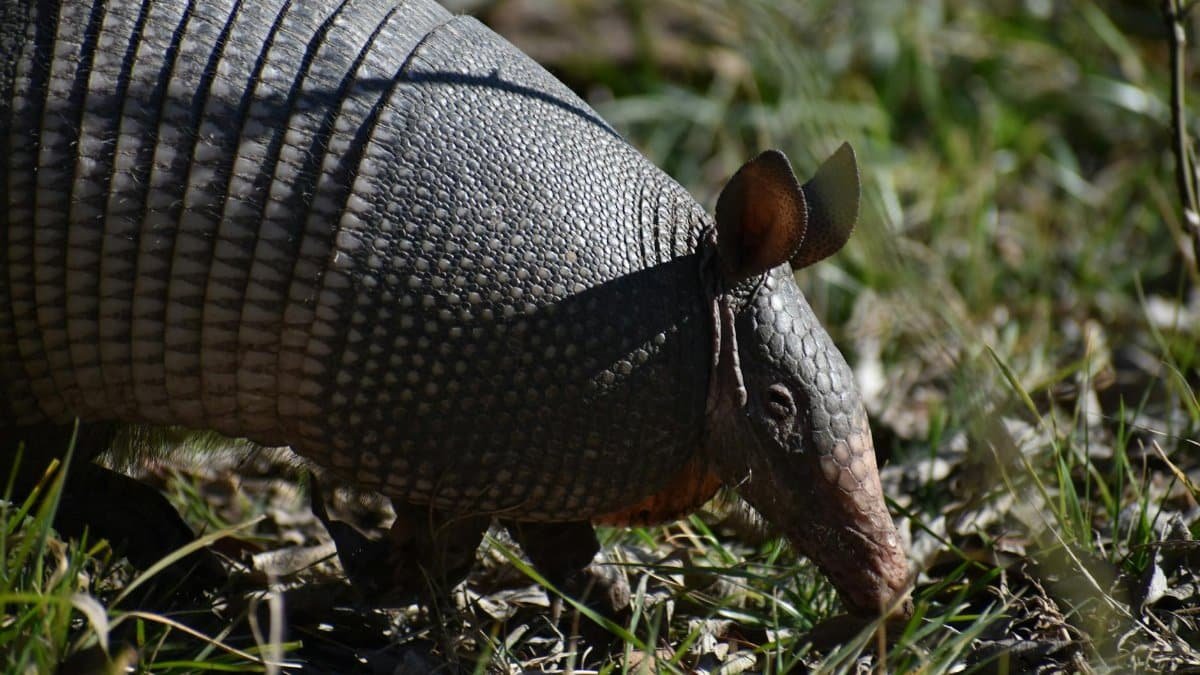
Nine-banded armadillos roam Florida’s landscapes, but now they carry a hidden threat. Health officials link the leprosy outbreak squarely to these animals. Infected armadillos harbor the bacteria responsible for the disease, passing it through direct contact. What was once a quirky roadside feature has become a vector for illness. Officials emphasize that handling or nearing these creatures invites trouble.
For detailed insights on armadillos and leprosy transmission, see the CDC’s page on Hansen’s disease and wildlife.
Health Officials Spring into Action

Florida’s Department of Health leads the charge, monitoring cases with precision. Their efforts focus on mapping the outbreak’s scope and pinpointing hotspots. By February 8, 2026, the tracking was in full swing, with warnings broadcast statewide. This proactive stance aims to contain the spread before it overwhelms communities. Officials stress education as the frontline defense.
Dangers of Casual Wildlife Contact

The simple act of touching an armadillo can spark infection. Florida’s abundant wildlife draws curiosity, but officials warn against it. Skin-to-skin contact or handling contaminated soil poses the greatest risks. This leprosy Florida link underscores a broader caution: admire from afar. The outbreak reveals how proximity to nature carries unseen perils in 2026.
Understanding Leprosy Basics

Leprosy, also known as Hansen’s disease, spreads slowly but surely through prolonged exposure. In Florida, armadillo encounters accelerate the process. Symptoms may take years to appear, complicating early detection. Health officials highlight this delay as a challenge in tracking. Awareness now is crucial to break the chain.
Official surveillance data is available via the Florida Department of Health leprosy page.
Residents Urged to Steer Clear

“Don’t touch the wildlife” sums up the directive. Florida officials repeat this mantra amid the rise. Hunters, hikers, and backyard explorers must rethink habits. Avoiding armadillos means steering clear of brush piles, burrows, and nocturnal wanderers. Simple changes in behavior could halt the momentum of this leprosy Florida outbreak.
Tracking the Outbreak’s Footprint
Officials deploy surveillance tools to chart leprosy’s path. Case reports feed into real-time analysis, revealing clusters tied to armadillo habitats. Central and southern Florida see heightened activity, prompting targeted alerts. This data-driven approach ensures resources hit where needed most. By 2026, such monitoring sets a model for wildlife-related threats.
Prevention at the Forefront

Handwashing after outdoor activities tops the list. Officials push gloves for gardeners and awareness for pet owners. Vaccinations aren’t routine, so avoidance reigns. Community campaigns amplify the message, reaching rural and urban alike. These steps aim to flatten the curve on leprosy cases statewide.
Broader Implications for Florida
This armadillo-driven rise reshapes how Floridians view their environment. Health officials anticipate sustained tracking into 2026 and beyond. The outbreak spotlights wildlife’s role in human health, urging policy tweaks. Residents adapt, fostering a culture of caution amid natural beauty.
Call to Action for All

Florida stands at a crossroads with leprosy on the move. Officials’ warnings from February 8, 2026, echo loudly: prioritize safety over curiosity. By heeding advice and avoiding armadillos, the state can reclaim control. Vigilance turns potential crisis into manageable alert, safeguarding communities for the long haul.