
Houston homeowners opening their fall tax notices are reading two stories from governments that share the same streets. Harris County leaders adopted a record property tax rate. At City Hall, Mayor John Whitmire has drawn a brighter line for the municipal levy. The Whitmire property tax pledge is simple on its face: the city rate will not rise. He has pointed instead to a five dollar trash fee and to a voter imposed cap that already limits how far the city can go. For a city that has spent years arguing over services, pensions, and drainage, a frozen rate is both a political promise and a budget constraint.
What the mayor actually promised
The pledge is about the rate, not about every dollar that appears on a tax bill. A rate is the levy applied to each hundred dollars of taxable value. If appraisals climb, a homeowner can pay more even when the rate stays put. Whitmire has been careful, in public remarks and in the budget conversation around him, to separate those two facts. He is not promising that every household bill will shrink. He is promising that City Hall will not be the government that turns the dial upward.
That distinction matters in a year when Harris County moved in the other direction. County leaders adopted a record rate after their own budget fight. City and county lines blur for residents who write one check and live with one set of streets, schools, and emergency calls. The Whitmire property tax pledge is meant to mark a difference: Houston will hold its rate, and it will look elsewhere for money that solid waste and other services require.
Supporters hear restraint. Critics hear a slogan that leaves the harder arithmetic for later. Both readings can be true at once. A mayor can keep a rate promise and still face a structural gap between what residents expect and what a capped levy can fund.
A five dollar fee in place of a rate hike

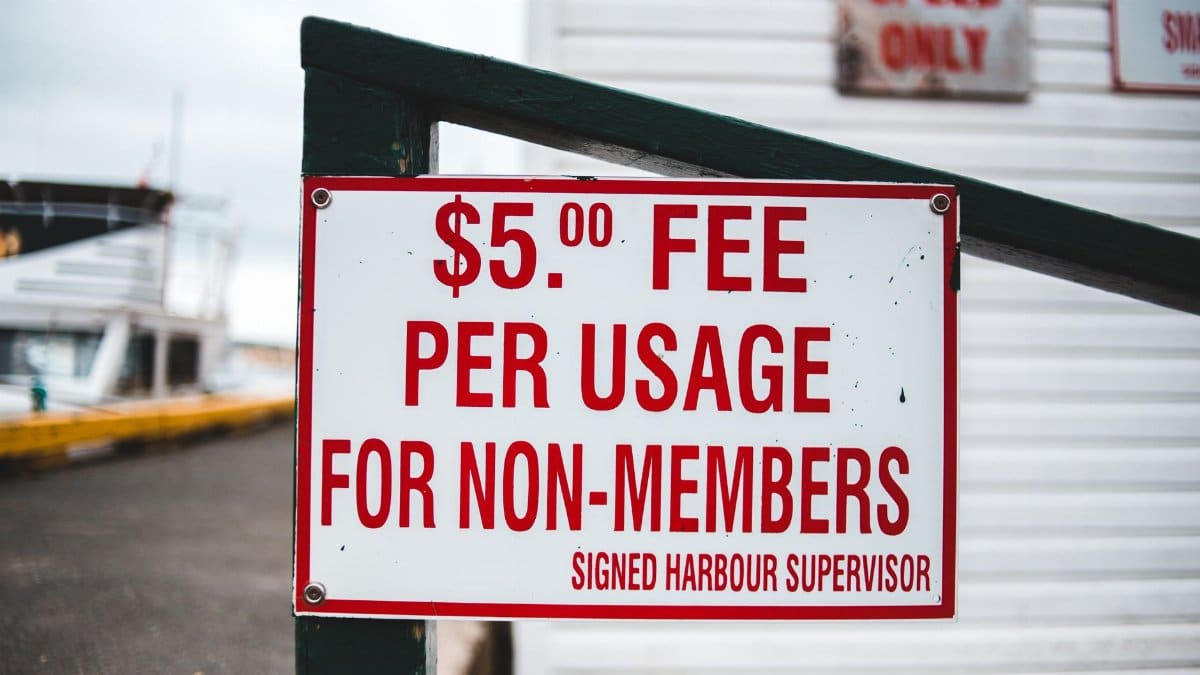
The alternative Whitmire has highlighted is a five dollar trash fee. Solid waste is one of the most visible city services. Trucks roll down every block. Missed pickups become neighborhood politics within a day. For years Houston has funded much of that work through the general fund rather than through a dedicated household charge of the kind common in other large cities.
A flat fee is politically different from a rate increase. It does not move the property tax rate that campaigns are built around. It also does not scale with home value. A small house and a large house can pay the same five dollars. For some households that feels fair, a user charge for a service everyone receives. For others it feels regressive, a flat hit that ignores ability to pay and sits on top of rising insurance, groceries, and rent.
Five dollars a month is sixty dollars a year. On a single bill it can look modest. Multiplied across hundreds of thousands of accounts, it becomes real revenue for trucks, landfills, overtime, and the slow replacement of an aging fleet. Whether that sum closes the gap, or merely slows it, is the question the council and the finance staff will have to answer in public numbers, not in slogans.
The voter cap that already binds City Hall

Houston does not set its property tax rate in a vacuum. Voters approved a revenue cap that limits how much property tax the city may collect as values rise. The mechanism has been debated, amended in practice by disasters and by state law, and invoked by every recent mayor as both shield and excuse. Whitmire has treated that cap as part of his case. Even if he wanted a higher rate, the voter rule and the politics around it would push back.
Caps are popular because they speak to a fear that appraisals and rates will rise together. They are frustrating to budget writers because they do not fall when costs do. Police and fire contracts, health benefits, concrete, and interest on debt do not pause because a charter provision says revenue may grow only so fast. The result is a city that can truthfully say the rate is restrained and still struggle to hire, pave, and pick up trash on the schedule residents remember from a cheaper decade.
A pledge that leans on the cap is therefore only partly a personal commitment. It is also an admission that the electorate already wrote a ceiling. The mayor is choosing not to test that ceiling. That choice has consequences for what can be promised in the next budget cycle.
Harris County and a record rate
The county decision is the backdrop that makes the city pledge legible. Harris County adopted a record property tax rate after its own leaders concluded that public safety, courts, and flood control could not be sustained on the prior levy. County government is not City Hall. The two bodies tax overlapping property, answer to different voters in part, and fund different core duties. Residents experience them as one bill.
When the county rate sets a record, city officials gain a contrast they can campaign on and a problem they cannot solve. Whitmire cannot cut the county rate. He can only refuse to add a city increase on top of it. That refusal is meaningful. It is also incomplete. A homeowner in a rising appraisal neighborhood may still see a larger total bill and may not pause to separate the jurisdictions before assigning blame.
Journalists and neighborhood groups would do well to publish the split clearly: county rate, city rate, school rate, and the taxable value underneath. Without that split, pledges and record rates blur into a single grievance.
Why the total bill still feels heavier
Property tax anger in Houston is rarely about a single decimal. It is about the stack. Insurance costs have jumped after storms. Rents have reset. Appraisal districts send notices that feel opaque even when they follow the statute. A mayor who holds the city rate steady is telling the truth about one line. He is not erasing the stack.
There is also the homestead and exemption maze. Senior exemptions, disability exemptions, and the homestead cap on appraisal growth protect some owners and not others. Renters never see the rate directly, yet they hear it in renewal letters when landlords pass costs through. A pledge aimed at owner occupied politics can leave tenants feeling unseen.
None of this makes the pledge empty. It makes it partial. Partial promises are the ordinary material of local government. The test is whether officials say so out loud.
The politics of holding the line
Whitmire won the mayor’s office as a veteran legislator with a reputation for deals and for a law and order tone that crossed some partisan lines. A no increase property tax stance fits that brand. It reassures older homeowners who vote in city elections at high rates. It also boxes in allies who want more spending on housing, libraries, parks, and transit without a new revenue story.
The Whitmire property tax pledge will be judged less by the press conference than by the first budget that hurts. If overtime is cut, if a recreation center shortens hours, if a drainage project slips, opponents will say the frozen rate was theater. If services hold and the fee is modest, the pledge becomes an asset he can carry into the next campaign. Houston mayors learn quickly that tax politics is a delayed verdict.
Council members have their own maps. Districts with new rooftops and districts with stagnant values do not feel a flat trash fee or a frozen rate in the same way. Expect amendments, pilot programs, and arguments about who is exempt. That is not dysfunction. It is how a large council translates a mayor’s sentence into an ordinance.
What a frozen rate does and does not do
A frozen rate does not freeze the budget. Revenue still moves with the tax roll, within the cap. It does not freeze debt service. Bonds already approved by voters must be paid. It does not freeze state mandates or pension contributions that arrive as formulas rather than as choices.
What it does is remove one lever. Finance directors then reach for fees, for one time balances, for hiring freezes, and for project delays. Some of those tools are sound. One time money for ongoing costs is not. Residents have seen that movie in Houston and in other cities: a balanced year followed by a gap that reappears because the underlying growth of costs outran the underlying growth of recurring revenue.
The honest companion to the Whitmire property tax pledge is a public table. Show the rate. Show projected revenue under the cap. Show the trash fee yield. Show the gap that remains. Cities that publish that table earn more trust than cities that publish only the promise.
The trash fee debate in plain language
Opponents of the fee will say Houston already taxes property to pick up trash, so a new charge is double payment. Supporters will say the general fund has been quietly subsidizing a service that other cities bill directly, and that a dedicated fee makes the cost visible. Both claims can be checked against the budget book. If solid waste spending already appears in the general fund, a fee should be paired with a clear statement of what that frees up, or what shortfall it fills. Otherwise residents are right to suspect a shuffle.
Design details will decide fairness. Is the fee per household or per cart. Are apartments treated like single family homes. Are low income exemptions real and easy to claim, or buried in a form no one finds. A five dollar figure is easy to remember. Administration is where five dollar ideas become trusted or resented.
Public works officials should also say what the fee will not buy. If it maintains current routes but does not fund a cleaner illegal dumping program, say that. Overpromising is how small fees become large political liabilities.
Ratings, debt, and the long view

Credit analysts watch whether a city matches recurring costs with recurring money. A rate freeze paired with a modest fee can look prudent if reserves stay healthy and if pension and debt plans remain credible. It can look risky if leaders celebrate the freeze while quietly spending down balances. Houston’s size gives it market access that smaller cities lack. Size is not a substitute for a plan.
The long view also includes flood control, housing, and a tax base that depends on a city people still choose. Starving basic services to protect a rate can shrink the base that makes the rate tolerable. Investing without a revenue path can spook the same households the pledge is meant to reassure. The narrow path is maintenance: keep the rate promise, price the trash service honestly, and refuse to pretend that charisma closes a spreadsheet.
What residents should watch next

The next council agenda is more informative than the next speech. Watch the proposed ordinance for the trash fee, the fiscal note attached to it, and any exemption language. Watch the city tax rate resolution when it is posted, and compare the wording to the Whitmire property tax pledge. A resolution that adopts last year’s rate is the promise kept. A resolution that adopts a higher rate is the promise broken, whatever the press release says.
Watch Harris County’s rate implementation as well, because the combined bill is what families feel. The Harris County Tax Assessor Collector and the City of Houston finance pages publish the figures that matter more than campaign mail. The Houston Chronicle report that framed this debate, available at the paper’s politics desk coverage of the city rate, is a useful starting point for readers who want the sequence of votes rather than the slogans.
Ask three questions at any town hall. Will the city rate be the same or lower than last year. What recurring dollars does five dollars per account actually produce. What service, if any, is reduced if both the rate and the fee fall short. Officials who answer those questions in numbers are treating residents as adults.
A promise measured in decimals

Local government is often described in grand language and settled in decimals. The Whitmire property tax pledge will live or die in a rate resolution, a fee ordinance, and a cap calculation that most voters will never read in full. That is not a reason for cynicism. It is a reason for attention. Houston can hold a city rate steady, charge a small and visible trash fee, and still tell the truth about a county rate that set a record. The residents who pay all of it deserve each of those sentences kept separate, and each of them kept.