

The vast expanse of the Atlantic holds secrets that scientists are only now beginning to unravel with precision. A recent study highlights how human activities are reshaping temperature distributions across this critical body of water, affecting everything from weather systems to marine life. This phenomenon known as Atlantic Ocean Temperature Climate reveals patterns that diverge from historical norms, suggesting an urgent need to reconsider our environmental footprint. Observations show warming in some regions and unexpected cooling in others, driven by factors like greenhouse gas emissions and aerosol pollution. Researchers emphasize that these changes carry implications far beyond the ocean itself, touching economies and communities along coastlines worldwide.
Tracing Temperature Variations Over Decades

Scientists have tracked Atlantic Ocean Temperature Climate data spanning more than fifty years, uncovering steady rises in surface warmth across much of the northern sections. Southern areas meanwhile display cooling trends tied to shifting wind patterns and freshwater inflows from melting ice. These dual movements create a complex mosaic that defies simple explanations rooted in natural variability alone.
Human Influence On Ocean Heat Distribution

Evidence points squarely to industrial emissions as a primary driver behind altered Atlantic Ocean Temperature Climate dynamics. Aerosols from pollution have cooled parts of the ocean by reflecting sunlight, while carbon dioxide traps heat elsewhere. This interplay produces the observed north south divide in temperature responses.
Impacts On Marine Ecosystems And Fisheries
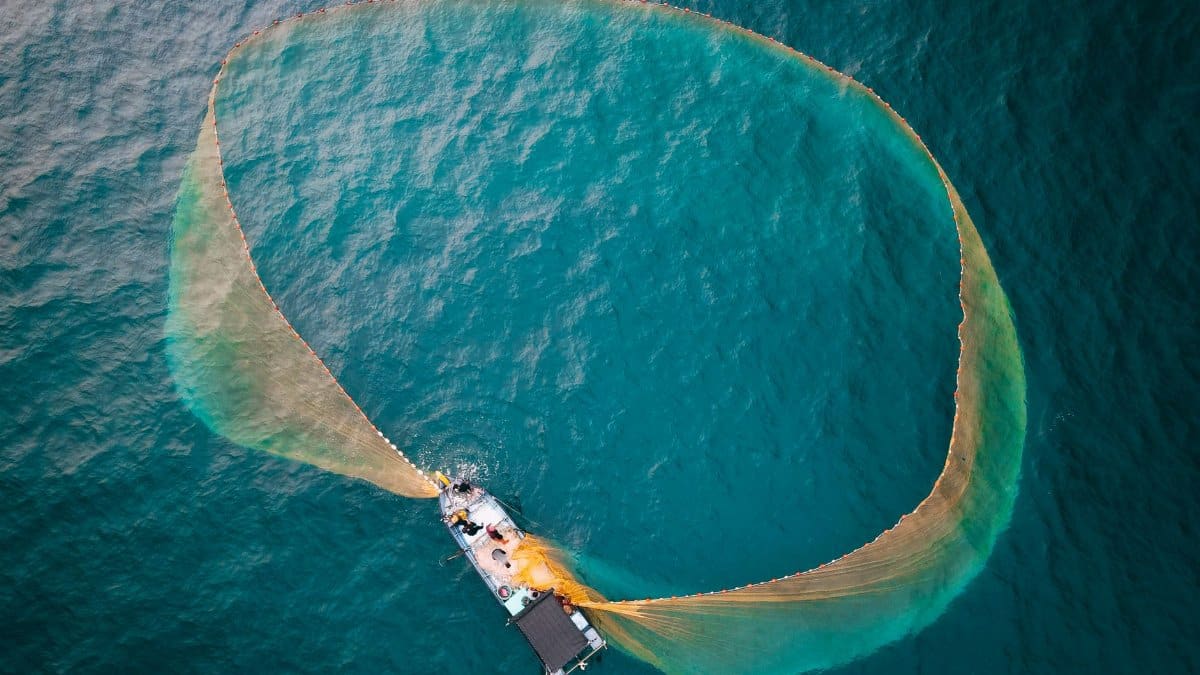
Fish populations migrate in response to changing Atlantic Ocean Temperature Climate conditions, forcing adjustments in commercial harvesting practices. Species once abundant near traditional grounds now appear in new locations, altering food webs and challenging conservation efforts that rely on stable environmental baselines.
Connections To Extreme Weather Events

Warmer waters fuel more intense hurricanes that form over the Atlantic, while cooler zones influence rainfall patterns on adjacent landmasses. Communities from the Caribbean to Europe feel these effects through stronger storms or prolonged droughts linked to the evolving Atlantic Ocean Temperature Climate.
Policy Responses From Coastal Nations

Governments around the basin are exploring emission reductions and marine protected areas to stabilize Atlantic Ocean Temperature Climate trends. International agreements gain urgency as data accumulates, with some nations investing in renewable energy to lessen their contributions to ocean warming.
Future Projections Based On Current Models

Climate simulations forecast continued divergence in Atlantic Ocean Temperature Climate unless greenhouse gases decline sharply. By midcentury, northern waters could warm several degrees more while southern cooling persists, reshaping navigation routes and energy exploration in polar adjacent zones.
Role Of International Research Collaboration

Teams from multiple countries share satellite readings and buoy measurements to refine understanding of Atlantic Ocean Temperature Climate mechanics. This cooperation yields clearer pictures of how distant pollution sources affect shared ocean resources and global climate stability alike.