

On a Saturday afternoon in Oakland, a customer asked a budtender for something clean enough to use every night. The jar on the counter carried a state seal, a batch number, and a promise that the flower had passed required tests. What the label did not say was which chemicals the state never asked the lab to look for. That gap is now the center of a fight over California weed pesticides, and over whether a legal market can still hide residues that independent chemists say belong nowhere near a product people inhale.
What shoppers think the seal means

For many buyers, legality has become a shorthand for safety. They pay more at a licensed shop because they believe someone, somewhere, has already checked the flower for mold, heavy metals, and farm chemicals. That belief is only partly true. California requires testing, and it publishes a list of pesticides that labs must screen for before a batch can be sold. The seal means the product cleared the tests the state wrote down. It does not mean every pesticide that might be on a farm was measured, or that the limits match the way people actually use cannabis.
The difference matters because cannabis is not eaten the way an apple is eaten. Smoke and vapor carry residues into the lungs. A standard built for produce on a dinner plate can miss the exposure that comes from a joint or a vape. Regulators have said for years that the program is a floor, not a full portrait of what might be in a jar. Shoppers rarely hear that distinction at the counter.
What independent labs keep finding
A Los Angeles Times investigation published this month put numbers and names on a problem that insiders have described in quieter rooms. Reporters worked with independent laboratories and found pesticide residues in legal products, including chemicals that sit outside the official watch list or appear at levels far above what health agencies treat as acceptable for other crops. The story, available at latimes.com, describes a market in which passing a state test and being free of concerning chemicals are not the same thing.
The findings do not prove that every jar on every shelf is contaminated. They do show that a shopper who trusts the seal alone can still bring home flower or oil that an outside lab would flag. That is the uncomfortable core of the California weed pesticides debate. The legal market was built to push dangerous product into the open. Parts of the danger appear to have moved into the blind spots of the rules.
Why the official list falls behind the field

Pesticide chemistry does not stand still. Growers, legal and illegal, face mites, caterpillars, mildew, and the pressure to deliver a pretty flower on a schedule. When one chemical becomes restricted or famous enough to test for, another can take its place. State lists are updated through rulemaking, which is slow by design. A lab can only fail a batch for a compound it is required to measure. If the compound is absent from the panel, the certificate of analysis can look clean while the plant is not.
Scientists who test cannabis for private clients describe a familiar pattern. They add compounds to their own screens because clients ask, or because they have seen the same residue in sample after sample. Those extra tests are not the tests that decide whether a product may be sold. A batch can be legal and still carry a chemical that a more curious lab would report in bold on a longer page.
How residues get onto legal flower
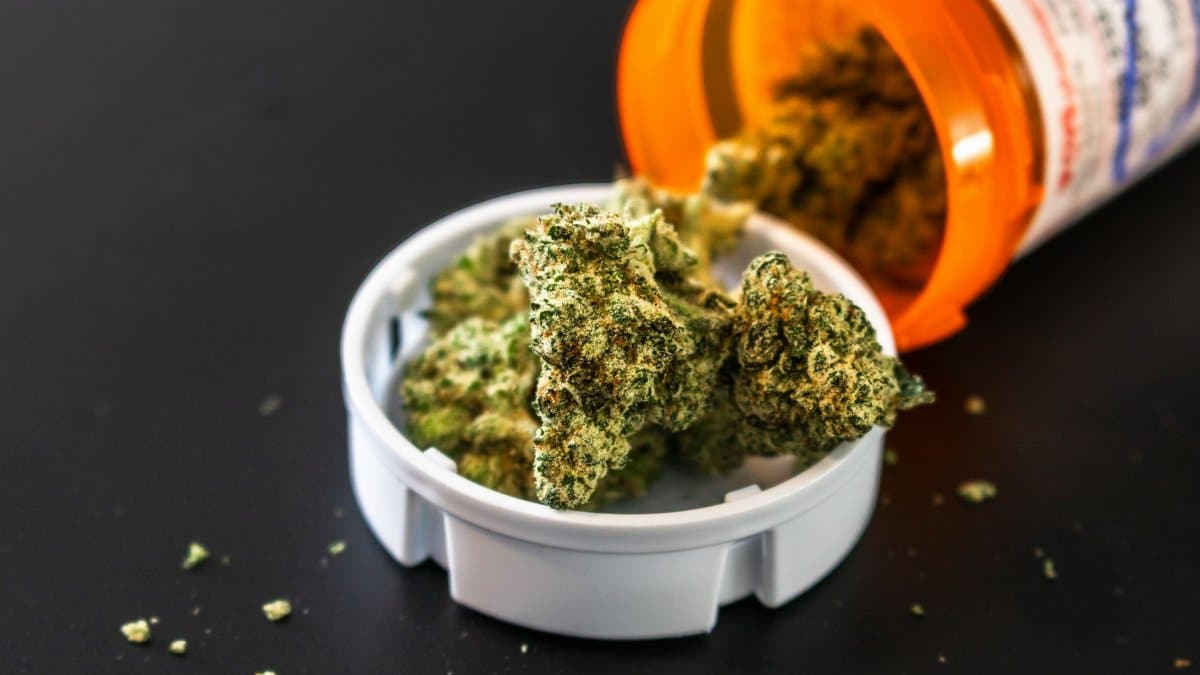
Contamination is not always a story of a licensed grower spraying a banned bottle in the dark. Residues can arrive through several doors. A farm may use a product that is legal on other crops and assume, wrongly, that the same use is acceptable on cannabis. A neighboring field may drift. Soil and water may hold chemicals from earlier seasons. Trim, oil, and edibles can concentrate what was a small trace on the plant. In a supply chain with many hands, a single contaminated lot of biomass can travel into several brands before anyone notices.
Enforcement records from the Department of Cannabis Control, posted on the agency site at cannabis.ca.gov, show that the state does catch violations, issue recalls, and pull licenses. Those actions prove the system can work when a tested chemical exceeds a limit or when an inspector finds a forbidden product on site. They do not prove the system sees what it has not yet decided to measure.
The health questions scientists will not rush
It is tempting to turn every detection into a diagnosis. That would be a mistake. Dose, frequency, the chemical itself, and whether it is burned or eaten all change the risk. Some pesticides are tightly restricted because they harm the nervous system, disrupt hormones, or raise cancer concerns in animal studies. Others are common on food and considered low risk at the levels people typically swallow. Inhaling them is a different exposure, and the research on smoked cannabis residues is thinner than the research on produce.
Public health agencies have been plain about the limit of current knowledge. The California Department of Public Health discusses cannabis and contaminants in consumer materials linked from cdph.ca.gov, and federal researchers have long noted that cannabis remains difficult to study at scale. What independent labs are flagging should push tougher testing and clearer warnings. It should not be spun into a claim that every legal purchase is poison. Honesty sits between those poles. People deserve to know the gap. They also deserve not to be frightened with numbers no one has explained.
Growers on a narrow path
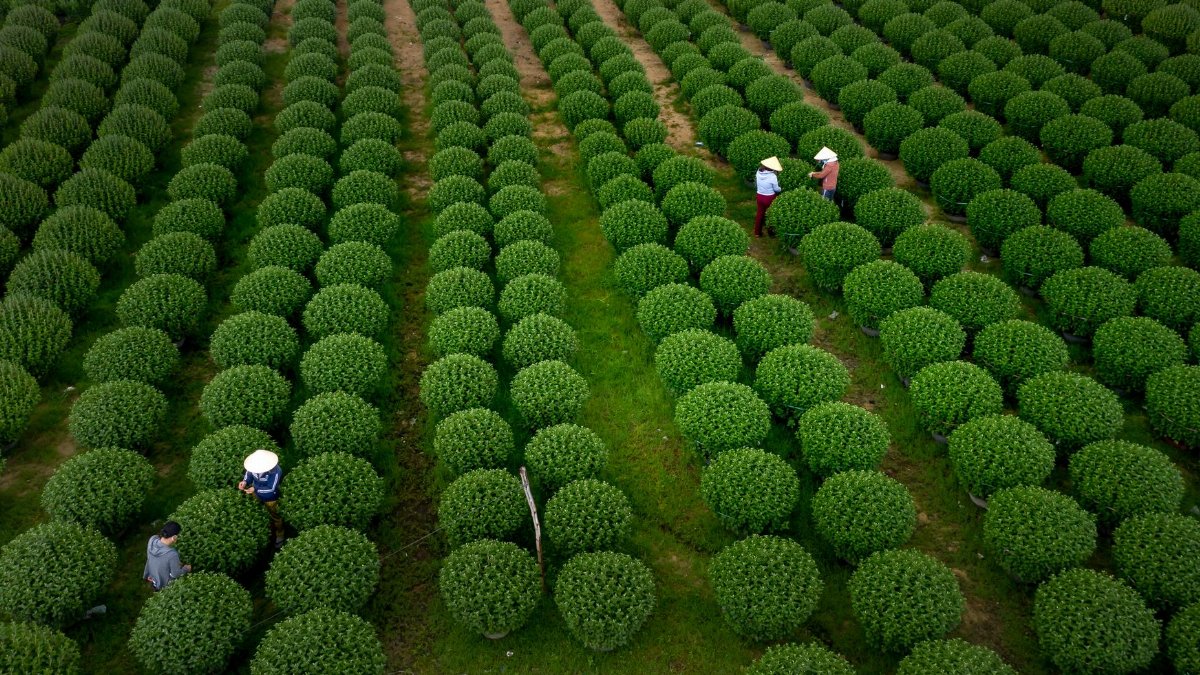
Licensed cultivators describe a business that is already expensive. They pay for licenses, security, track and trace, and a testing regime that can wipe out a harvest if a sample fails. Pests do not care about that balance sheet. In a coastal greenhouse or an inland hoop house, a mite outbreak can ruin a crop in days. Some farmers invest in biological controls, beneficial insects, and careful climate management. Others, according to enforcement cases and to growers who speak off the record, reach for whatever works and hope the panel will not catch it.
The illegal market next door makes the choice harder. Unlicensed operations do not pay the same taxes or submit to the same tests, and they can undercut the price of a careful farm. When a legal grower loses a batch to a fail, the financial hit is personal. That pressure is not an excuse for spraying a dangerous chemical on a product people will inhale. It is a reason the rules have to be both stricter and more realistic, or the careful farms will keep losing ground to the ones that hide.
Labels, batch numbers, and what they hide
A modern California cannabis label is dense with information. It lists the cultivator, the manufacturer, the batch, the cannabinoid content, and sometimes a QR code that opens a certificate of analysis. Read closely, that certificate is a list of tests performed and results for those tests. It is not a confession of every chemical that might be present. If a pesticide was not on the panel, it will not appear as a pass or a fail. Absence from the page is not proof of absence from the flower.
This is where the California weed pesticides story becomes a reading problem as much as a chemistry problem. Most customers are not trained to parse a lab report. They see a long table, a column of not detected, and they relax. Journalists and outside labs are now doing the work the label implies but does not finish. Searching a batch in a news database can reveal a second opinion. It cannot, by itself, fix the rule that let the first opinion stop short.
Recalls that arrive after the jar is home

When the state does find a problem on the official list, recalls follow. Products are quarantined. Shops are told to pull jars. Consumers are asked to check batch numbers and stop using what they bought. Those recalls are necessary, and they are also late. A person who finished the jar last month does not get the residue back. A brand that already sold through a bad lot may face fines and headlines, then return with a new name on a similar product.
The pattern resembles food safety more than it resembles a controlled pharmaceutical supply. Speed of detection decides how many people are exposed. If the detection method ignores the chemicals actually in use, speed does not help. Expanding the panel, requiring quicker uploads of results, and publishing plain language summaries would not make the plant risk free. They would shorten the time between a bad batch and a public warning.
What a database can and cannot tell you

News organizations have started to treat lab results the way they treat campaign finance or nursing home inspections. Collect the records. Make them searchable. Let a reader type a brand or a batch and see what an outside test found. That service is useful, and it is incomplete. A database is only as current as the samples someone paid to run. A clean result on one lot says little about the next harvest. A hit on one vape cartridge does not condemn an entire company, though it should make a buyer ask harder questions.
Used well, the tool shifts power a little. A shopper can walk into a store with more than trust. A journalist can compare what the state required with what a private lab chose to measure. A regulator can no longer say the public has no way to see the gap. Used poorly, the same tool becomes a scare sheet, a list of chemical names without context, shared faster than any correction. The adult version of this reporting explains both the finding and the limit of the finding.
The case for a longer panel

Chemists who work in cannabis labs argue for a simple change. Update the required screen on a regular calendar, not only after a scandal. Borrow from residue programs used for food, then adjust the limits for inhalation rather than copying them without thought. Publish the reasoning, so a grower knows what will be illegal next season and can change practice before the harvest. Randomize some tests so a farm cannot spray to the known list and stop there.
None of that is radical. It is how other regulated industries catch up when the product and the chemistry move faster than the statute. The cost will land somewhere, on farmers, on labs, and on the retail price. Pretending the current panel is enough has a cost too. It is paid by the customer who believed the seal, and by the licensed businesses that compete with anyone willing to use a chemical the state has not yet named.
What regulators say they are weighing

State officials have defended the existing program as one of the stricter cannabis regimes in the country, and they are not entirely wrong. Many states test less, or barely test at all. California built track and trace, mandatory labs, and a recall system from a gray market that had none of those things. Officials also face a legal and scientific task when they add a pesticide to the list. They need a method labs can run, a limit they can defend, and a way to enforce it without pretending every detection is the same emergency.
That process should not become an excuse for drift. When independent testing keeps surfacing the same classes of chemicals in legal goods, the burden shifts. The state can explain why a compound stays off the list, with evidence, or it can add it. Silence reads as a choice to let the certificate look cleaner than the product. Public confidence, already thin after years of tax complaints and illicit competition, does not survive many rounds of that silence.
How to shop without fooling yourself

There is no perfect consumer hack, and anyone selling one is selling comfort. A few habits still reduce the chance of surprise. Buy from a licensed shop. Keep the label and the batch number. Open the certificate and see which pesticides were actually on the panel, not only whether the batch passed. If a news database has tested that product, read the result and the method, and notice the date. Ask the budtender what the farm says it uses for pests, and treat a vague answer as a reason to choose another jar, not as proof of guilt.
People who use cannabis for sleep, pain, or appetite deserve the same plain dealing as people who buy lettuce or cold medicine. The plant is not exempt from chemistry because it is popular, or because the purchase is legal. California weed pesticides are a regulatory problem first. They become a personal problem at the moment a sealed jar goes home and the testing panel stops short of the chemicals in the field.
The standard the market still owes the public

Legalization asked Californians to trade the old risks of the street for a system of licenses, labels, and labs. That bargain holds only if the labs are aimed at the risks that exist now, not only the risks that were written into the first rules. Independent testing has made the mismatch visible. Regulators can widen the watch list, fund enforcement that reaches the chemicals growers actually use, and tell the public, in ordinary language, what a pass does and does not mean.
Until that happens, the honest line at the counter is shorter than the marketing. The jar may be legal. The test may be real. The flower may still carry a pesticide the state did not require anyone to find. Shoppers should not have to become chemists to know the difference. The state built the market. It still owes them a test that looks where the danger has moved.