
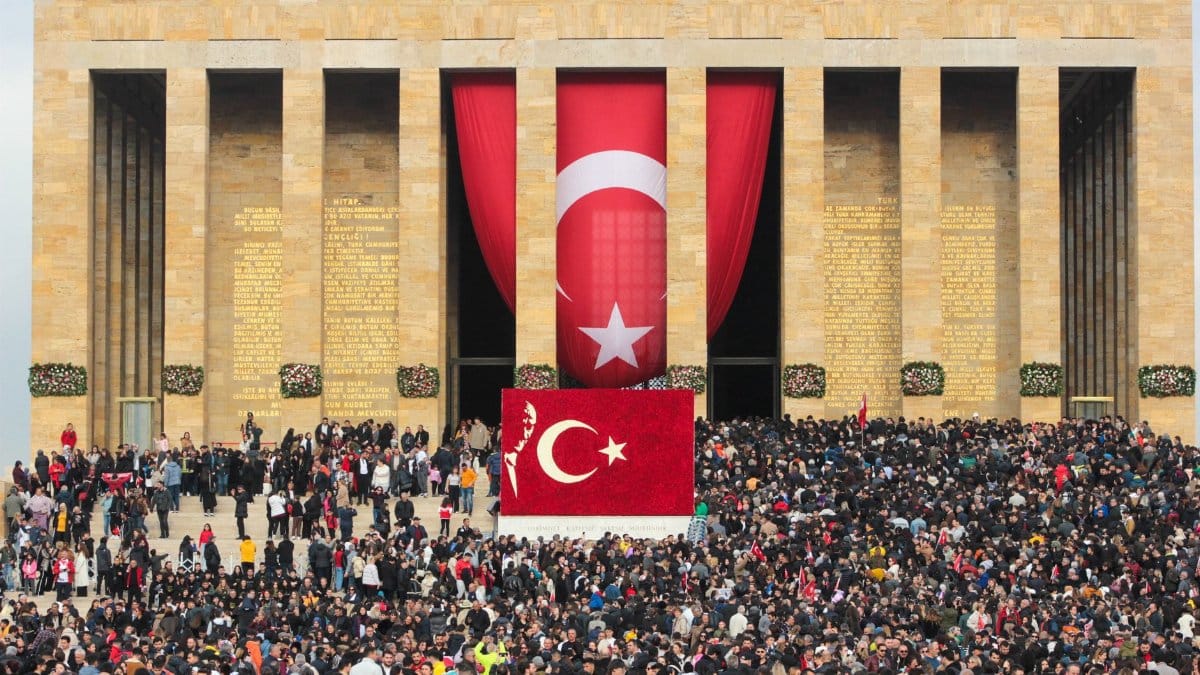
In the hills above Antalya, hotel ballrooms have been cleared for translators, security cordons, and the quiet choreography of a diplomatic week that few expect to feel triumphant. Delegates arrived with sunburned staffers, flood maps on their phones, and talking points rewritten after another season of fires, crop losses, and insurance withdrawals. The UN climate summit opens against that backdrop, less a celebration of process than a test of whether governments can still bargain in public when voters are angry about bills and frightened by the sky.
A gathering shaped by weather people already lived through
The year leading into this meeting did not need a slogan. Rivers jumped their banks in places that had spent a decade arguing about drainage. Harvests failed where rain came all at once and then not at all. Coastal towns watched familiar streets turn briefly into harbors. Heat settled over cities in stretches long enough to empty playgrounds at noon and fill emergency rooms by evening.
Those scenes travel into the conference center as memory, not as abstraction. Ministers do not have to persuade one another that the climate is changing. They have to decide what they are willing to spend, regulate, and explain at home. That is a harder conversation, and it is the one Antalya was built to host.
Why Turkey wanted the room
Turkey sits between energy routes, grain markets, and a tourism economy that depends on a predictable Mediterranean season. Hosting the summit lets Ankara present itself as a bridge: close enough to European climate rules to understand them, close enough to emerging economies to share their impatience with lectures. Officials here talk about pipelines and solar parks in the same breath, and about the political cost of asking households to absorb higher prices while the state still leans on fuels that are easy to store and easy to tax.
Geography is not neutrality. A host can set the tempo of the week, elevate certain ministers, and decide which side events feel central. Antalya’s waterfront hotels and its distance from the political noise of larger capitals give the meeting a slightly staged calm. The arguments inside are anything but calm.
The temperature promise that diplomats no longer pretend to keep
For years, the 1.5 degree Celsius figure from the Paris Agreement functioned as both scientific warning and political north star. In the corridors this week, senior officials speak of it in the past tense of aspiration. Current national plans, even if fully delivered, do not bend emissions fast enough. The line is still printed on banners. It is no longer treated as a destination this process can honestly promise.
That shift matters more than a change in stationery. A goal that is openly described as unachievable alters the moral weather of the talks. Some delegations fear that admitting the miss will license delay. Others argue that pretending otherwise has already bred cynicism, especially among younger staff who have attended enough of these meetings to recognize recycled paragraphs. The argument is not whether the physics has softened. It has not. The argument is how to talk to publics who were told a number and are now being handed a longer, hotter adjustment.
Energy bills as the quiet veto
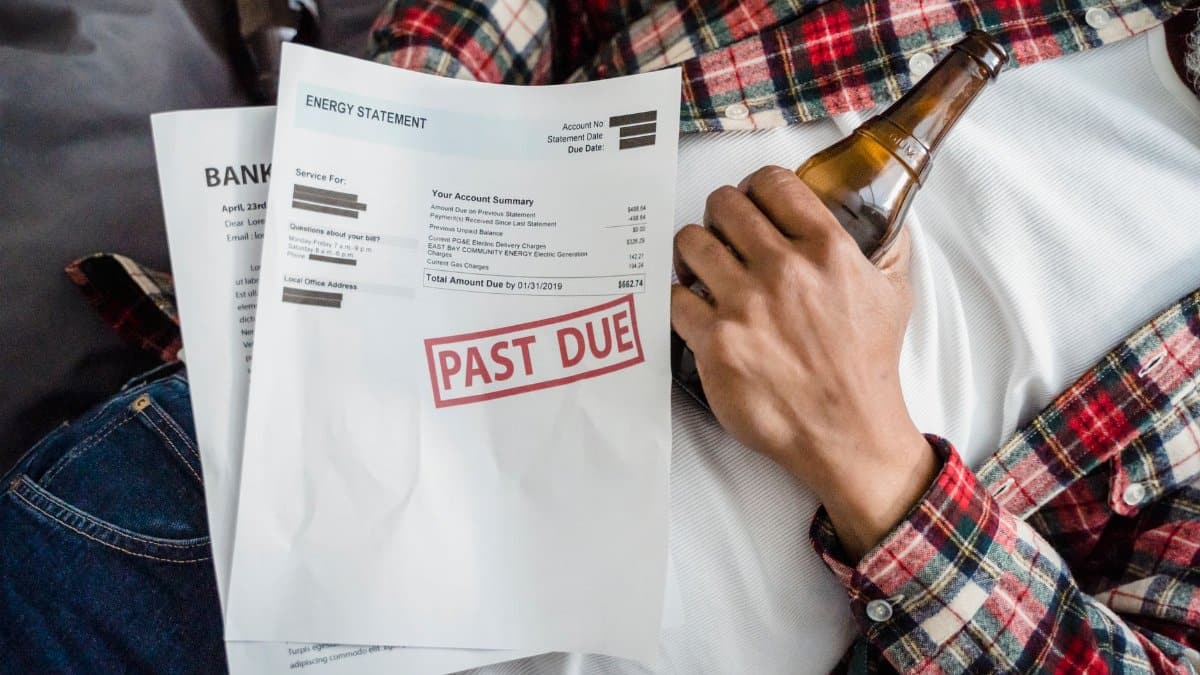
Climate diplomacy used to be framed as a contest between environmental ambition and industrial lobbying. This year the veto often arrives as a utility bill. Households in Europe, parts of Asia, and the Americas have spent recent seasons absorbing price spikes tied to war, shipping snarls, grid strain, and the simple fact that rebuilding energy systems is expensive before it is cheaper.
Leaders who fly in for the opening days know that a communique praising acceleration can be undone by a winter of high heating costs. Several European ministers have arrived with mandates that sound contradictory: deepen the shift away from fossil fuels, and do not hand opponents a story about elite indifference to the cost of living. Oil and gas producers, for their part, describe themselves as suppliers of stability. Critics call that a rebrand of delay. Both claims will be tested by what countries actually finance, not by what they applaud in a plenary.
The demands from countries that did the least to cause this
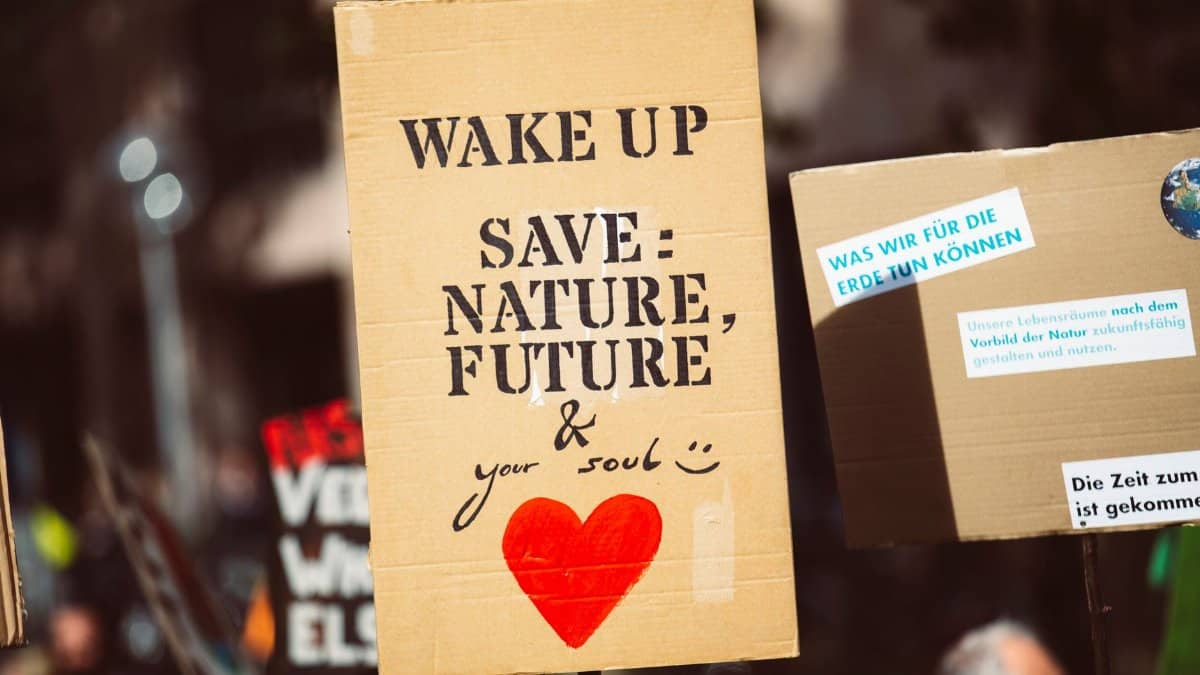
Small island states and low income nations arrive with a familiar ledger and fresher damage. They want money that moves, not money that is announced and then trapped in conditions. They want loss and damage support that reaches communities after a storm, not a pilot project that photographs well. They want wealthy countries to stop treating adaptation as a courtesy and mitigation as the only grown up subject.
Trust is the scarce resource. Promises made at earlier summits have been only partly met. When a finance minister from a country rebuilding roads for the third time in a decade hears a new pledge, the rational response is to ask about disbursement schedules. Antalya will produce more numbers. Whether those numbers survive contact with treasuries is the question that follows delegates home.
Washington’s narrower brief
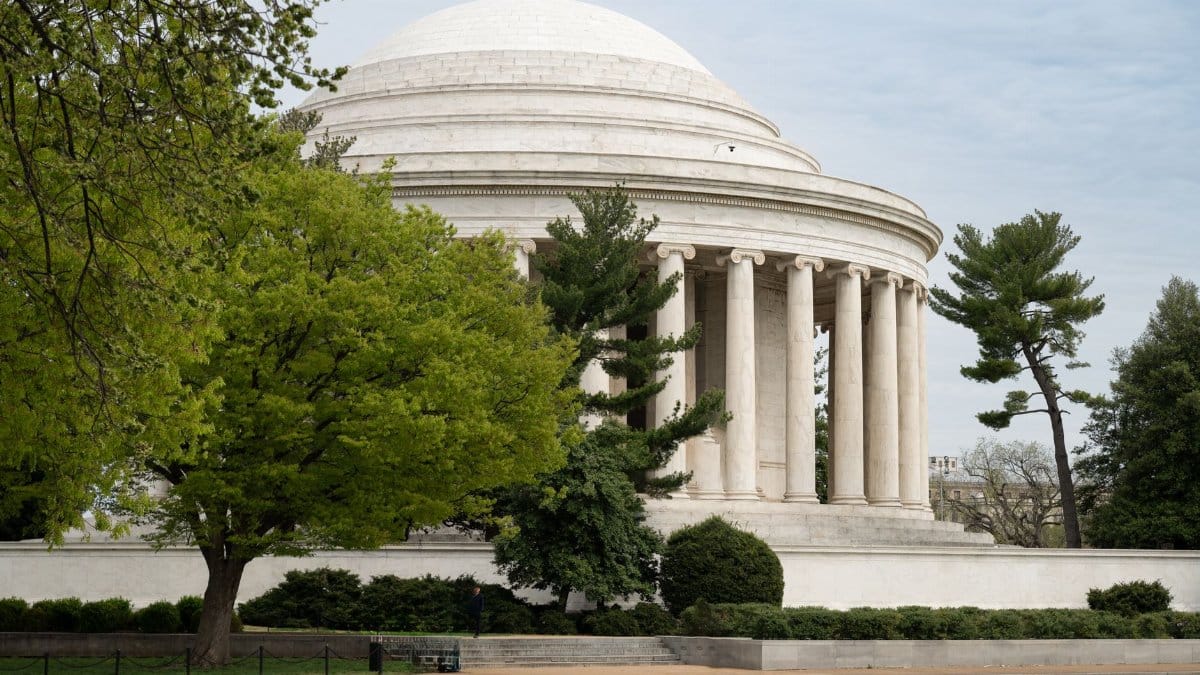
The United States remains large enough to shape the mood and constrained enough to disappoint almost everyone. Domestic politics limit how far any administration can go on binding targets or large foreign transfers. American officials emphasize private capital, technology partnerships, and methane controls that can be sold as efficiency rather than sacrifice. Partners listen, then ask what happens if the next election reverses the emphasis.
That instability is now priced into the talks. Other governments build coalitions that can function with or without a strong American push. It is a quieter form of realism, and it leaves Washington less central than it prefers to be, even when its envoys fill the largest bilateral rooms.
Cities, farms, and the work that does not wait for a gavel
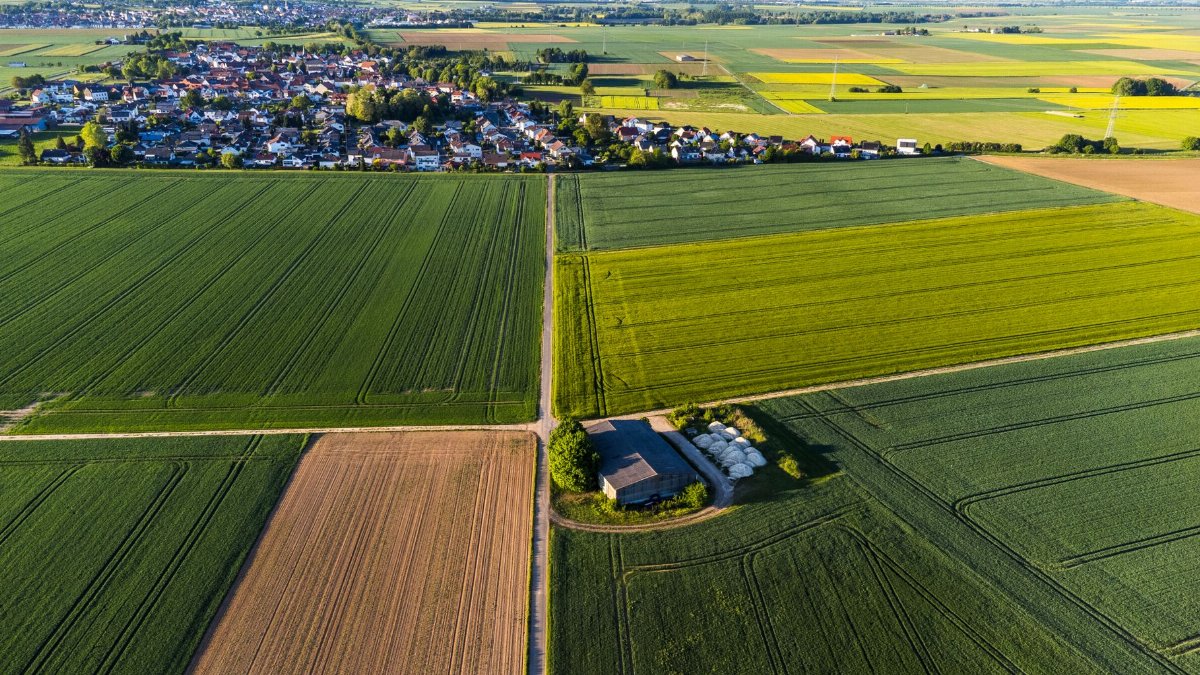
Away from the plenary, mayors and farm groups describe a politics that is already local. A city that plants trees and rebuilds drainage does not need a final text to justify the crew on the street. A grower switching varieties or insurance products is not waiting for consensus language on equity, though that grower may still go bankrupt if the season turns cruel. These stories give the summit its most concrete exhibits and its most awkward contrast: practical adaptation is underway, while the global machinery for sharing its cost remains slow.
I have sat in enough side rooms at meetings like this to recognize the split. The people who run water systems speak in inventories. The people who run negotiations speak in brackets. Both are necessary. Only one keeps a neighborhood dry next July.
Faith groups and the language of stewardship

Because this summit draws not only ministers but congregations, the week also carries a moral vocabulary that diplomatic English usually sands down. Christian, Muslim, Jewish, Hindu, and Buddhist delegations have organized prayers and briefings that frame the crisis as a failure of care rather than a failure of modeling alone. Their influence on the legal text is modest. Their influence on how some leaders explain the week to voters can be larger, especially in countries where climate policy is still heard as a culture fight.
Stewardship is an old word. In Antalya it is being asked to do new work: to hold together grief for what is already lost and discipline about what can still be limited. That is not a substitute for emissions cuts. It is one of the few languages in which sacrifice does not immediately sound like a tax.
What a credible outcome would require

A credible close would not look like triumph. It would look like fewer decorative targets and more dated commitments: when coal plants actually retire, how methane fees are enforced, which adaptation funds disburse within a year, how trade rules treat carbon intensive imports without punishing the poorest exporters by accident. It would include a plain statement that the 1.5 degree path is no longer available under present policy, paired with a refusal to treat 2 degrees or worse as an acceptable shrug.
Observers who have covered this process for a decade have learned to discount standing ovations. The useful test is narrower. Did any major emitter leave with a policy it did not already intend to announce at home? Did any vulnerable state leave with cash it can spend before the next cyclone season? If the answers are thin, the communique can still be long.
The week after the motorcades leave
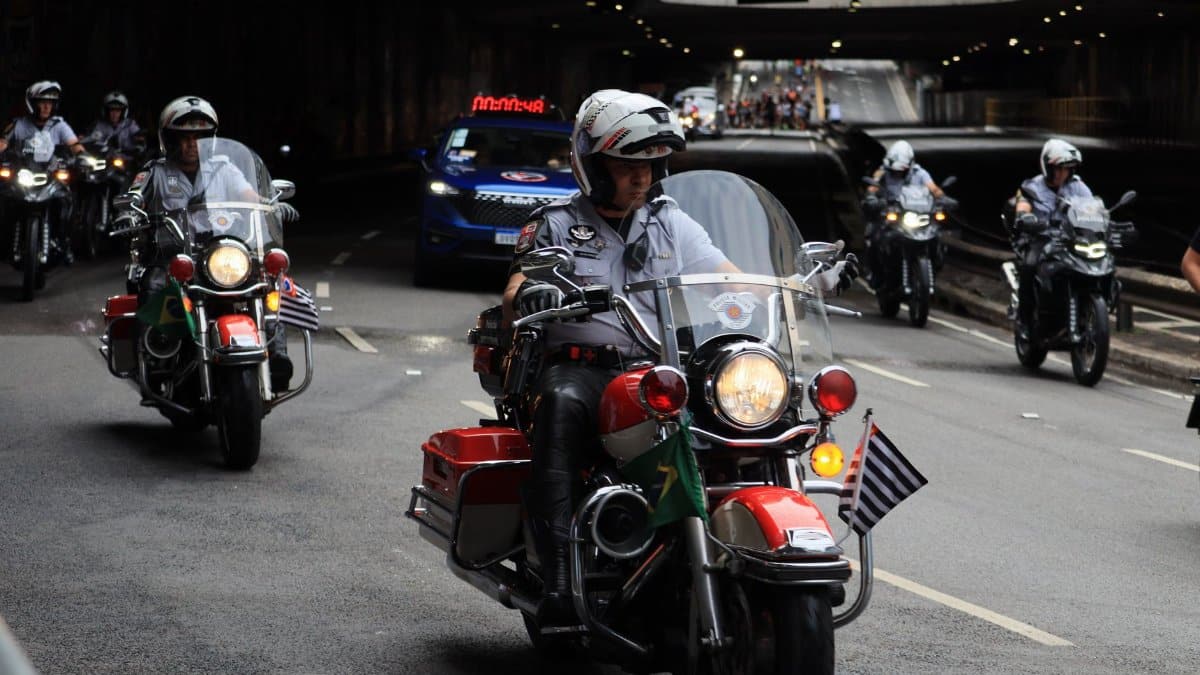
Summits end. Weather does not. When the UN climate summit closes, Antalya will return to its ordinary calendar of visitors and shipping, and the delegates will return to parliaments that measure success in prices, jobs, and whether the lights stay on. The atmosphere will keep the books with less patience than any foreign ministry.
There is no honest way to describe this meeting as the moment the world turned. There is an honest way to describe it as a place where governments were forced, again, to say out loud what their citizens have already felt: the old assurances are thinner, the costs are here, and the remaining choices are about degree, speed, and who pays. That is a smaller drama than the banners suggest. It is also the one that still matters.