
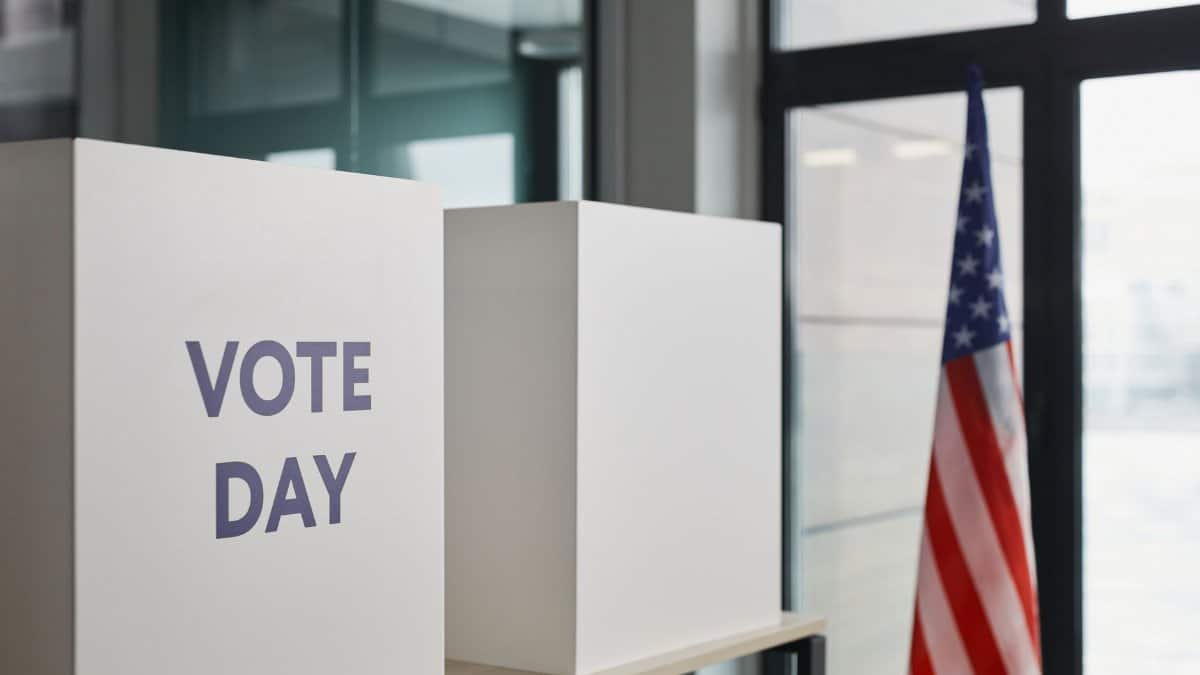
Before the streetlights dimmed over Coral Gables, a poll worker straightened a stack of pens and checked a flashlight against a printed roster. The scene could have belonged to any November. The arguments waiting inside the booths could not. In a state where a handful of precincts can rewrite a national story, South Florida elections have become a close reading of rent, insurance, migration, and trust. Voters arrived with sample ballots folded beside grocery lists. Some wanted relief from premiums that swallow a mortgage. Some wanted a harder line on growth. Nearly all wanted a government that felt nearer than Tallahassee.
A coastline that outsiders keep misreading
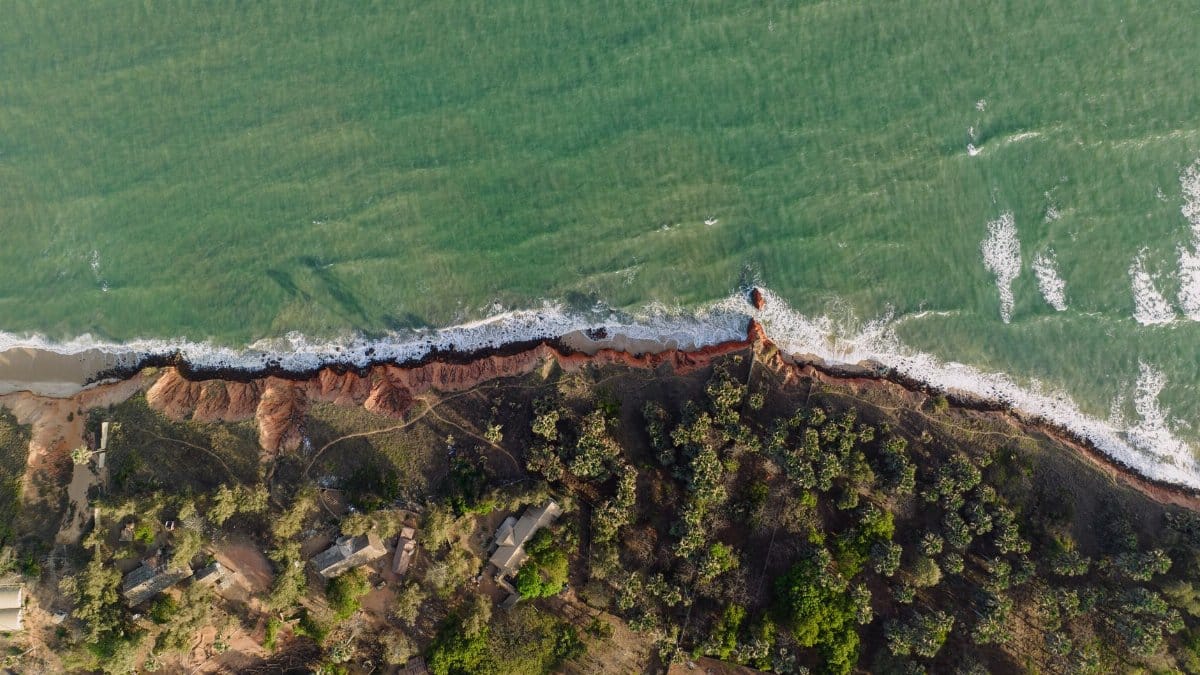
People far from Biscayne Bay often treat this stretch of Florida as a single bloc, a cartoon of beaches and ballots. The ground is more stubborn than that. Miami Dade, Broward, and Palm Beach share humidity and highway traffic, yet they do not share a single political temperament. A condo corridor in Sunny Isles does not vote like a farm road past the urban line. A church precinct in Lauderhill does not mirror a gated street in Boca Raton.
That variety is the point. Campaigns that arrive with one message and one language tend to leave with a thinner result than their consultants promised. Spanish, Haitian Creole, and English share airtime on the same afternoon. A candidate who sounds fluent in one room can sound careless in the next. Local officials know this. National strategists relearn it every cycle, usually after the first disappointing canvass.
What people carried into the booth
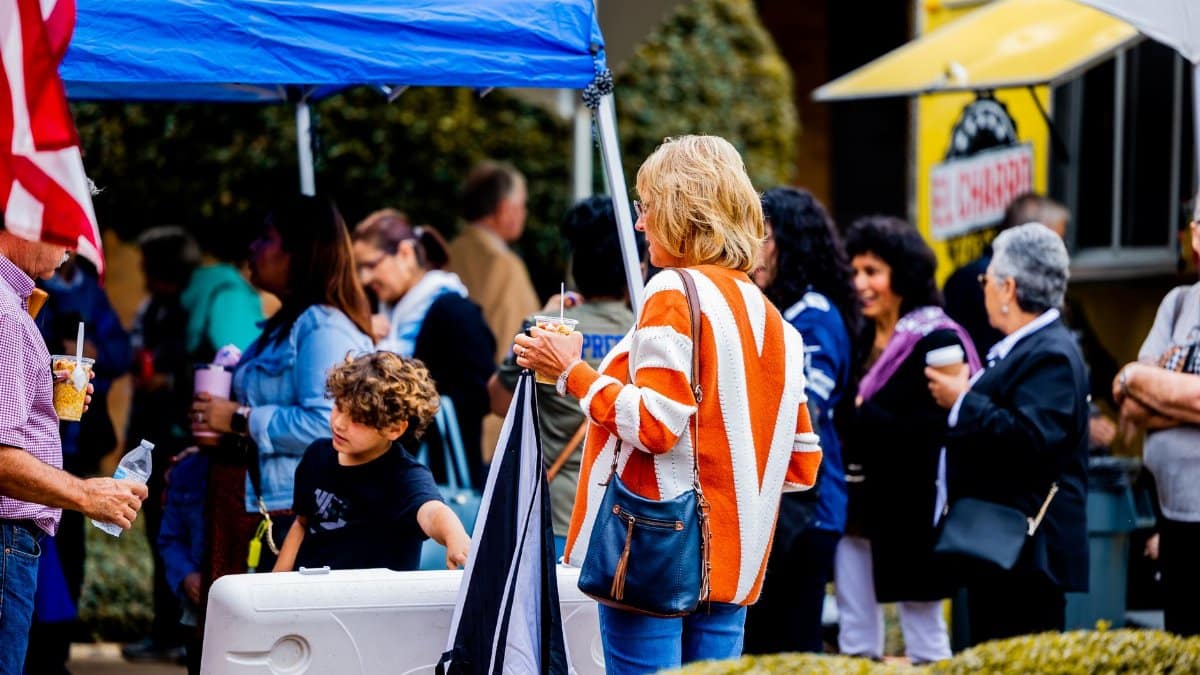
Ask residents what decided their vote and the answers rarely begin with a slogan. They begin with a bill. Property insurance has become a civic emergency, not a footnote. Families describe canceled policies, soaring deductibles, and the fear that one storm could end a life built over decades. Renters talk about increases that outrun wages. Homeowners talk about assessments that arrive like a second tax.
Public safety, schools, and the pace of construction sit beside those costs. So does immigration, felt here as family history rather than as an abstract debate. A voter in Hialeah may weigh a candidate through the memory of leaving another country. A voter in Kendall may weigh the same candidate through a commute and a child in a crowded classroom. The ballot looks simple. The reasons behind each mark do not.
Miami Dade and a coalition in motion
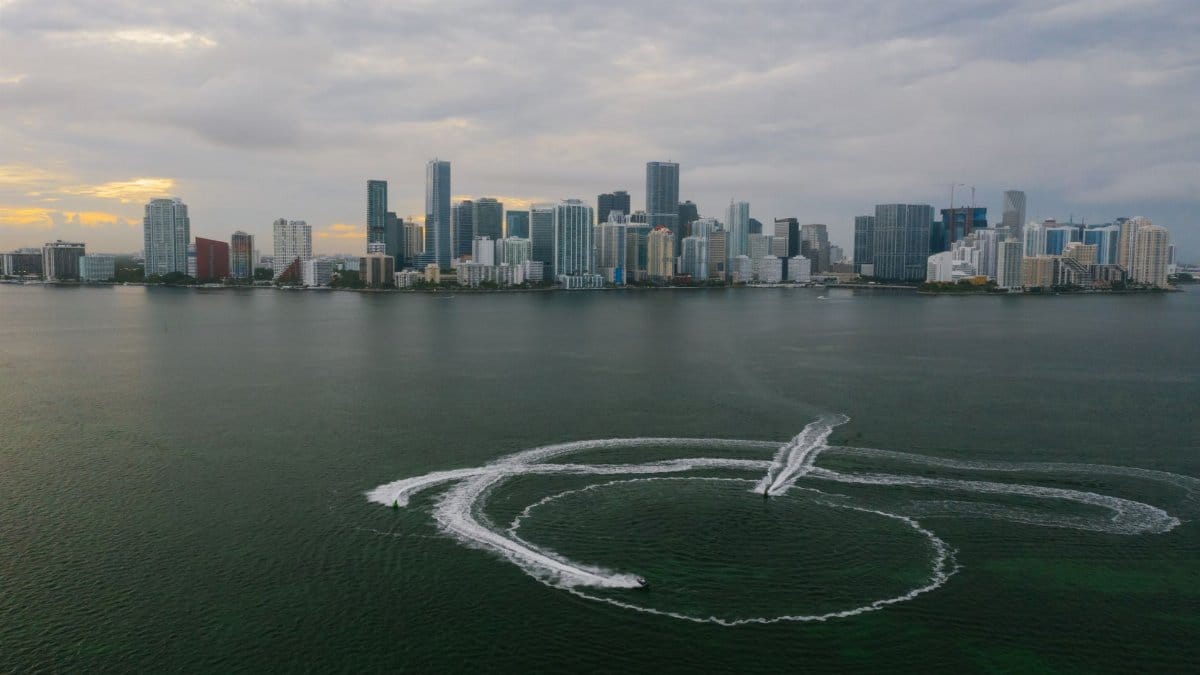
Miami Dade remains the county that national desks circle first. Cuban American neighborhoods, Colombian and Venezuelan communities, Black districts to the north, and younger renters near the urban core do not move in lockstep. Recent cycles have shown Republican gains in places Democrats once treated as safe, alongside stubborn Democratic strength in others. Neither party owns the future here by inheritance.
That is why South Florida elections in this county reward candidates who show up between cycles, not only in October. Local races for commission seats, school boards, and judicial posts can draw quieter crowds and still shape daily life more than a famous name at the top of the ticket. Observers who skip those lines miss the real machinery. The county does not hand its verdict to the loudest advertisement. It assembles it precinct by precinct.
Broward and the discipline of showing up
Broward County has a reputation, fair in some years and lazy in others, as a Democratic anchor. Reputation is not a strategy. Turnout still decides whether that anchor holds. Haitian American voters, Caribbean communities, and suburban moderates do not respond to the same mailer. A weak field operation can waste a favorable registration edge before noon.
Clerks in Broward have also lived through scrutiny that other counties only read about. Memories of slow counts and national mockery linger in the civic conversation. Officials have spent years trying to make the process legible: earlier notice, clearer instructions, more visible chain of custody. Voters notice competence. They also notice when a party assumes their loyalty and spends its energy elsewhere. Broward punishes that assumption more often than outsiders expect.
Palm Beach and the northern hinge
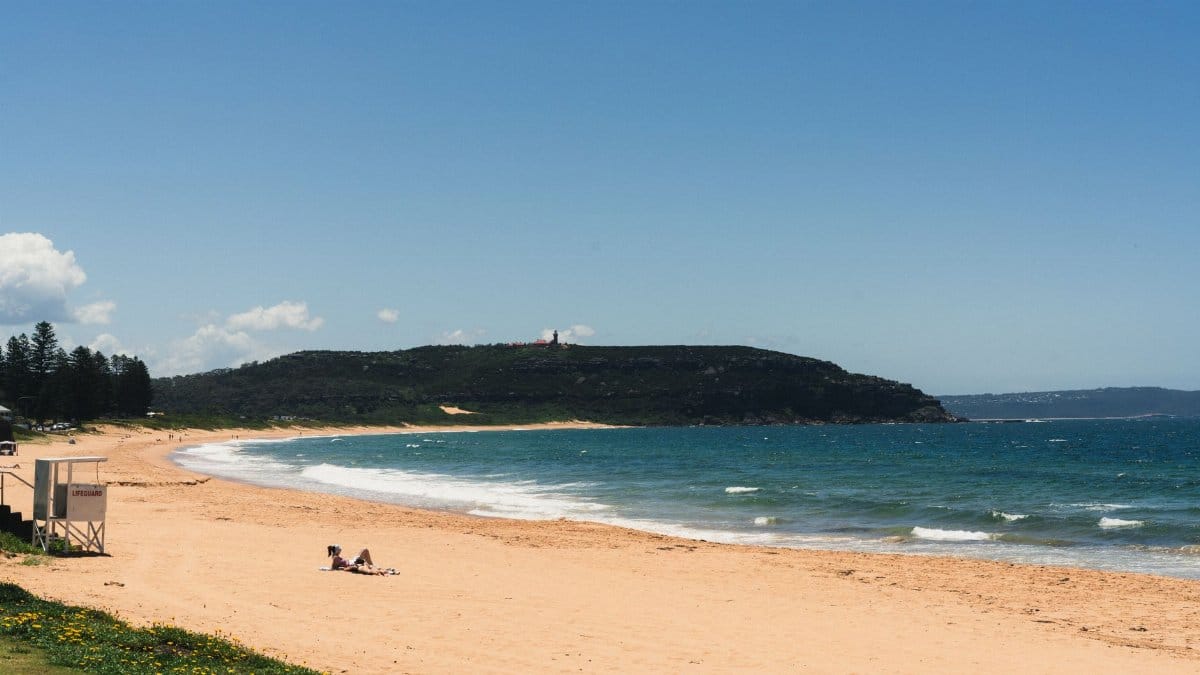
Palm Beach County is sometimes treated as the polite edge of the region, wealthier, older, less dramatic. The politics are sharper than the postcard. Coastal towns, inland suburbs, and agricultural pockets pull in different directions. Retirees who arrived from the Northeast sit beside service workers who keep those towns running. Development fights, water quality, and the cost of staying housed cut across party habit.
In close statewide contests, this county can function as a hinge. A modest shift among older voters, or a surge among younger ones who usually skip midterms, changes the math. Campaigns know it. They buy time on local television and flood mailboxes in the final fortnight. Residents, long familiar with the pitch, have grown skilled at sorting signal from noise. South Florida elections do not end at the Miami Dade line. They fray, and sometimes flip, as the map moves north.
Ballot questions that ask for a moral choice
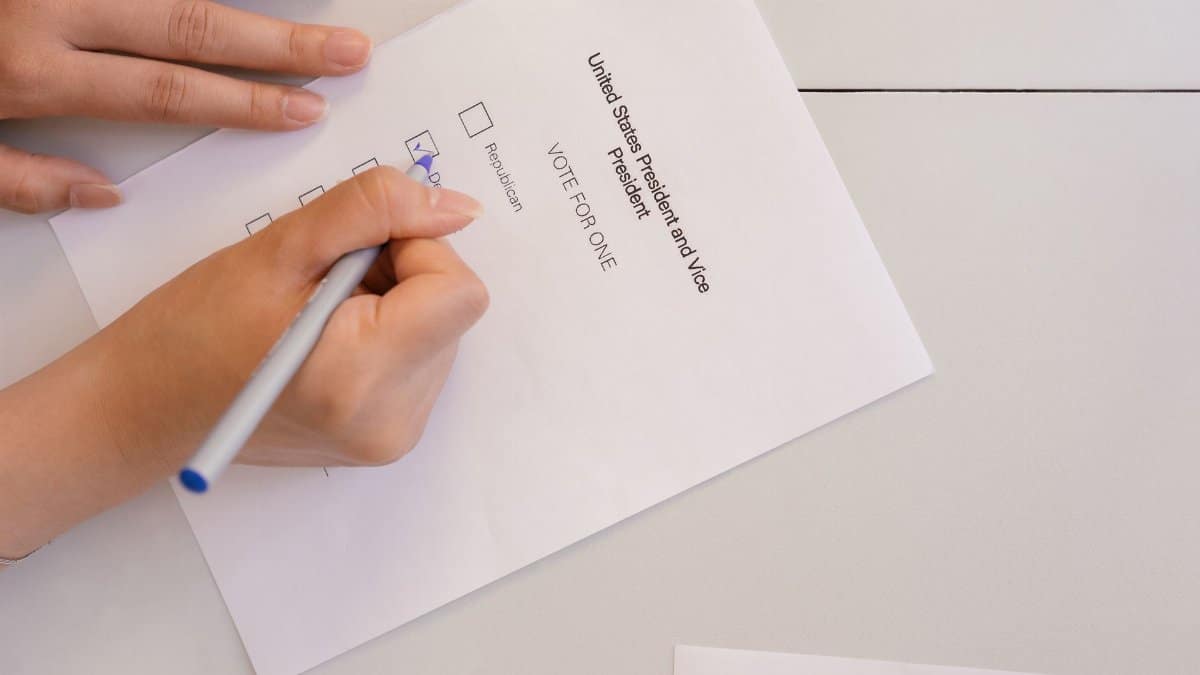
Party labels do not cover every oval. Constitutional amendments and local referendums ask voters to decide questions that feel closer to conscience than to coalition. Amendment 3, debated in church halls, radio studios, and kitchen arguments, forced people to say what they believe the state should permit, restrict, or leave alone. The wording mattered. So did trust in the people who wrote it.
Measures like that one expose a gap between campaign rhetoric and lived conviction. A voter may back a governor from one party and still reject that party on a single line lower down. Houses of worship, which often serve as polling places, become quiet witnesses to that private sorting. No sermon can fill out the ballot. The act of marking it still carries a moral weight that spreadsheets never capture. Waiting for certified numbers is part of respecting that weight, not a delay to be improvised away.
Names, money, and the limits of fame
Statewide figures loom over the local map even when the office they seek sits in Tallahassee. Byron Donalds, a Republican congressman from Southwest Florida, entered the wider conversation as a prominent conservative voice and as a Black candidate in a party still explaining itself to a changing state. His rise drew attention. Attention is not the same thing as a finished count. A governorship is decided by canvassing boards and certified totals, not by the confidence of a rally or the confidence of a headline written too early.
Money amplifies that confidence. Outside groups pour funds into South Florida because a dollar spent on Spanish language radio or a Creole language organizer can move a margin that a dollar spent elsewhere cannot. The flood has a cost. Voters describe a season of texts, door knocks, and ads that blur together. Fame helps a candidate get heard. It does not guarantee that the hearing ends in a yes. Any claim of a first, a flip, or a mandate deserves the same patience as a close precinct: wait for the record.
The long night and the civic ritual
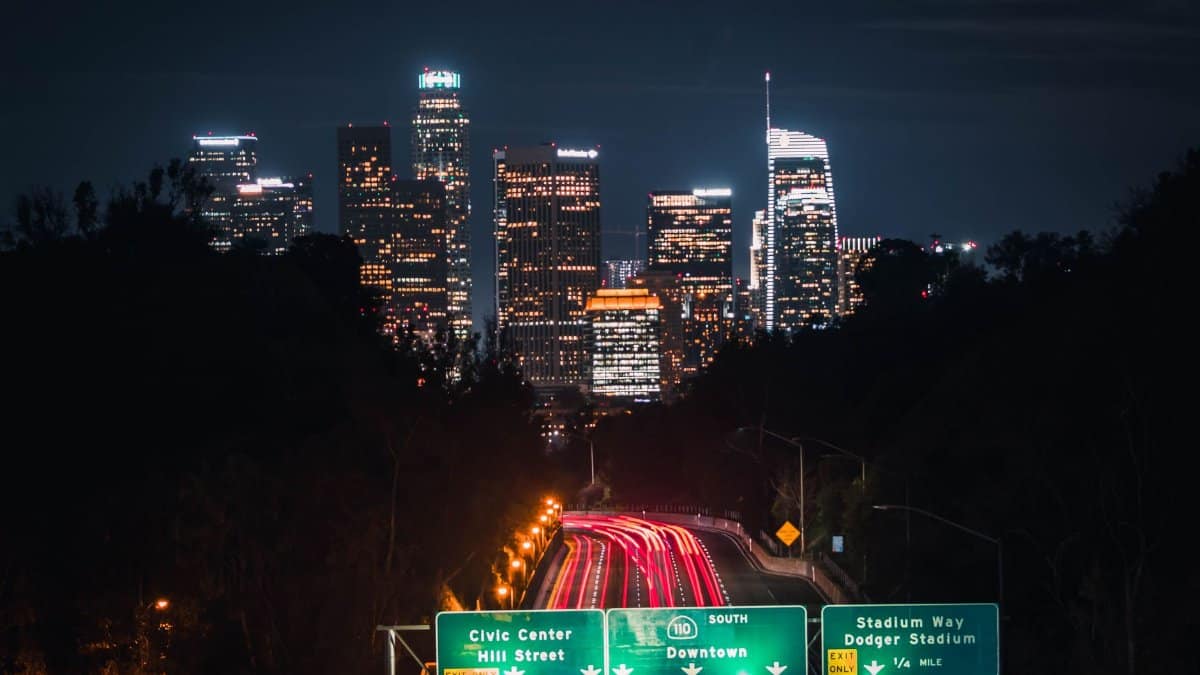
Election night in this region is a study in patience. Early vote and vote by mail can sketch a lead that Election Day revises. A blue slice of Broward may report late. A red pocket of Miami Dade may surge after dinner. Analysts who declare the story at 8 p.m. often spend the next morning revising it. That revision is not a scandal. It is how a large, multilingual electorate reports itself.
There is a quieter ritual underneath the graphics. Neighbors who disagree still share a school cafeteria turned polling place. A pastor unlocks a fellowship hall. A student translates a question for a parent. These moments do not cancel hard politics. They remind people that the franchise is a common act, closer to a civic liturgy than to a sport. South Florida elections test policy. They also test whether a diverse public can still stand in the same line without treating disagreement as exile.
How to read the morning after

The useful question after the polls close is not only who leads. It is who was heard. Did insurance anger move independents. Did younger renters finally match their registration with a ballot. Did local races diverge from the statewide ticket. Those answers explain the next two years better than a single victory speech.
Readers should treat early calls, social media graphics, and partisan scoreboards as provisional. County canvassing sites and the state division of elections remain the record that matters. Until those offices publish certified results, talk of a first Black governor, a passed amendment, or a swept slate is commentary, not fact. South Florida elections reward that discipline. The region has been misread too often by people who needed a simple winner before the ballots were done speaking.