
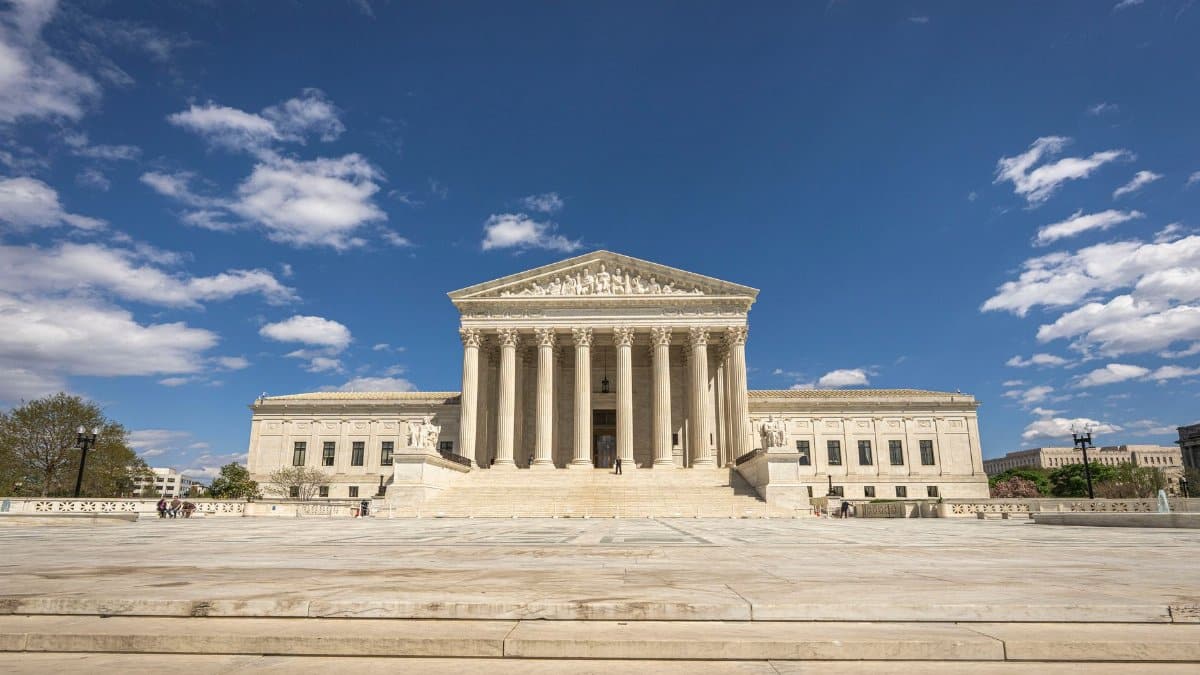
In South Florida the rhythms of daily life for many Haitian families have long centered on work, school and community ties built across decades. Recent legal developments now threaten to upend those foundations. The Supreme Court TPS Ruling South Florida Haitians opens the door for federal authorities to terminate protections that have allowed hundreds of thousands to remain in the United States legally. This shift arrives at a moment when local economies rely heavily on the contributions of these residents in fields ranging from health care to construction. Observers note that abrupt changes could strain social services and reshape neighborhoods that have grown accustomed to steady populations from Haiti. The ruling underscores ongoing tensions between immigration enforcement priorities and humanitarian considerations that have defined policy debates for years.
Background on Temporary Protected Status Programs

Temporary Protected Status emerged decades ago as a mechanism to shield nationals from countries facing crises such as natural disasters or conflict. Haiti received designations following major earthquakes and political instability. Recipients gained work permits and deportation relief that enabled integration into American society. Courts have reviewed extensions multiple times with outcomes varying by administration. The current case reached the Supreme Court after lower tribunals examined whether prior terminations followed proper procedures.
Details of the Recent Supreme Court Decision
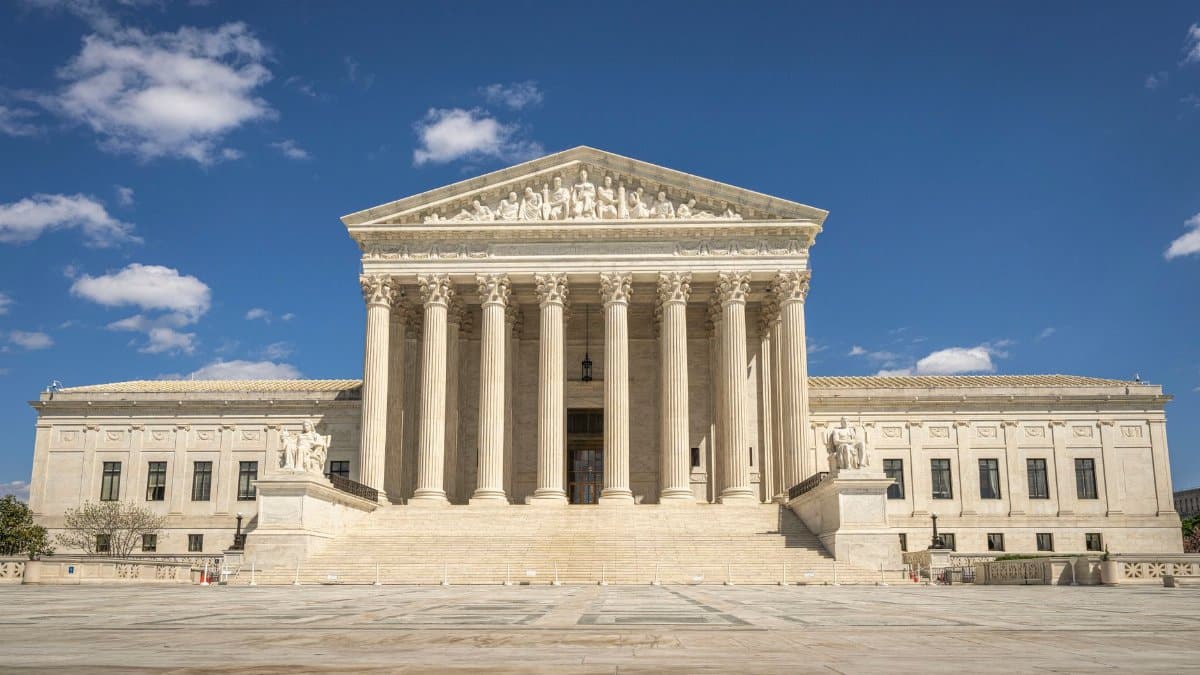
Justices determined that executive branch actions to end TPS for certain groups fell within legal bounds. This cleared pathways for implementation without further judicial blocks. Advocates argued that abrupt endings ignored ongoing dangers in Haiti. Government representatives countered that conditions had improved sufficiently to warrant returns. The opinion emphasized administrative discretion over individual circumstances in mass reviews.
Economic Roles of Haitian Workers in South Florida

Haitian residents fill essential positions across Miami Dade and Broward counties. Many serve in nursing homes, transportation services and agricultural operations where labor shortages persist. Local businesses report that sudden departures could disrupt operations and raise costs. Data from regional chambers of commerce highlight how these workers support tax revenues and consumer spending that sustain smaller enterprises. Analysts project ripple effects if enforcement accelerates.
Family and Community Structures at Risk
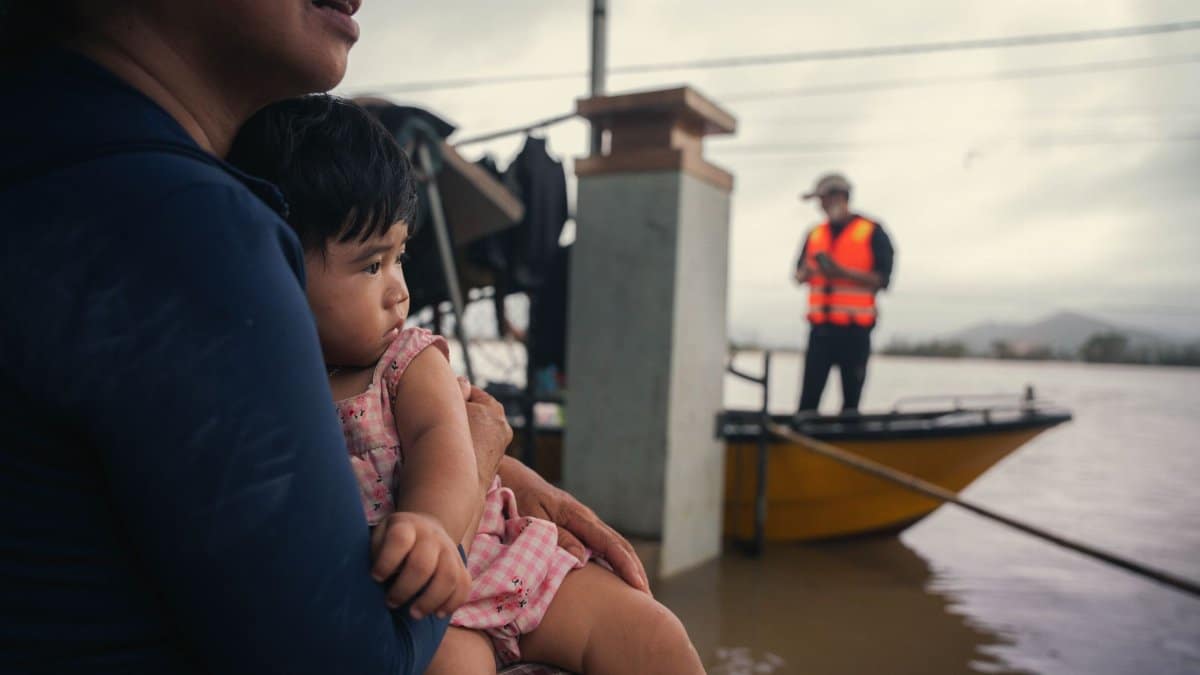
Generations have formed households with mixed legal statuses. Children born in the United States hold citizenship while parents face removal proceedings. Schools and churches in areas with dense Haitian populations anticipate enrollment shifts and service demands. Community leaders describe networks of mutual support developed over time that now confront fragmentation. Reunification in Haiti presents logistical and safety challenges given limited infrastructure.
Local Government Responses and Preparations

Officials in South Florida municipalities review contingency plans for potential population changes. Social service agencies assess capacity for increased caseloads related to legal aid or relocation support. Some county resolutions call for federal guidance on implementation timelines. Discussions focus on coordination between state and city levels to manage transitions without major disruptions to public order.
Historical Patterns of Haitian Migration and Policy

Waves of arrivals from Haiti trace back through periods of dictatorship and economic hardship. Successive administrations applied varying approaches from interdiction at sea to parole programs. Court challenges have repeatedly tested boundaries of executive power in this arena. Earlier TPS grants reflected recognition of unstable conditions that prevented safe repatriation for large groups.
Perspectives from Legal Experts and Advocates

Attorneys specializing in immigration note that the ruling may influence future cases involving other nationalities under similar protections. Advocacy organizations prepare outreach to inform affected individuals about options such as asylum claims or adjustment of status where eligible. Some emphasize the need for legislative fixes that provide more durable solutions beyond temporary measures.
Potential Paths Forward for Affected Residents

Options under discussion include applications for other visas or humanitarian parole in limited instances. Legal clinics expand capacity to review individual files for eligibility under alternative provisions. Community organizations host informational sessions to outline steps and rights during any enforcement phase. Broader policy debates continue in Congress around comprehensive reforms that address root causes of irregular migration.