
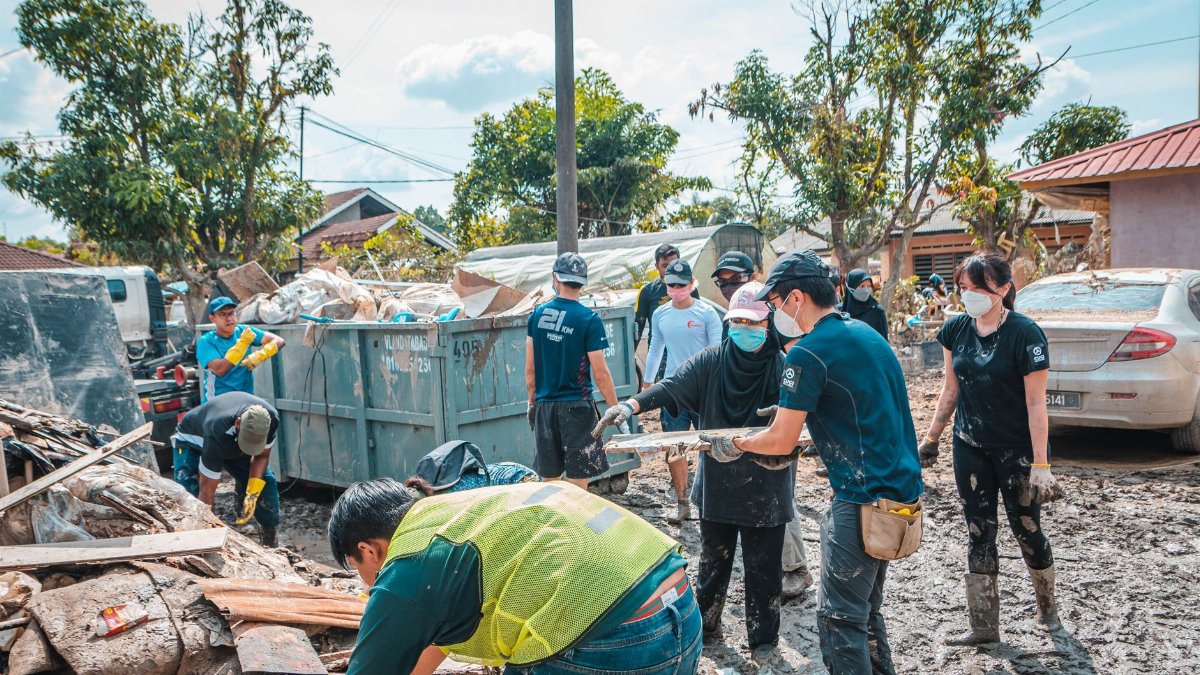
After the powerful earthquake devastated parts of Venezuela last month leaving thousands in urgent need of supplies and support the port city of Miami stepped forward to coordinate shipments and personnel from across the United States. Observers note how this positioning underscores the Miami Venezuela Earthquake Aid Role amid a complex international response that draws on regional resources and expertise.
Strategic Location Enhances Response Speed

South Florida sits at a crossroads for Caribbean and Latin American routes making it a natural point for assembling aid packages. Planes and vessels can reach affected zones in Venezuela within hours rather than days which proves essential when medical supplies and clean water face immediate demand. Local airports have adjusted schedules to accommodate extra flights carrying tents food and generators.
Community Networks Mobilize Volunteers
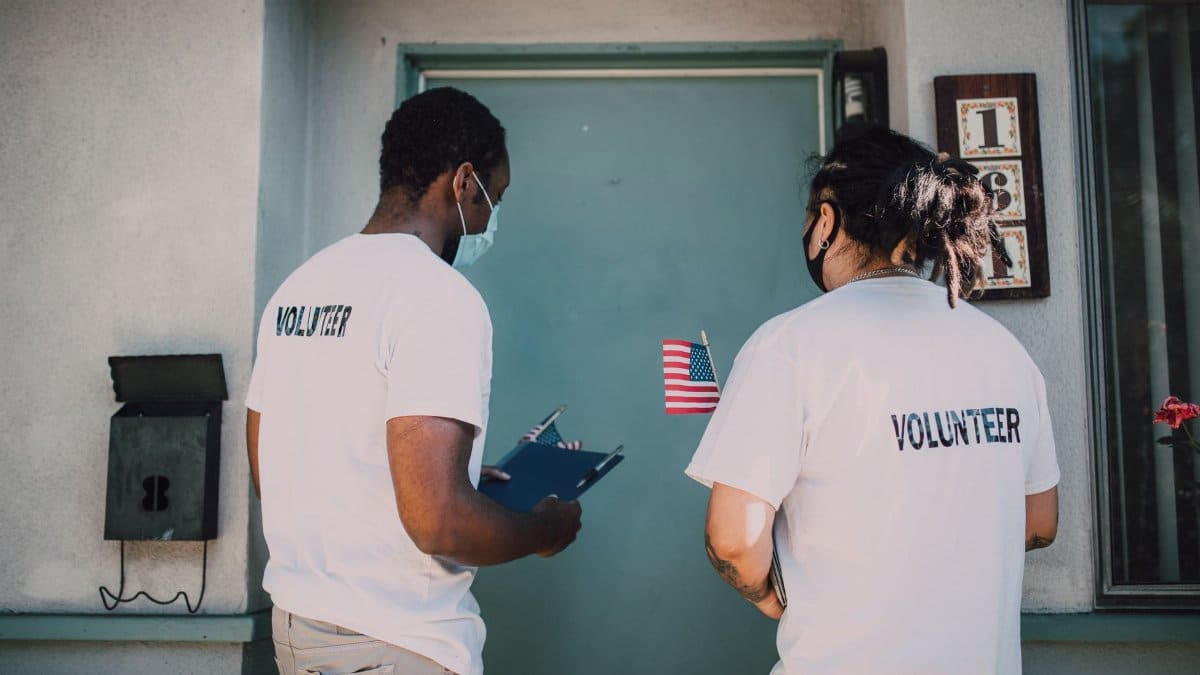
Residents with ties to Venezuela have organized collection drives at churches and community centers across Miami Dade County. These groups sort donations and prepare boxes for transport while also offering translation services for medical teams heading south. Their efforts fill gaps left by larger agencies that sometimes move more slowly through official channels.
Port Facilities Handle Increased Cargo Volume
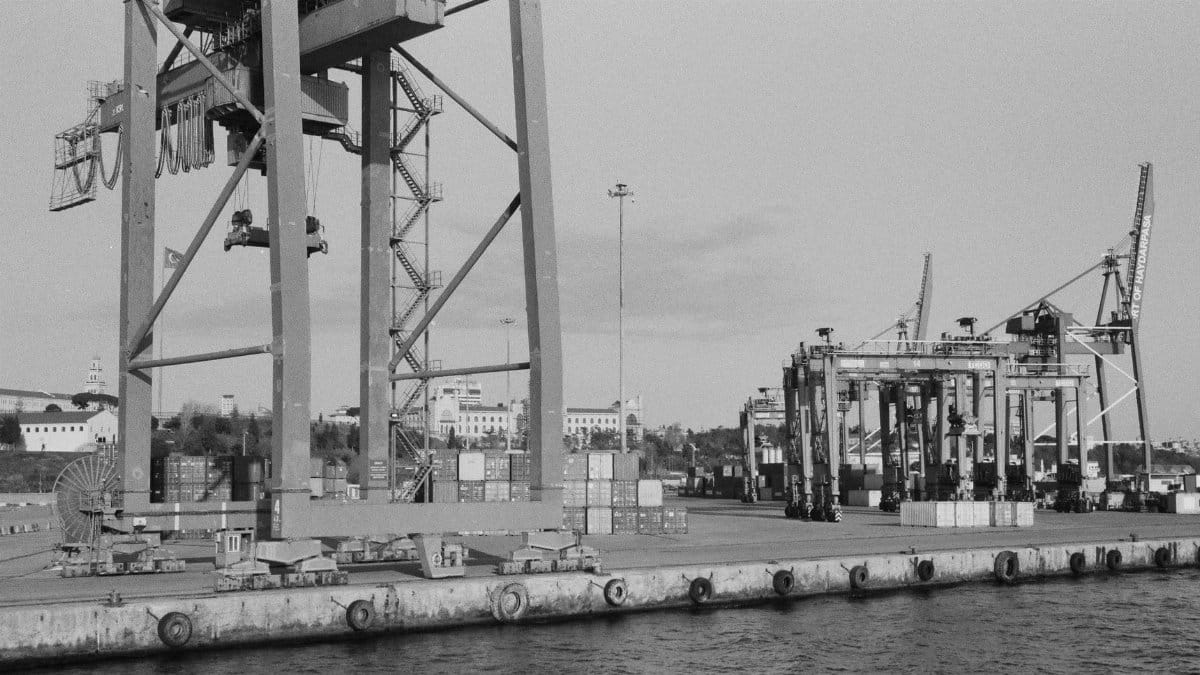
The Port of Miami has seen a surge in activity as containers loaded with relief materials arrive from northern states and foreign donors. Workers operate extended shifts to load ships bound for Venezuelan harbors where infrastructure suffered heavy damage. Customs officials have streamlined inspections to avoid delays that could cost lives in remote villages.
Coordination With Federal Agencies
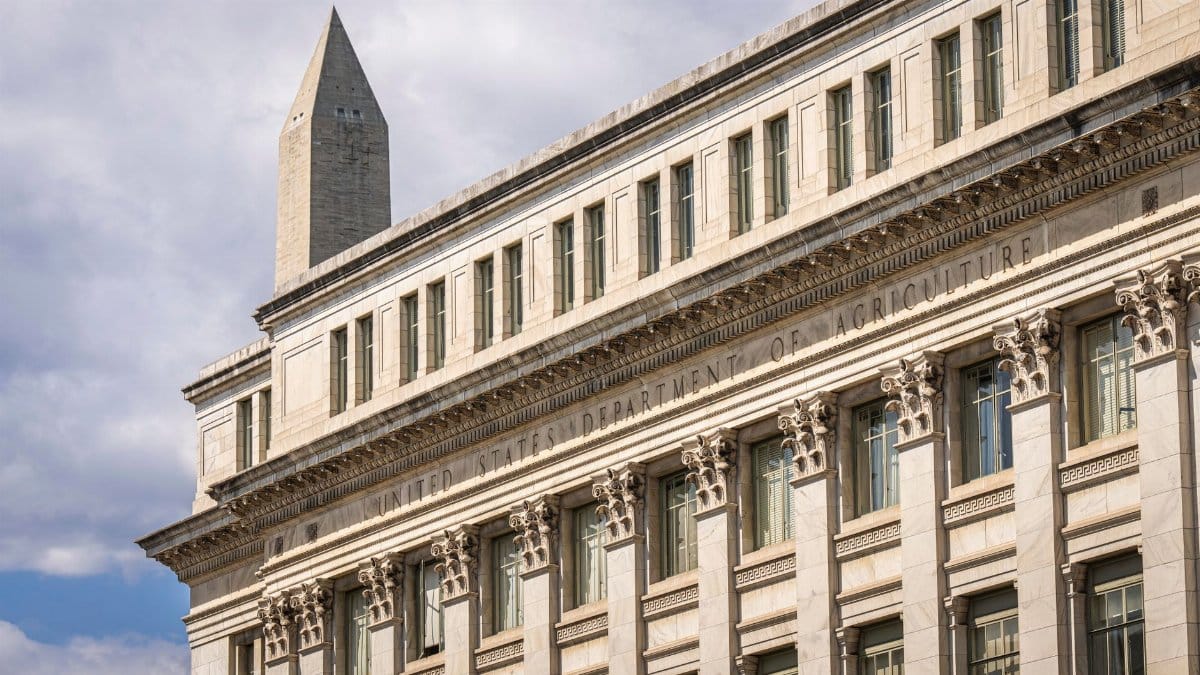
Representatives from the State Department and disaster relief organizations maintain a temporary command post near the airport. Daily briefings allow planners to match available resources with reports coming from the ground in Venezuela. This setup keeps the Miami Venezuela Earthquake Aid Role visible as a link between national policy and local action.
Medical Teams Prepare for Deployment
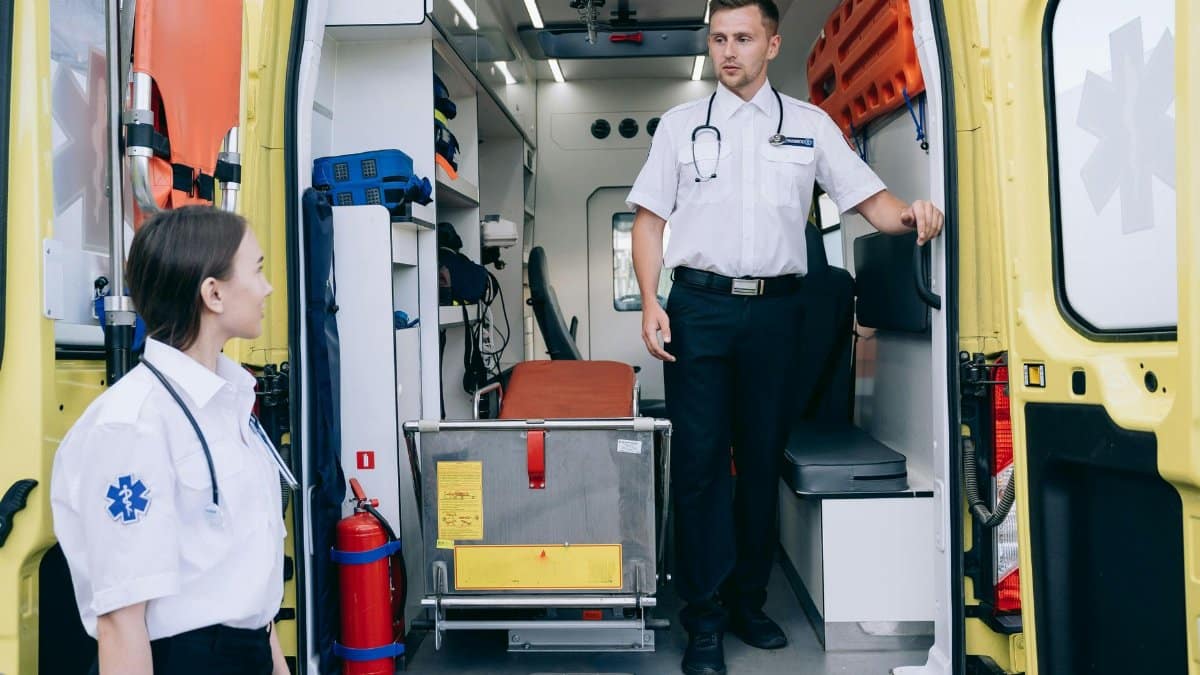
Hospitals in the area have assembled groups of doctors nurses and technicians willing to travel on short notice. Training sessions focus on treating injuries common after earthquakes such as fractures and infections from contaminated water. Equipment ranging from portable x ray machines to surgical kits gets packed and labeled for quick unloading once on site.
Challenges in Supply Chain Management
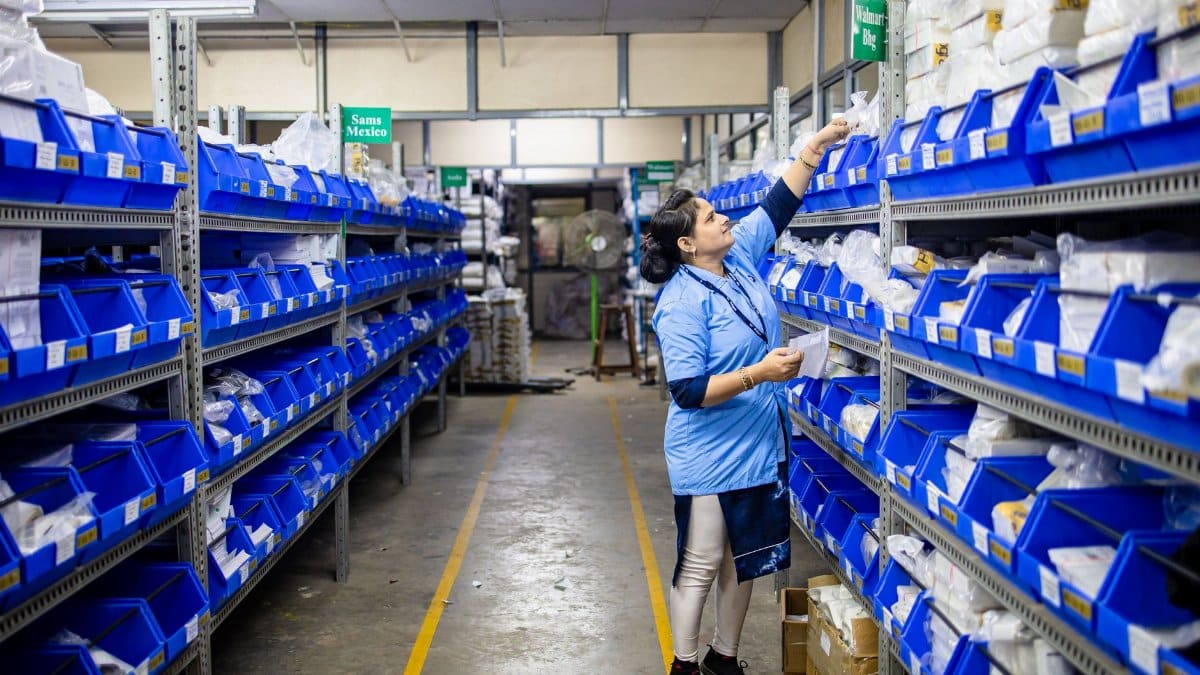
Even with strong infrastructure teams encounter obstacles including fuel shortages on the Venezuelan side and occasional weather disruptions over the Caribbean. Planners keep backup routes ready and maintain stockpiles in Miami warehouses to prevent shortages. Communication lines stay open with field workers who relay changing needs hour by hour.
Role of Private Sector Donors
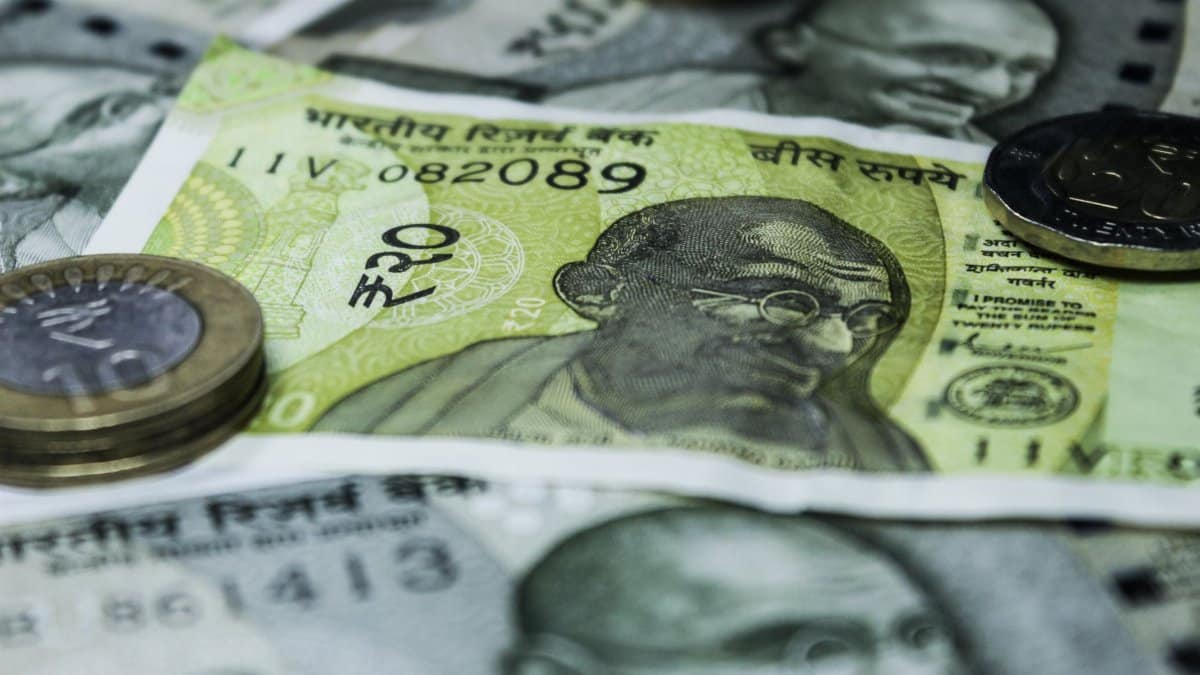
Businesses based in South Florida contribute trucks warehouse space and even small aircraft for last mile deliveries. Their involvement supplements government funding and allows flexibility when public budgets face limits. Several shipping companies have offered reduced rates for aid cargo as a direct contribution to recovery work.
Longer Term Recovery Considerations
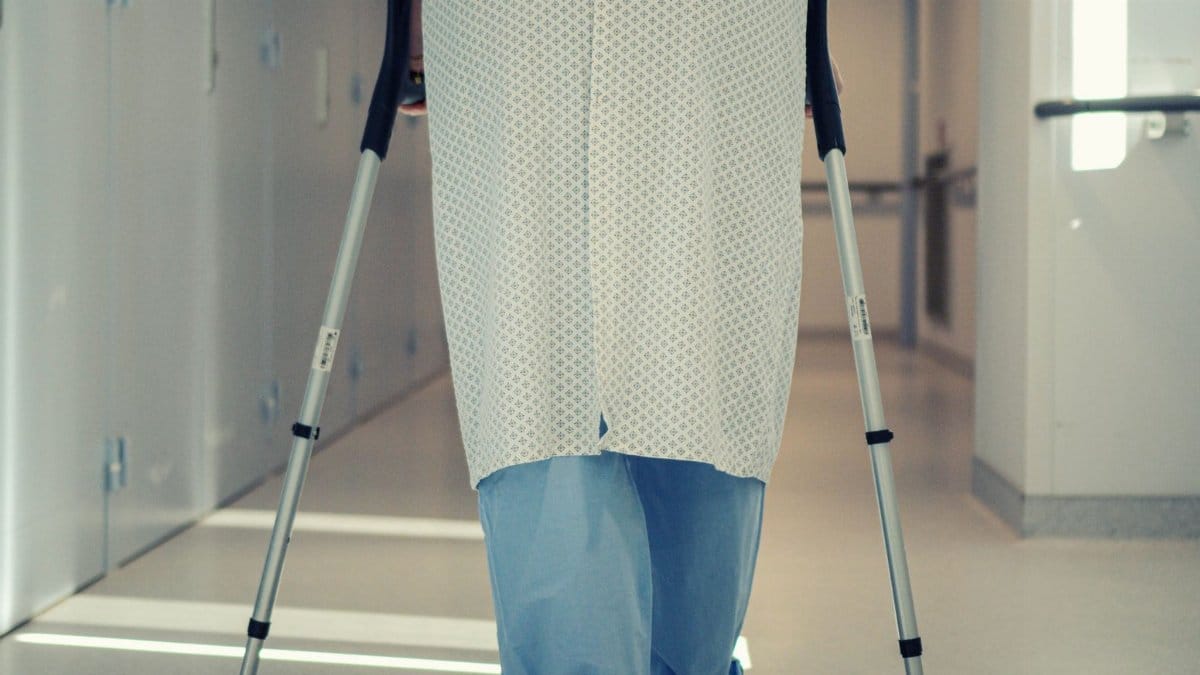
Beyond immediate relief experts discuss how the current operation might shape future preparedness in the region. Lessons from routing supplies through Miami could inform responses to other natural disasters. Discussions already touch on building stronger warehouses and training more bilingual responders.
Public Awareness Campaigns

Local media outlets run segments explaining how residents can help whether through donations or by supporting policy measures that ease aid flows. These reports avoid sensationalism and focus on practical steps that sustain momentum for weeks and months ahead.
Future Implications for Regional Ties

The episode strengthens connections between the United States and Venezuela at a time when relations have often been strained. Successful aid delivery may open doors for further cooperation on issues like trade and migration. Observers watch closely to see whether the Miami Venezuela Earthquake Aid Role becomes a model for similar crises elsewhere in the hemisphere.