
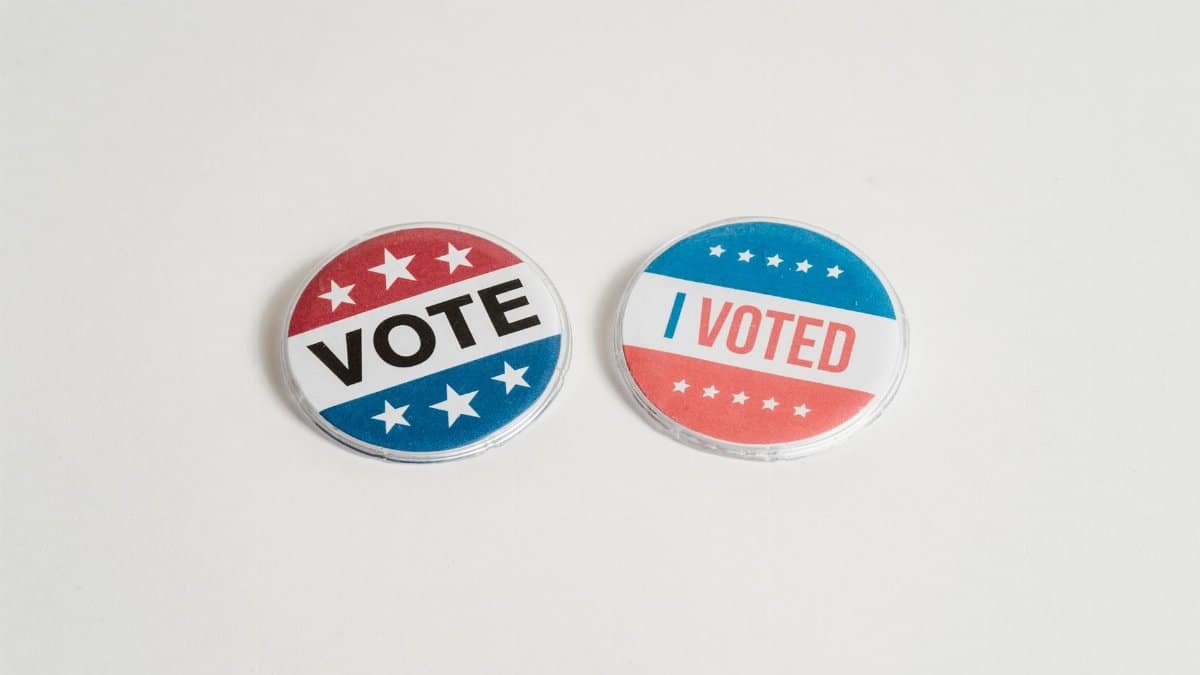
The baseball game had barely reached the middle innings when the commercial break refused to end. A senator smiled, then a challenger accused him of betrayal, then a narrator warned that a school, a factory, and a hospital were all at risk if the wrong name won. In a house outside Columbus, two people who had planned a quiet evening put the remote down and stared. Scenes like that one played across the country this fall, and they were not an accident of programming. They were the visible edge of $11.6 billion political ads, a sum that campaign accountants now treat as the mark of the most expensive midterm season on record. Money on that scale does not merely buy airtime. It buys repetition, tone, and a permanent argument that follows voters from the kitchen to the car.
A living room turned into a precinct

Political advertising used to arrive in bursts. A few weeks before Election Day, the familiar faces appeared, made their case, and vanished. This cycle feels different because the argument never really leaves. Streaming services carry the same spots that local stations run at dinner. Phones light up with clips cut for anger and sized for a thumb. Yard signs still matter in some neighborhoods, but the real contest is for the minutes when a person is tired and not looking for a fight.
That shift matters because attention is not neutral. A voter who hears a claim ten times is more likely to remember the feeling than the footnote. Consultants have known this for decades. What changed is the volume. When the buy is large enough, even a mild candidate is pressed to sound urgent, because urgency is what the inventory rewards. Calm does not clear a rate card.
What the money actually purchases

It is tempting to imagine that a historic spend buys a historic conversation. In practice it buys inventory: seconds on broadcast television, insertions on connected sets, pre roll video, search terms, and the quiet work of testing which sentence makes a person flinch. A campaign does not purchase wisdom. It purchases reach, frequency, and the right to define an opponent before that opponent can finish a sentence.
Reporters who have covered several cycles describe a familiar split. A smaller share of the budget still goes to biography, to a factory tour, to a promise about roads or insulin. A larger share goes to contrast, which is the polite word, and to outright attack, which is the accurate one. The arithmetic is simple. Fear travels faster than a white paper, and a spot that travels is a spot that gets renewed.
Negativity as a business model
Negative advertising is not a moral accident. It is a product with a proven market. Undecided viewers, the theory goes, are easier to move with a warning than with a plan. A plan invites questions. A warning invites a reflex. Once both sides accept that logic, each new buy answers the last one, and the tone ratchets upward because no manager wants to be the person who brought a brochure to a knife fight.
The people who cut these spots are not cartoon villains. Many of them believe they are protecting a coalition from a real threat. The trouble is structural. A system that pays more for outrage than for explanation will produce outrage, even when the individuals inside it would rather talk about bridges. The nastier election is not only a failure of character. It is a rational response to incentives that punish restraint.
Donors who never have to face the camera

Behind the faces on screen sit donors whose names surface, if at all, in filings that almost no voter reads. Some give in public and defend the gift as speech. Others route money through committees whose titles sound like civic clubs. The ad that results rarely mentions the check. It mentions a crime, a border, a classroom, a price at the pump. The sponsor stays in the caption, in type small enough to ignore.
This distance changes the ethics of the message. A candidate who must shake hands at a diner has a reason to keep at least one sentence defensible. A donor who will never meet the people targeted by the spot has a weaker reason. The result is a politics in which the harshest lines are often written for audiences the writer will not have to live beside. Neighborliness is hard to invoice, so it drops out of the brief.
Local stations and the quiet windfall
For television stations in competitive states, the season is a windfall that arrives on a schedule. Political buys are prized because they pay premium rates and because, under long standing federal rules, stations have limited room to refuse candidate ads. Managers will say, off the record, that the revenue keeps newsrooms employed. Viewers experience the same fact as a hijacking of the evening.
There is an irony here that is easy to miss. The local news that still tries to explain a school bond or a water rate sits in the same half hour as spots that flatten every issue into betrayal. Journalists spend minutes assembling context. An ad spends seconds demolishing it. When the demolition is funded at the scale of $11.6 billion political ads, context is not defeated by a better argument. It is outshouted.
When attack lines crowd out policy
Ask a campaign manager what the opponent stands for and you will often get a list of liabilities, not a description of a bill. That habit migrates outward. Voters who consume only ads come to know opponents as collections of sins. They know less about what anyone would actually do on Tuesday morning in office. Policy does not disappear. It becomes a prop, useful only if it can be framed as a threat.
The loss is practical as well as civic. A Congress chosen in a fog of accusation has a harder time governing, because members arrive with supporters who were promised combat, not compromise. The ad that won August becomes a constraint in January. Candidates who might have left room to bargain discover that their own spots have sealed the exits. Nastiness is not only unpleasant. It is sticky.
The wear on ordinary attention

There is a cost that does not show up in fundraising reports. People describe a low grade exhaustion, a sense that every public hour is an argument they did not consent to join. Parents mute the set when children are in the room, not because the spots are obscene in the old sense, but because the emotional weather is cruel. Friendship becomes cautious. A comment about prices turns, without warning, into a test of loyalty.
Spiritual traditions, including those with no interest in party platforms, have long warned against speech that trains the heart to suspect. Constant alarm is a kind of formation. It teaches that the stranger is a hazard and that complexity is a trick. A democracy can survive disagreement. It struggles when disagreement is delivered as a drumbeat that never allows silence. The soul, if that word still fits a political story, is not improved by being startled fifty times a night.
Voters who mute, skip, and walk away

Campaigns track the people who click. They track less carefully the people who leave. Some viewers have learned to skip, to install blockers, to abandon live television until November passes. Others stay and grow cynical, convinced that every claim is a manipulation and that participation is a sucker bet. Both responses are understandable. Neither is what a healthy politics would hope to buy with a record sum.
Cynicism is often described as sophistication. In practice it is a withdrawal. The person who believes nothing can be moved by anything, including by a true warning that deserves to be heard. When attack advertising saturates the market, it does not only damage the opponent named in the spot. It damages the channel itself. Trust, once spent, is expensive to repurchase, and no committee has a line item for it.
What restraint would require

Restraint is not the same as silence. Candidates have a right, and sometimes a duty, to draw sharp contrasts. A corruption case, a broken promise, a vote that harmed a district: these are fair subjects. The question is proportion, evidence, and whether the speaker would repeat the line to the target’s face. Proportion is difficult to enforce when the other side is buying the next hour. That is why individual virtue is a weak answer to a market this large.
Stronger answers are unglamorous. Clearer disclosure, so viewers know who paid before the fear lands. More newsroom capacity, so a false line meets a correction with similar reach. Debates and voter guides that are not trapped inside a thirty second cage. None of these will shrink the total overnight. They can, at least, give a competing product a chance: explanation that is allowed to finish.
A ledger still open
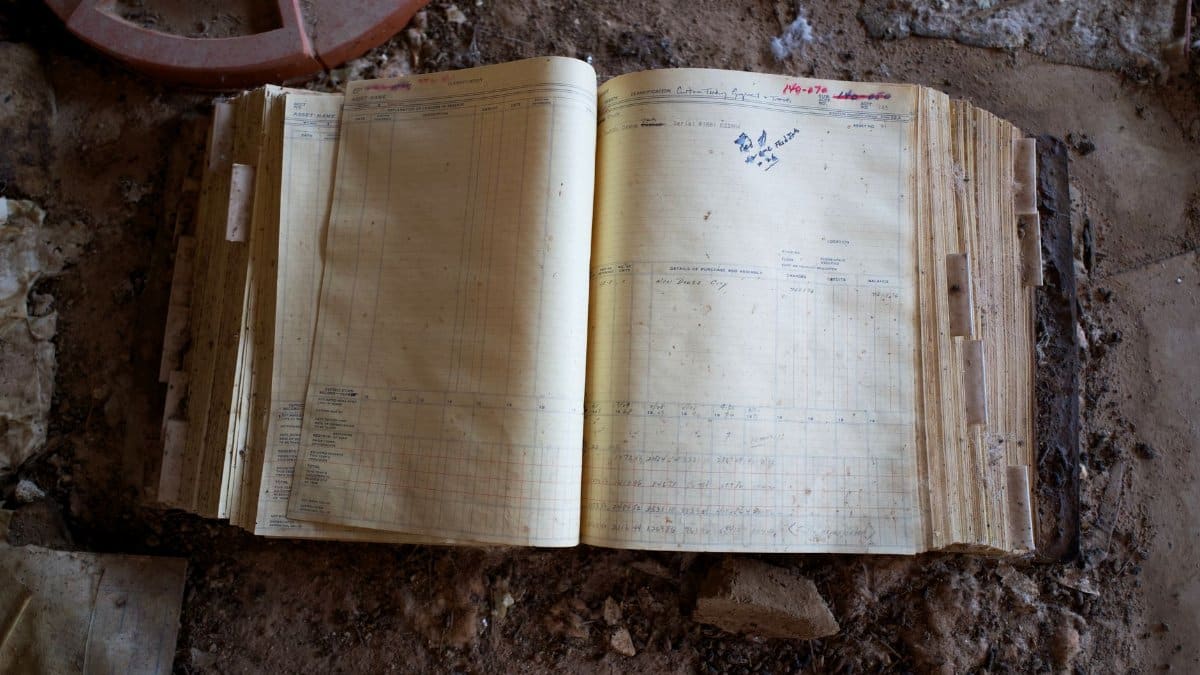
After the votes are counted, the spots will stop, and the silence will feel like relief. Stations will book holiday ads. Consultants will write memos about what worked. Donors will ask what the next cycle requires. Almost no one will be paid to ask whether the country is meaner for the exercise, or whether a voter in Columbus is more informed than she was in August. Those questions do not fit a rate card.
Still, they are the right questions. A record spend can buy name recognition, turnout, and a few points in a close race. It can also buy a public square in which the loudest sentence wins and the careful one never airs. If $11.6 billion political ads are the price of entry to this midterm, citizens are entitled to inspect the goods. What they are getting, too often, is not a fuller argument. It is a nastier one, sold at a volume that makes nastiness feel like the weather.
I keep thinking about that couple and the remote on the couch. They did not ask to be conscripted into someone else’s war for an evening that was supposed to be ordinary. Neither did the rest of us. The money will be spent again, almost certainly in greater amounts, unless the people who pay for it and the people who endure it decide that winning ugly is a kind of loss. Until then, the ledger remains open, and the break never quite ends.