
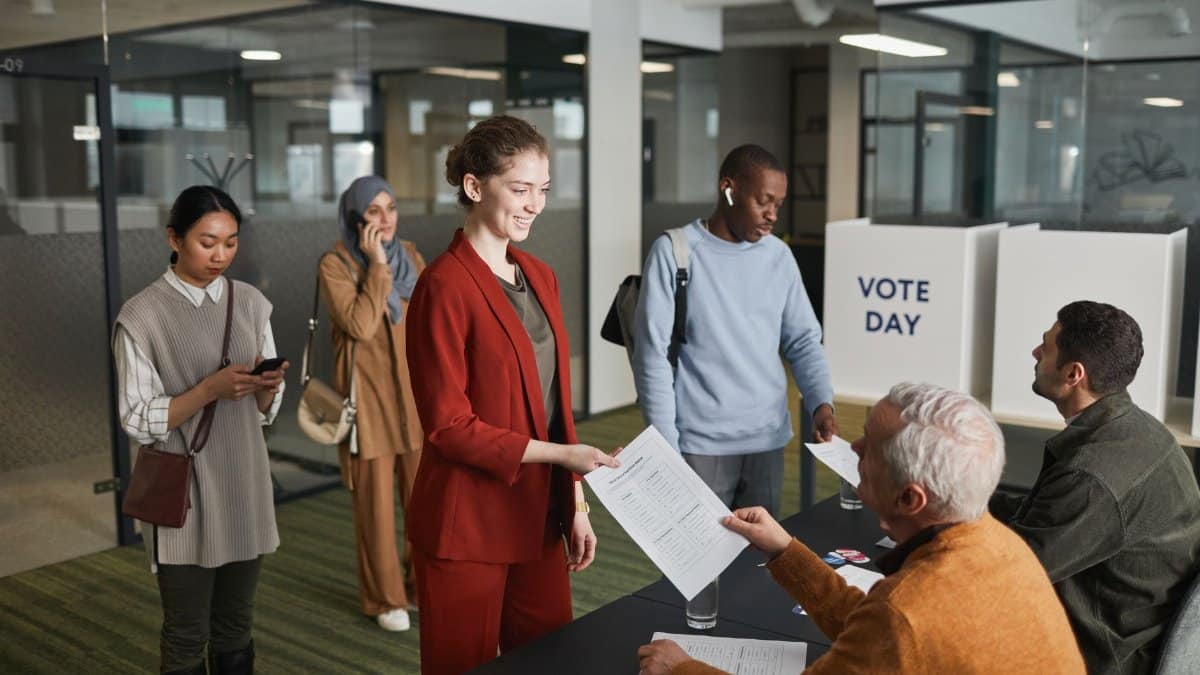
On a humid weekday morning in downtown Houston, the phones at the elections office ring with the same questions they have carried for weeks. Where do I vote. Has my mail ballot arrived. Will the lines move. County administrators, speaking in the plain language of logistics rather than slogans, say the machinery of Harris County voting is ready for the last stretch of early voting and for Election Day itself, even as national arguments about interference grow louder.
A measured kind of confidence

Confidence, in this setting, is not a cheer. It is a claim about staffing rosters, ballot stock, and the hours poll workers will spend on their feet. Officials describe a process they have rehearsed: sites opened on schedule, judges briefed, technicians on call, and a public information desk that can point a voter to the right location before frustration turns into a rumor. They do not promise a flawless night. They promise a system built to absorb ordinary mistakes without losing the count.
That distinction matters in a county of this size. Harris County is not a single precinct with a familiar clerk. It is a sprawl of neighborhoods, languages, and work shifts. A delay at one site can look, on social media, like a countywide failure. Administrators have spent the cycle trying to separate those two things in public view.
Memory of a difficult election
Voters here do not arrive as blank slates. Many remember nights when paper ran short, when results came late, and when competing explanations filled the gap. Those memories still shape how people hear any assurance from the county. Officials know this. Their message is less “trust us” than “here is what changed, and here is how you can check.”
The changes they emphasize are practical. More ballot paper on hand. Clearer communication with site judges. Faster ways to move supplies if a location runs hot. Training that treats long lines as a management problem, not a surprise. None of that erases the past. It is an attempt to show that the past was treated as instruction rather than as a talking point.
Early voting as the pressure valve
The final days of early voting are when the county either proves its planning or watches it buckle. Extended hours pull some of the Election Day crowd forward. That only works if locations are staffed for the surge and if voters can find them without a scavenger hunt. The county points people to its own elections site, harrisvotes.com, for wait times, sample ballots, and polling places, and to the Texas Secretary of State at sos.texas.gov for statewide rules on identification and mail ballots.
Early voting also changes the emotional weather. A voter who casts a ballot on a Tuesday afternoon is less likely to spend Election Day refreshing rumors. Officials treat that as civic hygiene. Every ballot banked early is one less variable on the night when attention is sharpest and patience is thinnest.
Who actually runs a polling place
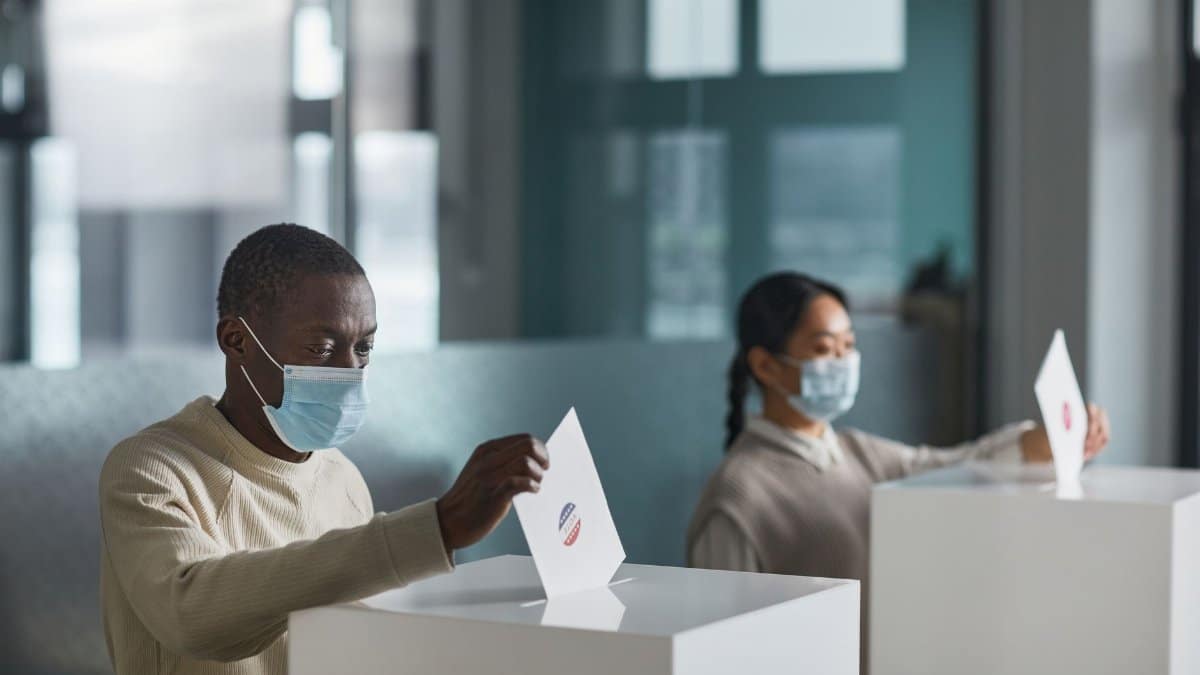
The public face of an election is rarely the official who gives the press briefing. It is the election judge unlocking a school gym before dawn, the clerk who explains a provisional ballot without sounding dismissive, the bilingual worker who keeps a line from splitting into confusion. Harris County voting depends on thousands of these temporary public servants, many of them neighbors paid a modest daily rate to absorb other people’s anxiety.
Recruitment has been a quiet struggle across the country, and Houston is not exempt. Officials say they have filled the core roles, with backups for illness and no shows. Whether that holds on the longest day is something only the day itself will confirm. What they can say now is that the roster exists, the training happened, and the expectation is clear: a voter who is eligible and in the right place should be able to cast a ballot.
Paper, machines, and a visible trail

Much of the national argument treats voting equipment as either infallible or secretly rigged. County administrators describe something duller. Machines that scan paper. Paper that remains available for review. Procedures for sealing, transporting, and logging materials so that a later question has a physical answer. The point of the design, they argue, is not to impress technologists. It is to leave a trail that partisans of either side can inspect without inventing a plot to explain a result they dislike.
Interference, in the way officials use the word, covers more than a hacked server. It includes false instructions about polling hours, intimidation near a site entrance, and viral claims that a routine equipment swap is evidence of theft. Their preparation for that is partly technical and partly communicative: document what happened, say it plainly, and do not let a gap in information become the story.
What voters control before they leave home
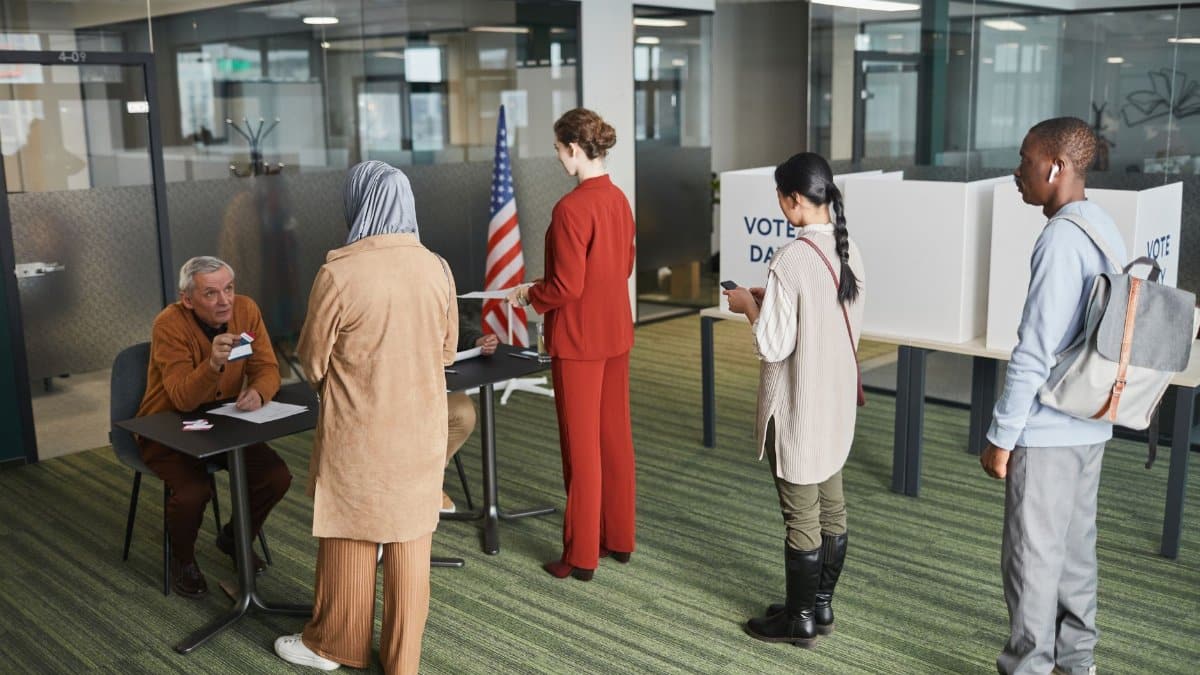
Preparedness is not only an institutional duty. A voter who checks a registration, brings an accepted form of identification, and knows whether a mail ballot was already returned removes a whole class of problems from the line. County staff repeat this not as scolding but as relief. The most common Election Day crises are individual and fixable if caught early: a name that does not match, a ballot mailed but not yet recorded, a polling place that moved since the last cycle.
Provisional ballots exist for the cases that cannot be solved at the table. They are not a trick, and they are not a guarantee. They are a legal pause so eligibility can be confirmed. Officials urge people not to leave without casting one if a judge says that is the path. Walking away creates a story of exclusion that no later correction can fully undo.
The noise from outside the county line

National coverage has trained audiences to expect drama: lawsuits filed before votes are cast, candidates who pre announce that only one outcome can be legitimate, influencers who treat every slow precinct as a confession. Harris County sits inside that weather system. Its officials cannot mute it. They can refuse to govern as if the loudest claim is the most informed one.
There is a cost to that refusal. Calm can be misread as complacency. A county that says it is ready will be judged harshly if a site runs out of ballots or if results stall without explanation. The confidence being expressed is therefore a wager. It bets that preparation, visibility, and a willingness to correct errors in public will matter more than the atmosphere of suspicion that now accompanies almost every large election in the United States.
Language, access, and a county that does not vote in one voice
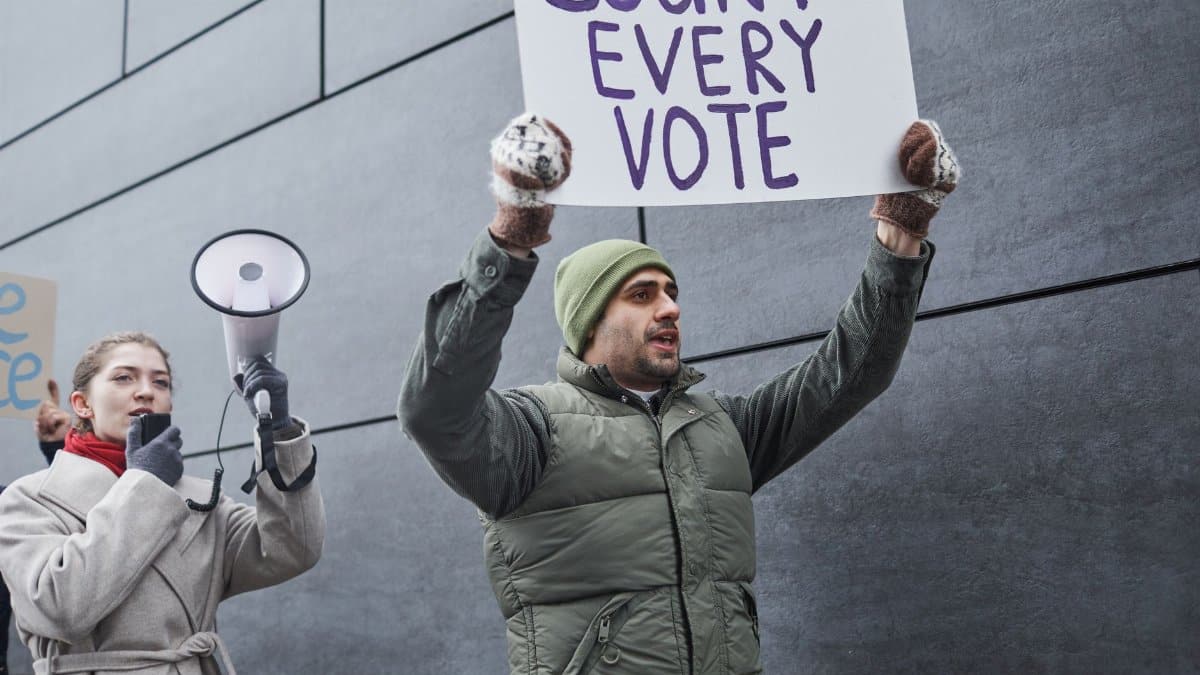
Houston’s electorate does not share a single newspaper, a single congregation, or a single commute. Information has to travel in Spanish and Vietnamese and in the informal networks of apartment complexes and shift work. A plan that looks complete in English on a county homepage can still fail a voter who never sees it. Administrators say outreach has been part of the readiness claim, not an afterthought: materials translated, community partners briefed, and sites chosen with transit and parking in mind.
Access is also a question of hours and dignity. A parent who can vote only after a night shift should not face a locked door and a shrug. Disability access, curbside options, and clear signage are unglamorous tests of whether the county means what it says. Confidence that ignores those tests is public relations. Confidence that includes them is administration.
When the polls close
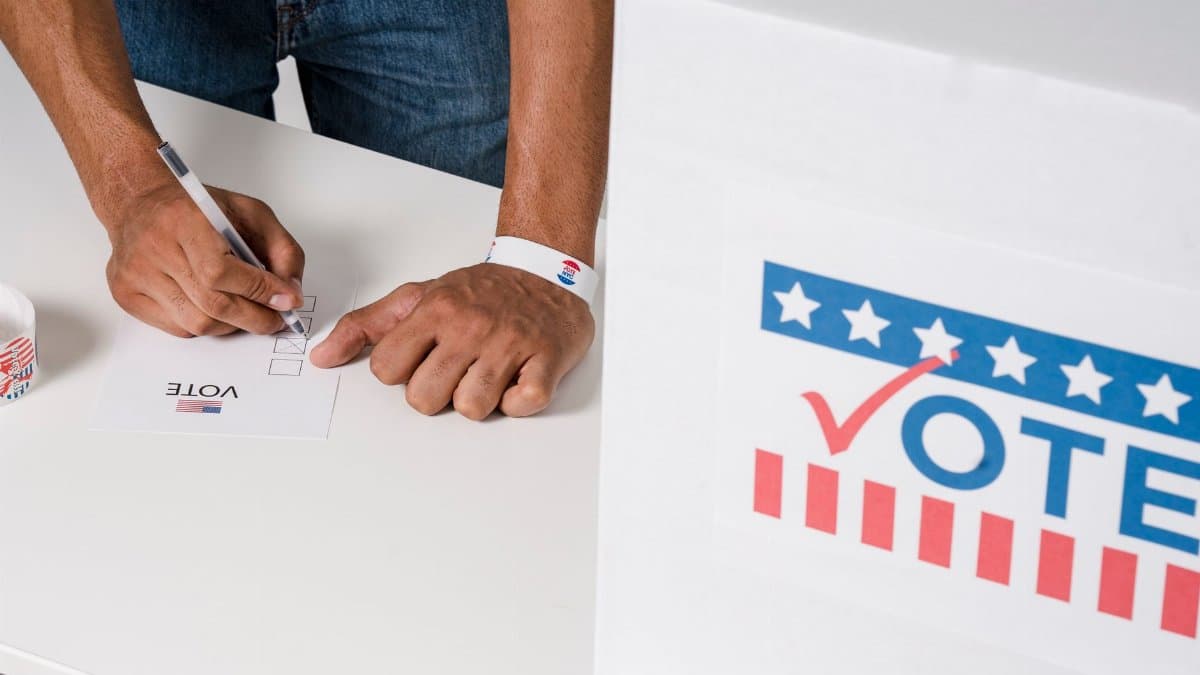
The hardest hours are often the ones after voting ends. Ballots must be accounted for. Unofficial totals must be released without pretending they are final. Mail ballots that arrive under the legal deadline must be processed under rules the county does not get to rewrite on television. Officials say they will report what they know when they know it, and they will label what remains outstanding. That pace will frustrate people primed for an instant verdict. It is also the pace that keeps a count defensible.
Observers from parties and from civic groups will be in the room, within the limits the law sets. Their presence is not a concession that the county expects fraud. It is part of how a large democracy shows its work. A process that cannot tolerate watchers is a process that has already failed a basic test.
A public that has to live with the result
Elections are not therapy, and they are not sport. They allocate power, and someone will be disappointed. The standard worth defending is narrower and sturdier than harmony. Eligible voters get to cast a ballot. Those ballots are counted under rules announced in advance. Challenges follow a legal path rather than a rumor mill. Harris County voting, if the officials are right about their preparation, will meet that standard even if the national conversation does not.
Readers can test the claim without taking anyone’s word as scripture. Look up the polling place. Read the identification rules. Watch how the county explains a problem if one appears. Confidence, in the end, is not a feeling officials can hand out. It is a record they either build in public or fail to build at all.